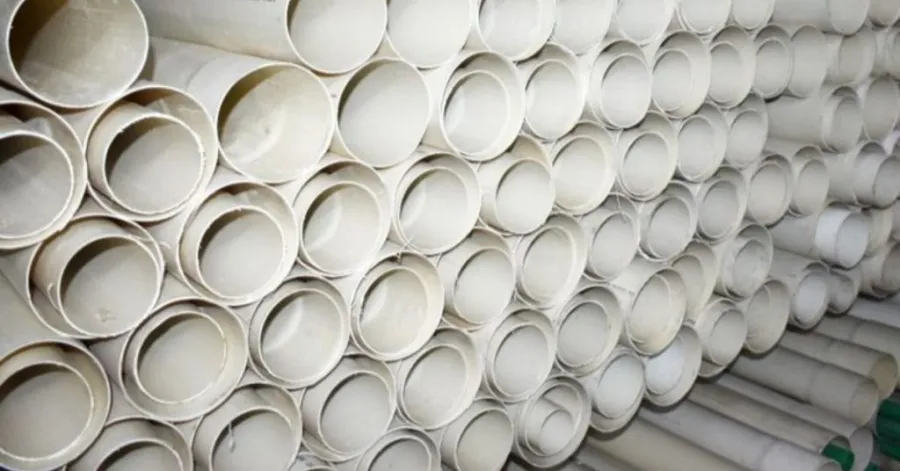
What are the types of sewer pipes? Various types of sewer pipes are used today. Common types of sewer pipes include clay, cast iron, Orangeburg, PVC, ABS, HDPE, concrete, and ductile iron. What type of sewer pipes you have in your home largely depends on when your house was constructed. Understanding sewer pipe types helps you know their lifespan and how they can be damaged, among other things.
If you know what kind of sewer pipes you have, you can maintain them better. Sewer pipe inspection can help determine your pipe type and identify any issues inside the sewer line.
Table of Contents
What Are Sewer Pipes?
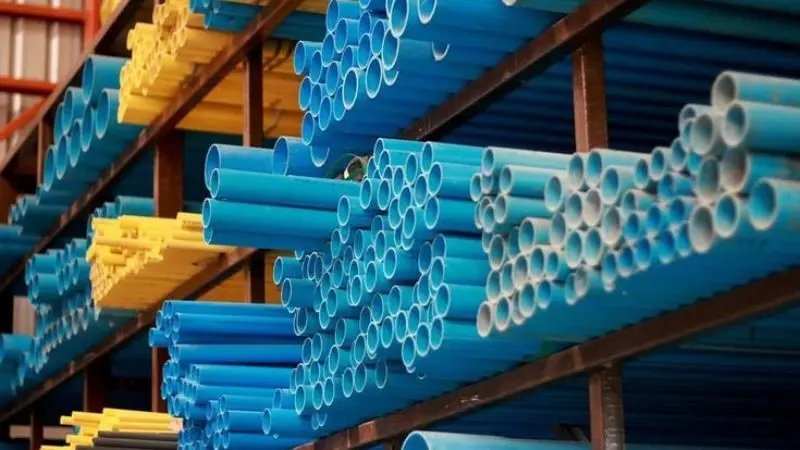
Sewer pipes are underground tubes that carry wastewater away from your home. Your house connects to these pipes through drains in sinks, toilets, showers, and other fixtures. The wastewater moves through the main sewer line and eventually reaches a public sewer system or septic system. A properly working sewer line keeps wastewater flowing away from your home. Most residential sewer systems use gravity to move wastewater through the pipes. When the line clogs or is damaged, wastewater may stop flowing properly.
Recommended For Your Project
If you are working on your home plumbing system, sewer pipes play an important part. Choose the main sewer line carefully. It collects wastewater from all the fixtures and carries it away from the property. If there is a problem in this main line, wastewater can back up into the home and clog all the pipes. So always pay attention to the warning signs that come before the problem arrives. These signs may be slow drainage, gurgling toilets, foul odors, and repeated clogs. You can easily solve sewer pipe problems by early detection.
Choosing the right sewer pipe material can save you from many future problems. Different types are available on the market that resist problems like corrosion and root intrusion. If you notice any pipe clogs, you can use a sewer inspection camera to identify the root cause. Plumbers recommend regular sewer inspections to prevent costly repairs if the worst happens.
What Are the Types of Sewer Pipes?
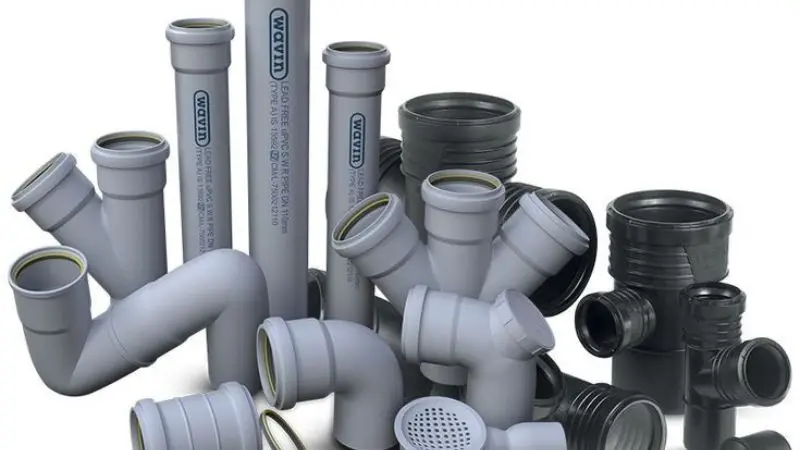
The most common types include clay, cast iron, Orangeburg, PVC, ABS, HDPE, concrete, and ductile iron. Each material has different strengths, weaknesses, and expected service life. If you know each one, you can choose the best option for your requirements.
PVC Sewer Pipes
PVC, or polyvinyl chloride, is one of the most common types of material used for sewer lines. It is best for modern residential sewer lines. Builders use PVC because it resists corrosion, chemicals, and many forms of root intrusion better than some older materials. PVC pipes have smooth interior walls that allow wastewater to flow easily. Builders usually connect the joints with solvent cement, creating a watertight connection when installed correctly.
PVC sewer pipes can last for decades when properly installed and maintained. However, they can still crack or be damaged by heavy soil pressure, ground movement, poor installation, or tree roots entering damaged joints. Among sewer pipe types, PVC offers a good combination of durability, affordability, and relatively low maintenance.
Cast Iron Sewer Pipes
Cast iron was widely used for sewer and plumbing systems before plastic pipes became common. Many older homes still have cast iron sewer lines underground. Cast iron is strong and can handle heavy loads. However, it can develop corrosion from the inside as it ages. Scale and rust can build up along the interior walls, reducing the pipe’s diameter and slowing wastewater flow.
What type of pipe is best for sewer? Older cast iron pipes can also develop cracks, joint separation, or other structural problems. These issues may eventually cause leaks, blockages, or sewer backups. If your home has an older cast iron sewer line, a camera inspection can help you check the inside of the pipe without immediately excavating your property.
Clay Sewer Pipes
Clay sewer pipes were commonly used in older homes and municipal sewer systems. They are made from fired clay and can remain underground for many years. Clay does not rust like metal pipes, but it can become brittle with age. Cracks and breaks may develop as the surrounding soil shifts. The joints between clay sections can also loosen over time. Tree roots are another common concern. Roots can enter small gaps around joints and grow inside the pipe. This can restrict wastewater flow and eventually cause a blockage.
Orangeburg Sewer Pipes
Orangeburg pipes were made from layers of wood pulp and bitumen. They were mainly used during the mid-20th century. This material was lightweight and easy to install, but it does not have the long service life of many modern sewer materials. Over time, Orangeburg pipes can soften, deform, collapse, or become damaged by soil pressure. If you own an older home, a sewer inspection can help determine whether an Orangeburg pipe is still being used on your property.
ABS Sewer Pipes
What is the best material for a sewer pipe? ABS, or acrylonitrile butadiene styrene, is another plastic material used in drainage and sewer systems. It is lightweight and resistant to many chemicals. ABS pipes are easier to handle than heavy metal pipes and can perform reliably when properly installed. However, they can still crack or be damaged by ground movement, improper installation, or physical pressure.
HDPE Sewer Pipes
HDPE, or high-density polyethylene, is a flexible plastic material used in some sewer and drainage applications. It resists corrosion and handles ground movement better than some rigid materials. HDPE is also known for its flexibility and resistance to many chemicals. Its performance depends heavily on proper installation and joining techniques.
Concrete Sewer Pipes
Concrete has been used for large sewer lines, municipal systems, and some residential applications. It is strong and can handle substantial external loads. However, concrete can deteriorate over time. Cracks, joint problems, and corrosion of internal reinforcement can affect its performance. Tree roots can also enter through damaged joints.
Ductile Iron Sewer Pipes
What are sewer pipes made of? Ductile iron is a strong metal material commonly used in larger water and sewer systems. It has better mechanical properties than traditional cast iron and can withstand significant pressure and external loads. However, ductile iron can still experience corrosion depending on the surrounding soil and environmental conditions. Proper installation and protective measures can help extend its service life.
How to Inspect Different Types of Sewer Pipes
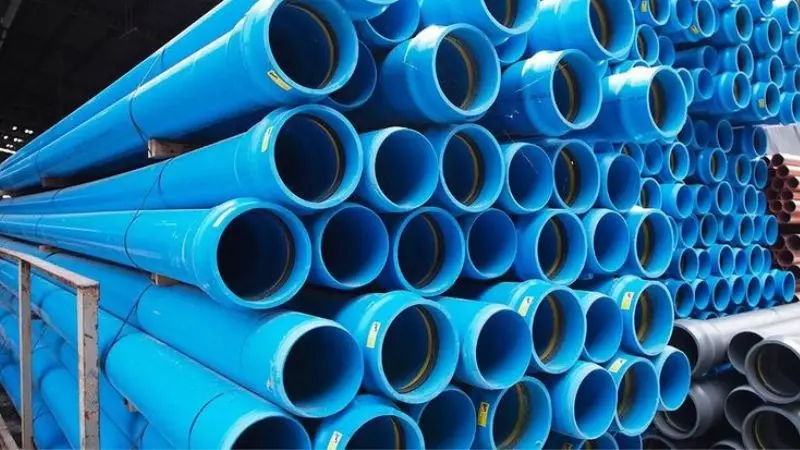
You cannot determine the condition of an underground sewer pipe simply by looking at your yard. You need an inspection method that allows you to see inside the pipe. A professional sewer inspection can identify cracks, blockages, root intrusion, collapsed sections, and other problems.
What Is a Sewer Camera?
What are the different types of sewer pipes? A waterproof sewer camera is a small camera attached to a flexible cable. You push the cable through a sewer or drain pipe while the camera sends live images to a monitor. The camera uses built-in lights to illuminate the pipe’s dark interior. This allows you to see problems that would otherwise remain hidden underground. A pipe inspection camera can reveal cracks, root intrusion, blockages, joint separation, buildup, and collapsed sections.
Some inspection cameras can also record video and save images. This gives you a visual record that you can review later or share with a plumber. For example, the VEVOR sewer camera has a 7-inch screen, 1000TVL camera, adjustable LED lights, a waterproof camera head, and a 66-foot cable. It can also record inspection footage to an SD card.
Why Use a Sewer Inspection Camera?
Which pipe is best for underground sewer? A sewer inspection equipment setup can help you inspect underground pipes without immediately digging up your property.
Camera inspection is useful when you have:
-
- Repeated drain blockages
-
- Slow drains throughout the house
-
- Gurgling toilets
-
- Bad sewer odors
-
- Suspected tree root intrusion
-
- An older sewer line
-
- A suspected collapsed pipe
-
- A sewer line that needs repair
A sewer camera can show the pipe’s actual condition so you can make a more informed repair decision.
Conclusion
Clay pipes may crack or develop root intrusion. Cast iron can corrode from the inside. Orangeburg can deform or collapse. PVC and other plastic pipes can still develop cracks, joint problems, or blockages. A sewer line inspection camera can also help you understand whether a blockage, crack, root intrusion, or collapsed section is causing drainage problems. Finding problems early may save you from expensive emergency repairs. If you suspect a sewer problem, consider having the sewer line inspected before it gets worse.
FAQ
How do I know what type of sewer pipe I have?
You usually cannot identify an underground sewer pipe just by looking at your yard. Start with your home’s age and any available plumbing records.
How long do sewer pipes last?
A sewer pipe’s service life depends on its material, installation, soil conditions, maintenance, and other factors. With proper installation, PVC can last for decades.
Can tree roots damage any sewer pipe?
Tree roots can enter sewer lines through cracks, damaged joints, or other openings. Clay and older sewer pipes with deteriorating joints can be particularly vulnerable.
Should I repair or replace my sewer line?
The right choice depends on the damage’s location and severity, the pipe material, and the sewer line’s overall condition.
What signs mean my sewer line needs attention?
Common warning signs include slow drains, gurgling toilets, unpleasant sewer odors, repeated clogs, and wastewater backing up into the home.