Looking to get your pool water looking sparkly? An above-ground pool has a sand filter pump, which you can install yourself. If used and followed properly, it appears easy and readily available. From selecting a suitable site and fitting the hoses to pumping up and testing for leaks, each aspect is critical to the smooth functioning of the system. The right installation instructions would also help you avoid typical installation errors that could impact water flow and filtration. Always follow the manufacturer’s instructions before starting.
If you regularly backwash and maintain your sand filter pump, you will continue to get many years of service from it. What is the best way to mount a sand filter pump in an above-ground pool? This guide is for beginners and will walk you through the entire installation of your swimming pool, step-by-step, so you can enjoy your pool water without worrying about it getting cloudy.
Table of Contents
Tools and Materials You Need Before Installation
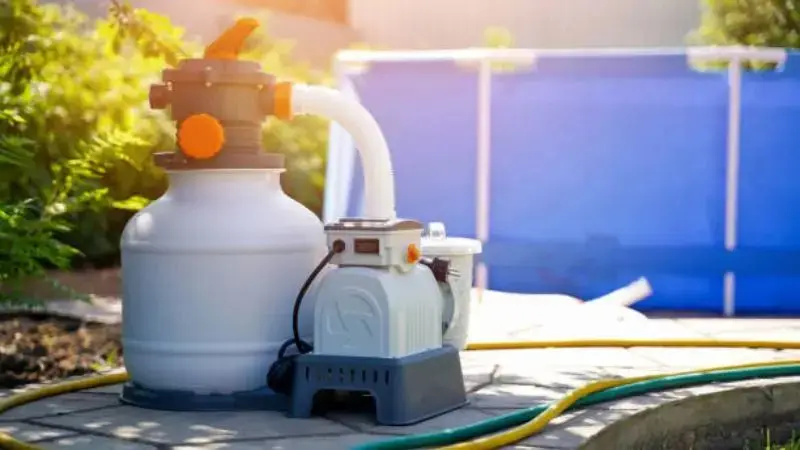
Before installing your sand filter pump, ensure all the tools, materials, and safety equipment are prepared. Doing everything in advance will save you time and may help you spot any missing pieces. Accidents and a successful installation are avoided by following the manufacturer’s instructions and basic safety precautions such as wearing protective clothing and keeping the work area dry.
Recommended For Your Project
Essential Equipment Checklist
Before you begin, pick up all the supplies you will need. It’s not the kind of thing that you want to get up and move around to find tools. Which of the following is used along with a high-flow sand filter pump? Prepare all tools and parts on the work table before working. This will save you time and problems before they occur. Having an organized checklist can be more efficient, as you know which items you will need beforehand. One other benefit is that it cuts down on installation errors. Each tool has a specific use when installing.
-
- Sand Filter Pump Kit: Your above-ground pool’s primary filtration system.
-
- Reservoir Filter Sand: Filters dirt and debris out of the water.
-
- Screwdriver: Used to tighten screws during installation.
-
- Wrench/Pliers: To fit and connect hoses.
-
- Tape Measure: Provides for correct hose length and spacing.
-
- Bucket: Carries and pours the filter sand in the tank.
-
- Safety Goggles: To keep dust and debris out of your eyes.
-
- Work Gloves: Use gloves when operating equipment.
Safety Tips Before You Begin
Pool equipment can be a safety concern. You need to stay safe and secure with your pool. When you get stuck, back up and read the instructions. Talk to the manufacturer or a pool professional at any time for their input. Now you’re ready to start installing a quiet sand filter pump on an above-ground pool. The tools, safety equipment, checklist- you have it all. Now, let’s consider the right location for your sand filter pump!
Here are some simple tips:
-
- Please always wear gloves and goggles. Small pieces and sand may be hazardous to the hands or eyes.
-
- Keep the work area dry. Water and electricity don’t mix.
-
- Read the instructions. The above-mentioned pumps are of different varieties.
-
- Seek assistance from someone. It can be a lot of work to compensate the tank or to carry sand.
-
- Be alert for sharp objects. There might be some rough spots in some fittings.
How to Install a Sand Filter Pump for Above Ground Pools
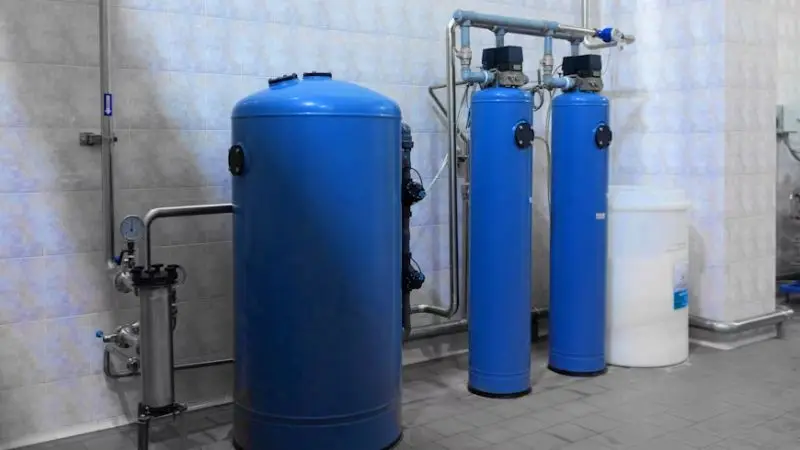
The installation of a Sand Filter Pump for an ABOVE GROUND POOL involves (but is not limited to) the following steps: Selection of the level location, assembly of the filter tank, connection of pump and hoses, priming of the pump, and leak testing. Carefully following each step can help to keep the water flowing and the filter functioning. With proper installation, you can enjoy a clean, safe, and enjoyable swimming season in your pool, and avoid problems in the future.
Choose the Right Location
When installing a sand filter pump for an above-ground pool, you want it on a level, sturdy surface. Select a location near your pool, but not too close. Be sure to leave space around the pump. Don’t leave it in an area where water can pool. Proper setup and maintenance of your sand filter pump requires a level base. The first advantage to selecting an appropriate site is that it will improve pump performance. A flat, solid, and level surface is optimal for a sand filter pump. When the pump is installed on sloping terrain, the pump could vibrate during operation. Excessive vibration can cause fittings to loosen, create vibration noise, and, over time, damage the pump. A stable surface will allow smooth and efficient pump operation. Locate the sand filter pump for easy maintenance.
Assemble the Sand Filter Tank
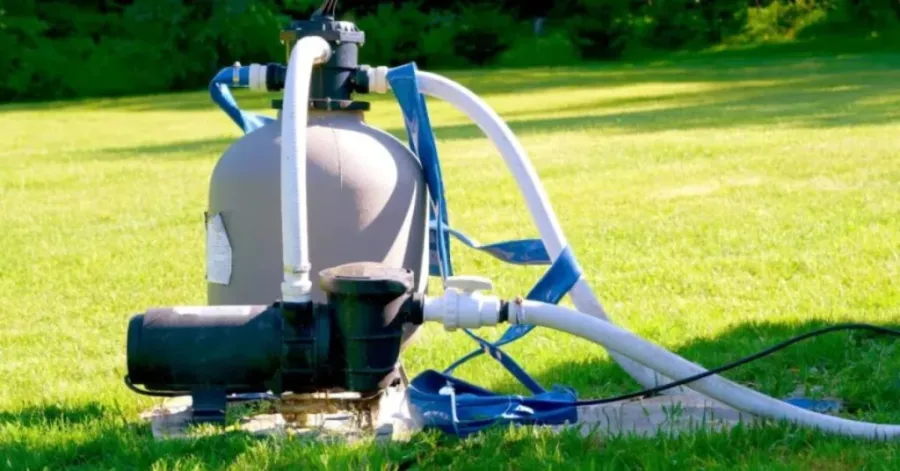
Unpack the sand filter pump kit. Follow the instructions to assemble the tank. Fill the tank with the appropriate quantity of high-flow sand filter pump. Don’t over- or underfill. Just the right amount will allow your sand filter pump to clean water more effectively in an above-ground swimming pool. Tie the top of the tank well. A certain quantity of special pool filter sand has been placed inside the tank. The sand filters dirt and other small particles as the water flows through it. This water is then pumped back into the pool. As long as the tank is set up correctly and the correct amount of sand is added to the filter, debris can be removed better, and you can enjoy cleaner and healthier pool water. A well-made filter tank will be much easier to clean and backwash. When the filter is in use, water is evenly distributed around the filter during routine maintenance, which helps remove dirt and debris that are trapped in the filter.
Connect the Pump to the Filter
Attach the pump to the sand filter tank. Use the fittings in your kit. Use a wrench or pliers to tighten everything. Ensure that the sand filter pump of a small above-ground pool is well grounded. This is an important part to ensure a smooth setup. The pump sucks water from the pool and sends it to the sand filter. Dirt and other impurities are caught in the sand inside the filter. The clean water is then returned to the pool. When it is secure, water moves through the system without any interruptions and keeps your pool crystal clear day after day. Another added benefit is improved filtration. The pump must deliver the water to the filter for it to be of any use. A proper connection guarantees that no water flows around the filter through poor connections. This will enable the filter to trap more dirt and debris, resulting in cleaner, healthier pool water.
Connect the Hoses
Connect the sand filter pump hoses into the above-ground pool. Use a tape measure to measure the hose length. What is the best way to install a pump for an above-ground pool in a sand filter? Connect one hose to the pool inlet and the other to the outlet. Make sure all clamps are tight. Loose hoses can cause leaks. If the hoses are not connected properly, water will not flow through the filtration system. It’s worth the time to properly connect the hoses so that your pool remains clean, clear, and safe for swimming. The most important advantage of the correct hose connections is water flow. Water from the pool is pumped via one hose,e and filtered clean water is pumped back into the pool via another hose. Dirt, leaves, insects, and other debris are removed as the water flows through the sand filter before it is returned.
Prime the Pump
Before powering on the pump, fill it with water. An above-ground pool sand filter pump requires priming to ensure that there are no air pockets. This is the most crucial stage; if you fail to do this, your best sand filter pump for an above-ground pool may not work correctly. Priming is filling the pump with water before start-up. This will blow out air in the system and enable the pump to circulate water efficiently through the filter. Without doing so, the pump’s ability to remove water may be compromised, and it could eventually damage the motor. The primary advantage of priming the pump is proper water flow. The pump does not push air; it pushes water. If the pump is filled with water before the system is started, the pull created by the pump will draw water from the pool into the filtration system.
Start the System and Check for Leaks
Switch on the sand filter pump. Check hoses and fittings for leaks; if water is dripping, shut the pump and correct the issue. Leak-proof installations ensure a smooth operation for your pump in an above-ground sand filter pool. Test your sand filter pump during the first few hours of use. Small problems can be identified early and dealt with quickly. You’ve just learned how to install a pool sand filter. Proper setup and clean water in your above-ground pool will follow these steps.
-
- Select the Location: Select a stable, dry,y and flat area for the sand filter pump.
-
- Put the pieces together: Assemble the Tank and add the correct amount of pool filter sand.
-
- Unplug the Pump: Take the pump off of the sand filter.
-
- Install Hoses: Attach hoses to the pump, filter, and pool.
-
- Prime the Pump: Fill the pump with water before turning it on.
-
- Turn on the pump and inspect all connections for leaks.
How to Backwash a Sand Filter After Installation
When to Backwash the Filter
You want clean and fresh pool water. Your above-ground pool sand filter will function better with backwashing. Backwashing cleanses the filter of dirt and debris that can accumulate inside. You don’t have to backwash daily. Most people do it once a week or when the water pressure increases. Regularly inspect the pressure gauge. When the pressure increases by 8-10 psi, it is time to backwash.
Here are indicators that it’s time to backwash your filter:
-
- The pressure reading on the pressure gauge is greater than normal.
-
- The flow of water decreases.
-
- The water in the pool has a cloudy appearance.
-
- You have just vacuumed the pool.
Simple Backwashing Steps
Backwashing may seem a bit complicated, but there are a few simple steps that’ll help you master it. Always follow the manufacturer’s instructions for your specific affordable sand filter pump for an above-ground pool. Some models may have additional steps. Your sand filter pump stays more powerful with backwashing. This will improve water quality and flow. If you are looking to keep your pool sparkling, don’t overlook this step!
Put on the safety equipment and follow these instructions:
-
- Turn off the pump. The last thing you want is water slamming around as you alter the settings.
-
- Change the filter valve to “Backwash.” Look for the label on the valve.
-
- Re-tune up the pump. Watch and observe dirty water draining out through the waste hose.
-
- Run for 2-3 minutes. Water should be clear in the sight glass.
-
- Restart the pump, turning it off.
-
- Place the valve in the “Rinse” position. This will help to settle the sand.
-
- Switch on the pump for approximately 1 minute.
-
- Turn the valve back to “Filter” and shut the pump off.
-
- Turn the pump on and check for leaks.
Common Sand Filter Pump Installation Mistakes to Avoid
By steering clear of some common sand filter pump installation errors, you can ensure that your pool water stays clean and your filter operates efficiently. Applying the right amount of sand, properly connecting hoses, priming the pump, and detecting leaks early and repairing them can prevent poor filtration and equipment damage. Performing regular maintenance and following the manufacturer’s instructions will guarantee sand filter pump performance and prolong its life.
Using the Wrong Amount of Sand
At this point, you may be tempted to add a little more sand to your pool’s sand filter to make it cleaner. That’s not true. Excessive sand accumulation may impede water flow. If there is too little sand, dirt will accumulate in your swimming pool. Refer to the manual to make sure you are using the correct quantity. Measure the sand in the bucket before pouring it into the sand filter pump. Your pool sand filter will catch debris and keep your pool water clear if you use the correct amount. Check the sand level after filling the tank twice. It’s important to choose the best sand filter pump for an above-ground pool and follow the instructions. A filter tank loaded with the correct amount of sand will allow the water to flow through the system at the correct speed. Poor water circulation allows pool chemicals to build up in certain areas, causes water stagnation, and increases the possibility of algae growth. Water movement through your pool keeps it cleaner.
Incorrect Hose Connections
Your sand filter pump will not work correctly if you connect the wrong hoses. Install the hoses to the proper ports on the pool sand filter. Check the manual for labels or diagrams. Measure the hose length with a tape measure. Apply tight clamps to prevent water leaks. If all parts are installed properly, your sand filter pump will operate as it should. The above-ground pool has a quiet sand filter pump that pulls water from the pool through the inlet hose and feeds it into the sand filter. Clean water flows back into the pool via the outlet hose. Once all the hoses are properly installed, water can circulate through the system smoothly, maintaining the cleanliness and health of your pool.
Skipping the Pump Priming Process
It is easy to be tempted to avoid priming. Don’t do it. Priming removes air from the sand filter pump and helps water flow. You may not be able to start your pool sand filter if you don’t do this. Fill the pump with water before use. Priming prevents unusual sounds or interruptions in power supply. A high-flow sand filter pump is a machine used to transport water, not air. Before operating the pump, fill it with water, and the pump may generate the suction required to draw water into the pump from the pool. This continuous water movement helps the sand filter retain dirt, leaves, insects, and other debris, so the pool receives clean water. Another noteworthy advantage is that it protects the pump from damage. If you do not prime the pump, it may not have enough water in it to operate properly.
Ignoring Small Leaks
Leaky pipes can cause major issues. If you notice water coming out of your sand filter pump or pool sand filter, repair it immediately. Tighten the fittings and check the hoses. Leaks can allow water to escape and damage your pump. If you want your large above-ground pool sand filter pump to last for a long time, make sure you are mindful of every drip. Frequent inspections will help you identify leaks quickly. Your pool sand filter will thank you!
-
- Too Little or Too Much Sand: Results in inadequate filtering. Prepare: Accurately measure sand and use the recommended quantity.
-
- Bad Hose Connections: Lead to poor water flow. Fix: Refer to the manufacturer’s instructions or wiring diagram.
-
- Without Pump Priming: The pump will not start. Fix: Prime and fill the pump before turning it on.
-
- Ignoring Leaks: Leads to water loss and possible equipment damage. Fix: Regularly check all fittings and hoses for leaks and tighten.
Follow these tips and your sand filter pump will help you maintain your pool without a problem all season long.
Final Maintenance Tips
If you find yourself in a bind, or you’re unsure, reach out to a pool professional to help. You have just installed a sand filter pump in your above-ground pool. A small, above-ground pool with a well-functioning sand filter pump filters dirt, insects, pollen, and other unwanted particles better. By following these steps and maintaining the system throughout the summer, you will have clean and safe water to enjoy all summer long!
-
- Regularly inspect for leaks.
-
- The manufacturer provides instructions – follow them.
-
- Backwash your filter regularly.
Wrap Up
When installing a Sand Filter Pump for Above-Ground Pools, it is much easier with the right tools and proper procedures. Selecting the right location, correctly assembling the filter, installing hoses correctly, priming the pump, and ensuring there are no leaks all contribute to optimal filter performance. The filter performs optimally,y and equipment lasts longer when it is operated under the influence of these consistent backwashes and regular maintenance. Preventing common installation issues also enhances water circulation and filtration. When cared for properly, your sand filter pump will provide clean, clear, safe pool water this swimming season. With these simple tips, you’ll have a healthier, low-maintenance pool for years to come.
FAQs
When do you need to change the sand in your filter?
Sand should be replaced after 3-5 years. Change the sand filter earlier if water is not clear or the filter doesn’t remove dirt well.
Is it OK to use regular play sand in a pool filter?
No, you need sand for a pool filter. Sand can clog your filter and harm your pump. Use only the recommended sand by the manufacturer.
If your pump doesn’t start, what should you do?
-
- Inspect the power cord.
-
- Ensure the pump is primed.
-
- Check for tripped breakers.
-
- Check for any hose restrictions.