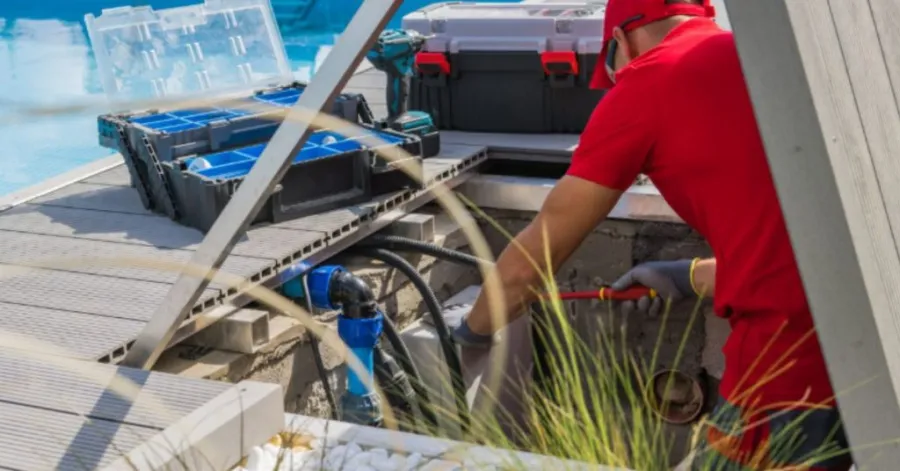
Maintaining healthy, clean pool water means keeping your pool pump in great condition. A broken or obstructed pump may reduce water flow, raise energy costs, and lead to more serious repair issues in the future. This is a comprehensive manual on how to fix a pool filter pump with easy-to-follow, simple steps.
You will learn how to repair common pool pump problems in practice by checking for power issues, repairing leaks, and installing replacement parts. You may need some DIY pool filter pump repair tips, or you just need to learn about simple pool system maintenance. These repair tips can help keep your pool system operating efficiently throughout the season.
Tools and Materials Needed for Pool Filter Pump Repair
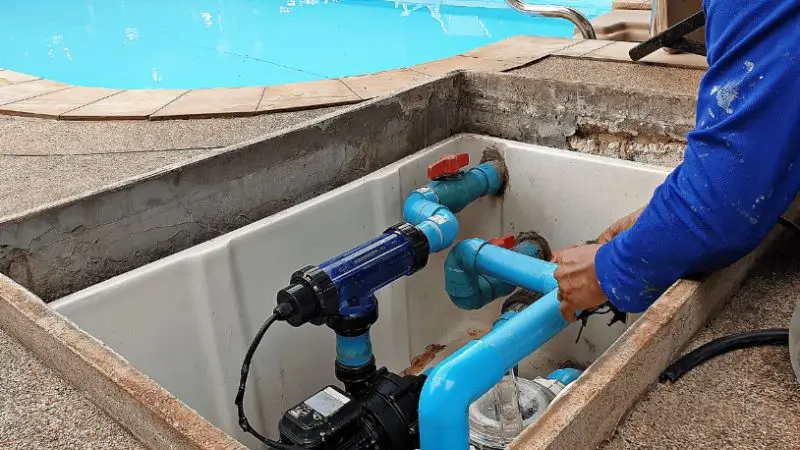
It is necessary to prepare the appropriate tools and materials before commencing any pool filter pump repair. Preparation will make the repair work easier and give you a chance to save time on the job. Whether it is your first time learning how to repair a pool filter pump or routine maintenance, the right equipment is available at the right time and place to save time and effort.
Essential Pool Pump Repair Tools
Simple repairs do not require costly professional devices. Many everyday problems can be solved with just a couple of basic tools. These are the things that must always be at hand in case you are going to do a DIY pool filter pump repair.
The following are the tools that are crucial:
- Flathead and Phillips screwdrivers.
- Adjustable wrench
- Pliers
- Socket se
- Utility knife
- Old toothbrush or soft brush.
- Rags or towels that are clean.
- Water bucket (small)
This equipment assists with opening the pump housing, debriding, fitting components, and accessing damaged components. Maintaining a clean work area also makes the repair process safer and more manageable.
Replacement Parts You May Need
During a repair, you may find that certain pump parts are old or damaged. The timely replacement of these parts can prevent larger issues and enhance the pump’s overall performance. An appropriate swimming pool filter pump repair manual typically advises thoroughly inspecting small components, since even minor damage can affect water circulation.
The most frequent replacement parts are:
- O-rings to seals that have been broken or are worn.
- Pump seals to prevent water leaks.
- If the motor is running but the water is not moving, then the impellers are present.
- Loose or leaking connections in the gasket.
- Filter baskets: remove any broken or clogged baskets.
When investigating how to repair a non-functional pool pump, the first thing to check is the pump itself. Never purchase replacement parts without consulting your pool pump manual to ensure they are for the correct model.
Safety Precautions Before Starting Repairs
The first thing to consider when working on any pool equipment is safety. Electricity and water are used to operate pool pumps, so it is important to take appropriate precautions. It is important to ensure that the whole system is off and is safe to work with before commencing any pool filter pump repair.
These are some of the safety measures that should be followed:
- Switch off the pump at the circuit breaker.
- Disconnection of the pump when possible.
- Wear protective glasses and gloves.
- Make the repair area dry to prevent slipping.
- Before handling the pump motor, allow it to cool.
These are some simple precautions to help prevent accidents and equipment damage. When you are not sure how to fix a leaking pool pump or are having electrical problems, it is safest to call a professional technician.
How to Diagnose Common Pool Filter Pump Problems
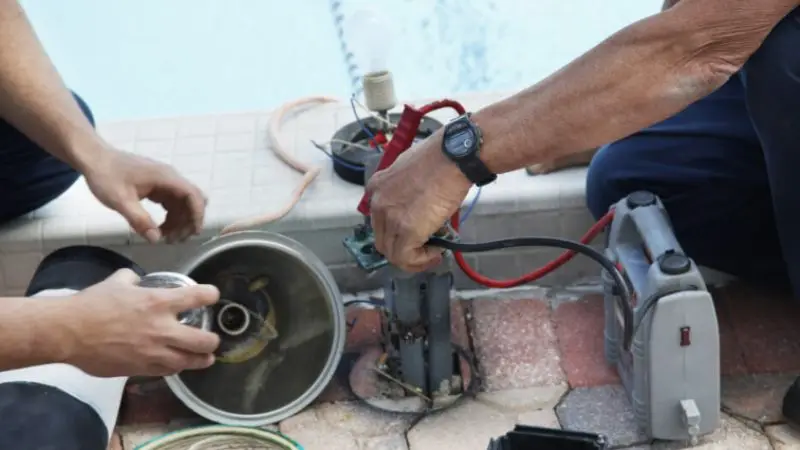
It is always necessary to know the cause of any problem before undertaking any repair work. Inspections are a good way to prevent unnecessary repairs and save money. Most homeowners start repairing their pool filters and pumps without first diagnosing the actual problem, which can complicate matters. Spending a few minutes to properly diagnose the pump will help you decide on the best solution.
These typical troubleshooting steps may assist you in a more rapid and secure diagnosis of the problem in case you are learning how to repair a pool filter pump.
How to Check if the Pool Pump Is Getting Power
Among the initial things to check is the power supply. If the pool pump has not turned on, the problem may be with the electrical connection rather than the pump. The first step is to check the breaker box to determine whether a breaker has tripped or a fuse has blown. It is also possible to check the outlet by plugging in another device to see whether power is reaching the pump.
Never touch the internal parts or wires without first turning off the electricity. In case of a burning smell, smoke, or broken wiring, cease and call a professional technician. When electrical problems are mishandled, they may be dangerous. Many individuals seeking information on repairing a broken pool pump may find that the issue is primarily due to a power problem.
How to Diagnose Low Water Pressure Issues
Another typical issue with pool pumps is low water pressure. You might also experience a weak water flow and slower pool circulation, which are initiated by the return jets. When this occurs, the pump’s workload increases, potentially causing further long-term damage.
Test the filter and pump basket in a pool and ensure there is no dirt, leaves, or other debris that could block water flow. Cleaning these areas usually improves performance immediately. The leaks in the suction line may also lower the pressure. You should check all the fittings and joinings to ensure that they are tight.
Maintaining the water level in the pool is also important, as low water can allow air to enter the system. The pressure problem is typically one of the simplest to fix during a DIY pool filter pump repair, provided it is identified early.
How to Find and Fix Pool Pump Leaks
One of the most obvious indicators that you need to adjust your pool pump is a leak. Damaged seals, broken fittings, or deteriorated O-rings are often indicated by water at the base of the pump. Even a minor leak may decrease the pump efficiency and waste more water in the long run.
Check all exposed connections and look for any moisture around the pump housing. Cracks ought to be repaired immediately to prevent larger repairs in the future. The process of knowing how to fix a leaking pool pump begins by finding out the exact point where the leak is, then replacing any unnecessary parts.
A swimming pool filter pump guide will typically recommend a routine check of the seals, as they wear naturally with age and constant water exposure.
How to Troubleshoot Strange Pool Pump Noises
Odd noises in the pool pump usually imply a problem inside the pump. Grinding sounds can indicate a damaged impeller, and rattling can occur when parts become loose in the system. Vibrations may occur as well should there be trapping of any debris in the pump, or the motor begin to wear out.
Do not turn on the pump and examine anything indoors. Eliminate leaves, dirt, or debris that can obstruct moving parts and tighten any loose screws or fittings. If the noise persists even after cleaning and tightening the system, you might need to replace a damaged part or conduct a more thorough examination of the motor.
Experience will make troubleshooting less difficult, particularly when you tackle one problem at a time.
How to Repair a Pool Filter Pump Step by Step
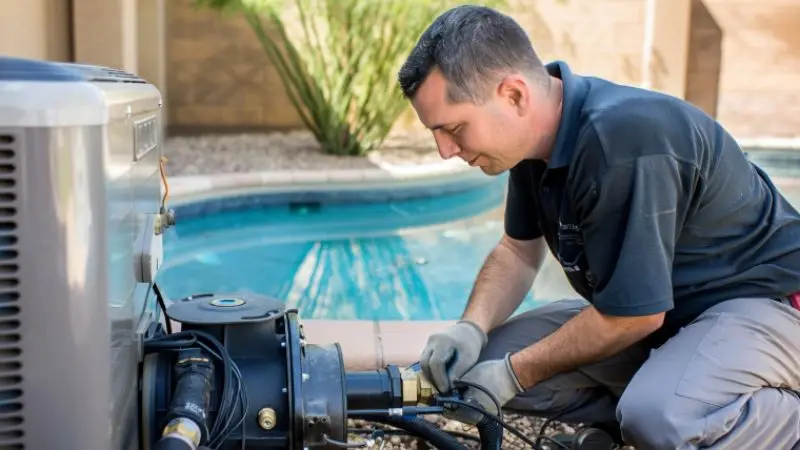
It might be hard to fix a pool pump at first, but most problems can be resolved with a simple step-by-step procedure. Periodic servicing and timely repairs will assist your pool system to operate efficiently and avoid future costly damage. When you know how to fix a pool filter pump, you can fix most of your problems without having to seek the services of a professional.
This easy swimming pool filter pump repair manual guides you through a step-by-step process to ensure you complete the repair safely and with confidence.
Step 1 – Turn Off the Pool Pump Safely
Safety is the foremost rule before commencing any pool filter pump repair job. Switch the pump off by turning off the breaker for the system. When the power cord of your pump is available, disconnect it as an added precaution.
It can be risky to work on a pump when power is turned on. Always ensure that the surroundings of the equipment are dry before handling any part. It will only take a few minutes to turn everything off before repairing it, and this will save you and the pump a lot of trouble.
Step 2 – Clean the Pool Pump Basket and Filter
Carefully open the pump lid and take out the pump basket from the housing. Vacuum out leaves, dirt, insects, and any other debris that may have been trapped inside. After cleaning, thoroughly rinse the basket with a garden hose.
Then, examine the pool filter to see whether it has dirt or clogs. A clogged filter tends to slow water flow and place undue strain on the pump. This basic cleaning process,s in most instances, resolves frequent performance problems. Individuals seeking information on how to repair a nonfunctional pool pump are usually shocked to find out that the true cause of the problem is clogged baskets and filters.
Simple DIY pool filter pump repair, in most cases, begins with cleaning since it enhances water circulation as soon as possible.
Step 3 – Remove and Inspect the Pump Motor
Loosen the bolts retaining the motor with a screwdriver or a wrench. Take care not to force the motor out of the pump housing. After dismounting, thoroughly examine the motor, looking for rust, damaged wires, bur marks, or broken parts.
A faulty motor can have problems starting or operating. In case of severe electrical damage or excessive corrosion, it might be necessary to replace the motor. Learning to replace a pool pump motor may save you from having to replace the whole pump system.
This is an important step; take it slowly, and check each part thoroughly before proceeding.
Step 4 – Repair or Replace the Pump Impeller
One of the most significant components of a pool pump is the impeller, which forces water through the filtration system. Over time, the impeller can become clogged with debris or physically damaged. Remove any dirt or obstructions you find around the blades.
If the impeller is fractured, torn, or stuck, it is advisable to have it replaced in most cases. A broken impeller will usually produce grinding sounds, low water pressure,e or low circulation. This is a highly prevalent problem when it comes to pool filter pump repair, particularly in the older pool systems.
To ensure the pump is operating correctly, inspecting the impeller can help restore normal water flow and enhance overall performance.
Step 5 – Replace Worn Seals and O-Rings
Seals and O-rings help maintain water within the pump system and prevent leaks around connections. These rubber components may eventually dry, crack, or erode due to constant exposure to water.
Take off any broken seals and replace them with new, similar ones. Seals are installed properly to enhance pump efficiency and minimize water leakage around the pump. Small but significant parts are often replaced when learning to fix a leaking pool pump.
Another aspect of long-term maintenance for pool pumps is the regular replacement of seals, which can help prevent future repair issues.
Step 6 – Reassemble and Test the Pool Pump
Once the repairs are made, reinstall all parts in their places. Install the pump lid, screw the bolts in, reassemble the basket, and then the pump lid with the bolts before you turn the power back on to the system.
Start the pump again and observe its functioning. Hear odd sounds and check the system at the seals and fittings. Even flow of water and normal operation normally mean that the repair was effective.
A good DIY pool filter pump repair will not only save money but also help to increase the life of your pool equipment. Your pool water is also cleaner, and your filtration system is also in good working condition throughout the season with regular maintenance and fast repairs.
How to Fix Common Pool Filter Pump Problems
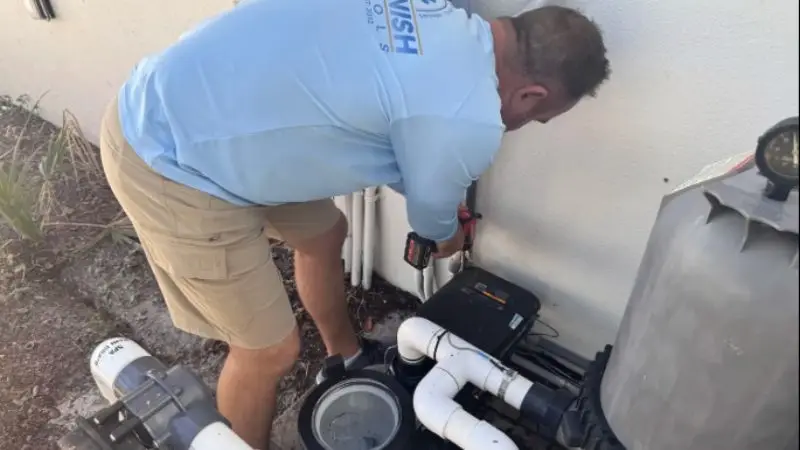
Over time, pool pumps may encounter various issues, particularly during the entire swimming season. Certain problems might appear to be serious initially; nevertheless, a lot of them can be resolved through routine troubleshooting and service. Knowing the most frequent pump issues will enable you to respond fast before the situation gets out of hand.
These simple repair techniques can also be used to fix a broken-down pool filter pump and get it working again without spending a lot of money.
How to Repair a Pool Pump That Will Not Start
In most cases, when a pool pump does not start, the issue is either the power supply or the motor. Start by ensuring the pump is properly plugged in and checking the breaker box to see whether any breakers are tripped. Turn on the breaker again (where necessary) and check the outlet with a different device to make sure power is present.
When the pump remains unresponsive, check the motor: does it smell burning or have damaged wiring or any visible overheating? Replacement of the blown fuse fixes the problem in a few instances. Nevertheless, if you notice smoke, buzzing, or sparks, switch off the pump immediately and call a professional technician to repair the pool filter pump.
Most people looking to repair a pool pump that is not operating find that it is often due to easy-to-fix electrical issues.
How to Fix a Pool Pump That Keeps Losing Prime
The loss of prime occurs when air enters the system, interrupting normal water flow. This problem may slow circulation and cause the pump to malfunction. To restart the system, first place the pump basket in water, then turn the system on again.
Then, check the suction lines and fittings thoroughly for loose connections or cracks that allow air penetration. The pump can also draw in air rather than water due to low pool water levels, hence ensure that the water level is high. When you see the air bubbles reappear in the pool, there’s probably a leak in the suction system somewhere.
Repairing air leaks is a significant part of DIY pool filter pump repair, as even minor leaks can substantially affect pump performance.
How to Repair a Noisy Pool Filter Pump
Any unusual sound from the pump is a sign of debris accumulation, loose components, or internal damage. Grinding noises could indicate a broken impeller, and rattling is common when screws or fittings have been loosened over time.
Disconnect the system and then turn off the pump housing. Clean the pump by getting rid of leaves, dirt, and other stuff. Check the impeller and replace it if you see cracks or other damage. Loosen all the visible bolts and screws and restart the system.
One of the most effective measures to avoid noise issues and extend pump life is regular maintenance. An ideal swimming pool filter pump repair guide will always include regular cleaning and checks that help maintain the system in a quiet, efficient mode.
How to Stop Pool Pump Leaks
One of the most common pool pump problems is leaks, which should be promptly fixed to prevent water loss and equipment damage. Look closely at the pump housing, seals, O-rings, and pipe connections to check whether they are dripping or contain water.
Should have broken seals or torn rubber, replace them immediately. Once the replacement components have been installed, dry the area thoroughly and monitor for any subsequent leaks as the pump continues to run. Learning how to fix a leaking pool pump can help prevent even greater damage to the motor and filtration system in the future.
Most minor leaks are easy to fix and require only simple tools and replacement seals.
How to Solve Weak Pool Water Circulation Problems
Weak water circulation typically indicates the filtration system is struggling to circulate water. Begin by washing the filter and the pump basket, as they might be clogged with dirt and debris that prevent normal flow. Test pipes and suction lines to eliminate clogs or obstructions that can decrease circulation.
In other cases, the filter is only required to be backwashed to regain normal water flow. Good circulation will keep the pool water cleaner, maintain chemical balance, and ensure the filtration system operates effectively.
Homeowners prefer to repair their pool filter pumps themselves because the issues are easy to diagnose and fix. They can also be prevented by cleaning up and maintaining them regularly.
When to Replace Instead of Repair a Pool Filter Pump
Basic repairs will not solve all pool pump issues. In the long term, pool pumps deteriorate due to constant operation, exposure to water, and wear on internal components. Although most small problems would be resolved through maintenance, there comes a time when it makes better sense to replace the pump than to maintain it.
When you have already experimented with several repairs, and the system still fails to perform well, then it may be time to consider replacing the unit instead of engaging in more repetitive pool filter pump repair work.
Signs Your Pool Pump Is Beyond Repair
There are clear warning signs that the pool pump is at the end of its life. Neglecting these issues may result in increased repair costs and reduced pool performance. If you observe severe damage or recurring failures, you can save money and frustration by replacing the pump in the long term.
Common signs include:
- Checking the power supply, the motor still does not start.
- During operation, loud grinding or screeching sounds persist.
- Seals and O-rings are replaced, and still leak water.
- Huge cracks are observed in the pump housing.
- Smell, smoke, or excessive heat of the motor.
These issues often indicate serious internal damage that may not be worth repairing. Most homeowners who are investigating how to repair a pool pump that is not working will find out after some time that the only long-term solution is to replace it.
When you have a pool pump that is over eight years old and seems to be constantly breaking down, it might be more cost-effective to replace it than to keep repairing it.
Comparing Repair Costs and Replacement Costs
The overall cost of repair versus replacement is useful before making a decision. Minor repairs tend to be cheap, particularly when the problem is limited to seals, baskets, or blocked parts. Nevertheless, significant motor repairs or frequent part replacements may be costly in the long run.
In many cases:
- Minor repairs can range from 50 to 300 dollars.
- The cost of a full pump replacement is between $300 and $ 800, or even higher.
When repair costs exceed 50 percent of the cost of a new pump, it is usually more economical to replace than repair. The more recent a pump is, the more efficient it tends to be, and the lower its future maintenance costs. Knowing how to change a pool pump motor can assist with some repairs, yet older systems may still develop additional issues thereafter.
The right time replacement can enhance performance and reduce operating costs in the long term.
How to Choose an Energy-Efficient Replacement Pump
@xodailymotivationxo Now we can enjoy our pool!!#sandfilterpump #abovegroundpool #poolfilter #vevor #tiktokshop
♬ original sound – XoDailyMotivationXo
Pumps for modern pools are designed to use less electricity while enhancing water circulation. It will be possible to select an energy-efficient model to reduce monthly utility expenses and improve the pool’s overall performance. Variable-speed pumps are particularly popular because they are quiet and regulate their speed according to the pool’s requirements.
When buying a replacement pump, see features like:
- Variable-speed motor technology
- ENERGY STAR® certification
- Quiet operation
- Durable corrosion-resistant materials
- Fan and cleaning are easily maintained and accessible.
It can be much easier to upgrade to a modern pump and streamline pool care. Most of the newer systems also do not need to be serviced as often; therefore, they are suitable for homeowners who want to have a DIY pool filter pump serviced and maintained over time.
The pool can be kept clean with a dependable, energy-efficient pump, which enhances filtration and helps reduce electricity consumption during the swimming season.
Wrap Up
Timely repairs and routine maintenance may help prolong the life of your pool pump and enhance the overall performance of your pool. Simple tools and close inspection can often fix many common problems, such as leaks, low pressure, strange noises, and circulation problems. Knowing how to fix a pool pump that is not working can save time, reduce repair costs, and help prevent future failures of larger equipment. But, in case of serious damage to the pump or repetitive motor issues, it is better to replace the pump. The right swimming pool filter pump repair manual will help maintain your swimming pool water clean, safe, and properly circulated year-round.
FAQ
How frequently is the cleaning of your pool filter pump?
During the swimming season, you ought to clean your pool filter, pump, and basket once a week. Clean it more frequently if you find numerous leaves or dirt. It is better to keep things clean so that your pump will work better.
Are you able to service a pool pump motor?
The basic problems, such as loose wires and burnt fuses, can be corrected. In case the motor is severely damaged or smells burnt, seek professional help. Safety comes first!
What do you need to do a simple pool pump repair?
You will require screwdrivers, pliers, an adjustable wrench, and a brush. A bucket is used in the collection of water. Gloves and safety glasses protect you. Remember to have your tools within reach to make quick repairs!
What is causing your pool pump to make noises?
When noises are loud, it is likely that something is loose or stuck. Check the impeller and tighten bolts. Remove any debris. In case the noise persists, it might be necessary to change a component.
Is it safe to run your pool pump with a leak?
No, it can be more of a problem to run your pump with a leak. Turn off the pump and repair the leak immediately to prevent it.