With the right post hole digging tool, this laborious job can be done more quickly. The main types of post-hole diggers are manual, gas-powered, and electric. Different types of post hole diggers have different features and performance levels, so the best one for you depends on your soil conditions, project size, and budget. When choosing the best tool for digging post holes, consider power, weight, digging capacity, and blade quality.
We explore top-rated picks from Lowe’s faves, including Craftsman, Kobalt, Project Source, and Titan. There’s also Nu Boston Digger and Seymour Buckeye. Post hole diggers have many functions; thus, it is worth comparing their features to help you decide.
Table of Contents
7 Best Tools to Dig Post Holes for a Fence
To save time and effort, it is important to select the easiest way to dig post holes for your land. You need to take into account the soil conditions in your area. Explore the categories below to find the one that best fits you.
Recommended For Your Project
1. Manual Post Hole Digger
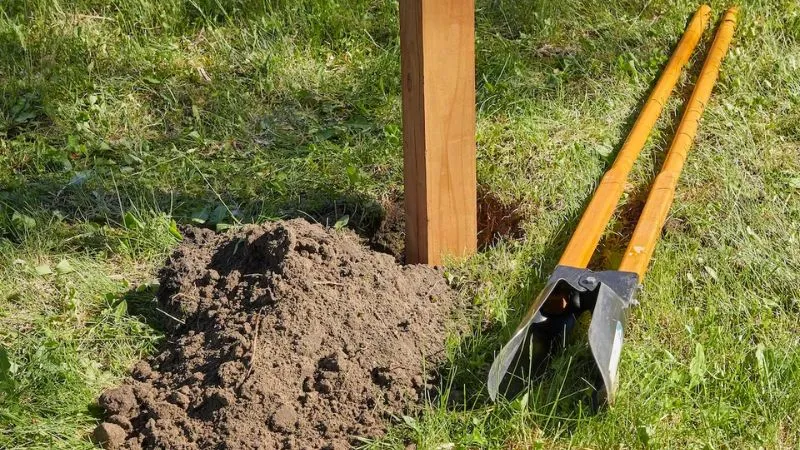
If you have a modest job, a manual digger is the most readily available option. There are two primary varieties: the clamshell design and the manual auger style. The clamshell digger works by pushing two handles together to capture the soil. You hook the dirt out of the hole. This tool works best in soft, loamy soil free of rocks. The Craftsman manual post-hole digger is a good blend of durability and price. Lightweight fibre glass handles. Steel blades work well to chop loose soil. A few post holes you can do without a machine. The Kobalt model is also one of the best post hole diggers for minor operations. These tools are all about ease of use. All you gotta do is shove the blades into the ground and squeeze and pull. The best overall handbook depends on your soil type. For most homeowners, the Craftsman is the best post hole digger for fence posts for the buck.
2. Post Hole Auger
A post-hole auger gives you power when digging. These tools are available in two types: gas-powered and electric. Augers are easy to operate and give reliable results in hard clay and rocky soils. They transfer torque via a rotating bit. Top handles control the drill. The engine does the heavy lifting for you. An electric post hole digger is a quieter, lighter alternative. You can plug it into a regular outlet or use a battery pack. An electric variant is ideal for medium-sized operations and is easy to use. You don’t mix fuel or pull a starter cord. One good alternative is the VEVOR earth auger at Lowe’s. This provides enough power for most residential soil conditions. Many people consider it the best bang for the buck among powered models. The best post hole digging tool for your project will depend on your soil type.
3. Two-Person Gas-Powered Auger
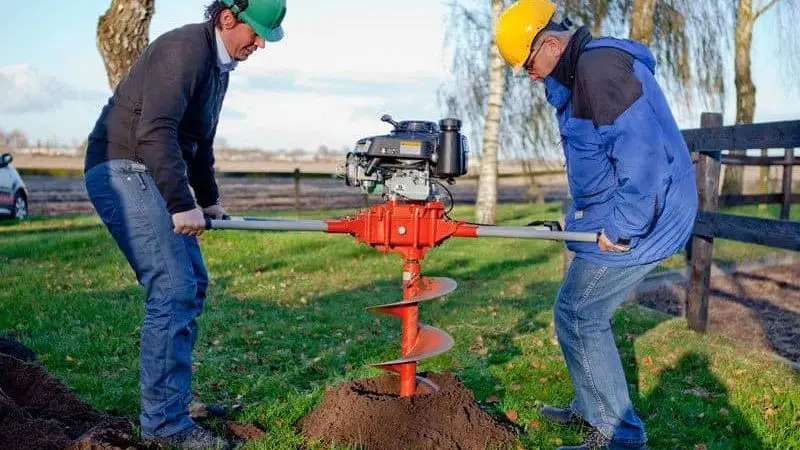
If you have to drill many post holes in hard or compacted ground, a two-person gas-powered auger is a good choice. This is a handy auger for drilling lots of post holes. When the bit encounters obstacles, such as large boulders or thick roots, it is easier to control the equipment, since two individuals can operate the handles simultaneously. This improves the efficiency of the apparatus. The powerful engine can deliver the necessary push when working in larger holes and in rough soil conditions. This fastest tool for digging post holes is ideal for large-scale fencing, farming, and home improvement projects. It is more of a pull-and-keep-up than an electric, but its good performance makes it a feasible option for hard-digging projects.
4. One-Person Gas-Powered Auger
A one-person gas-powered auger is a good compromise between digging force and portability. Its small size allows one man to go from one hole location to another without a second person. Petrol engines also have the power to work tough material, including hard clay and rather rocky dirt. This is the best tool to dig fence post holes, perfect for homeowners, contractors, and landscapers on medium-sized fencing projects. Before using a powerful auger, it is vital to inspect the handle’s weight and shape. This is because using a powerful auger can become exhausting after prolonged use. As long as you take the required precautions and use the appropriate safety equipment, you can significantly reduce the time you spend digging.
5. Electric Post Hole Digger
Homeowners who want a powered digger but don’t want petrol choose electric post hole diggers. Corded units work well in places where outlets are readily available, while battery-powered units offer greater range of motion. They are the easiest tool for digging post holes for domestic use because they emit less noise and less pollution than gas-powered devices. Electric augers are very helpful for excavation tasks, including minor fencing projects and working with soil ranging from relatively soft to rather hard. In addition, they are easier to start and maintain because there is no need to mix the fuel or wait for the engine to warm up. This makes it simpler to start them. It is essential to review the manufacturer’s standards to ensure the model is suitable for the soil conditions in your region.
6. Hydraulic Post Hole Digger
A hydraulic post hole digger is built for heavy-duty digging and is often used with tractors, skid steers, or other appropriate equipment. The hydraulic power delivers significant torque, enabling the auger to handle tough soil and heavier digging projects. This makes it the easiest way to dig post holes for farms, commercial sites, landscaping enterprises, and large fencing projects. A variety of Auger bit sizes are available to suit different post diameters and hole requirements. However, these systems require appropriate hydraulic equipment and are often more expensive than handheld alternatives. For big projects, their power and productivity can make them a good investment.
7. Tractor-Mounted Post Hole Digger
For large-scale fencing, agricultural projects, and commercial land improvements, a tractor-mounted post hole digger is suitable. It attaches to a compatible tractor, allowing it to leverage the tractor’s power and stability to drill multiple holes quickly. It can manage heavy workloads and lowers the physical effort required by the operator. The several auger sizes allow you to choose a hole diameter that matches your fence posts. Usually, for simple residential jobs, these attachments are not required because you need a proper tractor and storage room for them. However, for farms and huge properties, they can be the fastest tool for digging post holes, in terms of speed and output.
Ideal Post Hole Digging Tool for Different Soil Types
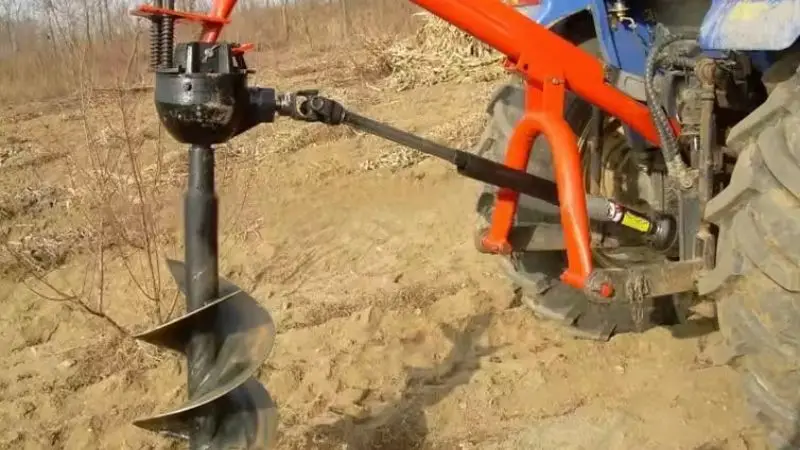
Depending on the type of soil you have, the tool you need to utilise will be determined. Ground that is sandy or loamy behaves differently from thick clay. There is a difference in behaviour. Choosing the best post hole digging tool prevents ground stops and wasted work.
Best Tool for Soft Soil
Sandy loam, garden beds, and recently dug dirt are all soft soils. These conditions make it easy to get tools in. A manual post hole digger is just right for this—the clamshell design will plough through loose dirt with little problem. You insert the blades, squeeze the handles, and pull up the dirt. That takes mere seconds per hole. The best tool for digging post holes, the manual digger works effectively under such conditions. Its steel blades slice cleanly through soft ground. The fibreglass handles are nice to hold. You maintain high usability throughout the project. This tool eliminates the need to rent heavy equipment for a tiny fence with six to eight posts. The Kobalt model is much the same, except that the handle shape is slightly different. Both are among the best post hole diggers for light-duty jobs.
Also, the project source digger you can buy at Lowe’s is a great tool for working with moderately soft soil. This is a low-cost solution suited for handling chores that come up from time to time. You will not have to pay any extra money to receive satisfactory performance. The Craftsman remains the recommended option for soft soil because it offers a good balance between durability and cost. When you use powered equipment, you eliminate all the noise and costs associated with fuelling them.
Best Tool for Clay Soil
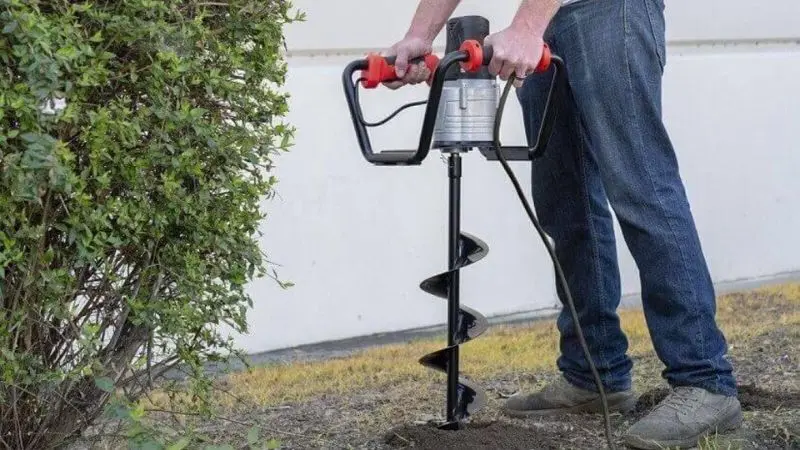
That is another concern with clay soil. Blade entry is blocked by dense, compacted dirt. Manual post hole diggers are useless here. The blades bounce against firm earth. You spend time and energy. This sort of soil requires a powered post-hole digger. Gas-powered augers have the torque to get through clay. The Lowe’s Titan gas auger makes this challenging job easy. Its whirling bit cuts through layers of compacted earth. Powerful grips guide the machine. The engine delivers consistent power throughout the work. The easiest tool for digging post holes will reduce your digging time from minutes to seconds per hole.
An electric post-hole digger will work in clay, but there are some limitations. The VEVOR earth auger has enough power to handle mild clay conditions. You don’t mix fuel and pull the starter cord. It is attractive for medium-scale projects because it is easy to use. But heavy clay with rocks can stop an electric motor. In certain instances, gas power is best. The perfect post hole digger for clay soil depends on the size of your project. If you need a whole fence line with plenty of holes, gas augers are the best value for the money. You get the job done in a day instead of forays—at less cost—with a few replacement posts and an electric variant with enough power. Be sure to consider your soil conditions carefully before buying.
Conclusion
Now you know the post hole digging tool for your fence job. Easy job. The CRAFTSMAN manual post hole digger and Kobalt outfit. Nu Boston or Seymour makes tough soil easy to handle. Gas augers can handle big jobs. VEVOR electric post hole digger is the finest value for the money. This motorised post hole digger has a variety of uses. Still, your essential criteria are soil type, project size, and budget. What’s best overall depends on your scenario. The post hole digger that’s perfect for you fits your demands. For 4×4 posts, use an 8″ auger. Prices at Lowe’s or Hoover Fence Co. Choose the right post hole digger.
FAQ
How many holes can I dig with a manual post hole digger?
You can comfortably dig six to eight holes with a manual digger before fatigue sets in. Your soil type matters too. Soft ground allows more holes. Hard clay wears you out faster. For larger projects, consider a powered option instead.
What size auger do I need for standard fence posts?
You need an 8-inch auger for 4×4 posts. This size gives you enough room to set the post and add concrete around it. A smaller bit makes the hole too tight. A larger bit creates unnecessary work.
Can I use an electric auger in wet soil?
Yes, you can use an electric auger in wet soil. The motor handles damp ground well. However, extremely muddy conditions can cause the bit to stick. You should clear excess water from the hole before digging deeper.
How do I maintain my post hole digger after each use?
Clean the blades thoroughly after each use. Remove all dirt and moisture. Apply a light coat of oil to prevent rust. Check the handles for cracks or loose connections. Store the tool in a dry place. This routine extends the life of your equipment.
Should I rent or buy a powered auger for my fence project?
Consider your project size first. Renting makes sense for one-time jobs with many holes. Buying works better if you plan multiple projects. Compare rental costs against purchase prices. Factor in future maintenance and storage needs. Your budget and long-term plans determine the best choice.