When selecting a post hole digger, it is important to take into consideration the type of soil that you will be digging in, the number of holes that you will need to dig, the depth and width of the holes that you will need to dig, and the amount of area that you have available to work in. Hand augers are inexpensive and simple to store, but electric and gas augers can handle more extensive tasks more efficiently. You will be able to select the appropriate equipment to meet your requirements once you have gained an understanding of the many types of equipment and the functions each piece performs.
In this article, we will look at the wide variety of post-hole diggers and how they are generally used. You will discover how soil type, hole size, project size, and available workspace influence your selection. We’ll also talk about which equipment to choose for fast, practical digging.
Table of Contents
Types of Post-Hole Diggers
The best post-hole digger for hard soil are available in many different designs, from simple hand tools to large motorized machines. Varying types have varying levels of digging power, control, and convenience. Learning how each choice works helps you choose the right one for your soil and project size.
Recommended For Your Project
Manual Clamshell Post-Hole Diggers
Manual clamshell best post-hole digger makes holes in the soil that are narrow—dual-handled diggers mounted on the bottom. Push the blades into the dirt and close the handles to lift the soil. They want it soft or semi-firm. They are great for fence repairs, mailbox posts, garden building, and other low-hole operations. Manual diggers are cheap, easy to maintain, and don’t need gas or batteries. Their chief disadvantage is exercise. No digging, no clay, no boulders, no thick roots. But because they’re simple and cheap, they’re good for minor applications.
Manual Post-Hole Augers
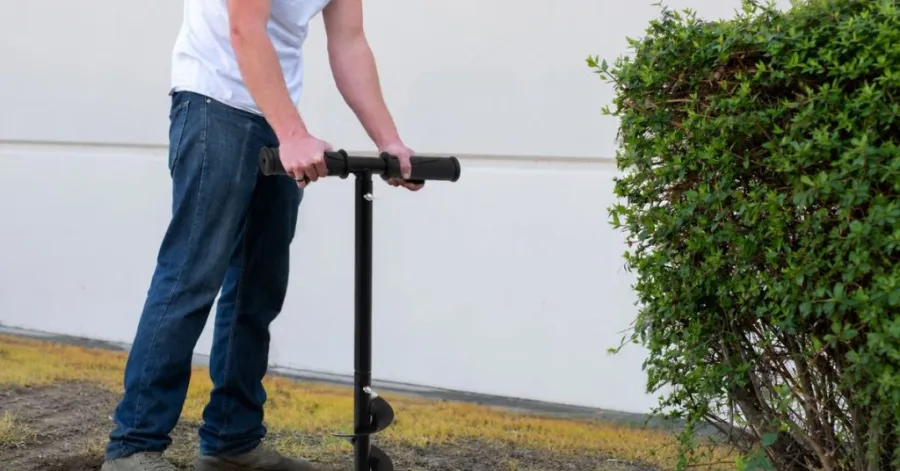
How to use a post-hole digger? Manual augers are spiral metal blades that are turned into the earth. Instead of scooping between two blades, you spin a handle to cut and lift dirt. Traditional digging tools are probably better at making holes than manual augers. Good for planting, fence posts, and small- or medium-depth holes in soft ground. They are easy to carry and easy to store. It is hard work to turn an auger in hard ground. Rocks or dense roots can slow or obstruct blade rotation.
Electric Post-Hole Augers
How does a post-hole digger work? The bit on the electric post-hole auger spins. More powerful than hand tools and quieter than gas-powered equipment. These augers are suitable for installing medium-sized fences, landscaping, and gardening. They are of use where power is available. An extension cord or power supply can limit mobility in corded models. Battery versions are more portable but require more electricity and take longer to charge. Electric augers are great for homeowners who require power for digging but don’t want to use a gasoline engine.
Gas-Powered Post-Hole Diggers
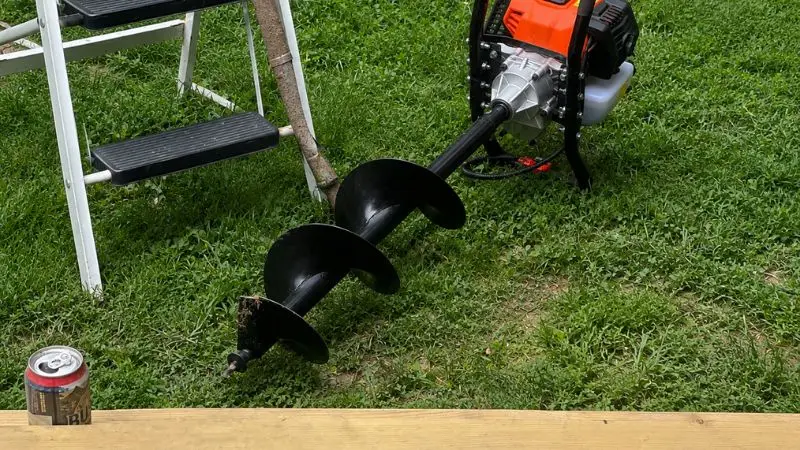
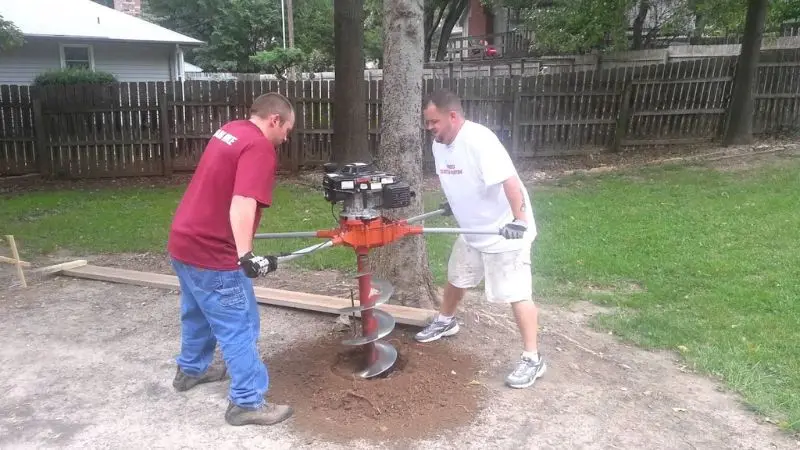
Gas-powered best post-hole digger for rocky ground are for difficult terrain and jobs. The auger drill is powered by a powerful motor that can go through compacted soil, clay, and roots more quickly than hand equipment. They are used in agriculture, landscaping, home projects, and large fence construction. Gas-powered augers can drill dozens of deep holes quickly. These machines are heavier, noisier, and harder to maintain than manual or electric machines. They pollute and use gas. Use of protective equipment and adherence to manufacturer directions are required.
One-Person and Two-Person Augers
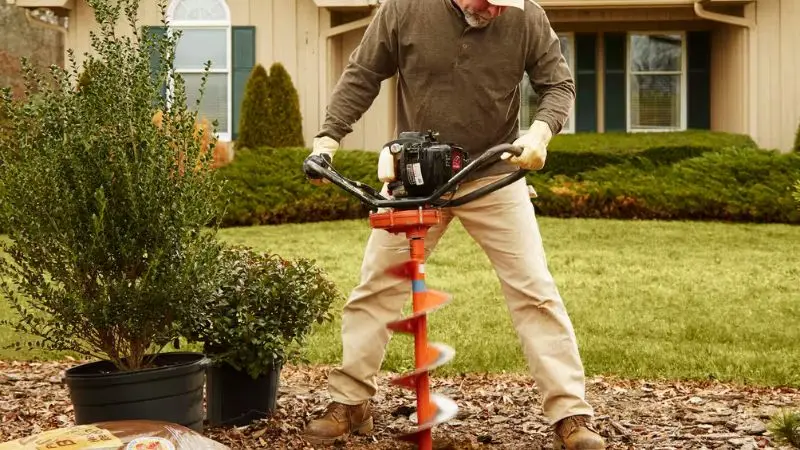
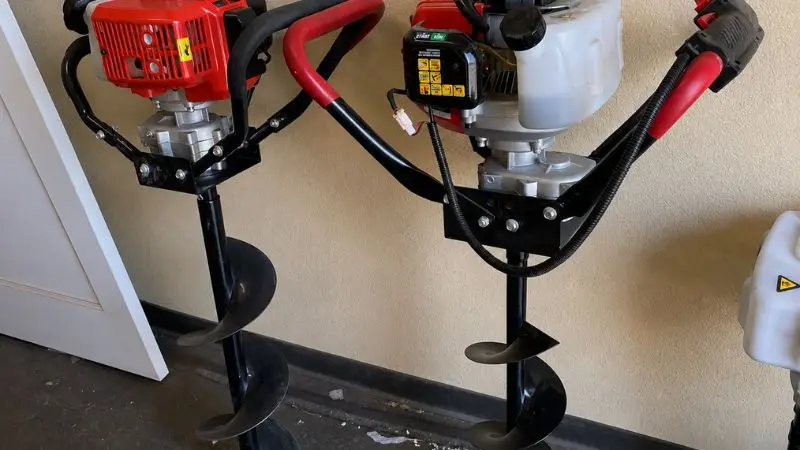
The number of workers required to operate powered augers is used for categorization. One-person models are more compact and easier to maneuver around the house. The two-person auger is for the bigger, tougher jobs. How to dig a post hole? The auger has handles that allow two operators to operate the device and alter forces when it strikes hard soil or an obstacle. For occasional household jobs, you might find a one-person model easier to use. A two-person machine may provide increased control and stability for long-term labor in tough terrain.
What Is a Post-Hole Digger Used For?
The best post-hole digger for fence posts are good for a lot more than putting regular fence posts. The narrow digging action lets you dig deep holes and disturb less soil around them. The optimal use depends on the tool type, hole diameter, and ground condition.
Installing Fence Posts
The best post-hole digger is typically used for building fences. A good little hole lets the post stand solid and stirs up as little dirt as possible. Manual soft-soil fence work is done with small clamshell diggers. Powered augers can handle longer fence lines faster. Mark the placement of posts and check for any subsurface services before you start digging. The depth and diameter of the hole will depend on the fence design, post specs, soil conditions, and municipal limitations.
Planting Trees and Large Plants
The best post-hole digger for fence posts are very handy for digging holes for trees, shrubs, and large plants. An auger can rapidly loosen soil and make a consistent hole. But don’t just make a tiny hole that matches the auger diameter. Most trees and large plants need ample room for their root systems and proper soil preparation. Follow the planting criteria for the specific species and avoid damage to existing underground utilities. Smaller plants can be done with manual augers, but powered equipment will save time when preparing many planting areas.
Building Decks and Outdoor Structures
Some outdoor structures require more than one support post. The best post-hole digger for hard soil may be used to prepare areas for structural supports, depending on the project’s design and the local building code requirements. General digging standards are not to be relied upon for projects such as decks, pergolas, or larger buildings. Follow the appropriate building code, technical standards, frost depth requirements, and foundation specifications. If you need to dig several holes, a powered auger might save time during excavation.
Agricultural and Landscaping Work
How to use a post-hole digger? Farmers, landscapers, and property owners use post hole diggers for many repetitive digging tasks. This includes building livestock fencing, planting rows of trees, setting support posts, and digging holes for landscape features. On larger properties, gas-powered augers are frequently a better choice, since they can repeatedly dig holes much more efficiently than hand tools.
How to Choose the Right Post-Hole Digger
The first step in choosing the right equipment is determining what the project actually requires. Which tool makes sense depends on your project size, physical workload, hole dimensions, and your soil. Here are some things to consider before you buy or rent the best post-hole digger for rocky ground.
Consider Your Soil Type
How does a post-hole digger work? The first thing to examine is the soil conditions. In general, soft, loose soil is easiest to work with a hand tool. Clay is compact, will require more energy, and may be better suited to a powered auger. Rocky soil is another thing, because an auger can hit buried stones, making it hard to handle. If the earth has roots, you may need special cutting blades or other instruments to dig. If you are uncertain about your soil, sample multiple places in the project rather than just one to determine the conditions.
Determine the Number of Holes
How many holes you need to dig can make a manual or powered tool more viable. For less than 10 holes in fairly soft soil, a manual best post-hole digger for fence posts may work. If you have to install dozens of fence posts, using a driven auger can save a lot of time and effort. Instead of just looking at the time it takes to dig one hole, look at the whole effort. A cheap-looking tool can become inefficient if used frequently on a large project.
Check the Required Hole Depth
How to dig a post hole? Another important factor is the depth of the hole. Fence posts, trees, signs, and structural supports might need different depths. As a general rule of thumb, you should bury about one-third the length of the post, although actual demands depend on fence design, kind of post, soil and frost conditions, and regulatory requirements. Always check manufacturer or project specs before digging. You might also mark the target depth directly on the auger or digging equipment to help you maintain uniformity.
Choose the Correct Hole Diameter
The auger diameter should be appropriate for the project’s requirements. If the hole is too small, there may be insufficient room for the post and its footing material. A hole that is too wide may require additional time and materials for excavation. The size of the auger should not determine the size of the hole, but rather the plant’s root system and the recommended planting method. Before you buy a powered machine, check the available auger bit sizes so you can choose a model that will fit the holes you need to drill.
Compare Manual and Powered Options
Manual diggers are inexpensive, lightweight, and simple to maintain. They are great for minor jobs and soft soil. Electric augers provide you with extra power without the gas engine’s fuel or emissions. They are good for medium-sized residential projects. Of these usual choices, gas-powered augers offer the most digging power. They are the best post-hole diggers for large projects, compacted soil, and repeated use. The best machine is not necessarily the most powerful machine. Select the most basic implement that can easily handle your workload and soil conditions.
Consider Weight and Maneuverability
The best post-hole digger for rocky ground can be time-saving yet heavy and difficult to use. Consider how far the equipment must be hauled and whether there are limited paths, slopes, landscaping, or other obstructions in the work area. If you work from home, a smaller machine may be more manageable. Larger machines could be excellent for open areas for commercial or agricultural jobs. Always follow the manufacturer’s operating instructions and the recommended number of persons to operate the equipment.
Look at Maintenance Requirements
Maintenance can make a difference to the long-term cost of the best post-hole digger for hard soil. Manual instruments need relatively little attention beyond cleaning, drying, sharpening and occasional lubrication. Electric models typically require less engine maintenance but may require checking electrical components or battery care. Gas-powered devices require regular engine maintenance, including fuel system maintenance, oil changes, air filter maintenance, and other services required by the manufacturer.
Conclusion
A post-hole digger is a big help with outdoor jobs like fence building, gardening, planting, and more. The choice depends on the soil type, the number, depth, and width of the holes, and the available working space. Clamshell diggers and augers are good for small operations and soft soil. Electric augers offer a convenient, powered option for medium-sized jobs around the house, while gas-powered augers provide extra power for big jobs and difficult soils. When buying a tool, consider the overall project, not just the price or engine power. Check the required hole dimensions. Assess the situation on the ground.
FAQ
How deep should you dig holes for fence posts?
You should dig your hole to a depth equal to one-third of your post’s length. A classic post-hole digger makes it easy to reach this depth. You also keep your fence steady during strong winds.
Is a power digger better for hard soil?
You break through tough soil much faster with a motorized auger. These heavy-duty tools spare your arms and back from hard strain. Simple hand diggers work great for smaller jobs in soft garden earth.
How do you stay safe while digging in your yard?
You must wear safety glasses and thick work gloves before you clear any dirt. Always call your local utility company to mark buried pipes first. You prevent sudden accidents by keeping a firm grip on your machine.