Have you ever been halfway through a DIY project. Either a major game when the lights abruptly flicker and go out? In 2026, a portable power station went from being a luxury gadget to a household essential due to the depressing sense of disconnection. You need a silent, fume-free buddy that supplies juice on demand, whether you’re setting up the perfect off-grid campground or fighting a blackout caused by a storm.
Therefore, a 300W backup lithium battery is a game-changer for keeping your necessities alive if you’re searching for a small yet powerful start. To ensure that you are never left in the dark again, let’s make sure you choose the best beast for the job.
What is a portable power station?
Consider this to be an advanced version of the traditional battery bank. You may safely store it next to your bed or inside your tent without worrying about fumes. As it is a quiet, clean substitute for gas-guzzling generators.
How a portable power station works
These systems combine high-density battery cells with a compact, durable frame. An internal brain; the inverter manages the flow, transforming DC energy into the AC power your equipment and appliances require.
Furthermore, it’s essentially a silent fuel tank for your power that recharges via the sun, a wall socket, or even your car’s 12V plug. By storing energy for later, it produces a constant current that will not vary and damage your delicate equipment.
Key features to look for before buying
The best portable power station can be found by examining past its plastic exterior. When the world is silent, you should pay attention to the internal specifications that decide whether your phone stays charged or your refrigerator stays cold.
Battery capacity in watt-hours
The unit’s total energy size is expressed in watt-hours (Wh). This can be compared to the capacity of your gas tank. A longer runtime for your equipment is indicated by a higher Wh rating.
Finding a Vevor portable power station is a great power source. According to many experts, because they strike a balance between enormous capacity and real-world efficiency. It prevents you from losing all of your power to heat.
Output wattage and surge power
This is the “muscle” of the machine. If you require a portable power station 1000w, make sure it can withstand the initial “surge” or “kick” required to start powerful motors such as a refrigerator compressor or a power drill.
For individuals who run entire families, a giant 3600W solar generator offers the power required to run many large appliances at the same time.
Number and type of outlets
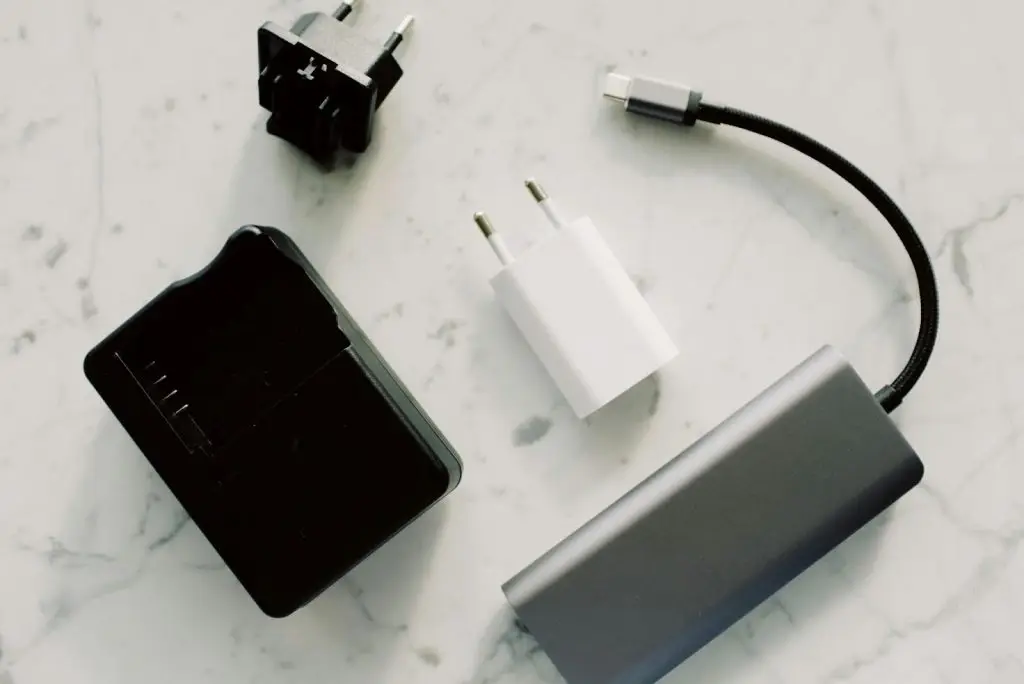
To manage anything from an outdated coffee machine to a contemporary USB-C laptop, you need to be adaptable. Choose a device that has a good combination of USB-A, high-speed USB-C PD ports, and AC plugs.
If your unit is hidden in a corner, you can make your setup much more orderly by using an extension cord reel to distribute the power precisely where you need it around the area.
Charging speed
Nobody in 2026 has the time to wait 12 hours for a battery to charge. Look for a device that offers fast-charging technology; the finest models can charge from 0% to 80% in less than 1.5 hours using a conventional wall outlet. This quick turnaround is crucial when you’re preparing for a storm on short notice or filling up between stops on a road trip.
Weight and portability
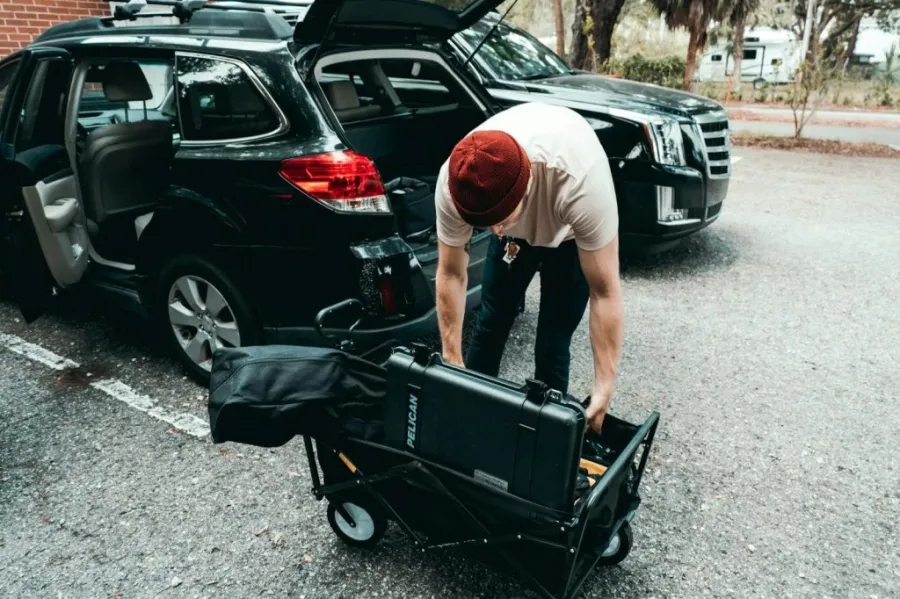
Portability is all about power-to-weight ratio. A modest camping unit should weigh less than 15 pounds, but if you’re purchasing a high-capacity portable power station for home backup, expect it to weigh more. For units weighing more than 40 pounds, look for solid, ergonomic handles or even built-in wheels and telescoping luggage-style handles to transport your power without straining your back.
Safety protections
A Battery Management System (BMS) is a feature of top-tier units. This technology serves as a digital guardian, guarding against overvoltage, short circuits, and overheating. It protects your pricey equipment from “dirty” power. For delicate equipment like CPAP machines or expensive gaming computers, a premium Vevor portable power station is your best option.
How to choose the right size for your needs

Sizing is the “goldilocks” step in the process; you don’t want to run out of charge at midnight, but you also don’t want to pay for and transport a battery that’s too hefty for your needs.
Powering small electronics
For the minimalist who just wants to stay connected, a smaller device is perfect for recharging phones, drones, and tablets. To complete your package, you can pair a small device with collapsible battery-powered lanterns, which can be folded up to save space in the trunk.
Running home essentials during outages
Most suburban homes benefit from a mid-sized Vevor portable power station as their finest power backup solution. It can power the Wi-Fi network, some LED lights, and the refrigerator for several hours. It’s the distinction between a modest “candlelight dinner” inconvenience and a complete calamity in which all of your groceries rot.
Camping and outdoor use
A device with both capacity and weather resistance is ideal when out in the bush, between 500 and 700 watts. For a weekend, the majority of campers can get by with a Wh unit, which can provide enough electricity for a 12V cooler, phone charging, and a couple of nights of string lights to maintain the atmosphere around the campfire.
For people who choose comfort over carrying around a big, hefty device, this is the ideal size for the best portable power station.
Emergency backup situations
For long-term survival or off-grid life, consider a full 600W solar and wind power kit. Having a portable power station with solar panel support ensures that you can generate your own electricity endlessly. This is the gold standard for off-grid cabins, rural disaster preparedness, or anyone seeking complete energy independence.
Charging options to consider
- AC Wall Outlet: This is the fastest choice. When plugged into a typical home outlet, most current units can charge from zero to 80% in approximately 90 minutes.
- Solar charging is your lifeline when the grid is down for days. Using a portable power station with solar panel arrays, you can harvest free energy from the sun when off-grid.
- Car Charging: For road trips, simply plug into your vehicle’s 12V cigarette lighter outlet. It is slower than a power outlet, but it keeps the device charged while you drive to your next location.
- Wind Power: For people living in windy places, a 1000W solar and wind kit provides an additional means to charge when the sun goes down, making it a real 24/7 power solution.
Common mistakes to avoid
- Ignoring “Phantom” Power Draw: You can minimize power being sapped from your batteries by turning both the AC and DC buttons off, because the internal inverter will not be drawing any power. This will also keep your batteries from being drained overnight, as the inverter will not be drawing power if the buttons are off.
- Overestimating Runtime: Before you make any expectations, keep in mind that you will not be achieving 100% efficiency with the system. You will lose some energy in the conversion process, and typically, you will carry out roughly 85% of the quoted Wh.
- Purchasing the Wrong Battery Type: It may be tempting to buy the cheaper Lead-Acid batteries because of the up-front costs, but considering how quickly they die and how massive they are, they will cost you much more in the long run. If you want to have thousands more charge cycles, invest in Lithium-Ion or preferably, LiFePO4 batteries.
- Forgetting to Test: Before waiting for a blackout to unbox and test your gear, make sure to do that as soon as you get your portable power station. On the first day of receiving it, plug it near your refrigerator or medical device so that you can test it.
Maintenance and storage tips
- The 20/80 Rule: It is recommended that for long-term storage, the battery only be charged at any given time to between 20% and 80%. This rule is in place to prevent long-lasting damage to the battery cells, as keeping the battery at 100% or 0% for long periods will damage the cells.
- Extreme heat can quickly deplete the battery life of the batteries, so avoid high temperatures and damp areas to keep the batteries from dying.
- Keep Checks to every once in a while. Set a reminder every three months to make sure to check the charge level and to make sure to recharge it if it goes below 50%. After doing that, it is also important to get the battery unit out of storage.
- Cleaning the Vents: Dust can choke cooling fans. Use a can of compressed air to keep the vents free, preventing the machine from overheating during hot summer days.
FAQs
How long will a portable power station last?
Most current systems powered by LiFePO4 batteries are rated for over 3,000 cycles. If you used it every day, it would still last nearly a decade. Most households will find that these units survive longer than the items they charge.
Can it run a refrigerator?
Yes, but you’ll need a unit with a high continuous wattage. A portable power station 1000w or larger is normally required for a full-size refrigerator. Always verify your fridge’s “starting watts” before plugging it in.
Is it safe to use indoors?
Yes! Because there are no engines or fuel, there is no risk of carbon monoxide. You can safely keep it on your nightstand or under your desk. It’s the most secure approach to offer backup power to your home.
Do portable power stations replace generators?
Although they are preferable for interior use, electronics, and silent operation, traditional gas generators continue to be the preferred choice for high-draw construction tools or powering full HVAC systems. A portable power station with a solar panel is a more environmentally friendly, fuel-free, and quieter option for most household backup and camping needs.
Conclusion
With the right portable power station, the next time the lights flicker, you won’t be left in the dark. By aligning your power station with your prepper lifestyle, you can transform from a worried bystander to the guy with a plan.
When it comes to powering your home or your hideout, the right battery set up is critical. Be prepared, be charged, and be bright for whatever happens with the power grid in 2026.