Safety is the most important thing when you use fuel. You and the area around you will be safe if you choose the right portable gasoline container. Improper fuel storage or using the wrong container can lead to leaks, spills, or fires. You need to store and manage fuel, and a good fuel container will keep you safe, thereby reducing the chances of collisions. A fuel control system that minimises damage and waste also translates into cost savings. If you need to store fuel for your vehicle, tools, or emergency supplies, then buying a good-quality approved container can make things safer, easier, and better for the environment.
Table of Contents
Types of Fuel Containers
There are many types of portable fuel tanks to pick from. Each one is made to do a certain job. Being aware of the different kinds helps you choose the best one for your needs.
Gasoline Fuel Containers
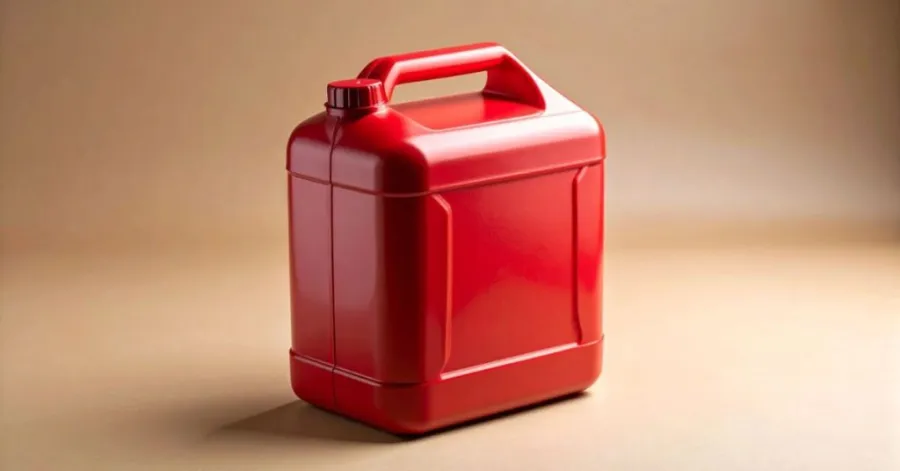
Choosing the best portable fuel container for gasoline helps you store fuel safely. Most individuals use jerry cans for gas. They are powerful and easy to manage. These jerrycans have watertight tops. Red jerry cans are for petrol. They can be purchased in hardware shops. They guard your gas. Never use a container not suitable for gasoline.
Recommended For Your Project
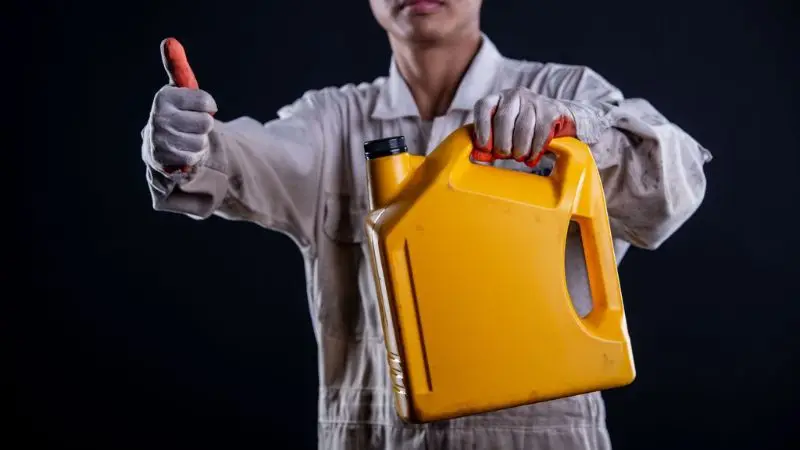
Diesel Fuel Containers
Diesel fuel must be stored in its own individual tank. Green jerry cans are used for diesel fuel. You may avoid mixing petrol and diesel fuel by doing this. Jerrycans made of diesel are more durable. Perfect for laborious tasks. You may use diesel jerrycans for petrol rather frequently if you are the driver of a truck or tractor. Label your portable fuel container to avoid mixing up your fuels.
Kerosene Fuel Containers
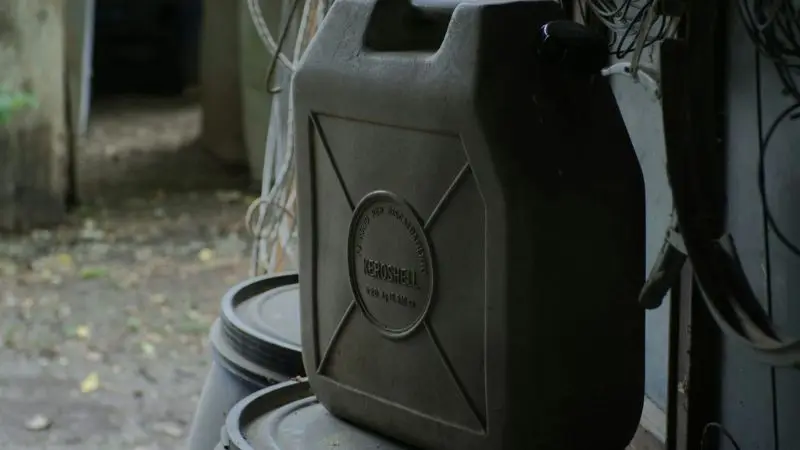
Kerosene is not gas, and kerosene is not diesel. Kerosene in a blue container. These jerry cans safely contain kerosene and prevent spillage. Gas kerosene jerry cans are ideal for lighting and heaters. Use no other container than a kerosene container. Don’t use a gasoline jerry can for kerosene.
Multi-Purpose Fuel Containers
Some containers are compatible with more than one fuel type. Multi-purpose jerry cans can be used for storing gasoline, diesel, or kerosene. They are robust and easy-to-carry jerrycans. A portable fuel container for camping and emergencies is useful for outdoor activities and unexpected situations. Select a portable gasoline bottle with easy-to-read labels. This will enable you to know what fuel it contains.
| Container Type | Color | Common Use | Special Feature |
| Gasoline Jerry Can | Red | Gasoline | Approved for gasoline |
| Diesel Jerry Can | Yellow | Diesel | Thick walls |
| Kerosene Jerry Can | Blue | Kerosene | Spill-proof design |
| Multi-Purpose Jerry Can | Varies | Gas, Diesel, Kerosene | Versatile, portable |
How to Choose the Best Portable Fuel Container
Select the Right Capacity
When selecting the best portable fuel container for gasoline, start with the capacity. Consider how much gas you have to transport. If you use gas, a small jerry can is good for the mowers. You may need a larger jerry can for a boat or generator. Most jerry cans for gas range in size from 1 to 5 gallons. Choose the proper jerry can for your needs! Too big and it gets heavy. Too small, you burn fuel too quickly. Make sure your jerry can is approved for gasoline before you fill it.
Choose Durable Materials
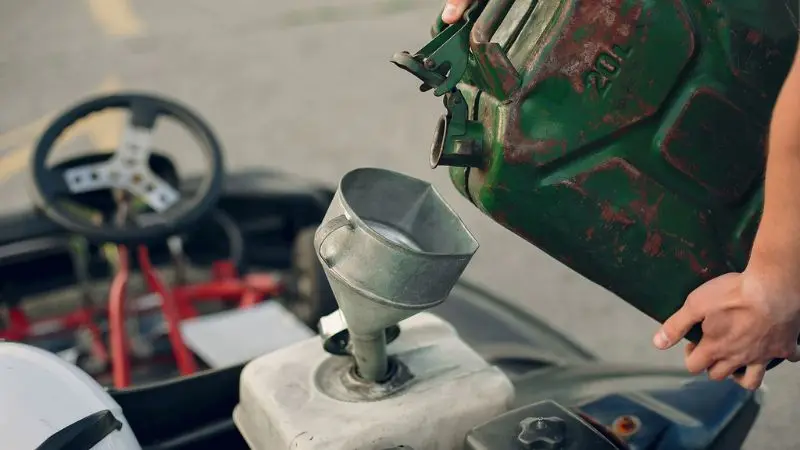
You want your fuel storage tank to last. Look for jerry cans of heavy plastic or metal. A good jerry can will take dips and bumps. Gas cans are made of hard metal, although plastic cans are lighter. If permitted for gasoline, both will operate okay. Strong materials help ensure your gas is safe and prevent leaks.
Look for Leak-Proof Designs
A leak can mean tremendous trouble. Always use a leak-proof jerry can for fuel. Check if the lid and seams are tight. Many gas jerrycans are designed specifically to prevent leaks. This way, the fuel stays inside even if you tip the jerry can over. You don’t want the gas spilling in your car or garage. A leakproof fuel jerrycan provides you with peace of mind.
Check Safety Features
Safety is key whenever you use a fuel storage container. Look for safety measures, such as kid locks and flame arrestors. Some gas jerry cans are vented to prevent pressure build-up. These safety features serve to prevent accidents. Always use a gasoline can designed for gasoline and equipped with the proper safety features.
Consider Easy Pouring Spouts
Pouring gas should be easy. Look for a portable fuel container with spill proof spout that allows smooth and controlled fuel transfer. Some gas Jerry cans have flexible spouts. Others have spill-proof nozzles. Less mess, more control with easy pouring. The correct jerry can will make fuel transfer safe and quick.
You will have a portable gasoline container with the proper capacity, made from strong, leak-proof materials, and equipped with good safety features to make your life easier. Choose the correct jerry can for your fuel and you’ll get superior portability and safety every time you use it.
Key Features to Look for in a Portable Fuel Tank
Spill-Resistant Nozzle
You want your gas in the right place. A portable fuel container with spill proof spout helps you pour gas without making a mess and reduces the risk of spills. This device prevents gas from splashing out or running down the side of your jerry can. Gas in jerry cans with spill-resistant nozzles reduces the risk of spills. It keeps your hands, your automobile, and your work environment clean.
Child-Resistant Cap
Child safety caps are essential for any jerry can. Kids are curious, and you don’t want them to open a gas-filled jerry can. It has a child-safety cap so young hands can’t twist the lid. This provides another layer of safety to your gasoline storage. Many jerry cans for gas include safety closures to prevent access by children. Always check for this feature before buying the best portable fuel container for gasoline. This is one of the most crucial safety features you may have.
Venting System
A decent venting system allows air in and out of your jerry can. This helps you pour gas out nicely. Without a vent, the gas will glug and splash. The venting method also ensures that pressure doesn’t build up within your jerry can. This is necessary for safety reasons. Some gas jerry cans contain a button or small valve for venting. Look for this characteristic when choosing an approved portable fuel storage container with reliable safety features.
Comfortable Carry Handle
You will need to transfer your jerry can. Easy with a comfy carry handle. Look for a jerry can with a handle that fits in your hand. That allows you to carry gas without losing the jerry can. A good handle lets you pour fuel more controllably. Most gas jerry cans come with sturdy handles that make them easy to carry.
UV and Weather Resistance
Your jerry can might sit outside in the sun or rain. UV and weather protection make your jerry can sturdy. Sunlight can weaken plastic, but UV-resistant jerry cans are still durable. Water resistance safeguards your jerry can from cracks and leaks. That keeps your gas secure inside the jerry can. Look for these elements to help your portable gasoline container last longer.
How to Use a Portable Fuel Container Safely
Fill the container properly
Learning how to safely store fuel in a portable container starts with proper filling and handling. Begin by placing your gasoline storage container on the ground. Avoid static electricity. Never fill a jerry can inside your automobile or truck bed. Unscrew the cap slowly to release any pressure. Hold the nozzle close to the aperture. Fill the jerry can only up to the fill line. Allow the gas to expand a little. Always tighten the cap securely to avoid leaks.
Transport Fuel Safely
If you’re moving your fuel, keep the jerry can upright. Secure it in your trunk or truck bed so it won’t tip over. Never keep a portable fuel bottle in direct sunlight. If you are carrying gasoline, keep the windows cracked for ventilation. Don’t use your phone or smoke near the jerry can. Before driving, wipe up any spilled gas.
Prevent Fuel Spills
Spills might start a fire or ruin your vehicle. Always use a portable fuel container with spill proof spout to reduce spills and make fuel transfer safer. Fill carefully and leave the nozzle where it is. If you see a spill, stop and clean it immediately. Do not overfill your fuel storage container. Before using your jerry can, check it for fractures or damage.
Keep Away from Heat and Flames
Gas and fire do not go together. Keep your jerry can away from heaters, stoves, or any source of flame. Never keep your fuel container near a barbecue or campfire. A little spark can start a fire. Store your jerry can in a dry and cold place.
Follow Local Fuel Safety Rules
Each area has its own standards on fuel safety. Check local or state rules before storing or moving gas. Some areas limit how much fuel you can store. Always use an approved portable fuel storage container that meets safety requirements. Follow all jerry can safety rules to keep yourself and others safe. If you have questions, contact your local fire department
How to Store a Portable Fuel Tank
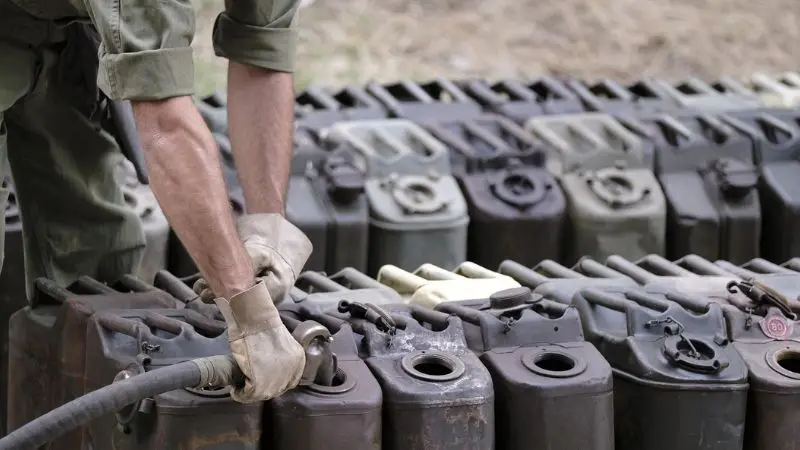
Best Storage Locations
You want to maintain your portable fuel container in a cool, dry place. For most folks, a shed or garage will do. Pick a location that is not at your home or any place where people live. Do not store gas near a water heater, furnace, or any other heat-producing appliance. If you have youngsters or pets, store your safe gas storage container on a high shelf or in a locked cabinet.
Proper Temperature Conditions
Heat does not like gas. Store your fuel storage container in a place with a constant temperature. Hot locations can cause gas to expand and build up pressure. This can result in leaks or even fire. Cold areas are a step better, but don’t let your gas freeze [sic]. Store your safe gas bottle in an area between 50 and 80 degrees Fahrenheit. If you live in a hot climate, check your gas regularly and relocate it as necessary.
Keep Containers Clearly Labeled
You don’t want your gas to get mixed with other liquids. Label each fuel storage container with a large, legible label. Using an approved portable fuel storage container with clear labeling helps you know what gasoline is in the container and avoid mistakes. Write the type of gas and the date it was filled. This helps you remember when to use or swap out your gas. Labels also assist in an emergency gasoline storage situation. That way, first responders can see what’s inside and handle things safely.
| Label Example | Contents | Date Filled |
| GASOLINE | Gas | 06/2024 |
| DIESEL | Gas | 06/2024 |
Inspect for Damage Regularly
You must check your fuel storage tank at least once a month. Check for cracks, dents, or leaks. Smell around the lid or spout for gas. If you see any damage, cease using that container immediately. Get a new one. Here’s one of the finest tips for storing gas safely. A fire or a leak may result from a damaged container. Always keep gas in a safe storage container that looks and works like new.
Conclusion
Now you know how to select the best portable fuel container, use it safely, and store it. Make sure you always pay attention to the important safety warnings and inspect your containers for any cracks, leaks, or other damage before you use them. The petrol storage system that is currently in existence should be evaluated, and any containers that are either out of date or not permitted should be replaced with containers that are trustworthy. With the right container, you can keep your fuel safe and help prevent unnecessary risk. Fuel should be stored and handled properly to ensure its availability and a safer environment for you and others.
FAQ’s
How long can you keep fuel in a portable container?
You can store gasoline for up to 6 months in the best portable fuel container for gasoline. Diesel lasts around a year. Keep your container sealed and chilled at all times. Check fuel before use. If it smells terrible or looks foggy, change it.
Can I use the same bottle for different fuels?
No, you should not. Use a different container for each type of gasoline. Label it well. Mixing fuels can harm engines and be a safety hazard. Use the following color codes: red for petrol, yellow for diesel, and blue for kerosene.
What to do if your container leaks?
Stop using it now. 6. Store the container in a safe, well-ventilated area. Wipe up any spilled fuel. Substitute the container for a new approved container;
Are portable gasoline containers safe for storage in your car?
A portable fuel container for camping and emergencies can be useful for backup fuel needs. Store upright and away from direct sunlight. Don’t keep it in a hot car for long durations.
- Fasten the container
- Blasting your auto
- Inspect for leaks