A portable freezer is a self-contained cooling unit designed to keep items frozen without needing a wall outlet. Whether you’re heading out on road trips, camping, boating, or tailgating, this versatile device offers true off-grid convenience. There are two main types to consider: compressors and thermoelectric devices. Compressor models deliver powerful, consistent freezing performance, while thermoelectric units are more budget-friendly but provide gentler cooling.
This device gives you complete refrigeration freedom, allowing you to take reliable freezing power anywhere your adventures lead. The best portable freezer for camping works similarly but focuses on keeping items cold rather than frozen, so understanding the difference helps you choose the right solution for your needs. Your power source is another key factor—some units run on 12V car outlets, while others are compatible with solar panels or portable battery packs. For serious adventurers who demand dependable freezing in remote locations, a portable freezer is an essential companion that never lets you down.
Table of Contents
- Portable Freezer: Complete Guide for Travel and Camping
- How Does a Portable Freezer Work?
- What Temperature Does a Portable Freezer Reach?
- Portable Freezer vs. Portable Refrigerator: What Is the Difference?
- How Much Power Does a Portable Freezer Use?
- How Long Can a Portable Freezer Stay Cold Without Power?
- How to Use a Portable Freezer: A Complete Guide
- FAQ
Portable Freezer: Complete Guide for Travel and Camping

A portable freezer is a small, self-contained freezer that can be used without requiring a permanent power connection. It can be brought by car, by boat, or to a campsite. Unlike a regular home freezer, this device works on its own. It can employ a compressor system or a thermoelectric module to remove heat from the insulated inside. The outcome is a reliable way to keep frozen food, ice cream, or cold medicines on the go.
Recommended For Your Project
Portable Freezer Design Features
Easy to move and tough design. Rugged exterior, secure latches, and good insulation are typically found in most units. There are models available ranging from small coolers (12 quarts) to large coolers (80 quarts). There are lots of those with electronic temperature controls, so you can set the ideal temperature. There are even models with dual-zone compartments that can freeze food on one side and store drinks on the other. Perhaps you ask yourself: what’s the difference between portable refrigerators? The best portable freezer for camping will maintain the temperature inside the unit between 32°F and 50°F. It preserves perishable foods, but does not freeze them. A portable freezer, on the other hand, can keep the temperature much lower than 32°F. This distinction is important if you’re using any of the following to travel long distances or to store them for an extended period: raw meat, frozen food, or ice.
Portable Freezer vs Fridge
Consider it your regular cooler replacement. It allows you to keep food like produce and beverages cold, and food like sandwiches cold. A portable freezer is meant for a different purpose. It maintains solid frozen foods. Some hybrid models have both functions in a single unit for flexibility. The power source also powers these devices. Most of the best portable freezers for RVs operate on the 12V DC power source in a car. They can also be compatible with portable battery packs or solar panels. Such versatility makes them ideal for off-grid adventures. A portable freezer fits your needs whether you’re camping for a weekend or staying on a boat for several months. In simple words, it is convenient to use a freezer like the one you have at home anywhere. It provides freedom, reliability and peace of mind. Say goodbye to ice bags or cooler problems. A portable freezer will provide you with a consistent and reliable freezing experience, no matter where you go.
How Does a Portable Freezer Work?

A portable freezer removes heat from the insulated unit in which it is housed, preventing food from melting. There are two predominant ways to do this: compression and thermoelectric cooling. A mechanical compressor powers compression units. In a thermoelectric unit, the heat pump is solid-state. The type of compressor is examined in this guide. It provides actual power for your trips!
How Does a Compressor Portable Freezer Work?
A compressor portable freezer is similar to the freezer in your kitchen. How does the best portable freezer work for road trips? The system consists of four major components: compressor, condenser coil, expansion valve and evaporator coil. These parts are part of a continuous loop through which refrigerant flows. The refrigerant gas is compressed in the compressor. This makes it hotter than it would be otherwise. The hot gas is circulating through the condenser coil. Heat is released to the outside air. The refrigerant will be cooled and liquefied. Next, the liquid refrigerant goes through the expansion valve. This valve causes a pressure drop. This is why the refrigerant can feel very cold when the temperature suddenly drops. It enters the freezer’s evaporator coil. The cold refrigerant takes in heat from the items inside. This helps to maintain the interior below freezing. The refrigerant goes back to the compressor. Repeat the cycle. A thermostat or digital controller monitors the temperature. As the inside heats up, the compressor is switched back on. This is an operation performed in the cloud on demand, thereby conserving energy.
How Does a Portable Freezer Get Power?
Most portable freezers require 12V DC power. They can be connected to your car’s cigarette or accessory jack. This makes them ideal for road trips and camping. Several models are available with an AC adapter for home use. The unit can be cooled down before departure. If you’re on an off-grid journey, you have other options. Solar panels provide a clean energy source. Battery packs provide nighttime power and are portable. Some units are equipped with smart power management. They turn off the compressor if the battery voltage falls below a certain level. This will help keep your starting battery safe. The typical use of the best portable freezer for an RV is 3 to 10 amps at 12 volts. This will vary depending on the unit size, insulation quality, and outside temperature. When the compressor starts, a brief power surge is required. The running draw is reduced. A small portable fridge can run for days on a single battery pack. With the appropriate power source, you can reliably power your portable refrigerator wherever you go.
What Temperature Does a Portable Freezer Reach?
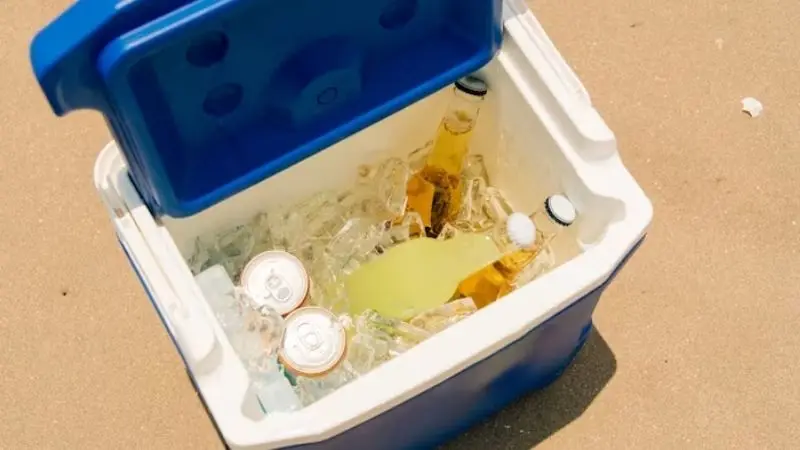
Portable freezers can be cooled to below 32°F, and compressor models can reach around 0°F or even colder. The cooling effect of thermoelectric models is primarily intended to cool, not freeze, food and is not always effective in cold weather. The outside temperature, insulation, and quantity of warm food may influence cooling performance.
Compare Freezing Temperature Ranges
A portable compressor freezer can reach temperatures as low as -0.4°F or -4°F. That is as cold as a regular home freezer. Ice cream, frozen meat and ice packs can be safely stored. Most of the best portable freezers for road trips have a digital display that lets you set the desired temperature. For long-term food storage, you may choose 0°F; for all other frozen food items, you may choose t0°F. In thermoelectric models, the system works differently. Their temperature is normally lowered to approximately 32°F to 40°F below the ambient air temperature. The internal temperature could only reach 50°F to 58°F on a hot 90°F day. That will keep drinks cold, but won’t freeze solid food. It is important to be aware of this limitation before purchase. A thermoelectric unit is adequate for day trips but is not suitable for extended camping trips.
Factors Affecting Freezer Temperature
There are a few factors that influence the amount of cold produced by the portable freezer. This is greatly affected by the outside temperature. Whether in direct sunlight or in a hot car, the best portable freezer for van life will work harder. Also, the quality of the insulation is a factor. Thicker walls and more seals help to keep temperatures low and energy usage lower. The amount of warm food also affects performance. If many items are added at room temperature, the compressor is more likely to run longer. Your portable refrigerator will have various temperature settings. Many portable fridge models will maintain a temperature range of 32°F to 50°F. This range maintains produce freshness and keeps drinks cold. Some hybrid units perform both jobs. One side can be set to freezing temperatures, and the other side to above-freezing temperatures. This is ideal for families with varying requirements.
Precise Temperature Control
Modern units have temperature control, which allows for more accurate adjustments. The majority of models feature digital displays and buttons or dials. The settings can be adjusted in 1° F increments. Some units have preset options for items like meat, fish, or beverages. These presets are here to help beginners. You simply select the mode that corresponds to what is in your mind. The actual temperature within is slightly altered during normal use. The compressor will turn on and off to maintain your set point. The temperature could drop slightly, anywhere from 2°F to 3°F, around your desired target temperature. This is normal and does not affect food safety. When you select the best portable freezer for your needs, you can expect it to perform as such.
Portable Freezer vs. Portable Refrigerator: What Is the Difference?
The big difference is in the range of temperatures. A portable freezer keeps the temperature inside lower than 32°F. Maintains products in a firm frozen state. The best portable refrigerator maintains a temperature between 32°F and 50°F. It maintains the freshness of any perishable while keeping it cool, but never freezing it. This one difference alters the way you store and plan trips.
| Feature | Portable Freezer | Portable Refrigerator |
| Temperature range | -4°F to 32°F | 32°F to 50°F |
| Best for | Frozen meat, ice cream, ice packs | Fresh produce, drinks, leftovers |
| Power draw | Higher, runs longer cycles | Lower, cycles less often |
| Typical use | Multi-day camping, boating | Day trips, tailgating |
Freezer vs Refrigerator Needs
If you’re travelling to a week-long camp and bringing raw meat, you’ll need a portable freezer. On a trip to the lake, you’ll need a portable fridge to keep your beverages and fresh sandwiches chilled. A hybrid unit is the preference of many travellers. These models are of the two-zone type. On one side, the food freezes; on the other, it cools. This versatility is ideal for families of diverse needs. The power consumption is also different. The best portable freezer for camping has to work extra hard to freeze temperatures below 0. The best portable freezer for camping will have to work harder to drop temperatures below freezing. It generates higher current and cycles more times. Energy consumption is lower with a portable refrigerator because the temperature difference between it and the outside air is smaller. This is important if using batteries. With a portable fridge, you can power it for days on a single battery pack. A freezer may lose that same package within hours.
Choose Based On Needs
You’ll have to decide which to pick based on your usual adventure. Consider the contents of your bags. Need ice cream and frozen meat? Choose a freezer. Do you typically bring drinks and fresh foods? The best portable refrigerator for the car is better equipped. A few users purchase both units for separate trips. Some choose the dual model for all circumstances. The same is true of these devices for Price. The price of compressor freezers is higher because they incorporate more expensive parts and provide better insulation. Frequently, refrigerators that are the same size as yours are cheaper. The added freezing capability costs you. Be mindful of how much you can afford and your cooling requirements. A portable fridge can operate for days on a single battery pack! That same pack can be used up in a freezer within hours.
How Much Power Does a Portable Freezer Use?
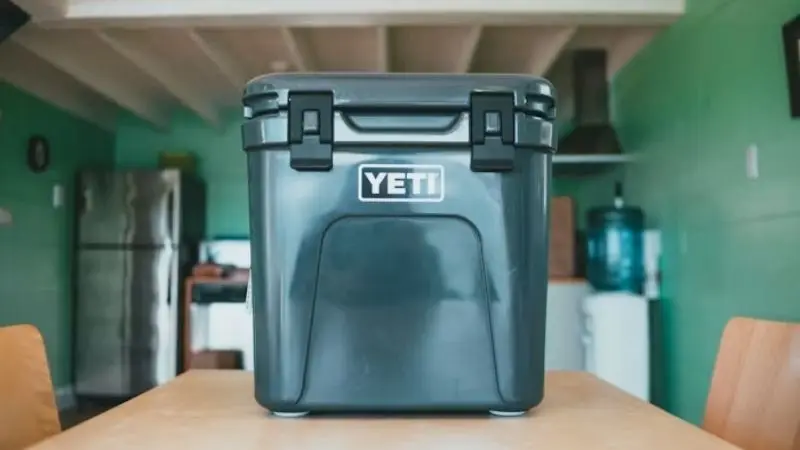
The 12V DC power requirement for the best portable freezer is around 3–10 amps, depending on its size, insulation, and ambient temperature. The compressor operates more frequently when the freezer is larger or hotter, resulting in higher power consumption. The battery packs, solar panels and AC adapters offer versatility in powering various trips. Selecting the most efficient type of insulation and an appropriate temperature setting can help lower energy consumption and extend battery life.
Portable Freezer Power Consumption
A portable freezer consumes approximately 3-10 amps at 12 VDC. The majority of models you can purchase fall within this range. The quantity is dependent on your unit. The most important factor is the freezer’s size. A small 12-quart unit will consume less power than a large 80-quart unit. Outside temperature is also a factor. The compressor works more frequently on a hot day. This increases the overall consumption. The compressor requires a high starting power. It consumes less power when running normally. The unit is temperature-responsive and will turn on when the system temperature rises. The better the insulation, the less frequently the compressor will operate. Thicker walls and seals of this type will hold cold air in. This results in long-term energy savings. This can be likened to the best portable freezer for road trips. The portable refrigerator is used to maintain a positive temperature. Consumes less power because the temperature difference is less. The compressor operates less frequently.
Choose the Right Power
For your trip, your power source is important. Portable battery packs are used by many. Another option is solar panels. Smart power management is available on some units. This feature helps safeguard your vehicle’s batteries. It turns off the compressor when the voltage is reduced. An AC adapter can be used at home, too. Cool the unit before departure. This reduces initial power consumption. Power consumption is influenced by temperature control. If it’s set at a colder temperature, the compressor has to work harder. Choose the correct setting for your needs; an air conditioner setting of 0° F will consume more power than 10° F. This conserves energy and battery life. Better insulation and compressors are used in energy-efficient refrigerators. These models are more expensive than others. They conserve energy in the long term. They can be operated for a longer period on batteries.
How Long Can a Portable Freezer Stay Cold Without Power?

Under no-power conditions, a well-insulated portable freezer can typically keep food frozen for 12-24 hours. Compared with thermoelectric units that lose cooling more rapidly after a power loss, compressor models have a longer cooling time. Full load, a limited lid, shade, and pre-cooling the freezer will help to stretch the cold time. For longer outages, battery packs and solar panels can help pump power to the freezers to keep food frozen.
Freezer Cold Retention Time
Several factors determine how long a freezer will remain cold when the power goes out. A well-insulated refrigerator will keep food frozen for a long time. The top models will keep ice cold for up to 12-24 hours without electricity. However, this time depends on your setup and environment. The insulation quality is the most important factor. The thicker the walls and the more effective the door seals, the less heat is transferred. The outside temperature also plays a big role. A shaded portable freezer will cool down slower than a freezer in the shade. The initial temperature of the unit also plays a role. The best portable freezer for the car will keep cold longer if it’s cooled before leaving. A full freezer maintains a lower temperature than an empty freezer. Frozen food is equivalent to a thermal battery.
Understand Cooling System Differences
The length of time the system remains cool also depends on the type of cooling system used. Compressor units can store cold temperature for much longer than thermoelectric units. The temperature of the thermoelectric unit can only be cooled by approximately 32°F to 40°F below the ambient air temperature. The interior can cool down to 50°F in just a few minutes following a power outage on a 90°F day. That will not maintain the food’s frozen consistency. The most effective portable freezer will maintain a temperature above freezing, allowing it to stay powered off for longer. Does not have to work as hard to keep cool. A portable freezer requires a temperature below 32°F, which will cause the battery to be depleted more quickly. An efficient battery pack can prolong the freezer’s lifespan. A portable fridge may operate for days on a single battery. A freezer may only freeze for a couple of hours. The energy draw is higher for freezing.
Keep Your Freezer Efficient
One suggestion is to ensure the freezer is not exposed to direct sunlight. If possible, park in the shade. Open the lid only as much as is necessary. Warm air always enters through it when it’s opened. The compressor is then forced to exert greater effort. An AC adapter to precool the freezer at home also helps. Start with a cold interior. This reduces the power it requires at startup. Food can be preserved during a power outage. Take the temperature of the interior. If the freezer is still cold and the food is solid, it’s safe. The best portable freezer for an RV may be able to run longer at a set temperature when not plugged in. However, with a portable freezer, you have true freezing power. Having a portable fridge on hand for drinks and fresh foods is best. This helps conserve electricity in the freezer.
How to Use a Portable Freezer: A Complete Guide

Put the portable freezer in a level, shady spot, making sure there is plenty of room around the vents for air to circulate. Securely connect it to a 12V vehicle outlet, AC adapter, battery pack or solar panel, depending on the trip. Pre-cool the freezer before you travel, and select one with the appropriate size, cooling system, and power type. Compressor freezers are ideal for long journeys and frozen foods, and thermoelectric freezers are ideal for short journeys and simple cooling.
Choose the Right Location
First of all, look for a location where air can circulate the unit. The compressor requires cooling space. Place the freezer on a flat, stable surface in your car or at camp. The compressor oil is maintained in the proper location by a level surface. Allow some ventilation space from the vents. This airflow helps the cooling system function. With poor ventilation, the compressor will draw more power and run longer. When possible, store the best portable freezer for boating in the shade. The unit has to work harder in hot sun to keep the freezing temperature. Park your vehicle in the shade or put the freezer under an awning. Having a cooler spot means the compressor isn’t working as hard, which is good for energy savings. The ambient temperature outside the unit affects its performance. A freezer in the shade will be colder than a freezer in direct sunlight on a hot day. This easy decision will help conserve battery capacity and help to keep your food frozen for longer.
Connect the Freezer to a Power Source
Most portable freezers are 12V DC. They can be connected to the cigarette lighter or accessory socket of your vehicle. Suitable for short road trips. Some models also feature an AC adapter for home use. Cool the unit before leaving using this. A cold start reduces the start-up power. It helps bring the freezer to the desired temperature quickly. This is a step towards conserving battery power when on the road. Make sure the power cord is properly inserted into the port. If the connection is loose, the power will be lost from time to time. Consider portable battery packs or solar panels for off-grid adventures. The typical current draw of a portable camping freezer is 3 to 10 amps at 12V. Test batteries to ensure they meet your requirements. Smart power management in some units. This is to keep your car’s battery safe. Switches the compressor OFF if voltage is too low. A portable refrigerator can also be used to keep refreshments or fresh food items in an emergency. This will conserve freezer energy.
Choose the Right Freezer
The type of freezer you need to take with you on your trip depends on your mode of transportation. Compressor models are ideal for serious campers and boaters for efficient freezing power. For short-distance travellers who require only cold drinks, thermoelectric units are a lower-cost option. Choose the right size and power for your freezer for your trips. Consider the length of time out and items that need to be kept cold. A short weekend trip consumes less battery power than a 2-week-long one. A portable freezer is best for road trips when only cold food is necessary. If purchasing meat or ice cream products that will be frozen for an extended period, purchase a compressor freezer powered by solar or battery. Tell the truth about what you’re doing, and you’ll find the perfect portable refrigerator or freezer to keep everything cold on all your journeys. A portable refrigerator has a small temperature difference and requires less energy.
Wrap Up
The best portable freezer for a car is the best choice to keep food and drinks frozen while travelling. It’s great for camping, road trips, boating, tailgating and more! It can also keep food cold (below 32°F), whereas a portable refrigerator cannot. Compressor models are highly efficient at freezing, and thermoelectric models are simple coolers. A 12V vehicle outlet, battery pack, AC adapter, or solar panel can power many items. Selecting the appropriate size, temperature range, and power source contributes to an efficient design. Proper placement and insulation of the freezer can also increase the time it remains cold. This guide covers information on portable freezers, including their selection and effective use.
FAQ
What Are the Tips for Cleaning and Maintaining a Portable Freezer?
Clean the interior with a mild soap solution after every trip. Allow it to dry thoroughly before reclosing the lid. Inspect the door seal for cracks or dirt. Keep the vent free of dust. Keep the unit with the lid slightly open to prevent mould.
How Loud Is a Compressor Portable Freezer?
When compressor models are running, they produce a soft hum. The noise is like a quiet conversation or a refrigerator. It can be heard in a tent or small vehicle. The noise is acceptable to most people. They are almost silent as they have no moving parts in the thermoelectric units.
Can You Use A Portable Freezer As A Normal Cooler?
Yes, you can. Use temperatures higher than 32°F to keep fresh foods and beverages cold. This is the power-saving mode of operation as opposed to freezing. Two devices in one! Some travellers use both freezing and cooling features depending on their travel needs.
How to pick the appropriate portable freezer size?
Consider the number of people served and distance travelled. For a weekend, a 12-quart unit is sufficient for 1 person. A 40-quart model is sufficient for a family of four. Long trips have an 80-quart freezer. Match capacity to the average length of your trip.