An ultrasonic cleaning tank uses sound waves to clean objects without scrubbing. It reaches small areas that cannot be easily cleaned with normal cleaning methods and removes dirt. This renders it applicable in numerous daily and work activities. You might question its functionality or its effectiveness. It is a very easy and effective process in which sound-induced bubbles lift dirt. When you find it difficult to clean stubborn messes, this technology can save you time, reduce effort, and deliver much better cleaning results safely and easily.
How an Ultrasonic Cleaning Tank Works in Simple Terms
It is far easier to understand an ultrasonic cleaning tank by observing the operation of each component. This machine will clean objects with sound energy rather than manual scrubbing. Its use is widespread due to its ability to clean deep within small areas that cannot be reached by normal cleaning. How does an ultrasonic cleaning tank work is a question many people seek answers to, since it seems to be a technical process that is very difficult to understand, but once we take it step by step, it is not that difficult.
It is also a good idea to be familiar with the fact that, before entering into the technical aspects, this system is used in most industries, such as medical care, automotive repair, and jewelry cleaning. That is why it is relied on in sensitive and intricate cleaning work in which precision is an issue.
How Sound Waves Clean Objects Inside the Tank
An ultrasonic cleaning tank operates by generating sound waves at extremely high speeds that travel in a liquid solution. These sound waves make small bubbles in the liquid. The bursting of these bubbles releases energy that removes dirt, oil, and grease from surfaces. This is known as cavitation, the machine’s primary cleaning agent.
This cleaning operation is both vigorous and mild. It is able to access small cracks, holes, and hidden places that cannot be cleaned manually. Because of its deep-cleaning ability, it is commonly used in an ultrasonic cleaning tank for jewelry applications, where small details require careful cleaning without damage.
No scrubbing or harsh chemicals are required during the process. The tank is automatic and efficient as well as safe in handling delicate items.
Role of Transducers and Sweep Frequency in Better Cleaning
The transducers are the primary working components in every ultrasonic cleaning tank. These elements transform electrical energy into sound waves. When the machine is turned on, it causes vibrations in the liquid, producing the cleaning action across the tank.
Sweep frequency technology is common in modern machines. The machine does not employ a single fixed sound frequency but rather a certain amount of frequency variation during operation. This aids in distributing the sound waves in the tank, making them more uniform and enhancing cleaning performance.
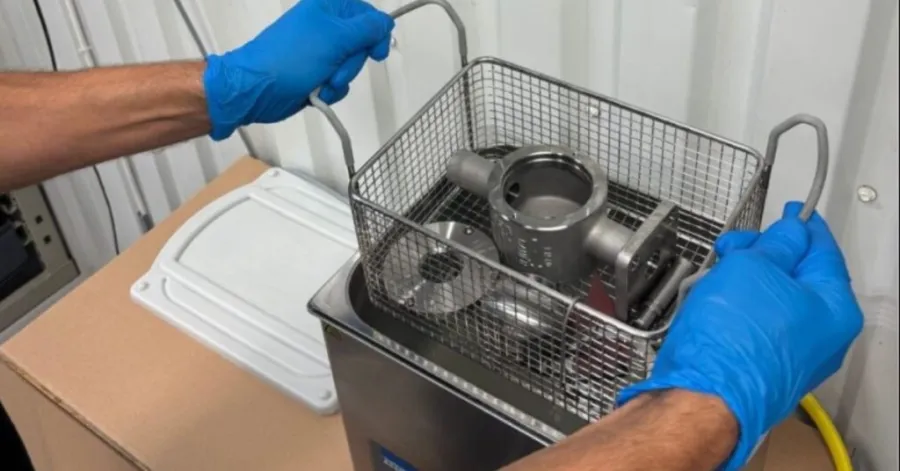
This even distribution proves very handy with delicate and technical articles, such as those washed in an ultrasonic cleaning tank of medical apparatus. It is also useful for engine parts, particularly when an ultrasonic cleaning tank is used to clean carburetors, since it removes dirt from internal passages without damaging the parts.
Sweep frequency also minimizes the risk of uncleanliness and safeguards delicate objects against excessive vibrations.
Main Parts Inside an Ultrasonic Cleaning Tank
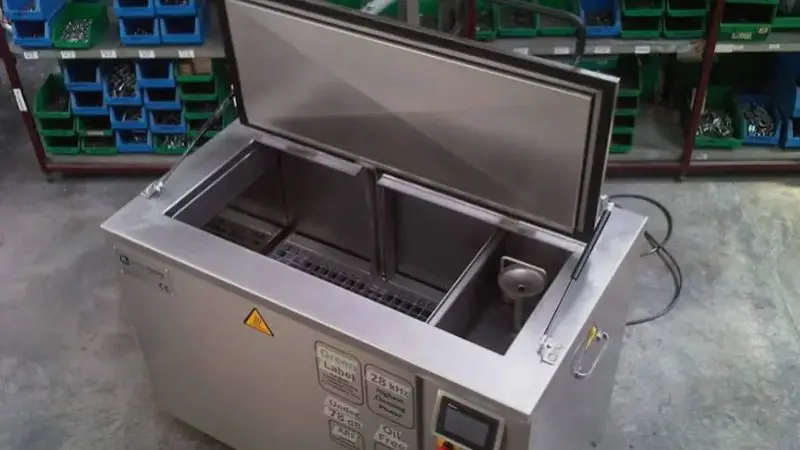
There are a few vital components of an ultrasonic cleaning tank that work together to deliver deep, thorough cleaning. Every component has a specific purpose, and all these components make the system efficient, safe, and user-friendly. The body is typically constructed from a stainless steel ultrasonic cleaning tank, which is robust, durable, and rust-resistant. There are various parts within this body to deal with cleaning performance and control.
Key parts include:
- Cleaning transducers that produce ultrasonic sound waves.
- Time, temperature, and setting control panel.
- Heater, which helps remove grease and dirt more quickly.
- A basket or tray where something is in place.
These sections coordinate harmoniously to ensure the sound waves cover all surfaces equally. Cleaning is faster with the heating system, and the items remain stable in the basket, fully exposed to the liquid. The control panel can be easily adjusted depending on various materials. Due to this equal design, most industries use the best ultrasonic cleaning tank for industrial use to achieve uniform and thorough cleaning performance.
Benefits of an Ultrasonic Cleaning Tank for Everyday and Industrial Use
The ultrasonic cleaning tank is designed to simplify, accelerate, and improve the accuracy of cleaning. It eliminates the need for intensive scrubbing and reduces the use of strong chemicals. It instead cleans objects in a deep and safe manner by employing sound waves. This will render it an effective personal and professional cleaning device. It is preferred by many users as it saves time, and at the same time, it provides high-quality results.
Fast and Precise Cleaning Performance
An ultrasonic cleaning tank is fast and reaches areas that are usually extremely difficult to clean. The sound waves will form small bubbles that transport dirt off all the surfaces, including small holes and tight cracks. This renders the cleaning process efficient and accurate. It is particularly useful when you require the same results without wasting a lot of time or labor.
It takes a lot less time than the conventional processes, such as scrubbing and hand washing. It also minimizes the use of harsh cleaning chemicals, making it a safer, more controlled alternative. It is used by many people because it provides professional-quality cleaning in just minutes.
- Washes faster than handwashing and saves time and effort.
- Gets deep into small crevices that are hard to get a hand into.
- It is less likely to consume cleaning solution than conventional cleaning methods.
A washing tank that cleans ultrasonically can be programmed to operate automatically, so it can be left running while you attend to other activities. This makes it incredibly convenient in a hectic setting where time is of the essence.
Works for Many Different Types of Items
One of the biggest advantages of an ultrasonic cleaning tank is its versatility. It is able to wash various types of materials, including metal, plastic, glass, and rubber. This can be applied in various situations, such as cleaning the house as well as in the workplace, due to this flexibility.
It is commonly applied to such objects as jewelry, eyeglasses, coins, and small tools. It can also be used on more delicate items as long as they can be cleaned using ultrasonic. It can clean delicate objects without damage thanks to its gentle cleaning action.
Some common applications are in cleaning jewelry and watches, medical and dental equipment, machine parts, and electronic parts. Nevertheless, one should verify the material prior to cleaning since there are sensitive objects that might need special treatment.
Useful for Both Home and Industrial Applications
Many settings have ultrasonic cleaning tanks, starting at home and up to large-scale industries. The ease with which it can be cleaned and cleaned thoroughly is helpful in the workplace where hygiene and accuracy count. Meanwhile, smaller models are ideal for personal use.
It is applied in cleaning machine parts, tools, and equipment in the industries. It is also used in hospitals and dental clinics to safely clean medical instruments. It is used in jewelry stores to re-polish rings and necklaces. It can be used at home to wash common utensils such as glasses, coins, and small accessories.
The fact that it comes in different sizes gives the user an option of which tank to use, depending on their requirements. Big tanks are used for heavy-duty cleaning, and small ones are used on a day-to-day basis. This is why it is a convenient solution in most cases.
It should be used properly to ensure a long performance life cycle and safe cleaning of the machine and the objects being cleaned.
Applications of Ultrasonic Cleaning Tanks in Different Fields
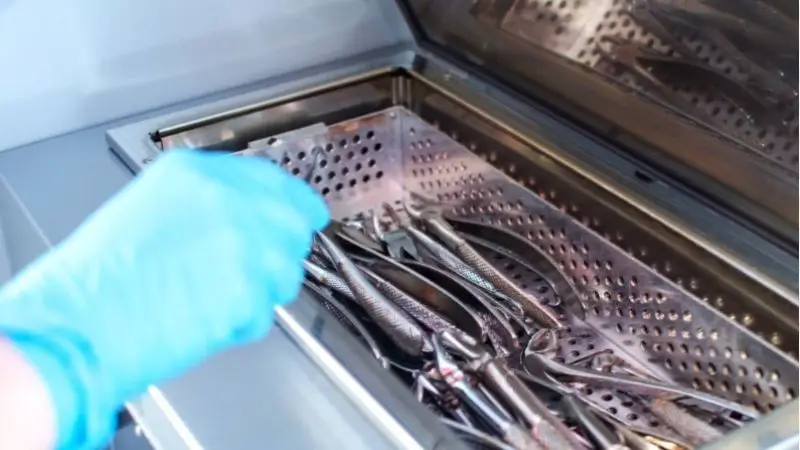
Many industries use ultrasonic cleaning tanks for their ability to clean objects quickly, thoroughly, and safely. They can be used in a working setting and at home because of their ability to clean small areas. Whether it is the heavy industrial work or the delicate medical tools, these machines perform reliably and do not damage or overwork themselves.
Industrial Use in Factories and Workshops
An ultrasonic cleaning tank has found extensive applications in the industrial setting to clean parts of heavy machines, which accumulate oil, grease, and dirt. Large floor-standing systems are built for continuous, robust cleaning and are therefore effective in workshops and factories where accuracy is a consideration.
These systems are frequently used to clean engine parts, molds, gears, and metal tools. Multi-tank systems permit washing, rinsing, and drying in different processes, which helps in efficient use and saves time.
- They are popularly used to clean engine components, gears, and industrial tools in large quantities.
- They can clean several items simultaneously and provide consistent cleaning results.
- They decrease manual labor, increase cleaning speed, and improve precision.
That is why industries tend to select the best ultrasonic cleaning tank to use in industries to ensure the quality of equipment and to minimize downtime.
@truckintoby Vevor for the win! Their ultrasonic cleaner is awesome! Get one today!#vevor #ultrasoniccleaner #mechanic #trucker #farmer #VevorHomelmprovementFestival #treshwave #FallDealsForYou #TikTokShopBlackFriday #TikTokShopCyberMonday #TiktokShopHolidayHaul @Vevor_US
♬ original sound – TruckinToby✅
Medical, Dental, and Jewelry Cleaning Uses
An ultrasonic cleaning tank is essential in the medical and dental sector, where precision and hygiene are of utmost importance. It is applied in hospitals and clinics to wash surgical equipment, dental tools, and other delicate instruments. Ultrasonic waves clean areas that cannot be reached by human cleaning.
It is also used in jewelry cleaning to restore the luster of rings, necklaces, and watches. It is non-aggressive but efficient and can be applied to fragile products.
It is usually used to clean surgical instruments, dental equipment, jewelry, and watches. It is also commonly used as an ultrasonic cleaning tank to clean jewelry, where the cleaning must be detailed and delicate without damaging the surface.
Nevertheless, the sensitive stuff, such as soft stones, must be refreshed prior to cleaning to prevent damage.
Flexible Cleaning for Different Load Sizes
Ultrasonic cleaning tanks are available in various sizes and, as such, can be used in personal as well as industrial applications. Small ultrasonic cleaning tanks can be used to clean household objects, whereas larger models can be used in commercial and factory-scale cleaning.
Big tanks are used to clean large parts in bulk, whereas medium and small tanks are applied to more particular tasks.
- Engineer parts, tools, and industrial equipment are transported using large tanks.
- Clinics and jewelry shops are the common locations of medium tanks.
- Eyeglasses, coins, and everyday items are best in small tanks.
No matter the size, every ultrasonic cleaning tank delivers consistent cleaning results. This renders it an adaptable solution to various industries and individual requirements, which guarantees effectiveness and security in all uses.
How to Prepare an Ultrasonic Cleaning Tank Before Use
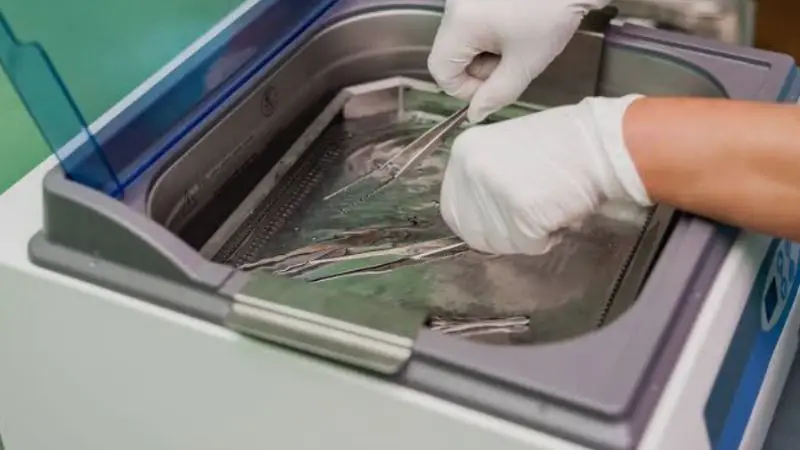
Prior to the application of an ultrasonic cleaning tank, it is important to prepare it in order to achieve safe and effective results. The first step is to select an appropriate cleaning solution for the item you wish to clean. Next, pour some water into the tank and combine the solution in the right proportions. Put the basket in, and place things in it so they do not come into contact. This aids in the uniform distribution of sound waves to all surfaces. In case your machine has a heater, then adjust the temperature according to the material. Always empty the controls and liquid level before switching on the ultrasonic cleaning tank.
How to Run an Ultrasonic Cleaning Tank Step by Step
It is easy to use an ultrasonic cleaning tank as soon as it is correctly installed. Turn the machine on and set the cleaning duration based on the objects’ level of dirtiness. The cycle lasts a few minutes. Once it begins, small bubbles form in the liquid, and dirt, grease, and oil are washed off the surfaces. You do not have to touch or move items in the process. Once the cycle is complete, take out the basket and wash it with clean water. This renders the ultrasonic cleaning tank extremely convenient and efficient to use either on a daily or industrial basis.
How to Clean and Maintain an Ultrasonic Cleaning Tank
Regular maintenance is essential to keep an ultrasonic cleaning tank in good operation. Following every use, empty the tank and dry it with a soft cloth to remove leftovers. Wash the basket and tray to avoid the accumulation of dirt. Test the power plug and the control panel to make sure that everything is operating well. When not using, store the machine in a dry place. Proper maintenance assists in prolonging the life of the ultrasonic cleaning tank and keeps providing high and consistent cleaning of various items and applications.
How to Choose the Right Ultrasonic Cleaning Tank
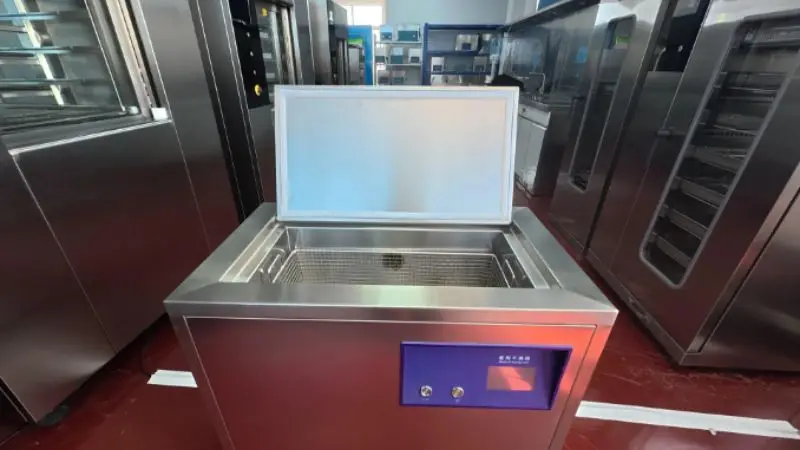
The selection of the appropriate ultrasonic cleaning tank is significant as it determines the quality of cleaning, safety, and efficiency directly. A good machine ought to be one that fits the kind of items you wash most frequently and the setting where it is going to be used. At home, in a clinic, or in a factory, the correct decision will help you achieve better, faster results without damaging objects.
How to Select the Right Size and Capacity for an Ultrasonic Cleaning Tank
The first thing to check when choosing an ultrasonic cleaning tank is its size and capacity. This tank should be big enough to accommodate your items without compromising the movement of the cleaning solution. When the tank is too small, the cleaning does not occur evenly. When it is too big, you can waste energy and solution.
Think about your most common cleaning needs before deciding. As an example, small tanks will be used in personal items, whereas bigger tanks will be used in industries.
- Jewelry, coins, and eyeglasses are best suited in small tanks.
- Medium tanks are suitable for watches, dental equipment, and small components.
- Engine parts, gears, and factory cleaning are done in large tanks.
A measurement of your biggest object prior to purchasing will assist in determining how well it can be placed in the ultrasonic cleaning tank. This is a very easy measure to enhance cleaning performance and prevent damage or poor performance.
How to Choose Frequency and Power in an Ultrasonic Cleaning Tank
Determining how strong and accurate your ultrasonic cleaning tank will be depends on frequency and power. The frequency regulates the way the sound waves act, and the power regulates the intensity of the cleaning power. Maintaining the appropriate balance is a guarantee of safe and effective cleaning of various materials.
Low frequency is more powerful and effective at removing heavy dirt, while high frequency is less powerful and better suited to delicate surfaces. Power also must be appropriate for the cleaning task.
- Low frequency (20-40 kHz): Metal parts and greasy metals.
- High frequency (greater than 40 kHz): Ideal use in jewelry and electronics.
- More powerful: Cleaning in a shorter period, however, might impact delicate items.
Fitting these settings appropriately assists your ultrasonic cleaning tank to provide the appropriate amount of cleanliness without damaging sensitive surfaces or squandering energy.
Important Features to Look for in an Ultrasonic Cleaning Tank
An ultrasonic cleaning tank can be purchased beforehand by examining the features of the tank to select the model that suits you. New tanks are equipped with various functions that enhance performance, control, and ease of operation. The features also assist in ensuring consistency and reliability in cleaning.
There are certain features that will be of great use to both novices and professionals, depending on the frequency of using the machine.
- Inbuilt heater to clean faster and deeper.
- Programmed cleaning schedules.
- Variable frequency of various materials.
- An electronic control panel that operates easily.
The cleaning process is made easier and more efficient by having a well-equipped ultrasonic cleaning tank. The appropriate selection of features will guarantee improved outcomes, time-saving, and minimize the risk of errors in the process.
Wrap Up
Ultrasonic cleaning tank is a powerful and efficient cleaner that can be used to clean a wide variety of objects, including both fragile jewels and large industrial components. It employs sound waves in order to clean the minutest of areas, hence making it quicker and more dependable compared to the conventional cleaning procedures. With the correct size, frequency, power, and features, you can ensure the best performance to suit your needs. Regular use and proper care also ensure long-term results. An ultrasonic cleaning tank is highly effective whether used at home, in the medical field, or in the industry, offering consistent, deep, and safe cleaning at all times.
FAQs
What is an ultrasonic cleaning tank used for?
A cleaning tank that is the ultrasonic type is utilized to clean off dirt, grease, and other contaminants on objects such as jewelry, tools, medical equipment, and machine parts. It does not scrub or use harsh chemicals to clean, but uses sound waves to clean deep.
What is the cleaning action of an ultrasonic cleaning tank?
It operates by generating high-frequency sound waves in a fluid. These waves form minute bubbles that explode and clean surfaces even in tiny cracks and crevices, which are difficult to reach.
Will the ultrasonic cleaning tank damage items?
An ultrasonic cleaning tank is the safest when properly used. But extremely soft rocks, thin layers, or delicate objects can be approached with care or certain conditions in order to prevent potential damage to the surface.
At what frequency do I clean an ultrasonic cleaning tank?
Always clean the tank after use. Pour off the liquid, wipe inside, and examine. Frequent cleaning maintains the efficiency of the machine and provides stable performance and increased equipment maintenance.