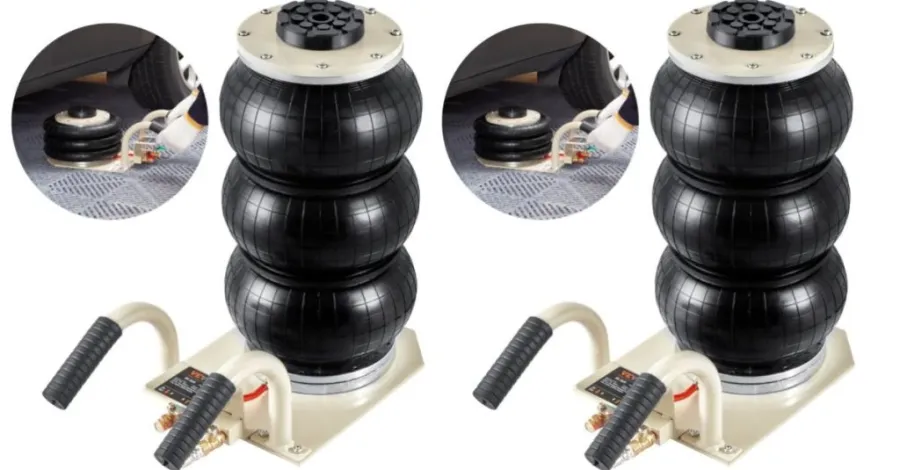
A pneumatic air jack is an essential tool for quickly and safely lifting cars, trucks, or heavy equipment. Using the appropriate method to lift your vehicle can save you time and keep you safe, whether you’re replacing a tire or looking under it. A lot of people who own cars have trouble with unsafe methods for jacking up their vehicles, which could hurt them or damage their cars. This guide is here to make the process safer and easier. In this blog, we’ll cover what a pneumatic jack is, key safety features, preparation steps, and a step-by-step method to use it effectively for reliable, secure vehicle lifting.
Basics of Pneumatic Air Jack
What Is a Pneumatic Jack
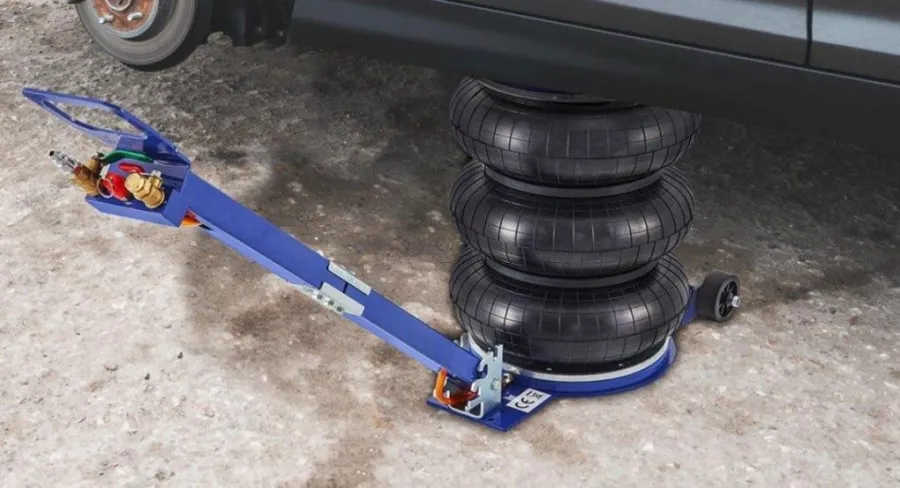
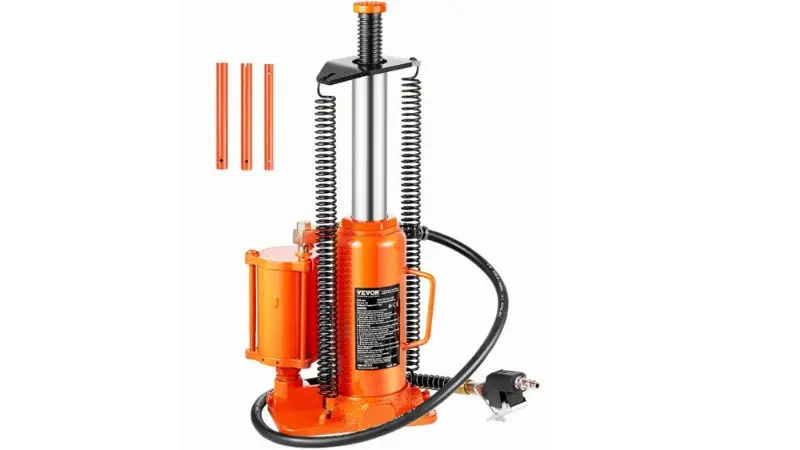
It is a tool that lifts heavy vehicles or equipment quickly and easily by using compressed air. When you connect it to an air compressor, it fills a chamber with air, which makes it bigger and lifts the burden. The best pneumatic air jack for cars makes lifting safer and easier than doing it by hand, which is common in garages.
It lets air pressure do the work, which means you don’t have to use as much physical effort. It’s great for changing tires, inspections, or repairs. To be safe while using the jack, always verify its weight restriction.
Key Safety Features
When thinking about how to use a pneumatic air jack, safety aspects are the most important thing to keep in mind to avoid accidents:
- Overload protection: Stops loads from being lifted too high.
- Non-slip base: It prevents slipping while in use.
- Pressure relief valve: releases excess air pressure.
- The locking mechanism keeps the jack in place once it has been lifted.
Strong safety features ensure that work is stable, lowers hazards, and lets people operate safely and efficiently.
Tip: Always inspect your pneumatic air jack before use to ensure all safety components function properly and avoid dangerous mishaps.
Preparation Steps of an Air Jack
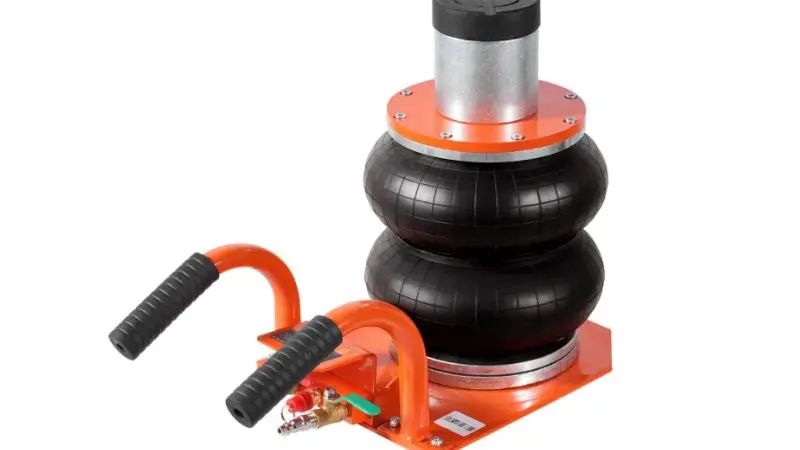
Inspect the Work Area
Make sure the surface is firm and level before using an air jack so that it doesn’t tip over or slide:
- Get rid of trash, tools, or anything that’s lying around.
- Keep the area dry to avoid slipping.
- Stay away from soft ground; utilize concrete or hard pavement instead.
Tip: Don’t use a pneumatic air jack for trucks on a slope; flat surfaces are the safest place to raise.
Check the Air Jack
Before each usage, examine your air jack for cracks, dents, leaks, or worn hoses. Make sure it can hold the weight of your automobile as specified in the manual or label. Never overburden. Try it out without a load first to find problems early. Understanding safety features is as important as knowing the Pneumatic air jack price, ensuring reliability, and preventing accidents during lifting.
Gather Safety Gear
Put on gloves to protect your hands from sharp edges and safety glasses to protect your eyes from dust. Put wheel chocks behind the tires on the ground to keep them from rolling. When the automobile is up, keep tools close by. Using the best pneumatic air jack for cars and wearing the proper safety gear ensures that repairs are safe. Lifting safely and effectively requires planning.
Work Safely with Air Jacks
Position the Jack
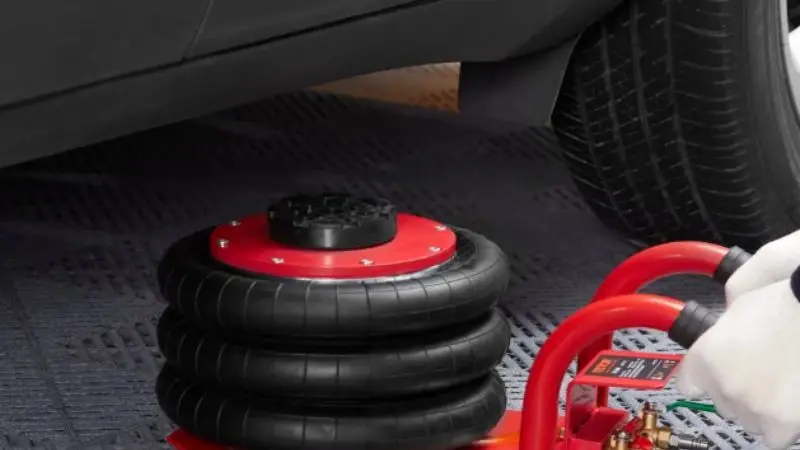
Put the air jack in the right place on your automobile to lift it. This is written in the owner’s manual or on a placard near the door. How to use a pneumatic air jack safely starts with using the specified spot to keep the vehicle secure and prevent damage. Follow the manufacturer’s recommendations to avoid bending the frame or making it slip. Make sure the base is flat on the ground and there are no objects in the way of the air jack or lifting point.
Connect Air Supply
Next, connect the air hose from your compressor to the air jack. Check that the hose fits tightly and does not leak. Turn on the compressor and set it to the pressure listed in the guidelines or the manufacturer’s instructions. Do not use more pressure than recommended. Too much air can damage the air jack or cause it to fail. Listen for any hissing sounds that might mean a leak. If you hear one, stop the operation and fix the problem before you continue. A secure connection ensures the air jack works as designed and keeps you safe during operation.
Start lifting by cautiously moving the air jack controls and making sure the automobile stays level. If it moves, stop and lower it right away. Only lift the car as high as you need to; going too high can make it unstable. Don’t put your hands or feet near the lifting point. The jack uses compressed air to inflate and raise heavy items quickly. It’s not for holding things up; it’s for lifting things. For buyers, considering the Pneumatic air jack price helps in choosing a safe, reliable model.
Note: Lift in gentle stages and check for stability each time.
Use Jack Stands
As your automobile’s manual says, put jack stands beneath the frame or axle after you lift the car. Slowly lower the air jack until the vehicle is safely resting on the stands. Never work under a car that is only held up by air jacks. Jack stands give you firm support and keep you safe. Before making repairs, always lock them.
Follow the manufacturer’s instructions when you learn how to use a pneumatic air jack. Setting up the equipment correctly, placing it carefully, and checking for safety all lower risks and make sure that every time you lift a vehicle, it goes smoothly and safely.
Lowering Vehicle with Safe Control
Lower the Vehicle
Slowly lower the car, making sure there is nothing under it and that the jack stands are clear. To avoid unexpected drops, use the settings to let air out of the pneumatic air jack for trucks in small amounts. Follow the manufacturer’s directions and keep your hands clear.
Before lowering, always check that the jack is stable. A stable base keeps things safe, stops damage, and provides you with more control, which lowers the dangers during the procedure.
Remove the Jack
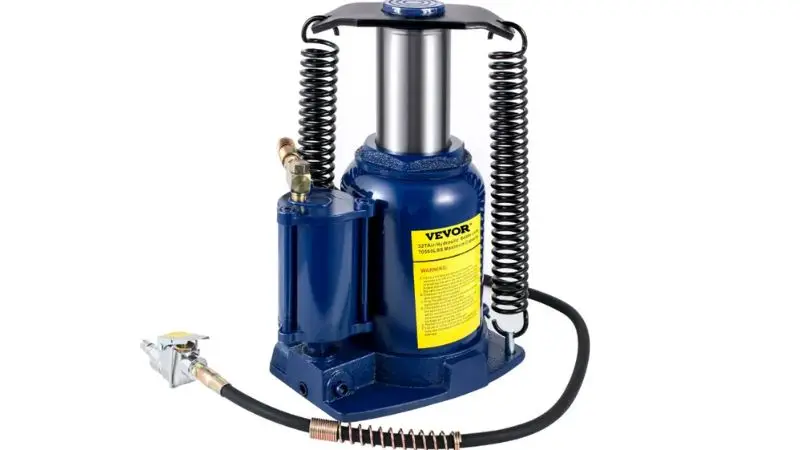
Take the air jack off the automobile carefully after it is on the ground. Take the airbag jack out from beneath the car and put it somewhere dry. If you’re using an air hydraulic jack, make sure to unplug the air hose first. To keep the base of the jack safe, don’t drag it across rough surfaces. Check for wear, then brush off dirt and grease before putting it away. Taking good care of it will make it last longer, especially the best pneumatic air jack for cars.
- Take off the wheel chocks last.
- Put your tools away for the next time you need to do maintenance.
- Keep your airbag and air hydraulic jacks in a safe place.
Maintenance Tips
Regular maintenance keeps your air jack ready for work. Check the airbag jack for leaks or cracks. Inspect the air hydraulic jack for oil levels and clean moving parts. Test the air jack before each use. Lubricate joints and replace worn hoses. Use a simple table to track your maintenance:
| Task | Frequency |
| Inspect for leaks | Every use |
| Clean surfaces | Weekly |
| Lubricate joints | Monthly |
| Replace hoses | As needed |
You improve safety and extend the life of your air jack with good habits. Proper care supports safe vehicle maintenance and helps you avoid problems during repairs.
Safety Tips and Troubleshooting Process
Common Mistakes
Most problems with air jacks can be avoided by avoiding common mistakes. Before using, always check the weight rating. Choosing an inappropriate capacity could cause damage or harm. If you don’t read the manual for an airbag jack, you could lift it dangerously. Put your jack on flat, solid ground. If the ground is soft or uneven, it could topple over.
Never lift anything without jack stands, since air jacks are only for lifting. It’s risky to hurry and skip safety precautions. Put on gloves, protect your eyes, and obey all safety rules. It’s smart to think about the Pneumatic air jack price, but safety is more important. Before lifting, make sure the jack is in the right spot.
Troubleshooting Air Jacks
You can typically solve problems with air jacks yourself. Make sure the air supply is good and the hose connections are tight before looking for leaks.
- Replace any broken hoses or seals on your pneumatic air jack for trucks if you hear hissing.
- Check the air pressure and clean the dirty valves if the lift is slow.
- Fix or replace broken release valves.
- Fix any oil leaks before using.
| Problem | Possible Cause | Solution |
| Jack will not lift | Low air pressure | Check the compressor and hoses |
| Jack lowers too fast | Faulty release valve | Inspect and replace if needed |
| Air leaks | Damaged hose or seal | Replace the hose or seal |
| Slow lifting | Dirty valve | Clean the valve and check the pressure |
Conclusion
For safe and effective car repair, it is essential to know how to use a pneumatic air jack appropriately. To avoid mishaps, always check your jack, prepare the work space, and follow the manufacturer’s instructions. An air jack is not meant to hold something up; it is intended to lift it. Always use jack stands to keep your car safe before you work on it. Your tool will last longer and every lift will be safer if you use it correctly and keep it up to date. You may work with confidence, keep your car safe, and ensure your safety while lifting by following the recommendations and actions in this article.
FAQ
How often should you inspect your pneumatic air jack?
You should inspect your air jack before every use. Look for cracks, leaks, or worn parts. Regular checks help you spot problems early and keep your equipment safe.
Can you use a pneumatic air jack on gravel or dirt?
You should not use an air jack on gravel or dirt. These surfaces can shift and cause the jack to slip. Always choose a flat, solid surface like concrete for safe lifting.
What should you do if your air jack makes a hissing sound?
A hissing sound means air is leaking. Stop using the jack right away. Check the hose and seals for damage. Replace any faulty parts before you try to lift anything.
Is it safe to work under a car supported only by an air jack?
- No, it is not safe.
- Always use jack stands to support the car after lifting.
- Air jacks can lose pressure or fail. Jack stands keep you safe while you work.