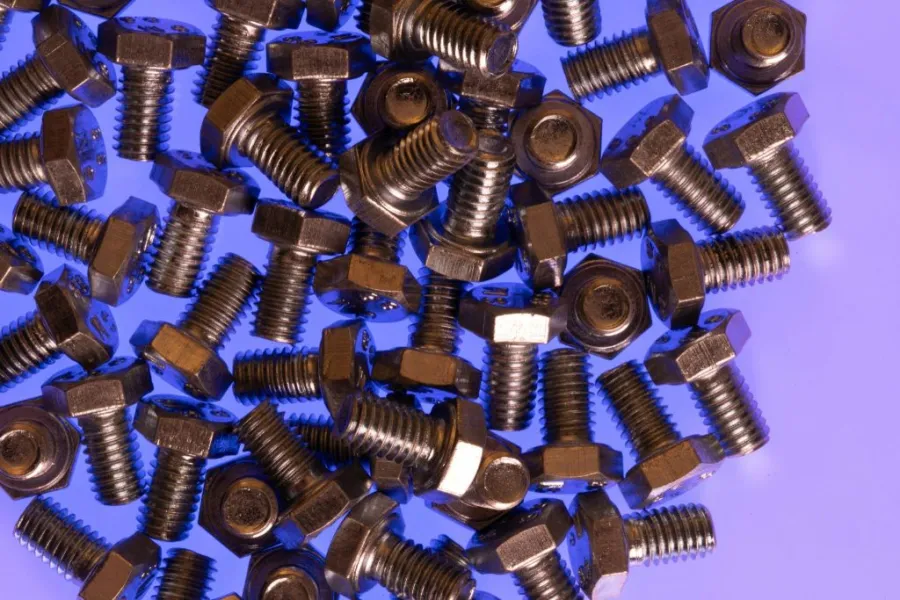
No experienced home renovator is unfamiliar with the disappointment caused by stopping mid-project simply because of a single broken fastener. Anyone who has ever examined the underside of their snow plow or even a sturdy cultivator would have observed the plow bolt in its element. Unlike ordinary bolts that you can find in any hardware store, these bolts are real powerhouses.
In machines that require high friction, it is imperative to have a reliable means of handling bolts. The only solution for your equipment to withstand the wear and tear of the season is to purchase good-quality plow bolts and nuts. It is now time to discuss the finer points of purchasing the right hardware.
What is a Plow Bolt?
The plow bolt is a kind of specialized fastener that is meant to be used where there is a need for the surface to remain flush once the fastener has been inserted into it. While a hex bolt usually has a head that sticks above the surface, plow bolts have heads that are recessed.
For any application that will scrape along the ground, having the fastener stick above the surface would be disastrous because it would get caught in things like rocks or frozen soil and break immediately. The plow bolt helps in maintaining a surface over which the material can easily flow.
Plow bolts also have a characteristic that involves having their necks be slightly square or keyed. The necks of these bolts fit into similarly squared holes in the equipment, such that it makes it possible for a person working alone to screw in the nuts without the bolts turning around.
What are plow bolts usually used for?
Here are some examples of what these bolts do:
- Snow Removal Tools: These bolts keep the blades sharp by anchoring the cutting surfaces to snow plows and snow blowers.
- Farm Tools: Required for securing the plowshare, moldboard, or cultipack point on farm tools that cultivate the land.
- Earthmoving Equipment: They can be found in bulldozers, road graders, and excavators on their blade and bucket wear plates, which are attached to the main body.
- Conveyor Systems: Commonly seen in conveyor belt systems that transport abrasive materials such as coal or gravel.
- DIY Gardeners: They are usually used to hold the cutting blade on a lawn mower deck or on the underside of attachments such as box blades or scrapers on garden tractors.
Types of Plow Bolt
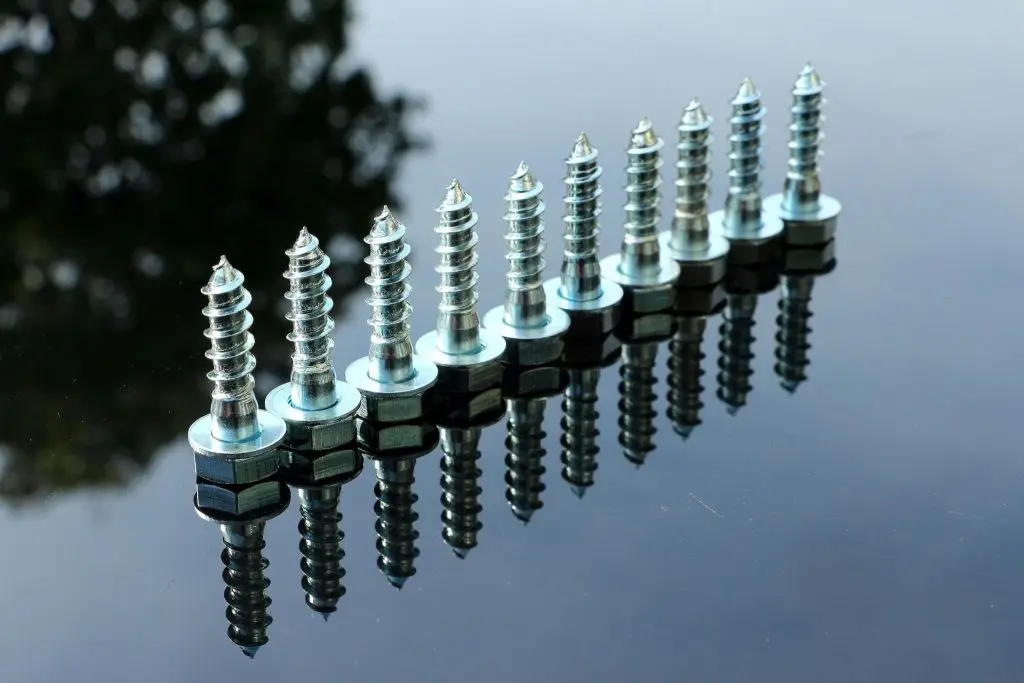
#3 Head Plow Bolt
The #3 head is by far the most common type you will see today. It has a round head that is countersunk and a square neck. The versatility of this design makes it useful for the majority of agricultural and snow removal machinery used today.
#7 Head Plow Bolt
This is a less common design that can be seen on machinery that is either old or has an industrial design. In terms of size, there is a difference between the head diameter and the countersink depth. You should always refer to your user guide to see if this particular bolt head is required.
Clipped Head and Square Head Designs
Sometimes, the application may call for a clipped head, where a normal round head plow bolt would not fit. The square head plow bolt design is an old one, but it still exists and can be seen in applications that have heavy vibrations and require maximum locking surfaces.
Plow Bolt vs Carriage Bolt
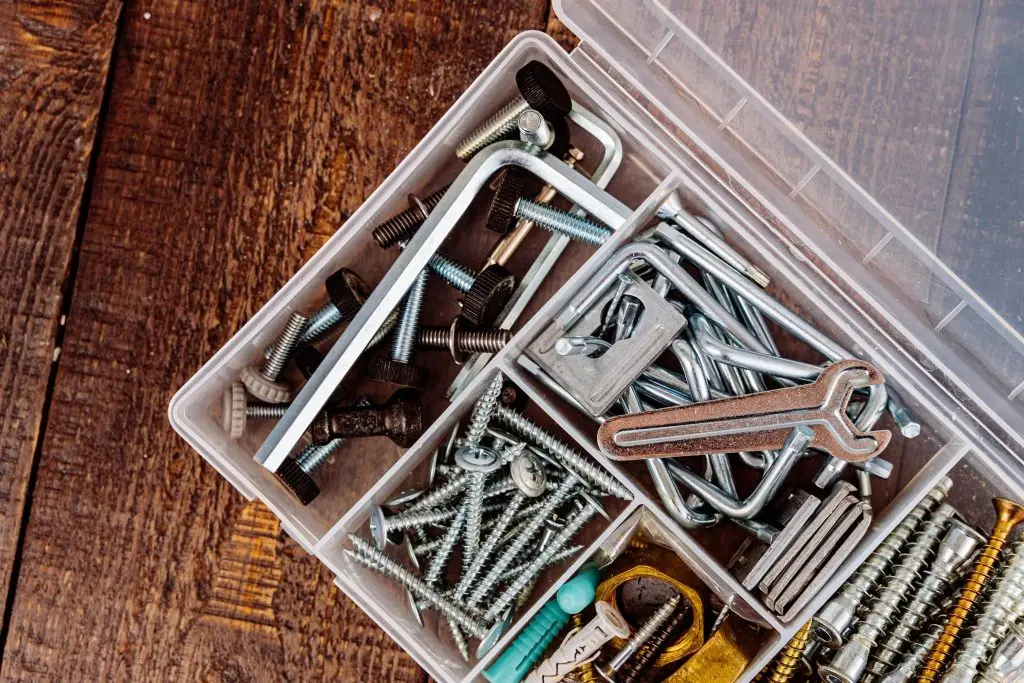
It is a very common mistake for beginners to grab a carriage bolt from the bin when they actually need a plow bolt. While they both share that handy square neck to prevent spinning, they are built for entirely different worlds.
| Feature | Plow Bolt | Carriage Bolt |
| Head Shape | Flat/Countersunk (Flush) | Domed/Mushroom (Protruding) |
| Primary Use | Metal-on-metal scraping | Wood-to-metal construction |
| Durability | High abrasion resistance | Decorative/Standard fastening |
| Surface Finish | Smooth and flat | Protruding dome |
| Tool Fit | Sits inside the hole | Sits on top of the hole |
The key to deciding between a plow bolt vs carriage bolt is the situation you are in. When putting up a deck, it is best to go for a carriage bolt because of its domed head, but it would not last long on a plow blade.
Understanding what a socket set is is also key here. You need tools that can handle the high torque required for metal-to-metal fastening. Using the wrong hardware—or the wrong tools—is a recipe for a project that fails when you need it most.
Essential Plow Bolt Dimensions and Grades
Proper fitting is not just a matter of selecting a bolt that seems right. There are specific plow bolt dimensions that must be met in order to have a proper fit and maintain safety. Any deviation means that there will be an improper seating, making your blade wobble.
Key dimensions to measure
While shopping, keep an eye out for four different specifications to ensure proper repair safety:
- Thread Diameter: The diameter of the thread itself is the most important specification when considering the overall structural integrity and loading capability of the bolt.
- Bolt Length: Different from other bolts, here you’ll need to measure the length from the top of the head down to the tips of the threads.
- Bolt Neck Size: Also known as the neck, this measurement determines the width of the square section on the bolt right under the head. This piece has to fit perfectly into the blade square to stop rotation.
- Angle of Head: Make sure to check the taper of the countersunk head, which usually is at a standard 80-degree angle but may vary according to the requirements of certain specialized blades.
Plow Bolt Size Chart
| Diameter | Common Lengths | Thread Pitch | Recommended Tool |
| 1/2″ | 1.5″ – 4.0″ | 13 (UNC) | 1/2 inch socket wrench |
| 5/8″ | 2.0″ – 5.0″ | 11 (UNC) | 15/16″ Impact Socket |
| 3/4″ | 2.5″ – 6.0″ | 10 (UNC) | 1-1/8″ Impact Socket |
| 1″ | 3.0″ – 8.0″ | 8 (UNC) | 1-1/2″ Impact Socket |
Material Strength and Grades
Hardware strength is usually marked on the head of the bolt. For plow bolts and nuts, you generally have two choices:
- Grade 5: Marked with three lines. These are great for residential lawn tractors and light-duty snow blowers.
- Grade 8: Marked with six lines. These are heat-treated and incredibly tough. If you are doing professional road plowing or heavy farming, Grade 8 is the only way to go.
Plow Bolt projects and usage tips.
Project: Snow Plow Blade Replacement
Replacing the cutting edge of a snow plow is the most common reason to use these bolts. Over time, the steel wears down, and if you don’t replace it, you’ll ruin the expensive plow frame itself.
- Step 1: Use a 65-piece socket set to break loose the old, rusted hardware.
- Step 2: Clean the mounting holes. Use a wire brush to remove rust so the new plow bolt seats flat.
- Step 3: Insert the new bolt and tap the head with a hammer to lock the square neck into the frame.
Project: Farm Implement Repair
When a cultivator tooth hits a buried rock, the bolt is designed to be the weak link that saves the machine, but you still need to fix it fast.
- Tip: Use a 90-piece ratchet kit to navigate the cramped spaces of a farm implement frame.
- Tip: Always use Grade 8 bolts for farming, as the impact from soil and rocks is much higher than most people realize.
Usage Tips for Every DIYer
- Anti-Seize is Your Friend: Always apply a little anti-seize lubricant to the threads. This prevents the exhaust header bolts from experiencing the type of corrosion that makes future repairs a nightmare.
- Torque Matters: Use a 33-piece impact set to ensure the nuts are tight enough to handle vibration without loosening.
- Keep Spares Handy: Nothing ruins a workday like a snapped bolt with no backup. Keep a few 19-piece deep sockets and extra bolts in your truck.
- Check the Holes: If a plow bolt keeps spinning, your mounting hole is likely rounded out. You may need to repair the hole or use a bolt with a larger keyed neck.
If you’re working on massive industrial machinery, don’t struggle with undersized tools. A 3/4-inch drive socket set provides the raw power needed for larger bolts. For lighter work, a 48-piece ratchet tool kit is perfect for garden tractor projects.
FAQ:
How do I choose between Grade 5 and Grade 8?
Check the head of the bolt you are replacing. If it has three lines, it’s Grade 5; six lines mean it’s Grade 8. For high-stress applications, I always recommend upgrading to a 26-piece metric deep set and Grade 8 bolts for peace of mind.
Can I use a hex bolt if I can’t find a ==plow bolt==?
Only in an absolute emergency to get the machine back to the barn. A hex head will catch on the ground, causing the blade to “jump” and eventually shearing the bolt head right off. Use a 34-piece metric set and the correct flush hardware for a real fix.
What if my plow bolt is too long?
Never use a bolt that is too long, as the extra thread can get damaged or hit other parts of the frame. Use a 23-piece impact socket set to measure and find the exact length needed for your specific blade thickness.
How do I remove a nut that is completely rusted on?
Soak the nut in penetrating oil for at least 30 minutes. Then, use a 9-piece deep socket set for maximum grip. If it still won’t budge, a 19-piece SAE extension bar set can provide the extra reach and leverage required to break the rust’s hold.
Conclusion
Gaining proficiency with the plow bolt involves more than just hardware; it involves maintaining productivity under pressure. You can make sure your equipment stays in the fight by selecting the appropriate plow bolt dimensions and understanding the distinction between the plow bolt vs carriage bolt debate.
That initial breakdown we envisioned? It doesn’t have to go horribly wrong. You can quickly return to clearing snow or preparing the field with the correct plow bolts and nuts, and some experience. Now pick up your tools, fasten that blade, and finish the task!