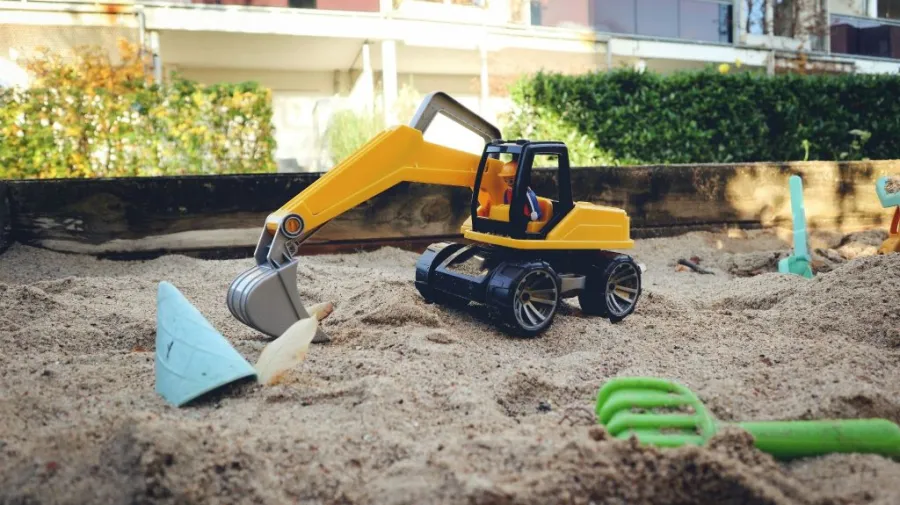
Most of the parents think that a sandpit box is a litter box for neighbourhood pets because of its untidiness. But in reality, a backyard sandpit is a place in your house with never-ending fun for your children. It encourages creativity and creates sensory play. It promotes outdoor activity and serves as a break from unnecessary screen time. But the challenge is to keep it hygienic and safe. For this purpose, a sandpit cover becomes important.
It can protect your loved ones from harmful sun rays, rain, and animals. This guide will explore everything about sandpit covers. You will discover practical DIY sandpit cover solutions, creative sandpit cover ideas, and how to choose the perfect sandpit cover sheet for your needs. Let’s begin!
What is a sandpit cover, and why does it matter?
A sandbox cover is placed over a sandbox as a protective layer when it is not in use. Although it seems like a simple accessory, its main role is to maintain the hygiene and safety of the sand.
Some of the key benefits include:
- Safety from animal intrusion: Uncovered sandpits are considered litter boxes for animals like cats and other animals
- Debris protection: Sand can be contaminated by leaves, dust, and dirt
- Protection from challenging weather: It can be messy on rainy days, while excessive sun can make the sandpit dry
- Enhanced hygiene: A covered sandpit reduces exposure to bacteria and harmful factors
Without a sandpit cover, maintenance becomes much harder, and the play routine can become unhygienic and unsafe for children.
Types of sandpit cover options
Selecting the type of sandbox cover depends on your budget, aesthetic choices, and how frequently you use it. Here are some of its types to consider:
Wooden covers
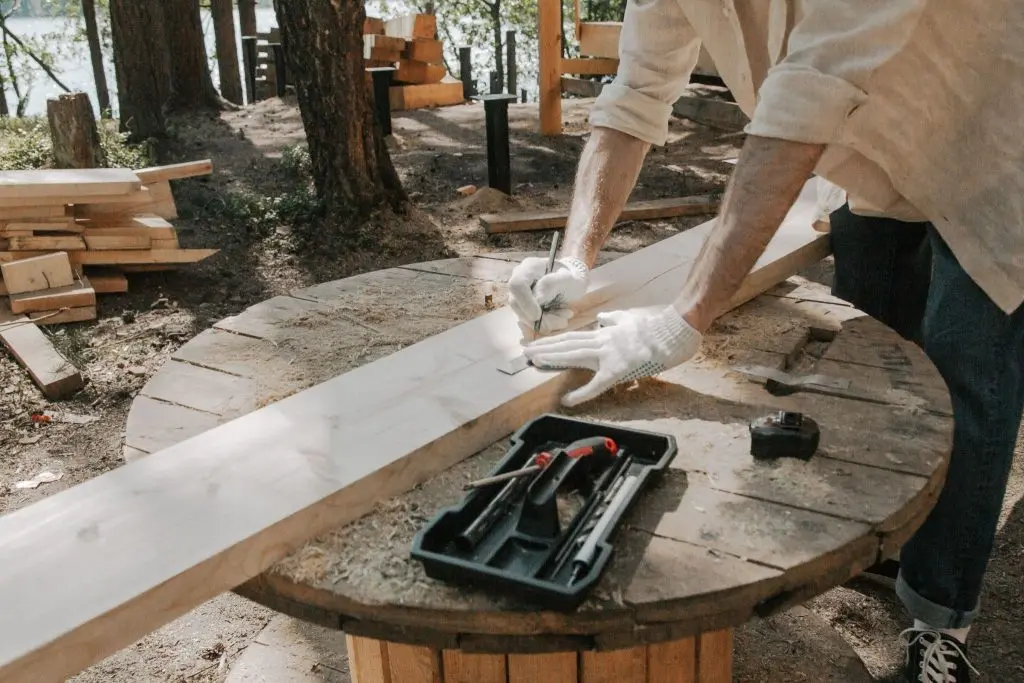
Placing wooden covers is a sturdy and durable option. They often fold into benches or double as seating and serve multifunctional purposes. They are strong and long-lasting and enhance the garden aesthetics. Available in multi-purpose designs makes them more versatile. But the pitfalls are that they are more expensive, and need carpentry skills.
Plastic and tarp sheets
One of the most common solutions is a sandpit cover sheet made from plastic or tarp. The secret behind its popularity is the lower price and the waterproof material. Due to this, it is widely available everywhere.
The negative aspect is its wear and tear over time, and it doesn’t fit properly without adjustments.
Fabric covers
Sandpit covers made from waterproof materials are light in weight. They are convenient to use and easy on the pockets. Their ease of installation and removal is another plus. They are portable and can be carried easily.
Besides the advantages, they are less durable than plastic, and sometimes you may require replacement after a period of time.
Hinged and foldable covers
The different thing about this cover is its attachment to the sandpit and the convenience of opening and closing. It is durable and easy to use, and has a secure fit.
It requires proper installation, and it is less portable than fabric sandpit covers.
DIY sandpit cover: Step-by-step guide
Creating a DIY sandbox cover is a practical and advantageous solution.
Materials you will need
- Measuring tape
- Wooden planks
- Nails and screws
- Hinges
- Waterproof sealant
Steps of construction
Follow these steps to make a professional sandpit cover for your house:
- Measure your sandpit: Measure the length and width of the sandpit accurately to ensure proper fitting.
- Choose the material: Pick the material of your choice, like plastic, tarp, or wood, for durability
- Proper cutting: Cut the material according to the desired measurements
- Assemble the cover: For wood covers, join planks together and attach hinges if necessary. For tarp and plastic, secure the edges with rope and elastic
- Add a finishing touch: Apply a waterproof coating and attach handles for convenience.
Some cost-effective tips
You can recycle wood and make the expenses easier on your pocket. Reusing old tarps is an effective method to save money. Consider low-priced things when it comes to buying new materials.
A DIY project is a pocket-friendly method, and it allows customization based on your garden’s design.
Innovative sandpit cover ideas for your garden

If you are in search of inspiration, here are some creative sandpit cover ideas to enhance style and function.
Creative bench-style
Bench-style sandpit covers turn into seating when opened and are perfect for small spaces and gardens.
Painted wooden covers
Paint the cover with the matching color of your garden theme. It can improve your garden’s aesthetic.
Foldaway panels
Partitioned wooden panels folded neatly to the side save a lot of space. They are ideal for small gardens.
Cord fabric
Being easy to handle and remove when required, they become a popular choice among people. They are simple as well as effective.
Transparent
Transparent covers allow sunlight to pass in. This style is great for maintaining the sand dry.
Picking the right sandpit cover sheet
A sandpit sheet is cheaper and the easiest option. However, the right one needs little attention to detail.
Comparing materials
- Polyethylene is light and waterproof
- PVC is lasting and sturdy
- Canvas is breathable but less waterproof than other materials
Important factors to consider before building
- A properly fitted size prevents gaps and wear
- Water resistance is an important factor to consider for rainy climates
- UV protection protects against material degradation and maintains the quality
- Ease of use makes sure the installation and removal process is quick and hassle-free
Considering these factors and materials will help you choose a better cover sheet. It gives reliable protection with less effort.
Weather concerns and protection
Before investing in a sandpit cover, let’s see how it can resist different weather conditions while keeping your children safe. You know that a well-designed sandbox cover is able to tolerate rain, wind, sun, and other seasonal changes without compromise on purpose.
Obstruction for weather
Rainy weather needs a waterproof cover sheet to prevent water from seeping into the sand. Covering the sandpit fully can lead to trapping moisture inside that can promote bacterial and mold growth with unpleasant odors. To avoid that:
- Consider covers with built-in ventilation holes that allow air circulation.
- UV-resistant materials play a vital role when it is too hot outside. Continuous exposure to the sun can cause the plastic to break and weaken the fabric covers. Choose UV-resistant materials to avoid these damages and keep the cover long-lasting.
- Another neglected factor is wind. Strong gusts blow away lightweight covers if they are not secured correctly. Add drawstrings, elastic edges, or anchors to keep your cover firm when strong wind blows.
Child protection
Safety is crucial, especially when you are making something for children. Consider these points when building a DIY sandpit cover:
- Avoid exposed nails, sharp edges, or heavy lids because they can cause injury. Lightweight panels and smooth closing hinges are alternatives for wooden covers
- Make sure the cover is easy to install and remove for adults. It should not be too easy for the children to open, otherwise, it can cause troubles
Applying these weather-resistant and guarded features to your sandpit cover ideas will protect the sand and it will also create a safer and more durable play environment that stands up to everyday use.
Maintenance tips and tricks for sturdy sandpit covers
Cleanliness
Essential care is crucial to make your sandpit cover remain effective throughout the years. Make sure to take good care of its hygiene and remove the debris regularly. Keep the fabric clean and wash it with mild soap after some time.
Storage
Store it in a cool and dry place when not in use for a long time. Avoid folding wet covers so that it doesn’t get damaged over time.
Seasonal care
Before any season change, check the cover for any damage. If the material is broken or worn, change it immediately.
Maintaining it regularly keeps the cover long-lasting and extends the life of your cover. It protects your sandpit safely from various hazards.
Common errors to avoid
When you make a sandpit cover keep these points in mind:
- Avoid using non-waterproof materials to keep the sand less soggy
- Take care of the measurement, as improper sizing gives poor coverage
- Avoid poor ventilation, as it causes mold growth
- Investing in cheap materials can make it fail quickly
- Ignoring the type of material can lead to a less durable cover
Save your money and effort by choosing the right solution for the long run.
Conclusion
A long-lasting sandpit cover can save your children from harsh weather while playing. It is easy to make and a smart addition to any home. Without proper maintenance, it can quickly turn into a disaster. Therefore, building a DIY sandpit cover or investing in a durable one gives a safe, neat, and enjoyable play area for your children.
Your kids will love the stylish designs, and you will be satisfied by the benefits of sandpit covers. Its cost-effective and versatile style makes the sandbox functional for everyone. Choosing the right choice of materials and maintaining the sandpit cover extends its life and keeps it ready for play all year round.