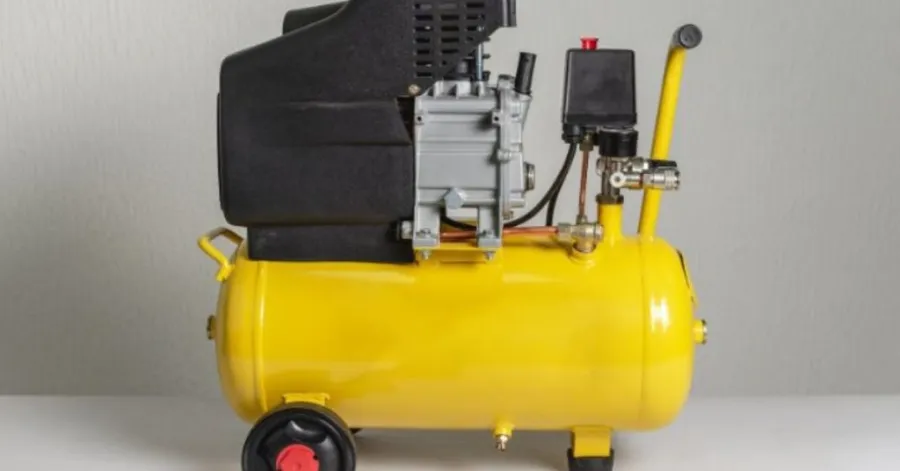
The heart of an air compressor consists of a few basic components that reliably produce and store compressed air. The engine or motor drives the pump. The pump increases the air pressure to deliver the required CFM. The storage tank then fills with air. At the set pressure, the pressure switch triggers the motor. Safety valves allow the system to operate safely and protect it from overpressure.
In this post, we will go over the parts of an air compressor, their functions, and their importance. We’ll also take a look at what are the main parts of an air compressor, how they work together, and how proper care helps to avoid common operating issues.
Table of Contents
What Are the Main Parts of an Air Compressor?
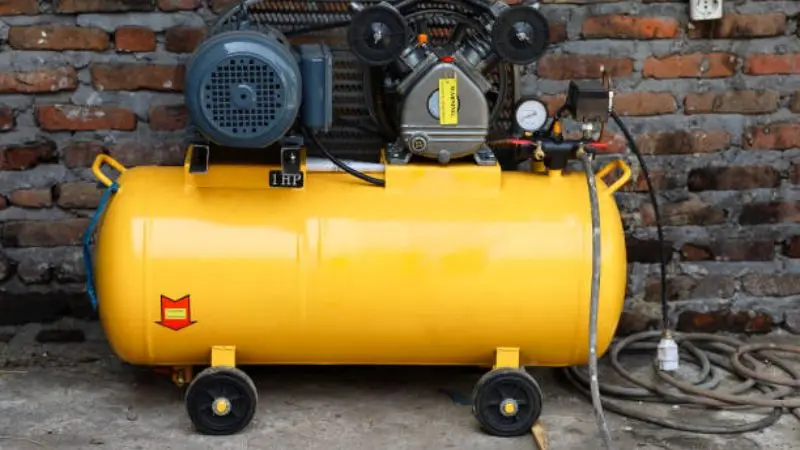
Every machine uses some type of hardware to produce compressed air. What are the components of an air compressor? These parts convert electricity or fuel into compressed air for various pneumatic tools and applications.
Knowing these basic parts helps you identify mechanical problems faster. You can save time during routine maintenance while improving your pneumatic equipment’s efficiency. Regular care also helps keep your workspace safe and your compressor operating reliably.
Recommended For Your Project
Air Compressor Motor
The motor is the primary power source of the entire machine. The power unit is the heart of the system and can be driven by an electric motor or a gas engine. During normal operation, the motor drives heavy shafts or internal belts that power the compressor pump. This shows how do air compressor parts work together to produce compressed air.
You need to choose a motor size that matches your daily workload. Small motor units can use regular home outlets, while heavy industrial applications may require three-phase power. Strong motor operation protects your air compressor parts and supports reliable performance during long working shifts.
Air Compressor Pump
The functional heart of the overall system is the compressor pump. This rugged part draws in outside air through an inlet and compresses it into a smaller volume. How does an air compressor work? The pump creates pressure and sends the compressed air directly into the storage tank.
Piston models compress air inside metal cylinders using moving pistons, while rotary screw designs trap air between two spinning rotors. Regular maintenance helps prevent these important components from wearing out. Check oil levels in lubricated pumps and keep air compressor parts clean to maintain smooth airflow and reliable performance.
How Do Air Compressor Parts Work Together?
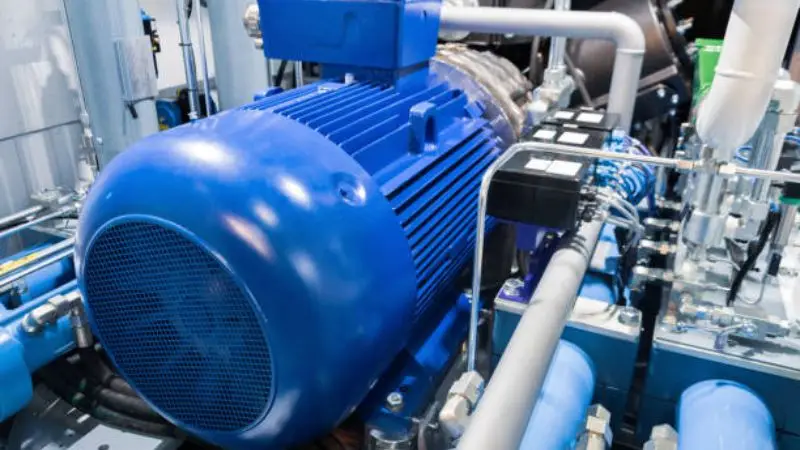
Each component of an air compressor has a defined purpose, and all must work in unison to efficiently produce and deliver compressed air. What does each part of an air compressor do? The intake, pump, storage tank, and pressure controls each handle a different stage of the process, making the system easier to maintain and troubleshoot.
How Air Enters the Compressor
The entry valve sucks air from the outside into the apparatus. Input Air Filter: To keep the air compressor parts clean and prevent them from wearing out too quickly, an input air filter removes dirt and dust before they reach the internal components.
How Air Gets Compressed
The pressure results from the internal mechanism that compresses the incoming air. This approach increases both the amount of air and its pressure. This pneumatic power is available for use in a range of tools and other devices.
How Compressed Air Is Stored
The compressor fills a pressure-tight steel tank with air. The container holds compressed air until it is needed by a pneumatic tool connected to it. This helps maintain a constant supply while the compressed air is in use.
How Air Pressure Is Controlled
The compressor operation is automatically regulated by a pressure switch. It turns the motor off at the preset cut-out pressure in the tank, then lets it start up again when the pressure lowers to the cut-in pressure.
Different Types of Air Compressor Parts
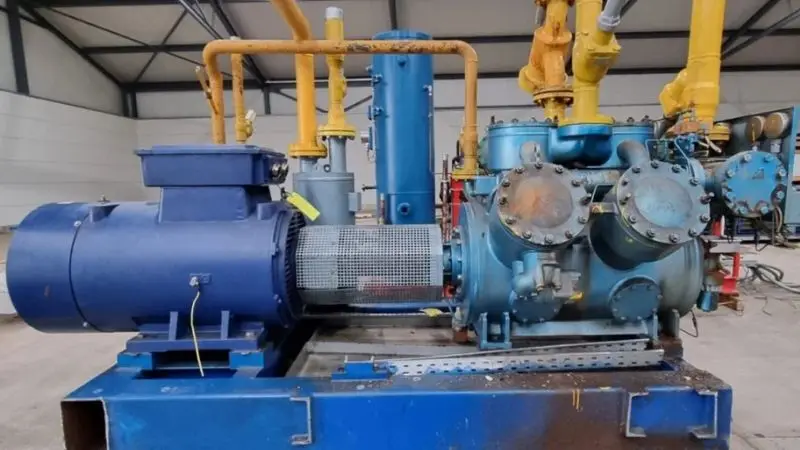
There are many different variants of air compressors, with different component layouts to serve different applications. What are the components of an air compressor can vary depending on the machine’s design and intended use. Understanding these distinctions can help you select the proper machine for your workspace, whether you require a small unit for occasional use or a powerful system for heavy-duty industrial work.
Parts of a Piston Air Compressor
Reciprocating compressors use pistons, rings, valves, and cylinders to compress air. A motor moves the crankshaft back and forth in the cylinder. The back-and-forth motion pulls in air, compresses it, and pushes it to the storage tank. These compressors are often suitable for workshop and intermittent applications.
Parts of a Rotary Screw Air Compressor
The rotary screw compressor compresses and moves air using two interlocked helical rotors. Rotors spin, creating a continual flow of compressed air through the structure. They are smooth, run continuously, and are ideal for workplace use where a consistent airflow over an extended period is needed.
Parts of a Portable Air Compressor
Portable variants have a tiny chassis, smaller engines or motors, and manageable storage tanks. They are lightweight, making them easy to carry from job to job, and ideal for tools that require pressurized air when not set up in a workshop.
You will learn how different devices distribute air for different purposes. What are the parts of an air compressor depend on its design and intended application. Routine inspections and proper maintenance will result in more performance and less wear and tear on components. Your equipment will be ready for daily usage.
How to Choose the Right Air Compressor Parts
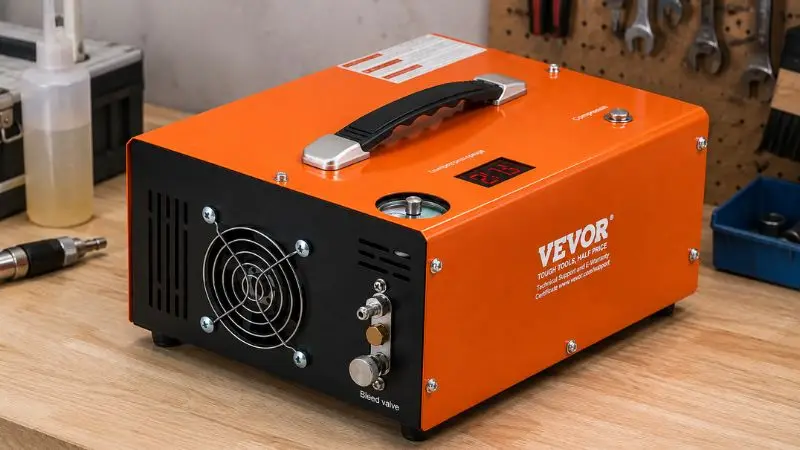
Choosing the right replacement parts is critical to the ongoing operation and efficiency of your compressor. What are the main parts of an air compressor, and how do they differ? This can help you identify the correct replacements. Various compressor models come in different sizes and designs, so check your equipment specifications before buying any component. Using an incompatible part may reduce performance or cause unnecessary wear.
Check Your Compressor Model
First, check the model number, manufacturer specifications, and existing component. Use this information to help you find the right filter, valve, belt, hose, or other replacement part. Understanding what are the parts of an air compressor are can also help you identify the component you need. Also, choosing a part that fits your compressor helps to decrease the chance of installation complications.
Match Parts to Operating Requirements
Factor in the pressure, CFM production, operating hours, and purpose. Machines used all day may require parts that last longer than those in small handheld machines used only sometimes. We want good, stable performance, so we chose parts that will help us meet those needs.
Inspect Parts Before Installation
Always examine new parts before installing to make sure they are not cracked, damaged, the wrong size, or have outdated seals. If there are any moving pieces, make sure they move freely and the joints are tight. Quick inspection to prevent leaks, loss of air, and unwanted downtime.
Use Quality Replacement Components
Quality replacement components can provide better durability and reliable operation. Understanding what does each part of an air compressor do helps you choose suitable replacements. Filters should allow proper airflow, seals should maintain tight connections, and valves should withstand the compressor’s working pressure. Keeping suitable spare parts available also makes routine repairs faster when a component eventually needs replacement.
Check Compatibility Before Replacing Parts
Make sure the replacement part is okay before you replace it. Make sure you verify the compressor model, part number, size, pressure, and connection. In the system, even slight differences can affect component fit and function.
Pressure problems may result from a restricted airflow caused by a faulty air filter or valve. Motor-pump efficiency requires adequate belt length and tension. A few minutes checking these facts can save money and prevent damage.
Check with the manufacturer’s preference before obtaining replacement parts. Keeping track of how do air compressor parts work together can make maintenance easier and help you select suitable components. With the right parts and regular checks, your compressor can continue to operate.
How to Maintain Air Compressor Parts
You can help your air compressor last longer by performing routine maintenance. Regular service protects the system’s internal components and keeps it running properly. Understanding what does each part of an air compressor do also makes it easier to identify worn components and choose the right replacements. When repairs are needed, using original factory parts provides reliable performance and helps protect your warranty.
Clean or Replace the Air Filter
Clean air filters help keep dirt and debris out of the compressor pump. What are the components of an air compressor that need protection? The intake filter is one of the most important because dust buildup restricts airflow and reduces overall system efficiency. Degrading air compressor parts can cause longer cycle times and lower pressure.
Remove any dirty filter elements and blow them out with low-pressure air jets. Replace an extremely dirty or damaged filter immediately. Find the right parts for your air compressor model. Use a real filter for best effectiveness during your tough daily routine. Real factory filters keep damaging dust particles away and maintain optimal airflow.
Check for Air Leaks
Air leaks waste costly energy and make your air compressor work harder. Listen for the harsh hissing of leaks during quiet work breaks. Apply soap to pipe joints, valves, and hose connections. Any leaking mechanical joints will quickly generate bubbles. Small leaks can force the pump to run continuously, creating more heat and wear on internal parts. This shows how do air compressor parts work together to maintain proper airflow.
Promptly replacing worn hoses and broken fittings prevents unexpected equipment malfunctions. Getting the proper parts for your air compressor ensures that all active air lines are sealed tightly. Choose authentic seal kits, valves, and fittings for your equipment. Routine maintenance helps avoid unplanned downtime, protects your equipment, and minimizes service costs.
Conclusion:
Now you understand the basic parts of an air compressor and how they work together to give you consistent power. The motor, the pump, the tank, the pressure controls, and the air-cleaning features all help make operation easy. Routine inspections can help you identify problems before they become costly breakdowns. Routine maintenance should include checks of air filters, safety valves, drive belts, and other components. Proper maintenance may increase the life of your compressor, reduce unscheduled downtime, and keep your pneumatic tools functioning smoothly. When you have the right skills and perform regular maintenance, your air compressor will deliver consistent performance on daily jobs.
FAQ
What are the main components of a system?
An air compressor needs a motor, pump, receiver tank, and pressure switch. The motor runs the compressor pump to create strong air power. The safe storage tank holds pressurized air until your pneumatic tools need it.
Why is ordering correct mechanical components important?
Understanding what are the components of an air compressor helps you choose suitable replacements. Using the correct filters, valves, belts, and seals helps maintain proper pressure, reliable operation, and long-term equipment performance.
How often should you service your machine?
You must service your system every few months based on total running hours. Regular service stops sudden mechanical failure. Inspect intake filters, drain accumulated moisture, and install genuine factory accessories to keep your equipment running smoothly.
What happens when you select factory components?
The importance of using genuine air compressor spare parts lies in protecting equipment efficiency. Cheap non-factory items cause sudden mechanical wear. You secure reliable output by selecting genuine seals and genuine replacement valves during routine maintenance.
How can I tell if an air compressor part needs to be replaced?
How do air compressor parts work when everything is operating normally? Watch for unusual noises, air leaks, pressure drops, overheating, or longer operating cycles. These signs may indicate a worn or damaged component that needs inspection or replacement.