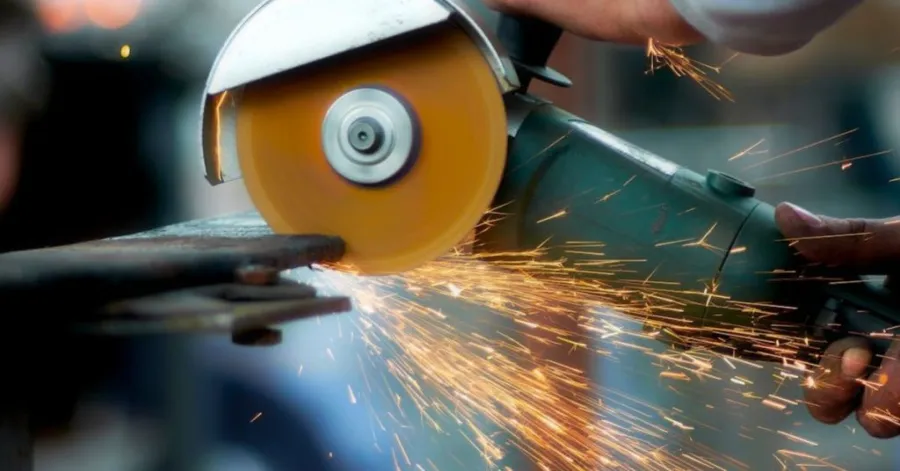
You must think about safety when you use a masonry cutting wheel. Safety gear protects you from flying debris and sharp objects. If you use the tool incorrectly, you can get hurt or break something. You should look at your tool and workspace before you begin. Using a masonry cutting wheel may look simple, but it requires the right technique and proper safety measures. Whether you are cutting concrete, brick, stone, or tile, using the tool correctly helps you achieve accurate results. Understanding how to select the correct cutting wheel and operate your tool safely is very important for every project. With the right preparation and safe practices, you can gain knowledge on how to use a masonry cutting wheel safely. You should always follow each step and remember that safety comes first. Getting ready helps you feel sure and stops accidents.
- Choosing the Right Masonry Cutting Wheel for Safe Cutting
- Essential Safety Equipment and Preparation for Masonry Cutting
- Step-by-Step Guide: How to Use a Masonry Cutting Wheel
- Applying steady pressure and maintaining control
- Best Practices for Safe and Effective Cutting
- Common Mistakes to Avoid When Using a Masonry Cutting Wheel
Choosing the Right Masonry Cutting Wheel for Safe Cutting

Selecting the right masonry cutting wheel is crucial for safe and efficient cutting. Heavy-duty masonry jobs are best suited to diamond wheels, as they last longer. Meanwhile, abrasive wheels are better suited to lighter work and lower-cost projects. Always use the same wheel size, RPM, and type on your power tool to avoid injury and maximize performance. Dry vs. wet cutting wheels also help you select the best and safest cutting tool for your tasks.
Diamond vs abrasive cutting wheels
@milusos502 #vevor #iris @Vevor_US #foryou @Iris #parati
♬ sonido original – milusos502
You have to choose the right cutting wheel for your project. The diamond cutting wheels are filled with small diamond particles, which can cut through hard materials. These wheels have a longer lifespan and guarantee clean cuts. Abrasive cutting wheels consist of a combination of grain and binder. These deteriorate much quicker but are less expensive. An angle grinder will show that diamond wheels are more suited for harder or thicker masonry materials. Which cutting wheel is best for concrete blocks? Abrasive wheels can be used for minor jobs or softer materials. Diamond cutting wheels have small, industrial-grade diamonds along the rim. These diamonds make the wheel extremely strong and durable. Diamond wheels also ensure smoother, cleaner cuts, particularly in situations where appearance and precision are important.
Matching the wheel to your power tool (angle grinder, saw, etc.)
This cutting wheel needs to be matched to the tool. If you use an angle grinder, you should check the wheel’s label. Some wheels can only be used on certain tools. It is important to have the correct center hole size and thickness for an angle grinder wheel. Some wheels are designed for saws and other tools. Before purchasing the best masonry cutting wheel for an angle grinder, it is always better to read your tool’s manual.
- Angle Grinder – Use a masonry wheel of the proper size
- Circular Saw – Use a masonry blade on the correct arbor
- Use a large masonry cutting wheel (Cut-Off Saw)
Selecting the correct size and RPM rating
You must choose a wheel that fits your angle grinder. So, you should look at the diameter and thickness. The wheel must not be too big or too small. You should check the RPM rating on the wheel. Your angle grinder should never spin faster than the wheel’s maximum RPM. Using the wrong size or speed can cause accidents. When users choose the right wheel size, they gain better control over the cutting process. A properly sized masonry cutting wheel for brick wall cutting fits securely onto the tool and spins correctly during operation. This helps users make straighter and cleaner cuts in materials such as concrete, brick, stone, and tile. If the wheel is too large or too small, the tool may become unstable, harder to control, or unsafe to use.
Dry cutting vs wet cutting wheels
Either dry or wet cutting wheels may be used. Dry Cutting Wheels: Cutting wheels used in an Angle Grinder without the use of water. Wet cutting wheels use water to cool the cutting wheel and to reduce dust. A dry-cutting wheel is required for an angle grinder. For larger cuts or if less dust is desired, consider wet cutting. Follow the directions on your wheel and tool. Dry cutting wheels are designed for dry cutting. Most commonly, they are used with hand tools such as angle grinders, hand cut-off tools, and small masonry saws to cut masonry. Angle grinders, handheld cut-off tools, and small masonry saws are frequently used with masonry cutting wheels for reinforced concrete. Dry cutting is easy, convenient, and preferred by many users. This tool can be easily assembled and used without hoses, pumps, or extra equipment. That’s why dry cutting is an ideal option for small projects, fast repairs, or jobs that are challenging to access and where water is not easily available.
Essential Safety Equipment and Preparation for Masonry Cutting
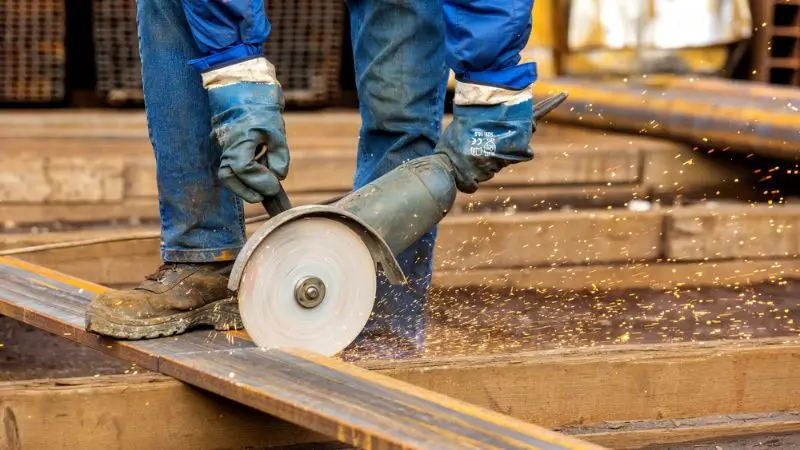
Correct safety equipment and work area setup are essential. The safety glasses, gloves, dust mask, and hearing protection are examples of PPE that will help keep you safe from debris, noise, and bad dust. Also, inspect the cutting wheel for damage, ensure the cutting area is clean and well-lit, and secure the material before cutting. These safety precautions prevent accidents, improve control, and enable more precise, safer cutting.
Personal protective equipment (PPE) checklist
Personal PPE should be used before cutting. Eye protection is always worn whilst flying, as flying debris can go in the eye. What are the safe ways to use a masonry cutting wheel? Many experts also recommend a full-face shield for additional protection. Hearing protection devices should be used to help prevent ear damage from loud noise. Avoid skin contact with hands by wearing gloves. Wearing a dust mask (or respirator) will prevent you from inhaling dust. Additional protection is offered with long sleeves and steel-toed boots.
PPE Checklist:
- Safety glasses
- Full face shield
- Hearing protection
- Gloves
- A dust mask or respirator must be worn.
- Steel-toed boots
- Long sleeves
Inspecting your cutting wheel before use
Before using, check the cutting wheel. Inspect for cracks, chips, or damage. Manually turn the steering wheel and look for wobbling. If there are any problems, replace the wheel. Minor problems with wheels can lead to accidents. Look at the label before using the wheel; it must be suitable for the tool. This will also allow users to maintain high cutting performance. A well-maintained masonry cutting wheel will cut brick walls more smoothly and evenly. It maintains its balance while spinning, allowing for straight, clean cuts. If the wheel is damaged or unbalanced, the tool may vibrate, wobble, or not work as well. This can make the work harder and less correct.
Preparing your workspace for safe cutting
Clear the work area of debris and hazards. Make sure there is sufficient light and that there are no combustible products near the cutting area. It is important to have a fan or open a window to control dust. Have tools & materials within reach. The ideal masonry cutting wheel for an angle grinder produces dust, sparks, noise, and flying debris. These hazards can become hazardous if a safe working space is not provided. Such risks are reduced, and better control of the cutting tool can be achieved by creating a workspace environment. It also helps users concentrate on their task, without distractions or unexpected troubles. One major benefit of working in the prepared area is the reduction in trips and slips.
Securing the material properly before cutting
If you have to cut the material, make sure it does not shift during the cut. Use clamps and/or a sturdy workbench. Double-check that the material will not move. This step will help you make an accurate cut and stay safe. The wheel may bind or kick back if it is not properly lubricated with loose materials. Which cutting wheel is best for concrete blocks? A masonry cutting wheel is a rotating tool that spins at extremely high speeds through hard materials such as concrete, brick, stone, tile, and pavers. When the material is changing positions or moving, the wheel may suddenly lose its control or get stuck. This can result in the tool being thrown back towards the operator and may cause serious injury. The risk of this happening can be reduced, and cutting can be kept safer by properly securing the material. The material remains stable during the cutting process, which makes the tool easier to control and helps to minimize any sudden movements.
Step-by-Step Guide: How to Use a Masonry Cutting Wheel
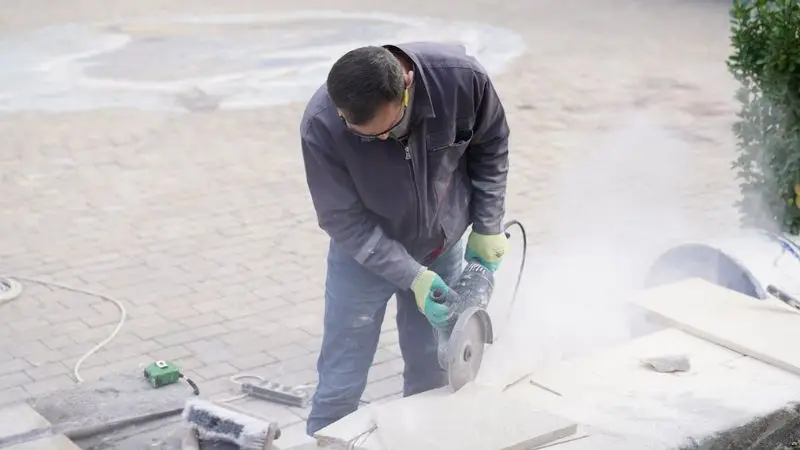
Complete step-by-step instructions for safely and properly operating a masonry cutting wheel. It includes essential procedures such as proper wheel installation, alignment, and safe start of the cut. Applying gentle pressure and letting the wheel do the work helps avoid wheel kickback and reduces wheel wear. Appropriate finishing practices and periodic rest also enhance safety, performance, and the life of masonry cutting wheels.
Mounting the cutting wheel correctly
Unplug the tool or disconnect the battery. The proper masonry cutting wheel has to be used for the job. How to use a masonry cutting wheel safely? Check the label on the cutting wheel to make sure it matches your tool. Put the cutting wheel on the spindle. Use the tool’s wrench to tighten the flange nut after hand tightening. Do not push the cutting wheel into the tool. If any gaps are found or the wheel is loose, take the wheel off and repeat the process. The masonry cutting wheel is mounted properly and sits snugly and evenly on the machine’s spindle. This ensures that the wheel rolls smoothly and does not wobble or shake. By providing users with greater control over the tool, a stable wheel can also be used to create more accurate cuts and improve the overall cutting process. With the wheel in the correct position, straight and clean cuts are significantly easier.
Setting up the tool and checking alignment
Grip the tool tightly and see that the cutting wheel turns freely. Check the alignment sideways. The cutting wheel should NOT shake. If movement is detected, stop and climb onto the wheel again. Ensure that the guard is as large as possible for the cutting wheel. This move will prevent getting hurt when cutting. Correct alignment also allows users to make cleaner, more precise cuts. If the masonry cutting wheel spins evenly, then it is more accurately following the cutting line. It is particularly important for projects that require straight cuts or neat edges, such as tile installation, paver cutting, or decorative masonry. A properly aligned wheel allows the user to move the tool through the material without unnecessary movement.
Starting the cut safely
Use chalk or a pencil to mark your cutting line, and grip the tool with two hands. Be to the side of the cutting wheel, not directly behind it. Press the START button and run the cutting machine’s wheel before contacting the material. Slowly drop the spinning cutting wheel onto the mark. Take your time doing this step. Safe masonry cutting wheel for brick wall cutting also allows users to maintain a better grip of the tool. The two-handed grip and body position are much more balanced and stable. Users should stand slightly off to the side of the cutting wheel, not directly behind it. This safer position will minimize the risk of injury if kickback occurs. Improved body positioning also increases users’ confidence and control over their bodies when operating the tool.
Applying steady pressure and maintaining control
Guide the masonry cutting wheel along the line with slow, steady pressure. Let the cutting wheel do the work. You should not push hard. Keep your hands steady and your grip firm. If you feel the tool kick back or bind, stop cutting and check your setup. Steady pressure helps you make a clean cut and keeps the cutting wheel from wearing out too fast. A masonry cutting wheel is designed to cut through hard materials such as concrete, brick, stone, tile, and pavers. The wheel spins at very high speeds and is built to grind through these materials gradually. If users apply too much pressure, the wheel may overheat, wear out quickly, or become difficult to control. Letting the wheel do the work naturally helps users achieve better results with less effort.
Completing the cut without damaging the material
Finish the cut by following your line all the way through the material. Do not twist or bend the cutting wheel. Lift the tool away from the cut before turning it off. Check your work for cracks or chips. If you see damage, adjust your technique next time. Clean the best masonry cutting wheel for an angle grinder and store it in a dry place after cutting. Masonry materials can be hard, but many of them are also brittle. This means they can crack, chip, or break if the cutting process is rushed or handled incorrectly. Carefully completing the cut helps users avoid damaging the material’s surface or edges. This is especially important for projects where appearance matters, such as tile installation, decorative stonework, patios, or landscaping projects.
Best Practices for Safe and Effective Cutting
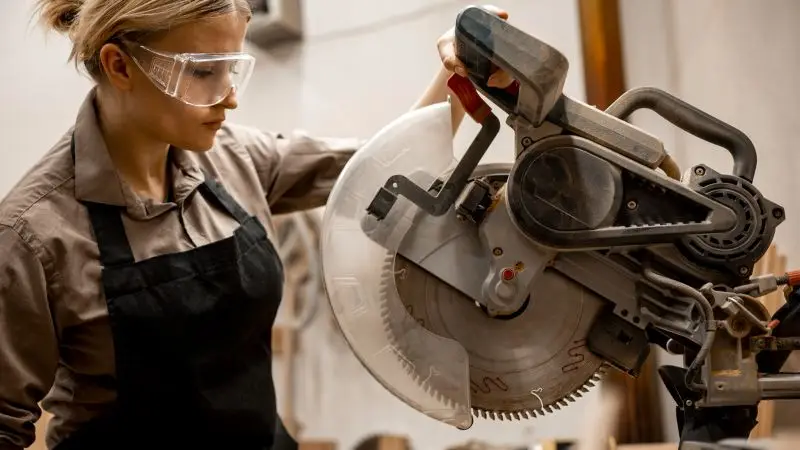
The use of good cutting practices leads to better control and a decreased risk of injury. It is best to let the tool cut at its own speed, maintain a constant cutting speed throughout the process, and avoid applying excessive pressure to the material. Health and safety are protected by good dust control, such as wearing appropriate personal protective equipment and maintaining a clean work area. Regularly checking whether the machine is overheating, taking breaks, and checking the guard are also essential to ensure safe operation and improved cutting performance.
Let the tool do the work—avoid forcing the blade.
You should let your tool do the work. Pushing too hard may cause injury to the wheel and/or the material. Never hold the hands while cutting concrete; let the cutting wheel work. The guard will protect you in the event of a wheel slipping. Plenty of experts offer tips on slow, steady movements. These tips will help prevent accidents. A masonry cutting wheel for brick wall cutting is designed to cut through hard materials such as concrete, brick, stone, tile, and pavers at a speed suited to the material. Rotates at extremely high speeds, slowly grinding the material. If users let the wheel do its job in a steady, controlled manner, the cutting operation is safer and more efficient. If you encounter any resistance, pause and inspect your setup. The guard should be on wheels, and protective gear should be in place.
Maintaining a consistent cutting speed
When operating a masonry cutting wheel on concrete or grinding concrete, it is important to maintain a constant speed. When you hurry, you can get out of control. The guard provides you protection from sparks and debris. Avoid abrupt stopping or sudden movements; use smooth movements. Here are some hints to stay in the same speed range:
- Take it easy and gradually increase your speed.
- Look for and listen to changes in the signal.
- Take up the ball with both hands for added control.
- Frequently inspect the guard.
Managing dust and debris effectively
Dust and debris are a problem when cutting or grinding concrete. Most of the flying particles are prevented from passing through the guard. A vacuum or a fan should be used for ventilation. Use dust extraction systems to prevent inhalation and eye exposure to dust. The guard is always to be checked before starting. Be sure to tidy up after each cut.
Here are a few tips to help manage dust:
- Wear a dust mask: This will help prevent the inhalation of harmful dust particles.
- Install a fan: it helps keep the air cleaner and ventilates the space.
- Work surface is cleaned frequently: Minimizes dust accumulation and safety risks.
- Review guard position: Helps to prevent flying debris and enhances safety.
Avoiding overheating and blade wear
It is important to keep a lookout for any signs of overheating. The wheel can get very hot and wear out quickly. The guard prevents your hands from coming into contact with hot sparks. Take breaks between cuts. If your wheel allows it, use water. These tips will help you determine which cutting wheel is best for concrete blocks. Here are some suggestions for making your cutting wheel last longer.
Here are some suggestions to prevent overheating:
- If you see smoke or notice burning, STOP.
- Remove the wheel from the hot seat until it’s cool.
- After each use, inspect the guard for damage.
- Keep wheels in a dry area.
Common Mistakes to Avoid When Using a Masonry Cutting Wheel
To cut safely and effectively with a masonry cutting wheel, it is important to avoid common mistakes. Appropriate wheel type, correct RPM, and proper personal safety gear minimize accidents and tool damage. Gently pressing and holding a firm, stable grip increases control and decreases kickback. Periodic safety inspections, correct handling, and operation contribute to smoother cuts, longer wheel life, and safer working conditions.
Using the wrong wheel for the material
Choosing the right wheel is critical. Different grinding wheels are better suited to different materials. Mining equipment with metal wheels on concrete surfaces will wear out quickly. It can also cause the tool to recoil. Before starting a wheel, always read the label on the wheel. Be sure to get the best masonry cutting wheel for use with an angle grinder. The right wheel helps make cuts safely and ensures good cuts. There are several cutting wheels designed for various materials. Some wheels are made for concrete, brick, stone, or tile, and others for metal or wood. There are different designs, cutting edges, and strength levels with each kind of wheel. A masonry cutting wheel is a specially designed cutting wheel designed for hard masonry materials. The cutting process might become unsafe and inefficient if users choose the wrong wheel.
Ignoring RPM limits and safety ratings
Each grinding wheel has a maximum rotational speed (RPM). A grinder speed of this much is not to be surpassed. Under normal operating conditions, the wheel may split if the RPM limit is exceeded. This can result in “kickback” and injury to you. Check the RPM on the wheel and tool before using the grinder. Always operate at the proper speed, for safety and to prevent damage to tools. How to use a masonry cutting wheel safely? A masonry cutting wheel is a spinning wheel that cuts hard materials like concrete, brick, stone, tile, and pavers. The wheel has to be strong enough to handle the wheel speed without posing any safety risks. RPM is a rating that shows the maximum rotational velocity at which the wheel should be used without becoming unstable or unsafe.
Cutting without proper PPE
People are injured every day due to not wearing safety equipment. Dust and fragments from grinding and cutting concrete are everywhere. Safety glasses, a dust mask, gloves, and strong clothes are to be worn. A dust mask or respirator protects your lungs from the dust. Do not operate a grinder without all of your safety equipment. The best part about wearing the right PPE is that it provides eye protection. Users are protected from flying particles and sharp debris by safety glasses or a full-face shield. Any amount of concrete or stone can cause serious injury to the eye if adequate protection is not employed. Safety glasses will allow you to work with confidence, knowing your eyes are protected while cutting.
Applying excessive pressure
Under excessive pressure, the grinding wheel wears out very rapidly. It also increases the likelihood of kickback occurring. Apply gentle pressure and allow the grinder to take the pressure. Excessive force may cause the wheel or the material to break. Be careful and don’t push the tool. This way, you will ensure that your cuts remain smooth and safe. A masonry cutting wheel for brick wall cutting is best operated if it can move smoothly and steadily through the brick wall. If the force is just too much, the wheel will wobble, move away from the cutting line, or roughen the edges. The controlled pressure allows the wheel to follow the cutting line more accurately and cut cleanly and professionally. Excessive pressure will also help to prevent damage to the masonry cutting wheel.
Poor tool handling and unstable grip
When using a grinder with one hand, you lose control. This error may lead to kickback and injury. Use two hands to hold the grinder. Stay on the side of the cutting line and maintain your balance. To safely use the grinder and to complete the job properly, good handling will be useful. You have learned the proper way to use a masonry cutting wheel. Follow all the steps every time. Inspect all safety equipment before starting work. Frequently read the safety rules and keep your tools clean and in good working condition.
Here are a few tips:
- Please wear protective equipment at all times.
- Before you begin, take a look at your wheel and workspace.
- Never push or pull the tool. Let it do the work.
Be attentive and think of safety!
Wrap UP
Masonry cutting wheel safety and effectiveness depend on the tools used, masonry preparation, and cutting skills. How to use a masonry cutting wheel safely? The proper selection of the cutting wheel for the material and power tool enhances cutting capability. The safety equipment (safety glasses, gloves, hearing protection, dust masks) is important for protecting you from debris, dust, and noise while cutting. A cutting wheel should always be checked before using, and a clean work area should be prepared. The material should be held securely to ensure better control. Applying steady pressure and taking the proper steps to cut the wheel, including mounting it properly, checking its alignment, and applying pressure, helps to ensure cleaner and more precise cuts. With the above best practices and safety suggestions, the masonry cutting project can be accomplished more safely.
FAQ
Which materials will you use a masonry cutting wheel for?
A masonry cutting wheel is used to cut concrete, brick, stone, and tile. Please refer to the wheel labeling for the materials with which the wheel is most compatible.
When should you change the cutting wheel?
Replace if cracked, chipped, or wobbly. A worn-down wheel will also cut poorly and can break.
Is it possible to use a masonry cutting wheel on metal?
No, a masonry cutting wheel should NOT be used on metal. Every wheel is optimal for use with a different material. Cut metal with a metal cutting wheel.
Why is the wheel overheated when cutting?
If you push too hard or cut for too long without breaks, a wheel will become overheated. Allow the tool to rest, then apply light pressure to keep the wheel cool.