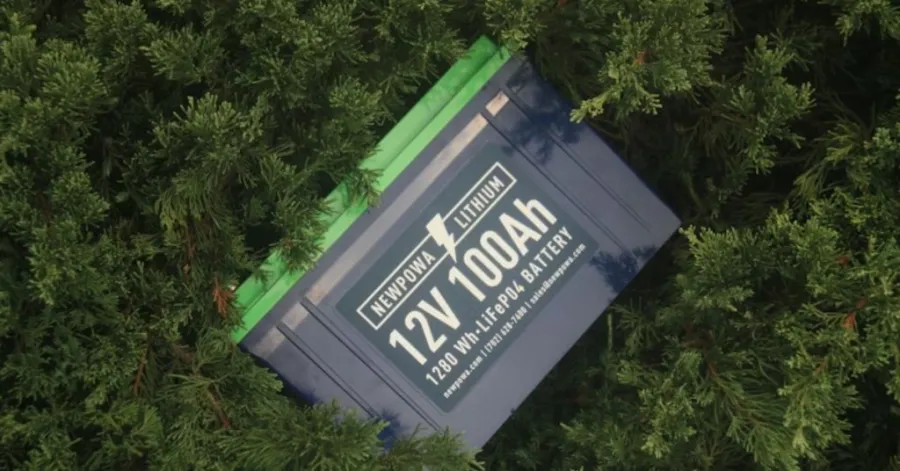
You want the best battery for your golf cart in 2026. The Lithium golf cart batteries offer longer lifespan, better performance, and zero maintenance. So, you should spend less time worrying about charging or upkeep. When you compare lithium golf cart batteries to deep-cycle batteries, you see clear advantages. Lithium golf cart batteries vs. deep-cycle: both options are widely used, but lithium batteries weigh less and keep your cart running strong. You get more value and fewer headaches. In this blog, we break down how both battery types work, their key features, and real-world performance differences. You will also learn about cost comparison, maintenance needs, driving range, and environmental impact. By the end, you will have a clear understanding of which battery is better suited for your golf cart lifestyle.
- What Are Lithium Golf Cart Batteries and How Do They Work?
- What Are Deep Cycle Batteries and How Do They Work?
- Lithium Golf Cart Batteries vs Deep Cycle: Key Differences
- Cost Comparison Between the Lithium and Deep Cycle Batteries
- Performance Comparison of Lithium vs Deep Cycle Batteries
- Maintenance: Which Battery Type Is Easier to Manage?
- Pros and Cons of Using the Lithium Golf Cart Batteries
- Pros and Cons of Using Deep Cycle Batteries
What Are Lithium Golf Cart Batteries and How Do They Work?
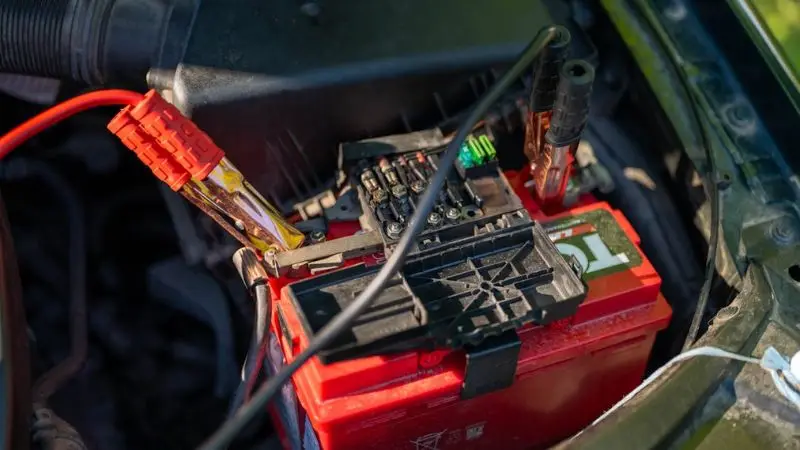
Advanced lithium battery technology involves lithium ions moving within the battery to deliver consistent power. LiFePO4 is the most popular due to its safety, longevity, and performance. These low-maintenance, fast-charging batteries are lightweight. All in all, they offer greater efficiency, more consistent power, and greater range for golf carts.
How Lithium-Ion Batteries Work in Golf Carts
Lithium golf cart batteries provide your cart with a new power source. Lithium ions are transported between the anode and cathode. When the battery is charged, the ions move in one direction. The ions reverse direction when the cart is driven. This creates electricity for your cart. The battery provides consistent power with each use. It can be recharged multiple times, is longer-lasting, and performs better than older batteries. It’s aware of the life of lithium golf cart batteries vs. lead-acid batteries. It’s why lithium batteries are more powerful and consistent when powering you. This feature is helpful to users, as it helps them understand the charging behavior. The ions move more efficiently within the lithium batteries, resulting in a faster charge time.
Common Types (LiFePO4 vs Other Lithium Variants)
There are different lithium batteries for golf carts. LiFePO4 (lithium iron phosphate) is the most popular one. This type is safe, long-lasting, and provides a relentless power supply. Other types, such as lithium nickel manganese cobalt (NMC), are also used. These batteries won’t overheat quickly, and can be used thousands of times. You can count on them to keep your cart running for years. There are several lithium technologies, with varying strengths, safety, life, and performance capabilities. After reading about these types of batteries, will lithium golf cart batteries be worth it? The LiFePO4 battery is safer and performs better than most other lithium battery packs used in golf carts. They can endure thousands of charge cycles before their performance decreases.
Key Features of Lithium Golf Cart Batteries
There are numerous advantages to lithium golf cart batteries when compared with deep-cycle batteries. Lithium batteries offer greater range, fewer hassles, and better performance. Using a lithium battery is a good option for a golf cart. Users know how and why lithium batteries are popular for today’s golf carts. In doing so, you will be better equipped to make the best decision when comparing lithium golf cart batteries with deep-cycle batteries.
Here are some that are crucial:
- Lightweight: These batteries are much lighter than deep-cycle batteries.
- Quick Charge: They charge quickly.
- Long-Lasting: They have a lifespan of up to 10 years.
- No Water or Cleaning: They require no water or cleaning.
- Even Power: Your cart keeps its strength until the battery is spent.
What Are Deep Cycle Batteries and How Do They Work?
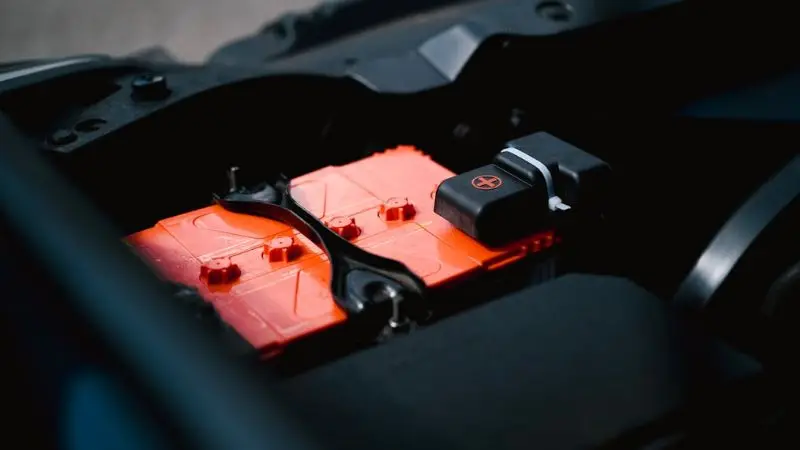
Deep-cycle batteries are used to store energy and discharge it at a low rate. They generate power through chemical reactions when charged and used, using lead plates and an electrolyte. These batteries deliver consistent and dependable power and can be recharged numerous times. One of the main reasons for their popularity is that they are inexpensive, replaceable, and suitable for standard use in golf carts.
How Deep Cycle Lead-Acid Batteries Work
Lithium golf cart vs. deep-cycle battery lifespan is important because deep-cycle batteries help extend your golf cart’s lifespan. Its operating time is extended by slowly charging and discharging. Lead-acid is the most common type of battery. Inside, there are lead plates and a liquid called an electrolyte. When the battery is charged, a chemical reaction occurs. In this reaction, energy is stored in the battery. Another reaction occurs when you use your cart. This will make your cart strong. Deep-cycle batteries are rechargeable and can be used repeatedly. They provide consistent power each time you drive, and deep-cycle batteries are not car batteries. Car batteries give quick bursts of power. Deep-cycle batteries deliver steady power for longer.
Types of Deep Cycle Batteries (Flooded, AGM, Gel)
There are a few types of deep-cycle batteries you can choose from. The oldest type is flooded lead-acid batteries. They will have to be cleaned, and water added. AGM batteries have a special mat to retain the liquid. AGM batteries don’t require any watering. A thick gel medium is used in gel batteries. Gel batteries do not shake very much and perform well on rough terrain. So, there are some advantages and disadvantages of each type of battery. This guide assists users in selecting the appropriate battery for their golf cart, lithium golf cart batteries vs. deep-cycle batteries. Describes in simple terms the differences in maintenance, durability, cost, and performance. Knowing this battery type can help users select a battery that offers the right combination of affordability.
Why Deep Cycle Batteries Are Used in Golf Carts
People use deep-cycle batteries because they provide steady power. Golf carts need energy for long rides and many stops. Deep-cycle batteries can be charged and used over and over. Lead-acid batteries cost less than lithium ones. You can change them out easily. Many golf carts use deep-cycle batteries because they are reliable and inexpensive. You get a battery that fits your budget and keeps your cart going. This feature explains how deep-cycle batteries are designed for steady, long-lasting power. It also explains why they are practical for everyday use in golf carts. It is built to deliver power slowly and continuously over a long period.
Lithium Golf Cart Batteries vs Deep Cycle: Key Differences
The replacement cost is also lower since lithium Golf Cart Batteries last much longer (8-10 years) than deep-cycle batteries (3-5 years). They charge faster, consume less energy, and are lighter, thereby enhancing the cart’s performance and efficiency. They are less wasteful and have a longer life since they are more eco-friendly.
Battery Lifespan Comparison
When you compare lithium golf cart batteries to deep-cycle batteries, you see a big difference in how long each battery lasts. Lithium golf cart batteries often work for 8 to 10 years. Deep-cycle batteries usually last 3 to 5 years. You get more years of use from lithium. This means you replace your golf cart batteries less often. You get a lithium vs. deep-cycle battery lifespan comparison by learning about these steps. By comparing battery lifespan, users can make a smarter decision based on their driving habits and budget. Battery lifespan comparison also helps users understand the importance of charge cycles. It helps users understand the true value of a golf cart battery.
Charging Time and Efficiency
Lithium batteries charge much faster than deep-cycle batteries. You can often charge a lithium battery in just a few hours. Deep-cycle batteries may take 8 hours or more to charge, and lithium golf cart batteries also hold their charge better. You waste less energy during charging, saving time and power. This is one of the most important features to consider when comparing lithium golf cart batteries vs. deep-cycle batteries. Because charging speed and energy efficiency directly affect convenience, performance, and long-term cost, they also help users’ batteries better fit their daily driving needs and lifestyle. Users can see why lithium batteries often last longer and maintain better performance.
Weight and Size Differences
Lithium golf cart batteries are much lighter than deep-cycle batteries. They can be easily lifted and installed. Lighter batteries enable your cart to run faster and conserve energy. Deep-cycle batteries are bulky and heavy, which will increase your cart’s weight. The first benefit of lithium batteries is that they are a lot lighter than traditional deep-cycle lead-acid batteries.
In most cases, lithium batteries are 30% to 50% lighter. The lighter weight benefits the user in a couple of key ways. The lighter design may also enable the cart to travel farther on a single battery charge, as less energy is needed to move it.
Maintenance Requirements
Lithium batteries need not be cleaned or rewatered. This is practically maintenance-free, and deep-cycle batteries require regular checks. It requires water and cleaning of its terminals. When you miss them, your batteries run down. Are lithium golf cart batteries worth it? With lithium batteries, the worry is taken out of the equation, and users can concentrate on playing golf instead of caring for their golf cart. This feature helps users save time. Older deep-cycle lead-acid batteries require ongoing maintenance to perform properly. This is particularly beneficial for individuals who are seeking a hassle-free resolution. Not all people can properly maintain batteries.
Performance and Power Output
Lithium golf cart batteries give steady power until they run out. The cart does not lose speed as the battery’s charge decreases. As deep-cycle batteries get low, they lose power. Near the end of a charge, you may find that your cart is moving more slowly. By knowing these differences, the user can select the battery type that provides the optimum driving experience. Lithium batteries do not produce a power surge when you start your car and will last until the battery is nearly empty. This means golf carts maintain a steady speed throughout the ride. helps users understand how battery technology affects golf cart driving.
Environmental Impact
Lithium batteries have a lower environmental impact than deep-cycle batteries. They last longer and need fewer replacements. How long do lithium golf cart batteries last vs. lead-acid batteries? Deep-cycle batteries use lead and acid, which can harm the environment if not recycled. If damaged batteries are improperly disposed of, harmful materials may leak into the environment. Lithium batteries usually last much longer than deep-cycle lead-acid batteries. A lithium battery can often work for 8 to 10 years, while deep-cycle batteries may only last 3 to 5 years.
Cost Comparison Between the Lithium and Deep Cycle Batteries
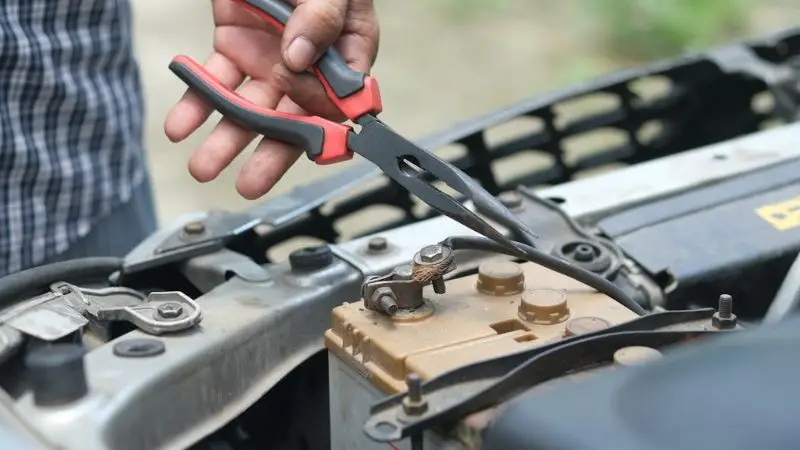
Lithium golf cart batteries are more expensive upfront than deep-cycle batteries; however, their benefits over the batteries’ lifespan make up for it. While lithium batteries last many times longer, deep-cycle batteries cost less up front. They offer a lower cost per charge cycle due to their durability and performance efficiency.
Upfront Cost Breakdown
When you shop for golf cart batteries, you notice a big price difference. Lithium golf cart batteries usually cost more at first. You might pay two or three times as much for a lithium battery as for a deep-cycle battery. For example, a set of deep-cycle batteries can cost between $600 and $900. A set of lithium golf cart batteries can cost $1,500 to $3,000. Are lithium golf cart batteries worth it? You pay more for lithium at the start, but you get more features and better performance. These steps help users make smarter financial decisions based on their budget and long-term needs.
Long-Term Value and ROI
You’re wondering whether the extra expense is worth it. Lithium golf cart batteries can last up to 100 times longer than deep-cycle batteries. Deep-cycle batteries should be replaced every 3-5 years. Lithium batteries may have a life of up to 10 years. This equates to lower overall battery purchases. Saving on maintenance costs is another advantage, as there is no need to water/clean lithium batteries. You see real savings over the years. Consider the cost difference between lithium and deep-cycle batteries, and estimate the number of deep-cycle battery replacements over 10 years. There is a long-term cost to a deep-cycle option.
Cost Per Charge Cycle
An indicator of value is the cost per charge cycle. The number of cycles lithium golf cart batteries can withstand ranges from 2,000 to 5,000. Deep-cycle batteries typically have a cycle life of 500-1,000 times. When the total cost is divided by the number of cycles, lithium batteries provide more for the money. Lithium golf cart batteries can be compared with deep-cycle batteries, and it is clear that lithium batteries are more economical in the long run. You aren’t spending as much on replacements and have more reliable power for your golf cart.
- Lithium: Cheaper per cycle, more savings over the life of the battery.
- Deep Cycle: Higher cost per cycle, less savings.
Performance Comparison of Lithium vs Deep Cycle Batteries
Lithium golf cart batteries, compared with deep-cycle batteries, provide a longer driving range. These also offer better uphill performance and on uneven surfaces, with more power and greater consistency. They are also more reliable in extreme hot or cold weather conditions. In general, golf carts also perform better in practical settings with lithium batteries, thanks to their smoother, stronger, and more reliable performance.
Range Per Charge
You want to get the maximum driving range from the battery. Lithium batteries provide much more range than deep-cycle batteries. A lithium battery can last for 30 to 40 miles on a single charge. Typically, deep-cycle batteries provide 15 to 20 miles of range. This means you will spend more time driving and less time charging—more freedom in the course or neighborhood. The longer range gives users more time to drive before they need to recharge the battery, more work to accomplish, and farther distances to cover. Users are more comfortable and less interrupted throughout the day.
Performance on Hills and Rough Terrain
Hills and rough spots may be in golf courses and paths. Lithium batteries make it easier to ride up steep hills. Your shopping cart never slows down, even when going down a steep hill! On hills, deep-cycle batteries can lose power. Your carts might be slow or low on stock. Lithium batteries should be used when driving on rough terrain. Because of the lithium vs. deep-cycle battery lifespan comparison, it also provides consistent performance. You’re not concerned about losing speed and/or being stuck. If you want your cart to handle tough terrain with ease, choose lithium.
Consistency of Power Output
You want your golf cart to feel strong from start to finish. Lithium batteries deliver consistent power during the whole ride. Your cart keeps the same speed until the battery is almost empty. Deep-cycle batteries lose capacity as they drain. You may notice your cart slowing down before the battery runs out. Consistent power makes your ride smoother and more enjoyable. Users do not experience sudden slowdowns or poor performance, making driving more predictable and enjoyable. By understanding this feature, users can clearly see why lithium batteries feel more reliable in real-world use.
Performance in Extreme Temperatures
The weather can affect how well your battery works. Lithium batteries perform well in hot and cold temperatures. You can use your cart in the summer heat or the winter chill without issue. Deep-cycle batteries can lose power in extreme weather. Cold can make them weak, and heat can shorten their life. If you live in an area with changing weather, you should choose lithium golf cart batteries rather than deep-cycle batteries. This feature also helps users better handle different driving conditions. It helps with planning trips, especially for users who rely on their golf carts to get around large areas.
Maintenance: Which Battery Type Is Easier to Manage?
Unlike other battery types, lithium golf cart batteries are easy to maintain because they require no watering or frequent cleaning. Deep-cycle flooded batteries must be maintained regularly; distilled water should be added and terminals cleaned to prevent damage. Lithium batteries are also easier to store because they retain their charge longer.
Watering and Cleaning Requirements
A battery that is simple to take care of. No water or cleaning is required for lithium golf cart batteries. Never need to inspect the fluid or wipe off the ends. Distilled water is the only water that can be added to flooded lead-acid batteries. It is also important to ensure the ends are cleaned to prevent rust. The user is responsible for checking the water level in each battery cell and filling with distilled water as necessary. Without doing these steps, your battery may lose power or fail to start. One of the easiest and most practical differences between lithium golf cart batteries and deep cycle batteries is the need for maintenance. Reduces the occurrence of common errors that may lead to a shorter battery life or to unexpected failures.
Storage and Charging Tips
The Lithium batteries are easy to store, but you need to store and charge them properly. They can be stored in the shopping cart for months. This loss of charge is very small and insignificant if they are not being used. Deep-cycle batteries require more maintenance. They must be kept in a cool, dry area. Before storing them, make sure that they are charged. Leave deep-cycle batteries unmaintained, and they can be damaged.
- Keep lithium batteries at any charge level.
- Pre-charge Deep Cycle batteries before storage.
- Do not store batteries in areas with extreme temperatures.
Common Maintenance Mistakes to Avoid
If you don’t take the proper steps, you can make mistakes. A lot of people tend to forget to put water in deep-cycle batteries. Some people use tap water instead of distilled water. Some tend to get grimy at the ends. These errors will reduce battery life. There are several problems that lithium batteries overcome. Need to check only for loose wires. Always follow the directions in the battery manual. Follow the steps for your battery type, and how long do lithium golf cart batteries last vs. lead-acid? Your battery will stay healthy, and your golf cart will stay in working condition.
Pros and Cons of Using the Lithium Golf Cart Batteries
Lithium golf cart batteries offer numerous benefits, including long lifespan, rapid charging, lightweight design, and no maintenance. These batteries are also eco-friendly as they are durable and generate less waste. The user needs to verify compatibility and understand the proper charging conditions to achieve optimal performance from the upgrade.
Advantages of Lithium Batteries
Lithium golf cart batteries offer several benefits. They will make your cart go further and longer. There’s not much to care about them. A lithium vs. deep-cycle battery life comparison shows that deep-cycle batteries are adversely affected by frequent use. If you want an easy, reliable battery, you can’t go wrong with lithium batteries.
This is because there are many prominent benefits:
- Long life: They live up to 10 years. New ones will not have to be purchased frequently.
- Fast Charging: They can be charged in as little as a few hours. This will allow you to return to driving sooner.
- Lightweight Design: Your cart has a lighter design and uses less energy. The battery can be easily removed.
- No need to change water or clean end: Zero Maintenance. This will save you time and work.
- Stable Power: Your cart will maintain the same speed until the battery dies.
Disadvantages of Lithium Batteries
There are a few disadvantages to lithium golf cart batteries. When moving to lithium, please check your Golf Cart and Charger first. If so, be sure to peruse the battery guide or follow the procedure outlined below to avoid problems—a great option to choose a Lithium Golf Cart Battery over a lead-acid battery. But there are a few factors to consider. Compare the advantages and disadvantages, and determine if lithium is ideal for your golf cart.
These are important to be aware of before buying one.
- Upfront Cost: High cost of lithium batteries. The cost of can batteries is 2-3X that of deep cycle batteries.
- Special Charger Needed: A charger that is designed for lithium batteries is required. The battery will be damaged if the incorrect charger is used.
- Compatibility Issues: Some older golf carts might not be compatible with lithium batteries. May have to change the cart.
- Limited Recycling Facilities: Some places may not have the capability to recycle lithium batteries.
- Risk of Overcharging: They could have a shorter lifespan if they are not charged properly.
Pros and Cons of Using Deep Cycle Batteries
Lithium golf cart batteries offer numerous benefits, including long lifespan, rapid charging, lightweight design, and no maintenance. These batteries are also eco-friendly as they are durable and generate less waste. The user needs to verify compatibility and understand the proper charging conditions to achieve optimal performance from the upgrade.
Advantages of Deep Cycle Batteries
There are numerous reasons to opt for deep-cycle batteries for golf carts. These batteries have been used for a long time and are trusted. They can deliver a steady power output even on longer trips. The cost difference between the lithium and deep-cycle batteries is also covered in this point. The deep-cycle batteries are more cost-effective than lithium batteries. They can be easily replaced when necessary. Most golf carts are already outfitted with deep-cycle batteries, so no golf cart or wiring will have to be replaced.
- Low entry fee. Low start-up costs.
- You can purchase and change it easily.
- It has been a trusted technology for many years.
- Ideal for short journeys.
- Works with the majority of golf carts
Disadvantages of Deep Cycle Batteries
You should know the disadvantages of deep-cycle batteries before making the purchase. These batteries need to be maintained regularly. Water has to be added, and the ends cleaned. So, deep-cycle batteries weigh more than lithium batteries. Your cart could be slower and use more energy. They also don’t last as long, so you’ll need to purchase new ones more frequently. As deep-cycle batteries get low on charge, they lose capacity. Your cart may slow down at the end of the ride. They also dispose of excess waste and environmentally damaging materials.
- Needs care often
- Heavy and big
- Lasts only 3-5 years
- The more the battery drains, the less power it will have.
- Not good for the environment
Wrap Up
A lithium golf cart battery has a longer life expectancy, less maintenance needs, and better performance in 2026. You’ll be more likely to get more value and fewer problems. Deep-cycle batteries are still the better choice for those seeking a more affordable alternative to lithium batteries. Before upgrading, check the cart’s battery and charger. Purchase from trusted vendors or online retailers for the best deals. For optimum results, it is important to select the right battery for your needs and budget. Ultimately, the key is how often you use your golf cart and how much convenience you desire. By understanding these key differences, you can confidently select the battery that best fits your needs and ensures a smoother driving experience.
FAQ
When to Change Your Golf Cart Battery?
You see, your cart is less responsive or doesn’t retain a charge. It may take longer to charge the batteries or require more frequent recharging. In the case of swelling/battery leakage, replace the battery immediately.
Would it be OK to use lithium and deep-cycle batteries in the same golf cart?
No, don’t mix different types of batteries. A mixture of lithium and deep-cycle batteries will damage your cart and reduce battery life.
Is a special charger required for lithium golf cart batteries?
Yes, it will require a lithium battery charger. The battery can be damaged or its battery life reduced by using the wrong charger. Refer to the battery owner’s manual for the correct charger.