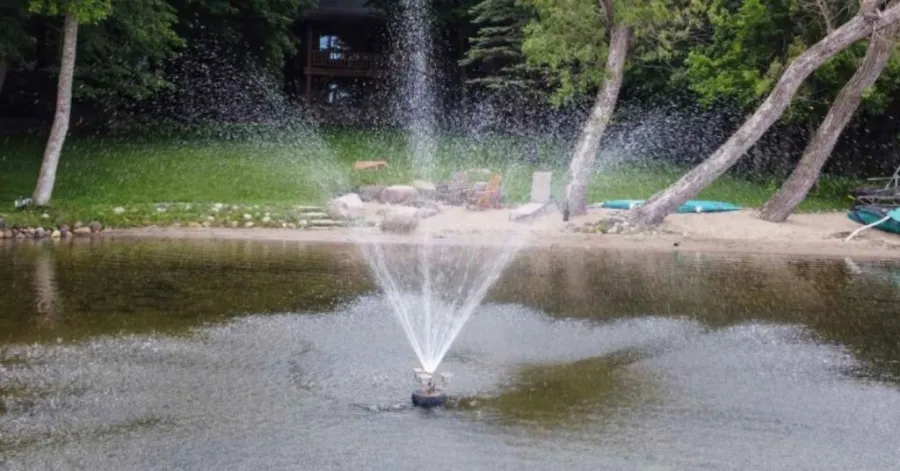
Running a large pond aerator circulates the water, thus keeping the oxygen content healthy in a large pond. The size, depth, the fish load and climate of your pond determine which system works best, where to go and how long it will be run.
Options include bottom-diffused, surface, fountain, or solar aerators. When water stagnates without good aeration, algae and bad smells can occur, and oxygen can sink too low to harm fish. This guide will teach you how to select a large pond aerator, set it up well, and run it reliably over time. It also includes ways to ensure proper aeration, leading to clean water, healthy fish, and a balanced ecosystem.
How to Set Up a Large Pond Aerator
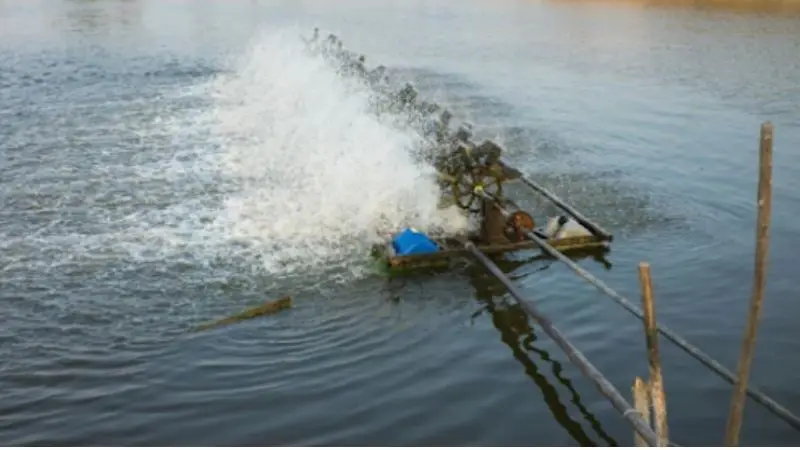
Setting up a large pond aerator requires careful planning to ensure effective water circulation and reliable operation. Before installation, assess your pond’s size, depth, shape, and oxygen needs. These details help you determine the appropriate equipment, diffuser placement, and compressor location. A well-planned setup also makes routine maintenance easier and helps the aeration system distribute oxygen throughout the pond.
Recommended For Your Project
Choose the Right Location for the Aerator
Link the compressor to level, dry ground or concrete where air can circulate freely around it. Ensure it sits clear of standing water, flood areas, and harsh weather. Applying the shelter onto a small base protects it against rain and snow without suffocating the airflow. Part of choosing the best aerator for a large pond is choosing a place where the compressor can run safely over long distances. Set it close to a suitable outlet, but far enough away from bedrooms and patios. Choose quiet zones so the noise will not disturb anyone. Let air circulate freely around the compressor to prevent overheating. Placing it somewhere sheltered but easy to access also makes regular checks and maintenance much easier.
Position the Diffusers or Aeration Equipment
Where you place the diffusers depends largely on your pond’s depth and shape. If you’re using the bottom-point diffuser setup, put it in the lower sections so it can lift the water without getting clogged or covered with dirt. When weighing the best aeration systems for large ponds, prioritize setups that regularly circulate water from edge to edge. For a pond of odd shape or large surface area, it may take multiple diffusers or aeration stations. Spread them apart so that the ascending bubble columns distribute water over different zones instead of whirling up just one part. With surface units, arrange the equipment so its spray or water movement covers as much open water as possible.
Connect the Airline and Power Supply
Make sure that every airline is on both the diffuser and the compressor tightly and safely. Make sure hose runs clean without sharp curves, buckles or any additional coils which might suffocate air. You can pass the line through the shallow, closed trench if you have to protect it from the sun, wildlife, or yard equipment. Before you can determine the large pond aeration method, check the system’s capacity for surface and depth. To answer what size aerator I need to look for a large pond, check what the manufacturer recommends for covering the pond, airflow and operating depth. An appropriate aerator for a large pond shall ensure sufficient airflow without overloading the compressor. Insert it into an earthed outlet and, if necessary, GFCI protection. Check each connection before you leave the system continuously for leaks.
How to Use a Large Pond Aerator Effectively
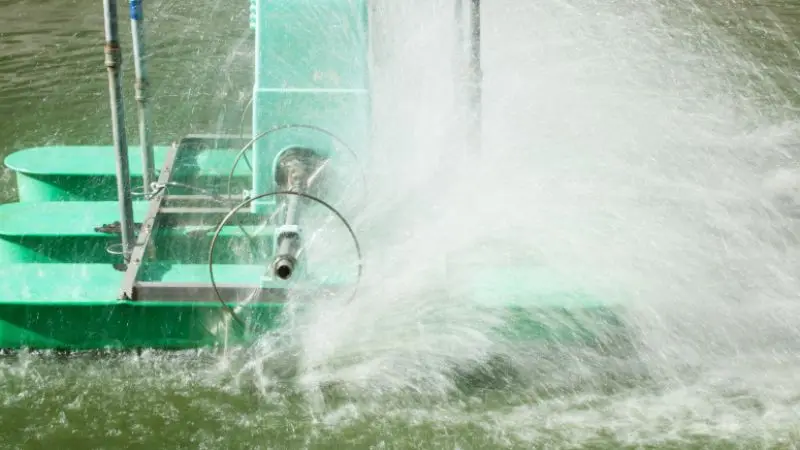
The correct operation of a large pond aerator helps to maintain the dissolved oxygen in a stable state, improve circulation and reduce the stagnating bags. Running it well also helps to protect your fish if their oxygen needs spike.
Run the system both safely and effectively through these steps. Base your aerator routine on how deep and wide the pond is, how many fish it contains, what its water temperature is, and how much oxygen it needs.
Step 1: Choose the Right Aerator for Your Pond
Confirm the aerator corresponds to your pond’s depth, volume and oxygen requirements before starting the activation. Look at your recommended pond coverage, airflow, depth and energy requirements when you find that large pond aerator you’re going to buy. And these specs show if the aerator is capable of moving water over your pond. If the pond is of additional depth or area, you may need a more powerful unit or several diffusers. As you view large pond air conditioning systems of the highest quality, Factor in algae, fish stocks, water temperature, and how many hours per day it will run. Selecting the right size prevents wear and tear on equipment while keeping the water moving reliably.
Step 2: Position the Aerator and Diffusers Correctly
Place the compressor on solid, dry ground where air can circulate freely and floodwaters can’t reach it. Then plant the diffusers in the relevant pond locations, which usually means that deep zones will work when you run through the bottom-diffused setup. Keep them away from thick dirt, ice slicks, and all the hidden dangers that could hurt them. If a pond is especially big or has a strange shape, it is possible that you may have to spread several diffusers to obtain better water movement. Placing diffusers in the right spots can help the best large pond aerator move water more throughout the basin, rather than putting all the bubbles in one spot. Have a last look at the location of each diffuser before switching on the power, and move it if the water does not circulate where it is needed.
Step 3: Connect the Airlines and Power Supply
Tie the airline down to the compressor and diffuser fittings outlet. Stretch the line without heavy bends, crimps, splits or loose coils, which could bind the air. Go through every connection to capture any output air before switching on electric current. Plug in a correctly grounded socket and attach GFCI protection wherever it applies. Keep all electrical points well away from the puddle, and shield outboard gear from rain without suffocating the compressor’s air intake. After connecting all parts, pass a quick test run to the system to check the bubble pattern and airflow. A steady, powerful bubble stream means that the air moves to the diffusers in a clean way. Fix all leaky joints and swap the damaged lines before leaving the setup to run full-time.
Step 4: Start the Aerator and Check Water Movement
Turn on the system and observe the surface of the diffusers. Water should rise in a continuous bubbling boil. Check several locations around the pond to see if the water goes where you wish. Check the compressor, diffuser, and airlines before proceeding if the bubble flow seems weak or flawed. Aeration of a big pond also means attention to how it will react as soon as the air starts to flow. Do not rush into massive shifts if the pond stagnates for months or years. Slow increases in circulation will help you avoid digging up clean mud and oxygen-depleted water too fast. Keep an eye on things while the system moves water.
Step 5: Set the Right Operating Time
Base your runtime on the manufacturer’s guidance and what your pond needs to do dissolved oxygen. It goes well around the clock on many ponds, especially in hot weather, when oxygen demand climbs. However, several factors affect runtime: pond size, depth, fish contamination, algae activity, and water temperature. Note that there is no universal timetable to fit every pond as you attempt to determine the correct amount of aeration for a large one. Watch for sulfurous smells, fish at the surface, and wheezing or other unusual behavior, all of which suggest a drop in oxygen. Make your daily running hours around what your equipment can pump, and what the pond shows you. Regularly watching things helps keep oxygen at an acceptable level.
Step 6: Run the Aerator During Critical Periods
Dissolved oxygen often drops overnight, which can make the hours between dusk and early morning a key window for running the aerator. Algae and aquatic plants keep drawing on oxygen once the sun goes down, which can add to the stress on your fish. Operating the aerator across these hours can keep oxygen from dipping too low. Oxygen demand can also spike during heatwaves, heavy algae blooms, sudden weather shifts, or when fish stocking numbers go up. Running the aerator for longer stretches or keeping it on full-time might make sense if conditions start looking stressful. If you are wondering what size aerator you need for a large pond, look at these daily operating conditions alongside the depth and dimensions of the water. Keep a regular eye on the water and make measured adjustments to runtime whenever conditions shift.
Step 7: Keep Regular Watch on the Pond and Equipment
As soon as the aerator is installed, make a habit of inspecting the compressor, diffusers, air ducts, and how well the water circulates. Watch for electrical problems, sealed diffusers, damaged lines, faint bubble plumes or a compressor that makes strange sounds. Notice the behaviour of the fish and the general state of the water. Early monitoring of shifts by these checks prevents smaller problems from becoming major failures. If you weigh the best pond aeration system for large ponds, don’t just look at the CFM reviews; imagine how to check and use almost any unit. The right setting will move water reliably while matching your pond’s footprint, depth, and routine demands. If you keep an eye on things regularly, you can also fine-tune aeration if the weather changes, the seasons rotate, and fish populations fluctuate.
How to Maintain a Large Pond Aerator
Routine upkeep stops unexpected breakdowns and keeps aeration gear running at peak efficiency. Basic walk-throughs can also catch wiring faults or airflow restrictions before the pond suffers.
Your routine needs to include the compressor, the airlines, the diffusers, and all electrical connections. Sticking to a schedule matters even more if your unit runs for extended stretches.
Check the Compressor and Airflow
Look carefully at the compressor housing, intake, and any ventilation holes every few weeks. Dirt, moisture and loose grit throttle off the air supply, which quickly leads to overheating. Wipe the outer body and remove all that blocks the vents. Consider strange noises, strong vibrations, or short cycling, as any one may indicate that some of the air or parts are being worn out. Also watch the water, looking at the bubble patterns and surface action. When bubbles look slow, you may be dealing with a clogged diffuser, a divided tube, or a tired compressor. Do not just turn your best aerator for a large pond when the airflow goes down without warning; follow what went wrong. Early boarding prevents unnecessary wear and tear on the machines and keeps the pond reliably turned around.
Clean and Inspect Diffusers
Before performing any maintenance, switch off the system and pull the plug every time. Look over diffuser assemblies for clogging, washing, or clearing as managed by the manufacturer. Look over airlines for loose fittings, leaks, blockages, distortion, cracking, and signs of animal bites. Replace damaged sections immediately, as choking airflow drags down the performance of the entire system. During the winter months, you will also have to take additional precautions.
Set up your equipment so that changing ice does not hurt, and keep a suitable open water opening free. Protect sensitive parts against severe weather conditions in order to ensure you do not stifle the air vents of the compressor. Check everything before the electricity is restored after a malfunction, a storm, or a sharp swing in temperature. Staying on top of maintenance keeps your best pond aeration system running securely and at maximum efficiency for large ponds.
Common Large Pond Aerator Problems and Solutions
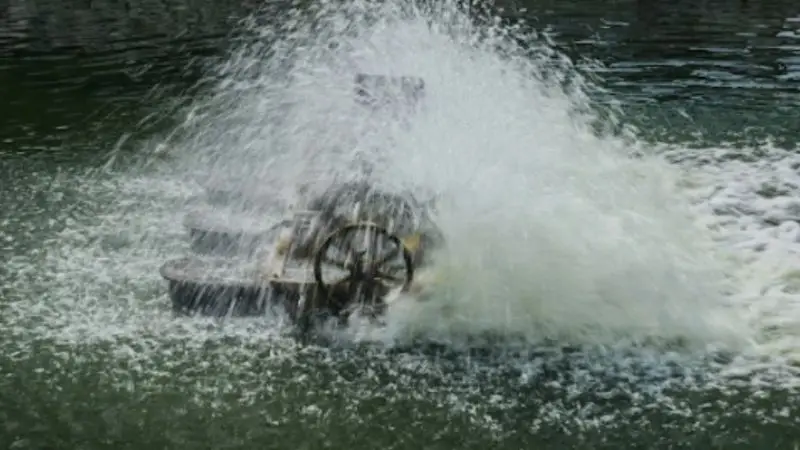
A large pond aerator can still run into trouble over time, even if you installed it correctly. Low dissolved oxygen, weak airflow, and excessive turbulence can all drag down equipment performance and spoil pond conditions.
Knowing how to choose a large pond aerator matters, but keeping it running at its peak takes solid troubleshooting habits as well. Go over the machinery thoroughly, tweak settings in small increments, and watch the pond’s reaction after every tweak.
Weak or Uneven Airflow
If the airflow feels weak or patchy, the culprit is normally congested diffusers, slurred or split tubing, loose joints, an air leak or a compressor problem. Unplug the unit and remove the power supply before you check any parts. Check the airline for cracks, sharp curves or loose joints, and then check the diffusers for accumulated dirt or construction. Stick to the manufacturer’s policy when you clean or change the components. A single loose holder is enough to bleed out the pressure needed to air across the entire pond. Even the best large pond aerator you can buy needs regular maintenance if you want to maintain a steady flow of air. Once the fix has been made, turn on the electricity and watch the bubbles on the surface.
Excessive Surface Agitation
The placement of diffusers in too shallow water, or in order to close them too close together, often throws too many surface chops. Pumping too much air for a pond of a specific size or depth can also aggressively hurl water. Before you touch the airflow settings, make sure diffuser positions correspond to the depth and layout of the pond. If you’re wondering what size aerator I should do for a large pond, then check the maker’s specs for airflow capacity, depth ratings, and pond acres. Continue gradually adjusting the sediment so that the bottom deposits do not explode too quickly and fish have a chance to adapt. Diffusers in the right location will produce a stable, calm roller instead of a strong churn in the water. After each setting, watch the surface to make sure water moves evenly and under control.
Fish Gasping at the Surface
As fish pile up at the Choke, dissolved oxygen could fall to a hazardous level. Consider that an emergency and immediately inspect the aerator. Make sure power reaches the unit, then look across the compressor, lines, and diffusers for any damage or clogs. If all is done as necessary, increase the aeration carefully when the situation is required. Managing aeration in a large pond means identifying when dissolved oxygen is dropped sufficiently to justify additional air. Keep your feeding while oxygen is very low because the food burns through it. Also check for decaying weeds, algae or other rotting debris, which may remove oxygen. Please contact a qualified pond management specialist for help if fish keep fighting or start dying.
Monitor the Pond After Troubleshooting
Once a problem has been solved, keep an eye on water clarity, odors, surface ripple, device operation and how the fish act. When weighing the best aerator for a large pond, consider how easy it will be to check, clean and tune. The correct setup keeps the water moving without too aggressively turning it. Do not turn over rapidly to thick stagnant water unless your aeration gear and emergency plan can handle it. Regular checks detect minor errors early, prior to their becoming costly faults with the equipment. Both lower diffusers and surface blocks often require hardware checks and gradual adjustments. Staying on top of the monitoring makes for a good flow of oxygen and ensures a healthier pond in general.
Check Aeration Needs After Major Changes
Pond aeration requirements are rarely static, shifting along the depth of water, fish populations, temperature, algae blooming, and seasons. All these variables have an impact on the amount of aeration a large pond requires when seasons change. See how your system works when you store additional fish or if you are met with a prolonged wave of heat or have a bit of algae shock. A top system for large ponds has to circulate water, not only the parameters it had to deal with originally, but also the current requirements. Keep an eye on water clarity and how the fish behave; make little, measured adjustments if things don’t look right. Regular check-ins of your installation ensure the aeration complies with the needs of the pond.
Wrap Up
At this point, you have the fundamental steps down for running a Large pond aerator properly. Pick a unit tailored specifically to the dimensions, depth, and oxygen demands of your water. Set your diffusers in the right spots, adjust run times to match current water conditions, and inspect the hardware routinely.
Practicing these basics keeps aeration reliable, boosts circulation, and helps preserve sound oxygen levels. Keeping the equipment in good working order also helps promote clearer water and fish that thrive. If you still haven’t settled on what size aerator you need for a large pond, weigh your climate, fish population, pond depth, and dimensions before deciding. Given proper installation and ongoing upkeep, your aerator can help sustain healthier water year-round.
FAQ
What is the most efficient way to install a garden water pump?
Set the pump down on a solid, dry surface close to your water supply. Fasten both the intake and discharge hoses tightly, ensure the intake remains clear of debris, and stick to the manufacturer’s directions regarding electrical safety and priming.
What are the best water pumps you would recommend for large water tanks?
Good options for large tanks include the VEVOR Water Transfer Pump, WAYNE WLS200, and Superior Pump 91250. Look at each pump’s flow rate, max head, intake size, and what it was built to do before making a pick.
What makes certain water garden pumps the best choice for koi ponds?
Pumps like the OASE AquaMax Eco Classic, Aquascape AquaSurge, and Laguna Max-Flo are built specifically to handle koi pond circulation and filter systems. Base your decision on how much water the pond holds, what the filter demands, the flow rate, and total head height.
What are the top water garden pumps for running a stream or waterfall?
People frequently turn to the OASE AquaMax Eco Classic, Aquascape AquaSurge, or Laguna Max-Flo to feed streams and waterfalls. Which one will serve you best comes down to total head height and the flow rate you need. Always check the pump’s flow at your actual operating height.
If you need to run a pump 24/7, which water garden models give you the best energy efficiency?
If you plan to run it nonstop, energy-smart units like the OASE AquaMax Eco Classic or Aquascape AquaSurge Pro are good candidates. Check their power draw and flow rates side by side, paying close attention to output at your target head height. Drawing fewer watts does not mean a pump is truly more efficient if its actual output drops off just as sharply.
If you are building your first pond, which water garden pumps give you the least hassle to set up?
Submersibles like the OASE AquaMax Eco Classic, Aquascape AquaSurge, and Laguna Max-Flo can make pond setups relatively painless. You typically don’t have to deal with as much pipework as you would for an external pump. Be sure to follow all the manufacturer’s directions for wiring safety and setup.