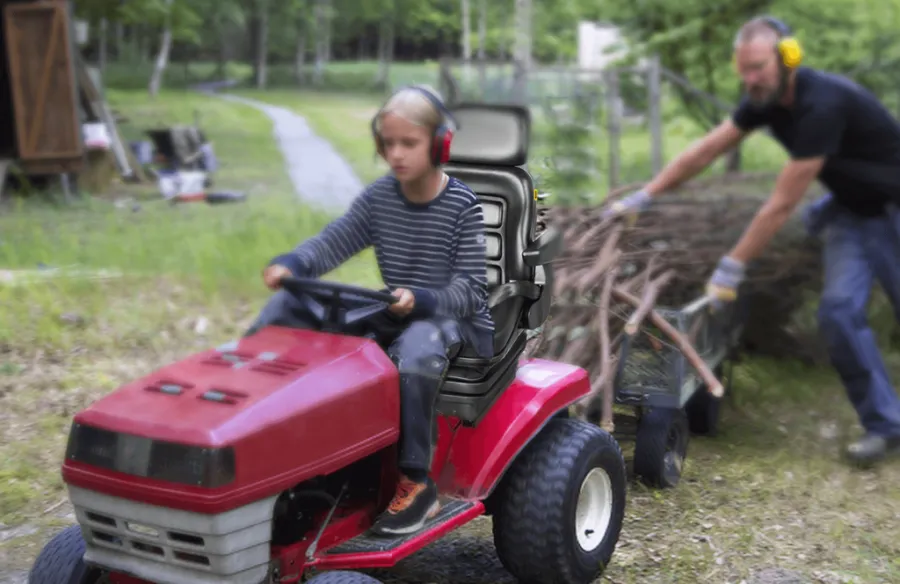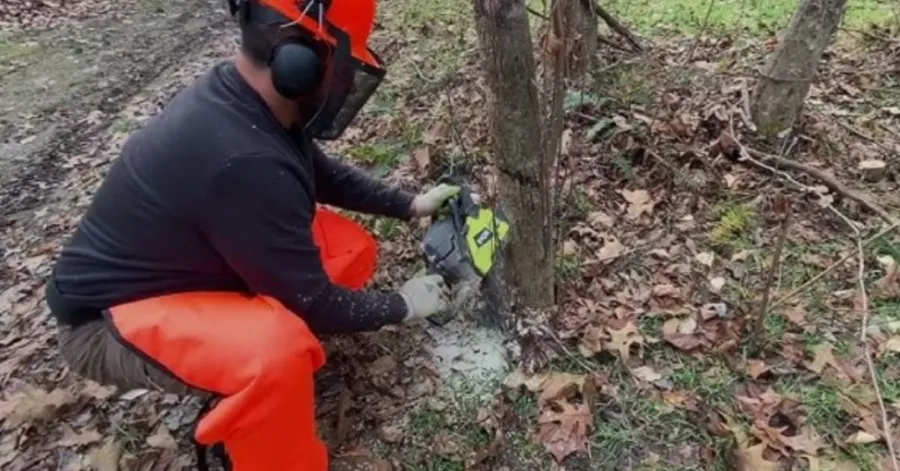
Taking the right early preparation actions to ensure the process of land clearing of small farms is quick and effective, you can start with it. You have to learn the land and all that it demands before the physical labor starts. Take a stroll around your property and note any obstacles, such as rocks, trees, bushes, or irregularities. For removing small trees and thick branches, a chainsaw can be very useful, but it should always be handled safely and with proper training. Test the soil to understand the fertility and growing conditions to ensure that you can improve them. To remain within local regulations, it is always good to check and obtain the permits. Planning is a must since Land clearing on small farms requires clear objectives, resources to be utilized, and an understanding of the potential challenges to be faced prior to commencing the work.
Small Farm Land Clearing Basics and Overview
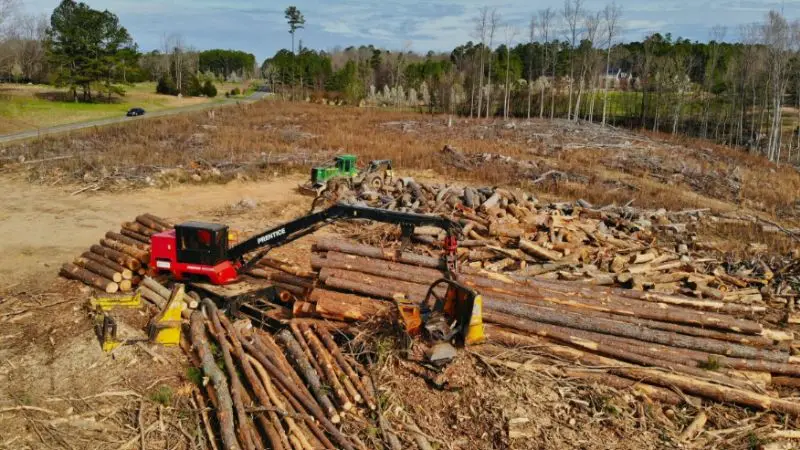
Preparation of farm work on unused land is necessary to make the land fit for planting and farming activities. Land without clearance can remain obstructed with bushes, trees, and rugged areas, preventing its exploitation.
Each farm is unique, and thus the process varies depending on the type of vegetation, size of land, and available equipment. It is better to plan everything beforehand so as not to spend time on the work and to avoid expending additional effort.
Being aware of the correct action at the start simplifies the overall farming system and makes it more efficient.
What Land Clearing Means for Small Agricultural Farms
The process of land clearing of small farms involves the elimination of undesirable trees, bushes, rocks, weeds, and old roots to make the land available to be used in farming. Before any cultivation or construction, it is the initial step. This process opens and makes the space available for crops to grow well, and farm operations can be carried out without hindrance.
Manual tools or machines are commonly used by farmers based on the density of the land. Simple tools can be used to clear light vegetation, whereas the heavily overgrown ones might require sophisticated tools. Understanding how to clear overgrown land to build small farms is useful in determining the appropriate way to do so in your case. The intention is to make the soil clean and workable without causing harm to the land, such that it remains fertile to be used in the future in farming.
Advantages of Clearing Land for Better Farm Use
Deforestation has numerous advantages for small farmers in terms of practicality. When the land is cleared, it is easier to cultivate, run irrigation, and move farming machines without any problem. The sunlight also reaches the soil properly in a clean field, thereby enhancing plant growth and healthy yields.
It also helps eliminate unwanted weeds, pests, and concealed plant growth that may affect agricultural production. Clearing makes soil easier to improve and maintain. Small farms can have cost-effective land clearing methods to reduce costs and yet efficiently prepare the land. Through appropriate clearance, farmers will be able to make a safer, more organized, and more productive farm land that will allow farming to be successful in the long term.
How to Prepare Land for Small Farm Clearing
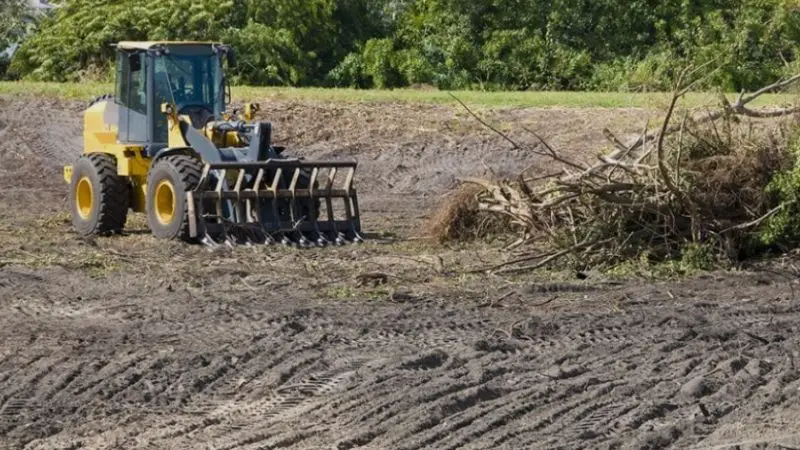
Before starting farm development, proper preparation of the land is very important. It assists you in comprehending the ground condition, pinpointing issues, and arranging the work in the correct sequence. Clearing can be cumbersome, expensive, and hard to control without preparation.
The proper preparation also safeguards the quality of the soil and minimizes the damage caused during the work. It provides an outline of the whole process of clearing land.
Identifying Land Obstacles Before Clearing Work Starts
The initial phase of the land clearing of small farms is the thorough inspection of the whole land to identify the impediments, such as rocks, trees, thick bushes, roots, and uneven soil. These problems may slow down the work unless they are identified in a timely manner. It is better to mark them with flags or paint to plan them better and select the appropriate tools.
This act also makes you know the condition of the land prior to physically working. It assists in clearing land that has overgrown to make small farming farms and to make it safer and more structured. With an adequate check, you can minimize unexpected surprises when working and prevent damage to equipment or time loss.
Checking Soil Quality Before Preparing Farm Land
Prior to clearing land, soil testing is very crucial as it indicates whether the soil is viable for farming or not. Basic test kits or local services can help you check nutrients, pH level, and soil type. This will assist you in what you require before planting crops.
In case of poor soil, you might be required to add compost or other natural treatment to the soil. This guarantees an improved outcome once clearing has been completed. It also helps in cost-effective land clearing practices on small farms since unnecessary effort on land is not required to be made on land that requires improvement. Good farming in the future is achieved with healthy soil planning.
Getting Local Permission Before Clearing Farm Land
The local rules should be checked, and any necessary permissions obtained, before beginning land clearing. There are lots of places where tree cutting, vegetation clearing, or waste burning are to be approved. Natural habitats are also protected in some locations, and additional consent may be required.
You need to pay a visit to the local authorities to get to know all the regulations properly. This avoids legal problems and postponements of the project in the future. Regulations vary according to the area, and prior research is highly essential. Land clearing of small farms involves following these steps, since it guarantees safe and legal work. The right permits make your project hassle-free and constant.
Planning Access Routes and Tools for Clearing Work
It is relevant to plan movement paths in order to safely and efficiently clear the land. You have to determine the movements of vehicles, machines, and workers without destroying the soil and becoming entangled. When marking routes, avoid wet, soft, or steep areas.
You can also equip yourself with tools such as cutting tools, safety equipment, and machines where necessary. Small farms can cut down expenses by renting equipment. Adequate planning also contributes to managing the debris and the arrangement of work. This move aids in the step-by-step guide to clearing land for farming use by streamlining the process. Planning enhances speed, safety, and overall productivity in clearing.
Best Land Clearing Methods for Small Farms
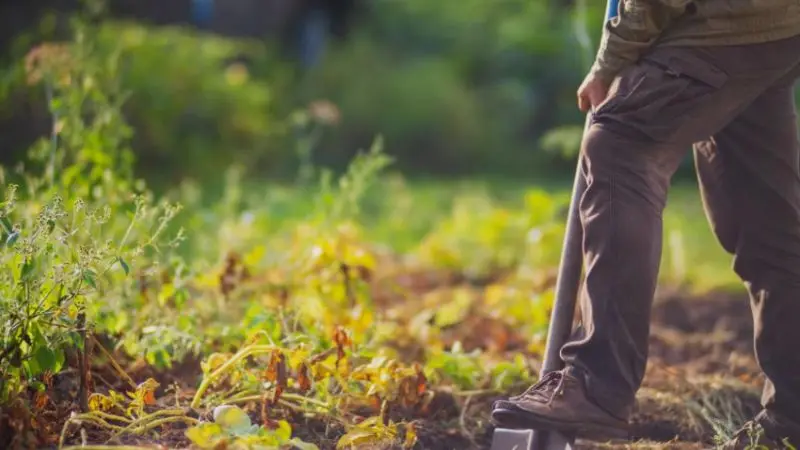
The choice of the appropriate land-clearing method is relevant to small farms because it affects costs, time, and soil conditions. Simple tools are utilized in some of the methods, and machines or natural solutions are used in others. Both methods are most effective in various land situations.
Knowing these techniques can make you think and act more wisely and not waste your time. Best results are usually achieved by a combination of techniques.
Removing Small Farm Land with Ordinary Hand Tools
When the area is small or the budget is tight, the land-clearing process for small farms can be performed with hand tools. Bushes are cut by means of axes, loppers, saws, mattocks, and shovels, small trees are removed, and roots are dug out. The technique provides complete control and enables careful working around valuable areas.
It is sluggish but effective in clearing soil selectively without harming the soil. It also assists one in following a step-by-step guide to clearing land for farming, one step at a time. Nonetheless, this needs physical work and time; rest and protective equipment are vital when working.
@matthewshatraw vevor chainsaw Trending products flash sale discount women’s products women 30+ women 40+ #tiktokshoprestock
♬ original sound – TikTok Shop Deals!
Using Machines for Fast Clearing of Farm Land
When tidying up large areas is required, mechanical equipment is employed. Trees, thick brush, and rocks can be removed by machines such as tractors, bulldozers, and skid steers much quicker than the use of manual tools. In some situations, a chainsaw is still used alongside these machines to cut larger trees into manageable sections before removal. It is the best practice in well-cultivated or large farmland.
It eliminates physical work, but needs expertise to work safely. Small farms usually rent equipment to control expenses. Machines can also have an impact on soil when not handled with care. This approach justifies cost-effective land clearing practices on small farms when time is of the essence and assists in achieving large projects within a shorter time.
Removing Roots and Stumps After Tree Cutting
Roots and stumps have to be removed after planting trees and brush to make the land ready to be farmed. This is referred to as grubbing, and the process is important in that any leftover root has the potential to either regrow or prevent crop growth. Hand tools are able to remove small stumps, and machines can be necessary to remove large ones.
By eliminating them, smooth and useful soil is produced where plants can be grown. It also averts future challenges in farm labor. This is a significant process in the step-by-step guide to clearing land for farming use since it helps in adequate land preparation and the sustainability of the soil to grow crops.
Turning Farm Waste into Mulch for Soil Use
Mulching is the process in which branches, leaves, and small trees are smashed into small particles using a chipper or mulcher. Waste is not eliminated but rather used back on the land as natural cover. This helps keep the soil moist and reduces weed growth.
It also enhances the quality of soil in the long run as it contains organic matter. This is often done by renting chipping machines by small farms. The approach saves on the expense of disposal and enhances land clearing in small farms by enhancing soil health and managing waste in a useful and sustainable manner.
Clearing Land Using Controlled Burning Safely
Dry brush and dead vegetation in open spots are removed by controlled burning. This should be performed with consent and under stringent safety regulations. Fire can remove a significant amount of debris quickly and restore nutrients to the soil.
However, it is risky and depends on weather conditions. Windy or dry days are not safe for burning. The farmers should observe the fire at all times. This can be occasionally applied in clearing overgrown land to be used as small agricultural farms, although in only cases where other alternatives cannot be applied and rules on safety are taken seriously.
Using Goats and Sheep for Natural Land Clearing
Animals like goats and sheep can be utilized to clear land by grazing on grass, weeds, and bushes. It is a natural and non-chemical process and does well in terms of continuous maintenance. Goats are particularly useful as they are able to feed on tough plants.
Portable fencing is useful in controlling the grazing of animals, enabling the process of specific clearing. This is a slow process that enhances soil using natural manure. It promotes cost-efficient clearing of land in small farms through a lower requirement of equipment. Animals should be kept safe by proper care, water, and fencing, as they assist in clearing the land in a natural way.
What to Do After Clearing Small Farm Land
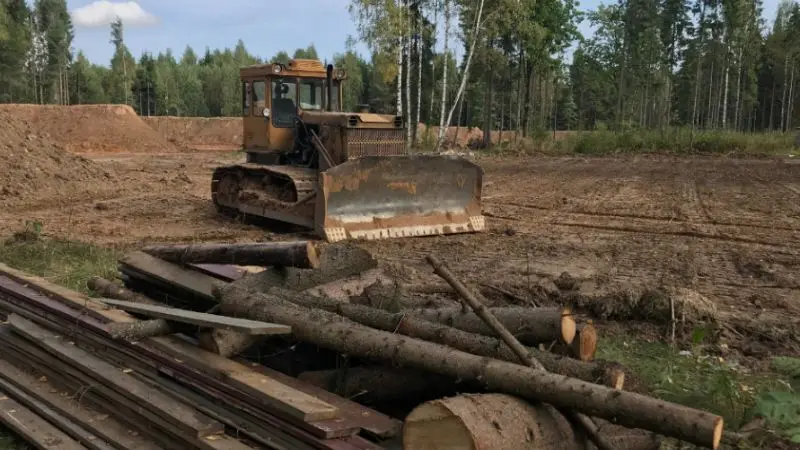
Once the clearing of land is done, the job is not over. Before the ground can be utilized in farming, it has to be prepared. You might have remnants of stumps, uneven ground, and difficulties with nutrients, which would need to be remedied initially.
This step is significant since it directly influences the future success of your crops. The land is prepared, safe, and fertile with proper follow-up work.
Removing Leftover Tree Stumps and Roots After Clearing
Stumps and roots are usually deposited in the soil following Land clearing of small farms. These remnants may prevent planting, destroy equipment, and even attract pests. It is significant to remove them so as to smooth out the land and allow it to be used in farming activities.
Hand tools, such as shovels or mattocks, can be used to remove small stumps. Machines like stump grinders or backhoes may be necessary with the larger ones. Other farmers resort to burning, though this should be done only when it is legal in the surrounding area. The appropriate removal aids in how to clear overgrown land for small agricultural farms by making sure that the land is well utilized. Wear safety equipment, as the removal of stumps may be physically stressful.
Improving Soil Quality After Land Clearing
After clearing and stump removal, the next step is to enhance soil health. A good soil is imperative to robust crop growth; thus, retesting the soil will assist you in knowing what nutrients are required. It is possible to enhance the soil with compost, manure, or lime, depending on its condition.
When mixed into the loose surface soil, organic material helps retain water and nutrients. This also minimizes erosion and enhances fertility. Other farmers grow cover crops to safeguard the soil and enrich it with natural nutrients. This will help with cost-effective land-clearing processes on small farms, since healthy soil will lower future farming costs. When the soil is well taken care of, it is guaranteed to produce in the long term and yield improved harvests.
Preparing Land for Planting After Clearing Work
Once the soil has been improved, it is now ready to plant crops or grass. Plants should be selected based on your local climate and soil type to ensure good growth. Planting straight rows with stakes or strings is also useful in making it easy to organize and control.
Watering should be done regularly, particularly at the initial stage of growth. Crops should be protected by removing weeds or by applying mulch. Early checking of pests prevents damage and maintains the health of plants. This phase finishes by explaining how to clear overgrown land for small agricultural farms by converting the cleared land into productive farmland. Good maintenance is a guarantee of gradual growth and productive agricultural outcomes.
Wrap Up
When well-executed, it can convert idle or unproductive land into productive farmland where crops and animals can be raised. Planning and clearing, soil improvement, and planting are all significant to long-term success. Applying the appropriate techniques will also save time, minimize cost, and safeguard soil health. Using tools like a chainsaw for cutting larger trees and branches can make the clearing process faster and more efficient when used safely. Through prudent efforts and proper strategy, land clearing of small farms will be a great basis for sustainable farming and more productivity. Proper preparation now means a more efficient and easier farm in the future.
FAQ
How long does it take to clear one acre of wooded land?
One acre can be cleared by hand in one or two weeks. With machines, you can complete in 1-3 days. Time varies according to the size of trees, the thickness of the brush, and your tools.
Is a permit required to clear land to farm?
Always check with your local government. There are numerous places where the removal or burning of trees is regulated. By obeying the laws, you save money and time.
In what season is land clearing the best?
The best time of year is late in the fall or winter. Leaves fall off trees, and the earth remains hard. You do not disrupt nesting animals and minimize the possibility of weed distribution.
Do you clear land with no heavy equipment?
Yes, small areas can be done with hand tools such as axes, loppers, and shovels. Goats or sheep are also used to control brush. This technique is more time-consuming and expensive.