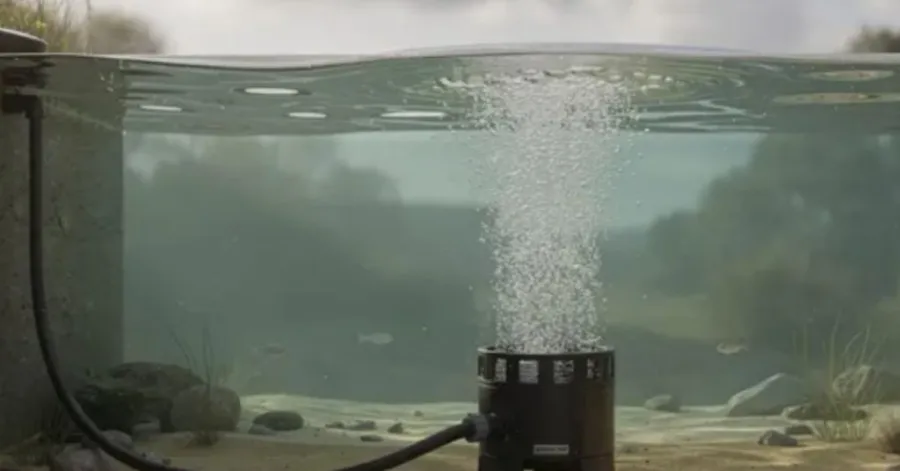
Lake aeration systems add oxygen to the water and keep it moving. That oxygen supports beneficial bacteria as they break down excess nutrients and decaying plant matter. Stronger circulation also cuts down on dead zones, boosts overall water quality, and makes the habitat safer for fish and other wildlife.
The water inside the pot keeps swirling and blending, but the water in the jar just sits there. How do lake aeration systems work in a similar way? They create circulation that helps distribute oxygen, instead of letting low-oxygen areas remain stagnant.
Pumping in fresh oxygen can reset a lake that has begun to deteriorate. Once you grasp the basics of lake aeration, you see how steady circulation cuts back stagnant dead spots and lifts water quality. Read on to learn how these systems work and what each component does.
What Is a Lake Aeration System?

Aerating a lake injects oxygen and gets the water moving. Conditions improve across the entire lake as a result, particularly down deep where oxygen tends to run short. Selecting and running the right equipment is a lot simpler once you grasp what aeration is trying to accomplish.
What Does Lake Aeration Mean?
At its simplest, lake aeration is just putting oxygen into the water and keeping the water in motion. Lake aeration systems use diffusers, compressors, or surface equipment to move oxygen through the lake. It helps to think of it as keeping the lake supplied with fresh air.
A great deal of a lake’s natural chemistry and biology depends directly on oxygen. It aids in decomposing organic debris, sustains fish and other aquatic creatures, cuts down on foul smells, and can curb the circumstances that spur algae blooms. If dissolved oxygen drops too far, that whole balance can fall apart.
Why Do Lakes Need Aeration?
When natural oxygen supply cannot balance what gets consumed, a lake requires aeration. Oxygen gets eaten up as runoff, fish waste, and fallen leaves decompose. A lack of oxygen can stall water movement and foster unhealthy environments.
Typical indicators of trouble are foul smells, persistent algae, murky water, heavy muck on the bottom, and fish coming to the surface to breathe. Sluggish circulation only makes these oxygen troubles worse. Introducing oxygen aids water flow and feeds the beneficial bacteria that digest organic debris.
What Are the Benefits of Lake Aeration?
Done right, aeration boosts dissolved oxygen and gets the water moving, which lifts overall water quality. It also helps clear up dead zones where organic debris gathers and rots.
By adding more oxygen to the water, aeration helps fish and other aquatic life thrive. Stronger circulation also helps carry that oxygen down across every depth of the lake. Still, which setup will actually work comes down to the lake’s size, its depth, current water conditions, and how much oxygen it needs. You need to get a clear handle on those details before picking out an aeration system.
The next section explains how do lake aeration systems work and how different aerators move oxygen through the water.
How Do Lake Aeration Systems Work?
With the reasons for aerating clear, you can start looking at the hardware itself. Lake aeration systems use different methods to move water and improve oxygen levels. The primary approaches are surface aeration and bottom-diffused systems, with shore-mounted hardware available to drive diffused setups.
How Bottom-Diffused Aeration Works
An onshore compressor sends air out through lines laid across the lake bed. Diffusers down on the bottom let this air out as a steady stream of fine bubbles that head for the surface. Those rising bubbles pull water up from the deep sections toward the top, which is central to how these aeration systems run.
The bubbles themselves do not transfer much oxygen straight into the lake. What they really do is push oxygen-starved water to the surface, where it can take in oxygen straight from the air. That upward draw is central to how a bottom-diffused aerator does its job.
How Surface Aerators Work
These units do most of their work right at the water’s surface. Sitting on the water, a floating unit draws liquid up and flings it into the air. As the water shatters into fine droplets, it takes in oxygen before dropping back down. This method is one option to consider when learning how to aerate a lake.
Beyond adding air, surface units generate powerful currents that help spread the oxygen around. Because you can clearly see the fountain spray, checking that the unit is running is straightforward. When looking for the best aeration system for a lake, consider whether surface circulation, oxygen transfer, or both are the main goals.
How Shore-Mounted Aeration Systems Work
With shore-mounted setups, the compressor sits safely on the bank and pumps air through submerged lines to diffusers. Leaving the electrical gear on dry ground simplifies upkeep and keeps high voltage out of the water. It is also a practical option when considering how to choose a lake aeration system for a specific site.
Bubbles rising from the sunken diffusers drag colder, deeper water up toward the top. People also refer to this approach as bottom-diffused or subsurface aeration. Before deciding how to install a lake aeration system, consider the lake’s depth, size, shape, and the location of the compressor and diffuser lines.
How Aeration Improves Water Circulation
Every one of these lake aeration systems keeps water in motion so oxygen reaches different areas of the lake. By pushing oxygen-poor water to the top, circulation lets it trade gases right at the surface. That movement evens things out across the whole water column.
If water does not circulate enough, oxygen tends to stay trapped up top while the deeper zones run out. Seeing how lake aeration systems operate makes it clear why moving water around matters so much. A properly matched setup distributes oxygen more evenly and keeps the whole lake in better shape.
Below, we look at what higher oxygen levels do for the water and what differences you can expect after putting in a system.
How to Install and Maintain a Lake Aeration System
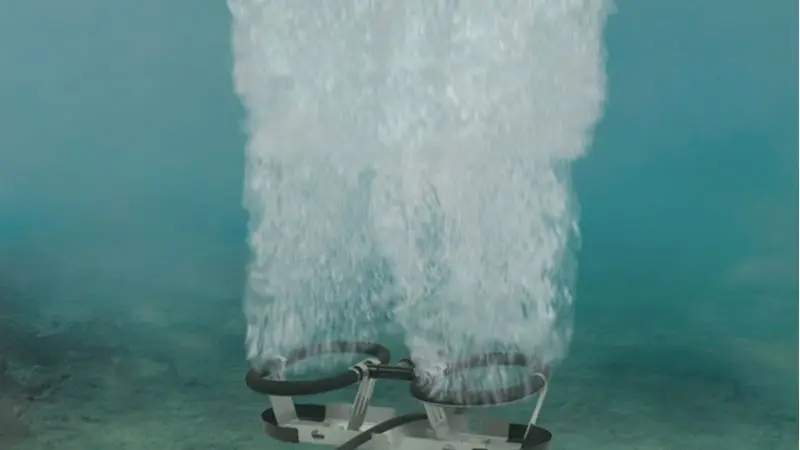
Getting aeration right comes down to sound installation and steady upkeep. Diffusers and lines have to sit in the right spots for oxygen to travel across the lake. Following these basics also extends the life of the hardware and keeps it running efficiently. Here is how to set up a lake aeration system and maintain it over time.
Step 1: Position the Diffusers Correctly
Begin by picking spots for the diffusers that will push water broadly and uniformly. Take into account how deep the lake runs, its outline, the nature of the lakebed, and any fragile zones. Stick to the manufacturer’s directions regarding diffuser depth and spacing as you learn how to install a lake aeration system.
Placing diffusers deeper tends to drive more water movement, though irregular outlines and narrower sections might require more than one unit. Preventing low-oxygen pockets from persisting is the main objective. Getting diffuser placement right also carries real weight as you work out how to choose a lake aeration system for your lake.
Step 2: Place the Compressor in a Suitable Location
Set the compressor in a well-ventilated, dry spot that keeps it safe from severe weather, intense heat, and high water. Pick a spot that remains convenient to service as you figure out how to install a lake aeration system.
Make sure electrical connections are secure and comply with all local codes. Wiring and other electrical tasks might call for a professional installer. Putting the compressor in the right spot keeps wear and tear down while ensuring lake aeration systems run reliably.
Step 3: Inspect the Air Lines and Diffusers
Look over the air lines on a regular basis for cracks, loose connections, kinks, or leaks. Look over the diffusers for signs of wear, sediment accumulation, and clogs. Checking them regularly keeps air circulating evenly through the setup, helping how do lake aeration systems work as intended.
Bubbling that looks uneven could mean a diffuser is clogged or something else is wrong. Clear away any debris around the equipment, and give the diffusers a clean whenever they need it. Sticking to the maintenance schedule from the manufacturer helps keep airflow steady and oxygen circulating evenly through your lake aeration systems.
Step 4: Check and Maintain the Compressor
Make a habit of looking over the compressor’s filters, fittings, tubing, and line connections during routine maintenance. Clear away any leaves, dirt, or loose debris sitting around the compressor housing. Basic habits like these keep the unit running reliably and protect the overall performance of lake aeration systems.
Routine care also keeps minor faults from dragging down oxygen levels in the water. Turn to the manufacturer’s manual for instructions on cleaning, swapping out filters, and handling other scheduled tasks. Consistent care keeps aeration steady so the system does its job across the entire lake over time.
How to Choose the Right Lake Aeration System
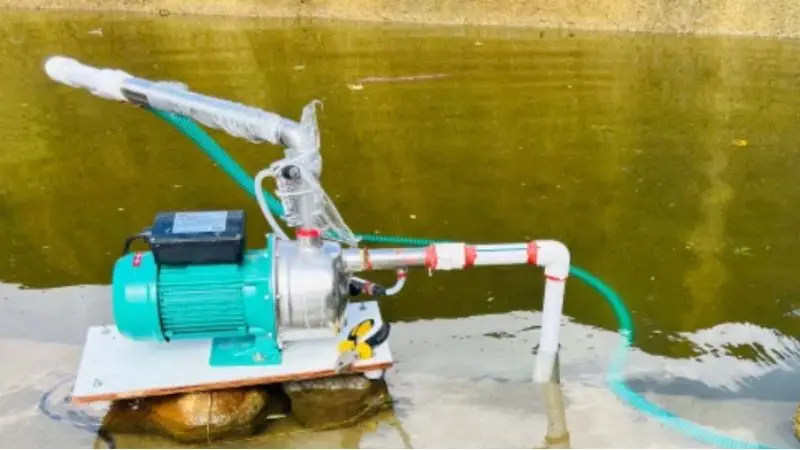
The right setup depends first on the surface area, depth, profile, and water quality of your lake. What you want to achieve with the water matters just as much. Understanding how to select a lake aeration system gives you the baseline to weigh different units against the demands of your property.
Surface units inject oxygen primarily into top layers, whereas bottom diffusers use columns of bubbles to lift deep water toward the sunlight. Which lake aeration system works best turns on depth, circulation demands, visual preference, and overall site layout. Sometimes using more than one approach works best.
How Lake Size and Depth Affect System Selection
Surface aerators can suit shallow water nicely, generating plenty of current across the top. Deeper water usually calls for bottom-diffused aeration, which pulls up water from way down. When you weigh your options for an aerator, focus on which spots are prone to running out of oxygen.
Cold water with very little oxygen often settles near the floor of a deep lake. If the shoreline is irregular or the water spreads out wide, multiple diffusers might be needed to eliminate dead zones. Surveying the lake’s area, depth profile, and shoreline before buying gear makes it easier to pick a setup that spreads oxygen evenly.
How to Determine the Required Airflow
How much air you need depends on variables like diffuser depth, the length of your tubing, and overall system resistance. Running longer air lines and sinking diffusers deeper typically means buying units built to push higher volume and pressure. Grasping how lake aeration systems operate clarifies why sizing hinges on these specific details.
Operating schedules, power draw, and how efficiently the machinery runs also belong in the equation. Running gear around the clock tends to drive up power bills, but timers can cut consumption when constant aeration is unnecessary. When dealing with a fragile or complicated lake, working with an experienced lake-management professional helps you calculate airflow and match equipment to the water.
Wrap Up
Aerators introduce oxygen to the lake while keeping water in motion. Aerobic bacteria rely on lake aeration systems to help them decompose organic matter and surplus nutrients. Higher dissolved oxygen can make the water noticeably safer and healthier for fish and other organisms.
When water sits still, it tends to turn cloudy, smell foul, grow algae, and put fish under stress. Looking into the way a lake aerator operates makes it clear why moving the water helps fix these issues. Oxygen disperses more uniformly across the lake when aerators lift water from the bottom toward the surface.
Effective aeration relies heavily on picking the right setup from the start and keeping up with regular maintenance. Knowing what to look for in a lake aerator lets you tailor your choice to the lake’s exact depth, volume, contours, and oxygen demand. Installed properly and maintained with care, aeration helps keep water quality noticeably better across the seasons.
FAQs
What pond pump is very good at keeping the water clear?
Pumps that keep the flow constant push water through the filtering medium and avoid the formation of dead areas. To get the circulation correct, size your pump around the volume of the pond, head height, flow rate and the capacity of the filter.
Which water garden pumps are best for fountains, and how will their characteristics be fulfilled?
Differences between fountain pumps are due to head height, flow rate and the extent to which water is large. Small fountains run fine on submersible pumps, but larger displays usually require higher-output models. And let’s talk about oxygen exchange. Good circulation helps too.
What kind of water garden pumps can turn to the quietest type if installed directly next to a patio or deck?
Due to the fact that the motor is submersible, submersibles work relatively silently while the surrounding water absorbs vibration. Choose a pump that is designed to run with minimal vibrations and mount it firmly, so that the additional sounds don’t bleed to the nearby seating.
What are the most popular energy-efficient water garden pumps and what type of energy savings do they really offer?
Pumps built to improve efficiency reduce energy consumption without sacrificing your pond’s required turnover. What you really save depends on pump wattage, local electricity prices, and how many hours per day it’s going to operate. Weigh power on line from output volume to provide a realistic picture of what the pump will cost to run.
Which water garden pumps do best to keep loaded in ponds with leaves and heavy debris?
If heavy debris is carried in the water, find a pump designed to pass over big suspended solids and waste. The right intake decreases clogs, but it still needs to be cleaned regularly in order to keep the water constantly moving and save the pump from damage.