Your finger presses down on a tomato, but the blade glides across its surface without penetrating the tomato. It becomes crushed. The hand moves closer to the blade. A dull knife transforms an easy dinner preparation into a difficult and even dangerous task. How to make the knife sharper at home? A whetstone or honing rod can help you achieve that goal. Every knife-sharpening device can sharpen a blade again. Knife sharpening takes time and effort, but anyone can learn to do it. This article will help you get acquainted with the tools, the process, and maintenance. You can master knife sharpening on your own.
Table of Contents
Tools Required for Sharpening a Knife at Home
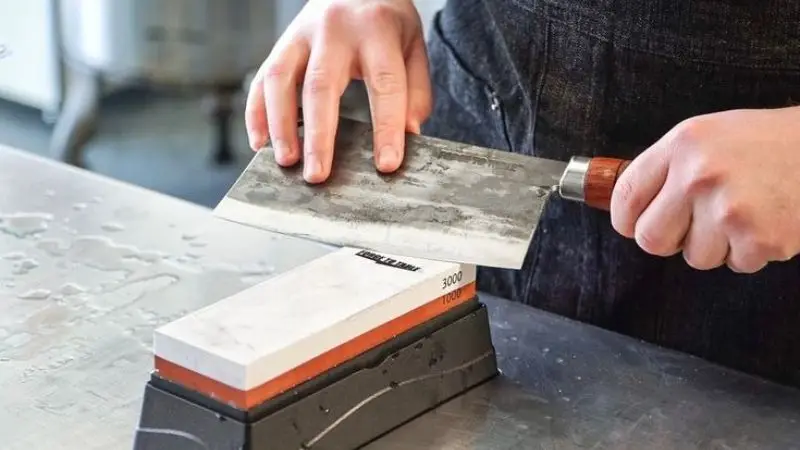
Several tools can be used for knife sharpening at home. They suit different skill levels and budgets.
Knife Sharpening Stone
The whetstone is the most precise tool for blade sharpening. You can purchase both water stones and oil stones in any hardware store.
Recommended For Your Project
Honing Rod
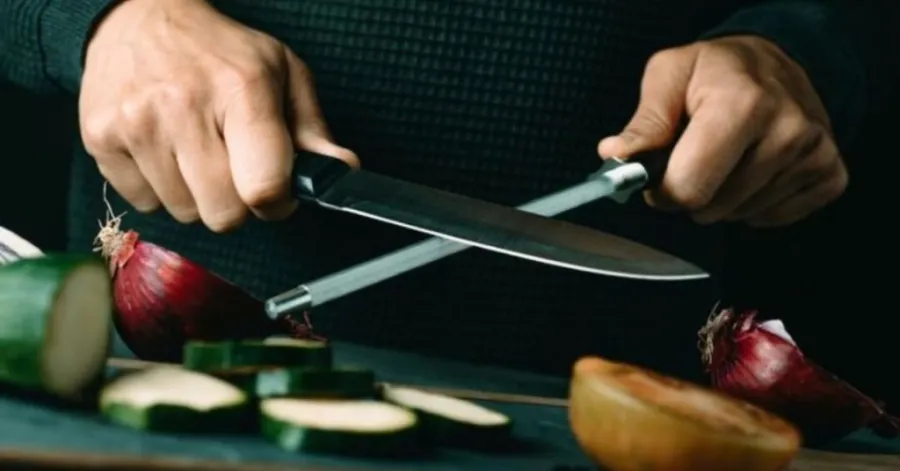
How to sharpen a knife? A honing rod doesn’t remove metal; it realigns the edge. Use it to maintain the blade. The kit usually comes with it.
Manual Knife Sharpener
The manual knife sharpener has pre-set slots fitted with carbide or ceramic blades. Pull the knife a few times across the slots. It is useful for touching up the blade.
Electric Knife Sharpener
The electric sharpener uses fast-spinning wheels. It takes off metal fast. Light pressure should be exerted on the blade.
Safety Gear and a Stable Work Surface
How to sharpen a kitchen knife? Protective gears such as gloves and a non-slip mat should be worn. Place a wet cloth underneath the stone to prevent it from sliding.
How to Tell If Your Knife Is Dull
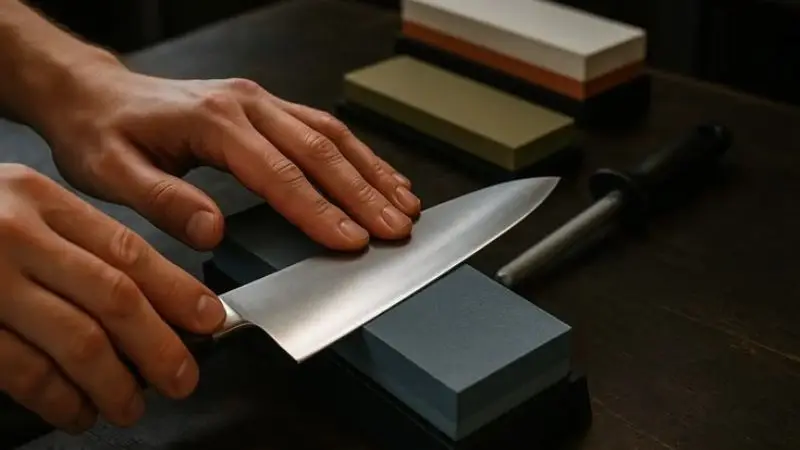
Common Signs of a Dull Knife
Your knife slides off tomato skin instead of biting in. It crushes herbs rather than slicing them. The blade reflects light along its edge, which signals a rounded tip.
Simple Knife Sharpness Test
Hold a sheet of paper upright. Slice down through the edge. A sharp knife cuts cleanly. A dull knife tears or refuses to cut.
When Should You Sharpen or Replace a Knife?
Sharpen kitchen knives every two to three months with regular use. Replace the knife when the blade has deep chips or a visible crack. A broken tip often costs more to fix than a new knife.
How to Sharpen a Knife With a Whetstone
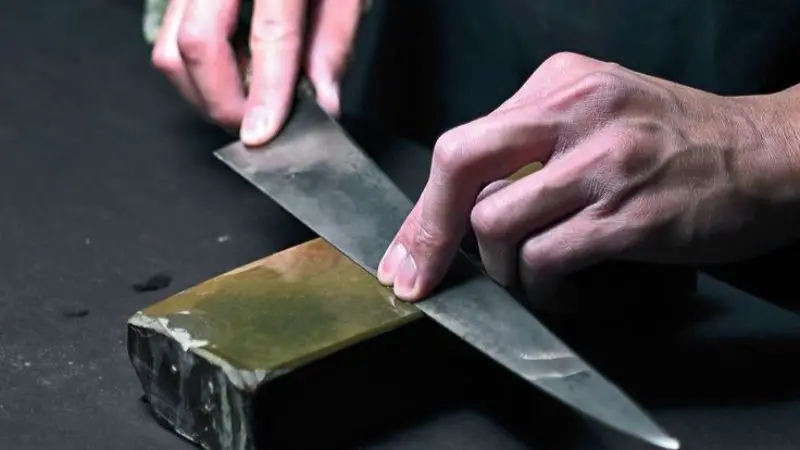
Choose the Right Whetstone
How to sharpen a knife with a whetstone? A 1000-grit stone handles most maintenance work. A 400-grit stone repairs damaged edges. A 6000-grit stone polishes the final edge.
Soak or Prepare the Sharpening Stone
Water stones need a ten-minute soak. Oil stones need a light coat of honing oil. Diamond stones need only a splash of water.
Find the Correct Knife Angle
A sharpening angle of 15 to 20 degrees works for most kitchen knives. Stack two coins under the spine to estimate this angle.
Sharpen One Side of the Blade
How to sharpen a knife with a stone? Push the blade across the stone in sweeping strokes. Apply light pressure. Cover the full length of the edge.
Sharpen the Other Side
Flip the knife and repeat the same stroke count. Keep the angle steady on both sides while sharpening any metal.
Remove and Check the Burr
Look for a thin edge that forms on the opposite side. That burr is proof of the presence of an edge. Reverse the knife and get rid of the burr with soft strokes.
Clean and Dry the Knife
Flush the blade with hot water. Dry the blade thoroughly with a towel. Moisture on carbon steel leads to rust.
How to Sharpen a Knife With a Manual Sharpener
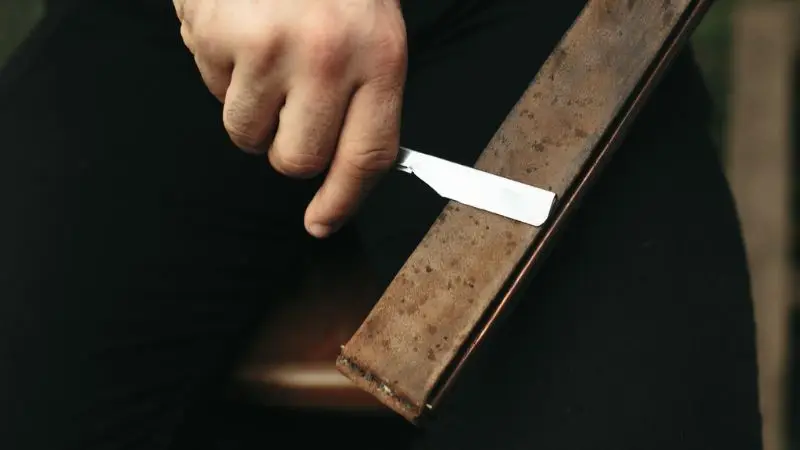
Put the Sharpener on a Firm Surface
Place the sharpener on a non-slip mat and keep hold of the base with your free hand.
Pull the Knife Through the Sharpening Slot
How to sharpen a knife at home? Drag the blade along the slot with one smooth movement. Do not let the blade become bent.
Repeat the Process Carefully
Make 3-5 passes on each side. More passes mean removing more metal from the blade.
Check the Knife After Sharpening
Test the edge by trying to cut paper. Repeat the passes if the knife still tears.
How to Sharpen a Knife With a Honing Rod
Understand the Difference Between Honing and Sharpening
How to sharpen a knife with a honing rod? Honing realigns the edge. A sharpening tool removes metal to create a new edge.
Hold the Honing Rod Safely
Hold the rod vertically with the tip on a cutting board. Keep your fingers behind the guard.
Use the Correct Blade Angle
Match the rod angle to the knife’s original bevel. Maintain that angle through every stroke.
Repeat on Both Sides of the Blade
Alternate sides with each stroke. Use five to ten strokes per side.
How to Sharpen a Knife With an Electric Sharpener
Choose the Correct Sharpening Setting
How to sharpen a dull knife? Match the setting to your knife type. Most units label slots for fine and coarse work.
Run the Knife Through the Sharpener
Pull the blade through the slot at a steady speed. Let the sharpening machine do the work.
Avoid Applying Too Much Pressure
Heavy pressure overheats the edge and weakens the steel. Use a light, even pull.
Check the Blade Before Use
Wipe the blade clean. Test it on paper. Repeat one pass if needed.
Common Knife Sharpening Mistakes to Avoid
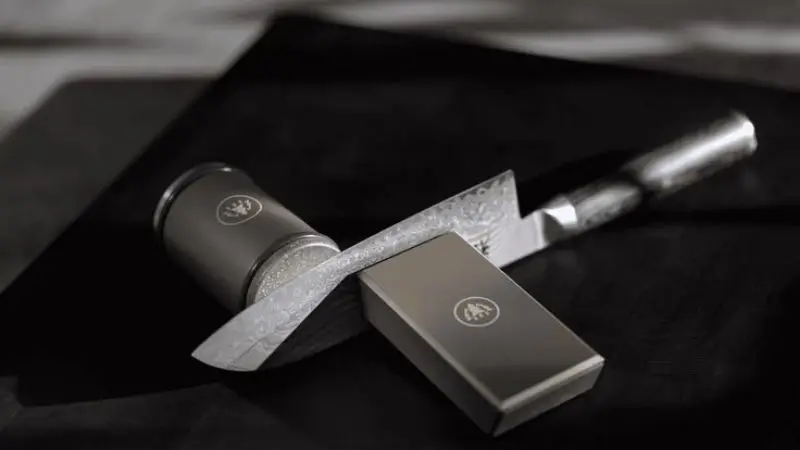
New sharpeners make two common errors. Both mistakes ruin the edge and frustrate the process. Learn to spot them early. You will save time and protect your blades. Avoiding these errors separates a successful sharpening from a ruined blade.
Using Too Much Pressure
You might think pressing harder sharpens knives faster. The opposite is true. Heavy pressure removes too much metal. It creates heat that weakens the steel. A hot edge loses its hardness. The knife becomes dull faster than before.
Let the stone do the work. This is the best way to sharpen a knife. The weight of the blade provides enough force. Guide the edge across the stone with a gentle touch. Feel for the subtle drag of metal against abrasive. You want a slow, steady removal of material. Think of polishing a surface rather than grinding it down.
Sharpening at an Inconsistent Angle
The sharpening angle matters more than any other variable in knife sharpening. A steady angle creates a uniform edge. An inconsistent angle produces a rounded, dull bevel. The edge never fully forms. You grind away metal without progress.
Most kitchen knives require a 15 to 20 degree angle. Hold this angle through every stroke. Beginners often change the angle mid-stroke. The wrist rotates. The edge lifts. One side gets more work than the other. The result is an asymmetrical edge that steers during cuts.
Use an easy tip and an abrasive tool to ensure consistency. Mark one side of the knife with a permanent marker. One swipe of the knife against the stone will show which area of the blade touches the stone. Change your angle until the marker wears away in a straight line. This will build muscle memory faster.
Conclusion
You know all the basic information. Choose the right stone, create a steady work environment, maintain the same angle, and develop a burr. Your first attempt might not produce a great edge. Repeating the process the same way will result in a sharp knife. Patience will build your muscle memory in no time. A sharp blade cuts smoothly and reduces the risk of an accident. This benefit alone will make it all worthwhile. Enjoy the satisfaction of holding a knife that you sharpened yourself. Use this article whenever you need a quick refresher.
FAQ
Can I sharpen my serrated knife at home?
Yes, but I will need a tapered diamond rod. I will match the rods to each serration gullet and stroke from the inside outward. Only the flat part of the blade needs sharpening; do not sharpen the scalloped part.
What is the best angle for a Japanese knife?
Japanese knives use a 15-degree angle. Western knives use a 17- to 20-degree angle.
How many different grits do you need for sharpening whetstones?
For beginners, one stone will suffice. Start with a medium stone around 1000 grit. Add a coarse stone when the knife becomes dull. Similarly, add a fine stone when you need to polish the blade.
How often should you use the honing rod?
Use the honing rod after every three or four uses of the knife. You can do this right before cooking to realign the blade edge without removing any steel.
Do you need water or oil for a sharpening stone?
If the stone is a water stone, it will need water. An oil stone requires honing oil. A diamond stone will work with either water or dry.