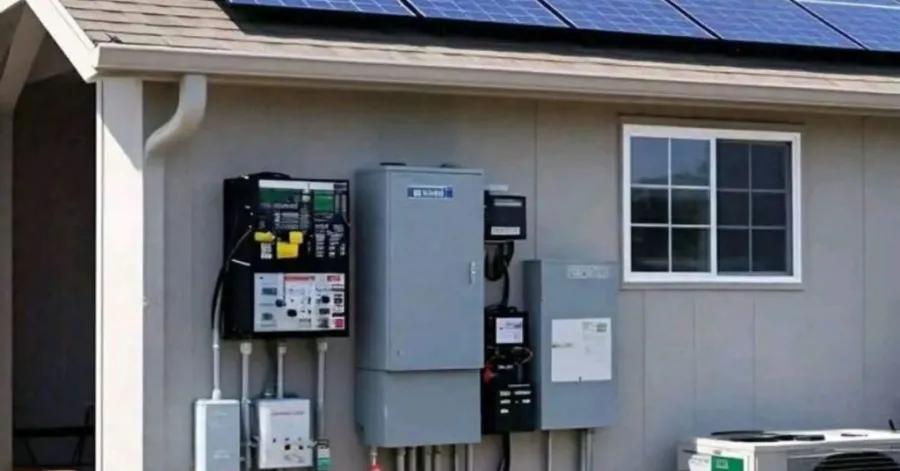
It is important to select the proper inverter for your solar energy system. Depending on the amount of energy your panels produce, you will need to select the appropriate inverter. Roof shape and shading are among the factors that determine which inverter you select. Inverters regulate how energy from your panels reaches you. Therefore, choosing an appropriate inverter will ensure good results for your system and a longer lifespan. Below are some key points to help you select an inverter for solar power.
Factors to Consider While Selecting a Solar Inverter
Size of the System and Amount of Energy
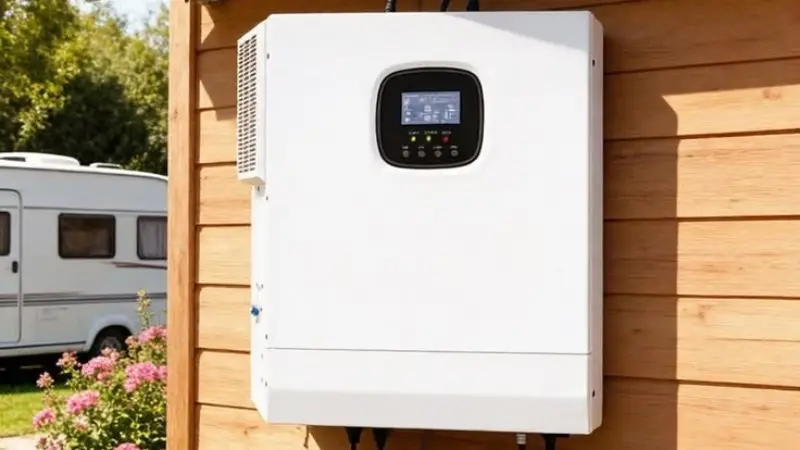
It is important to know how much energy you consume on a daily basis. You need to check your bill to get the correct statistics. You can add up the kilowatt-hours you consume monthly. This information will enable you to select the right inverter for solar power. The inverter size must match the energy your panels produce.
Grid-Tied vs Off-Grid Solar Systems
If you want to know which inverter is best for solar panels? You need to choose between a grid-tied or off-grid system. A grid-tied solar setup connects to your local utility. This lets you send extra power back to the grid. An off-grid system operates independently and requires batteries. Each type uses a different home solar inverter. Grid-tied inverters do not work when the power goes out. Off-grid inverters keep your lights on during outages.
Inverter Efficiency Ratings
Check the efficiency rating of each solar inverter. Efficiency shows how much solar energy turns into electricity you can use. High efficiency means you lose less energy. Most good inverters reach 95% or more. A high-efficiency inverter for solar power saves you money over time. Look for models with clear efficiency ratings.
Battery Compatibility
If you want to add a solar battery system, pick a battery-ready inverter. Not all inverters work with batteries. A battery-ready home solar inverter lets you store excess energy for later use. This helps during blackouts or at night. You can add batteries now or later.
Consider Expandability for Future Needs
Imagine adding more solar panels later for increased efficiency. Ensure that the inverter you choose can accommodate any potential additions. Choosing expandable inverters will save you high costs when expanding your setup. Consider inverter expandability when purchasing the unit.
How to Choose an Inverter Based on Your Wattage Requirements
Inverter Capacity Sizing Explained
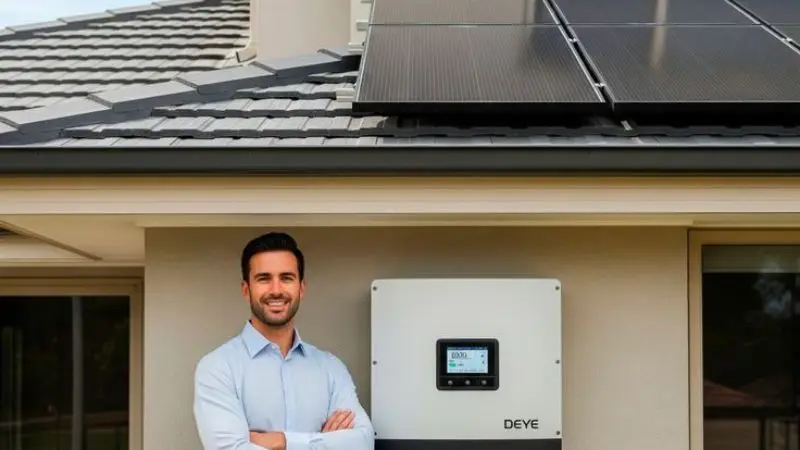
Inverter sizing is essential. The appropriate sizing of the solar inverter ensures efficient energy production by the solar panels. Choosing the wrong size leads to losses of power and money. Most solar inverters are labeled with a number indicating the maximum energy output that the unit can generate. This maximum output is usually measured in kilowatts (kW). The solar inverter’s output rating needs to match the wattage of your solar panels. For instance, if your solar panels are rated at 5,000 watts, ensure you choose a 5kW solar inverter.
Calculating Your Energy Consumption
You can look at your energy bills to work out how much electricity you use on a daily basis. Record the daily and monthly figures of your energy consumption. You will use this figure to determine the amount of solar energy you require. You can also use this data to select the right inverter size. If you consume more electricity in the future, then you might require a larger inverter.
Avoiding Oversized or Undersized Inverters
Make sure that you do not buy either an oversized or undersized inverter. Using an oversized inverter results in inefficiency and waste. An undersized inverter cannot meet all your energy needs. It might affect the performance of the solar panels. Moreover, this may shorten the inverter’s lifespan. Ensure you select the inverter capacity that matches the solar panel’s capacity.
Important Features to Look for in a Solar Inverter
Smart Monitoring and Mobile Apps
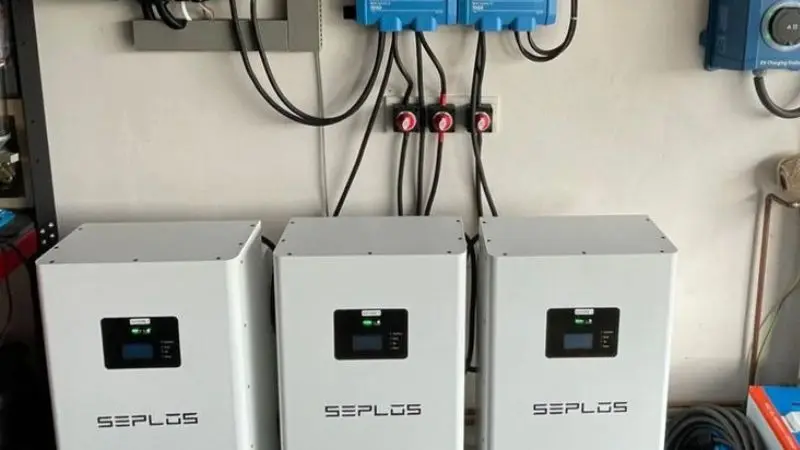
It is important to see how your solar system works each day. Many home solar inverter models now have smart monitoring and mobile apps. These tools let you check your solar power inverter on your phone or computer. You can see how much energy your panels make and use. Good monitoring helps you find problems early. You can also watch your energy storage and know if your system needs service. This feature makes it simple to manage your solar setup.
Multiple MPPT Technology
MPPT means Maximum Power Point Tracking. This technology helps your inverter get the most energy from your solar panels. If your roof has shading or panels facing different directions, multiple MPPTs work better. You get more solar energy even when the sunlight changes. A home solar inverter with multiple MPPTs gives better efficiency and supports energy storage. Your system will work well in many situations.
Built-In Safety Features
Safety is important for every solar power inverter. Look for inverters with built-in safety features. These can include surge protection, ground fault detection, and automatic shut-off. These features protect your home and your solar system. They also keep your energy storage safe. You lower the risk of fire or electric shock. Always ask your installer about the safety features in your inverter.
Weather and Environmental Protection
Your inverter must handle different weather. Many inverters are installed outdoors, so they need robust enclosures. Check for weatherproof ratings like IP65 or NEMA 4. These ratings show the inverter can resist dust, rain, and heat. A good solar inverter lasts longer and keeps working in tough weather. This protects your investment and keeps your energy storage running.
Comparing Hybrid, String, and Microinverters
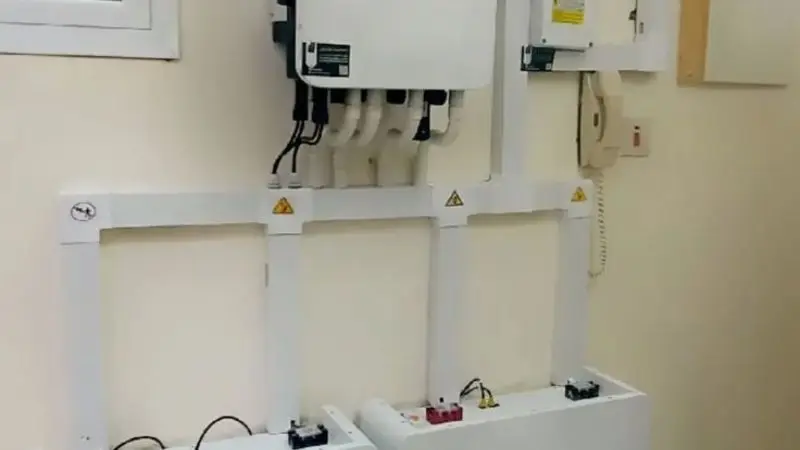
When you pick a solar inverter, you should know the main types. These are hybrid, string inverters, and microinverters. Each one works best in different cases.
Performance Comparison
You want your solar system to generate a lot of energy. String inverters link many solar panels together. If one panel gets shade, all the panels lose power. Microinverters work in a different way. Each panel has its own inverter. Shade on one panel does not hurt the others. Hybrid inverters can use both solar and batteries. You get more control over your energy. Microinverters work best if your roof has shade or faces many ways.
Cost Comparison
You need to think about how much you want to spend. String inverters cost less than microinverters or hybrid inverters. This is why many people pick string inverters for their homes. Microinverters cost more upfront, but they can save you more money over time. Hybrid inverters cost the most because they work with solar and batteries. You should look at how much money you save in the long run, not just the price.
Inverters Maintenance
You will want an inverter that is easy to maintain. Since string inverters remain in place, they are checked only once at any particular time. Microinverters are attached below each solar panel. If one gets faulty, you attend only to that particular unit. More maintenance is required with hybrid inverters due to their battery capacity. It is important to consult your installer on this issue.
The Best Applications for Each Type
The decision about which inverter to use depends on your preferences. You should select a string inverter if you have large roof areas with no shade. Microinverters are ideal when your roof area receives a lot of shade. For people seeking battery backup, hybrid inverters are highly recommended. The best results from your solar installation come from selecting the right inverter.
Common Mistakes to Avoid When Selecting a Solar Inverter
Choosing an inverter for your solar system requires great care. Such mistakes will make the installation process difficult and might lead to losses. This chapter explains common mistakes to avoid when making the selection.
Focusing Only on Price
You may want to pick an affordable solar inverter for a small house to save money. This can lead to trouble later. A low price does not always mean a cost-effective option. Cheap inverters may break down more quickly or operate less efficiently. You should look at quality, features, and support. A good inverter helps your solar system last longer and perform better.
Ignoring Warranty Coverage
You need to check the warranty before you buy an inverter. Some inverters come with short warranties. Others offer long-term protection. A strong warranty gives you peace of mind. If something goes wrong, you can get repairs or a replacement. Always ask about the warranty when you plan your solar inverter installation cost.
Choosing the Wrong Inverter Size
You must match the inverter size to your solar panels and energy needs. If you pick the wrong size, your system will not work well. A small inverter cannot handle all the power from your panels. A large inverter wastes energy and money. You should check your energy use and talk to a solar expert. This helps you stay within your budget and get the best results.
Overlooking Brand Reputation and Support
You should choose an inverter from a trusted brand. Some brands offer better support and service. If you pick an unknown brand, you may have trouble finding help. Good support makes your solar system easier to manage. You protect your budget and your solar investment by choosing a reliable company.
Conclusion
You can choose the right inverter for solar power by following a few clear steps. Start by checking your solar energy system size and your property’s features. Look at inverter efficiency and make sure your inverter matches your needs. Use a checklist to compare options. Ask a professional if you feel unsure. Make your solar project a success by picking the best inverter for your home.
FAQ
What size inverter is suitable for my solar system?
It would be best to consider the inverter size based on the power the panels produce. This means that for 5,000-watt panels, a 5-kW inverter would suffice.
Can a battery be added later on in the process for solar inverters?
Yes, a battery can be included if one chooses a battery-compatible inverter. One may confirm this from the solar system installer before purchasing one.
How long do solar inverters last?
The lifespan of most solar inverters ranges between 10 and 15 years. Ensure there is sufficient warranty coverage from reputable companies when buying an inverter.
What are some of the required maintenance practices for solar inverters?
One should consider checking for dust and debris. Ensure to pay attention to any warning signs. Make use of the monitoring app. If any problems occur, consult a professional.