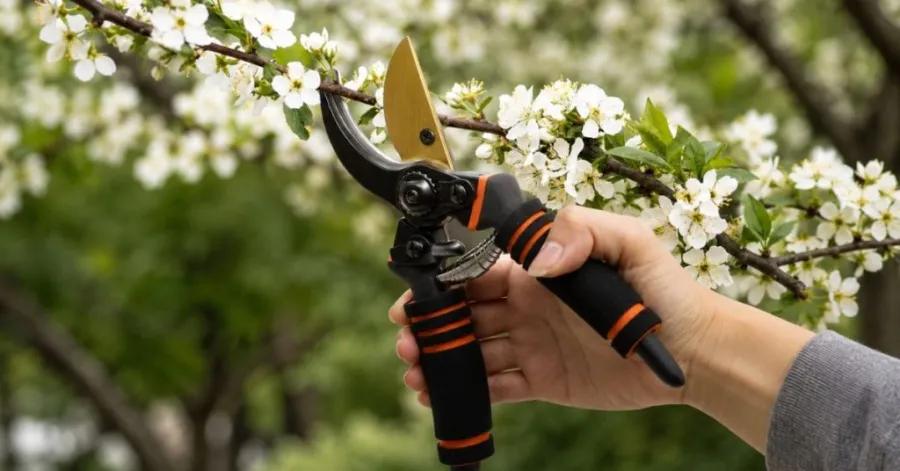
When you’re planting a lemon tree, you want it to grow robust and give a lot of fruit. This is how you want it to go. If you want to see a marked improvement in the appearance of the tree, you will want to master the technique of pruning a lemon tree. Cutting branches may make you anxious, but you can do it! Pruning your tree regularly will ensure it remains healthy and your production increases. By following a few basic steps, you may learn how to trim a lemon tree to boost its development. And very soon you will notice Exciting lemons and leaves full of excitement.
In this article, we will talk about the importance of pruning a lemon tree and how it helps improve growth, health, and fruit production. You’ll learn simple pruning techniques that will keep your lemon tree strong, healthy, and full of fresh lemons.
When Is the Best Time to Trim a Lemon Tree?
@matthewshatraw vevor 6 in 1 trimmer Women's Products Women 30+ Women 40 + Trending Products Must Buy Flash Sale Discount #TikTokShopFallDealsForYou #tiktokshopfalldealsforyou #tiktikshopblackfriday #tiktokshopcybermonday
♬ original sound - TikTok Shop Deals!
Best Season for Pruning Lemon Trees
How to prune a lemon tree in a pot? Your lemon tree should grow and bloom vigorously. The optimum time to begin pruning is late winter or early spring. The temperature is cool, but not freezing. At this time, your tree is starting to wake up and prepare for new growth. If you prune your tree now, it will be able to put all its energy into new branches and blossoms. You also don’t want to cut off new buds that could potentially turn into lemons.
Tip: Prune your lemon tree before you see lots of new leaves. This helps you shape the tree and remove old branches without hurting new growth.
Signs Your Lemon Tree Needs Trimming
Sometimes, your tree tells you it needs a trim. Look for these signs:
- Brown or dead sticks
- Branches that brush or cross each other
- Some shoot out of the base, loads of little ones
- Middle: Thick intertwined branches
- Few lemons or tiny fruit
If you see these signs, it’s time to learn how to trim a lemon tree for more fruit. You will help your tree breathe and let sunlight reach every leaf.
Times to Avoid Pruning
It is not recommended to prune your lemon tree when the temperature is too hot or too cold. How to prune lemon tree after harvest? Too much trimming in summer stresses your tree. Winter frost can damage and slow down the healing of fresh cuts. You also should not cut your tree when it is laden with blooms or young lemons. You want to get as many fruit buds as you can while you can. If you prune your lemon tree at the right time, you make the process straightforward and risk-free for the tree.
Tools You Need to Trim a Lemon Tree
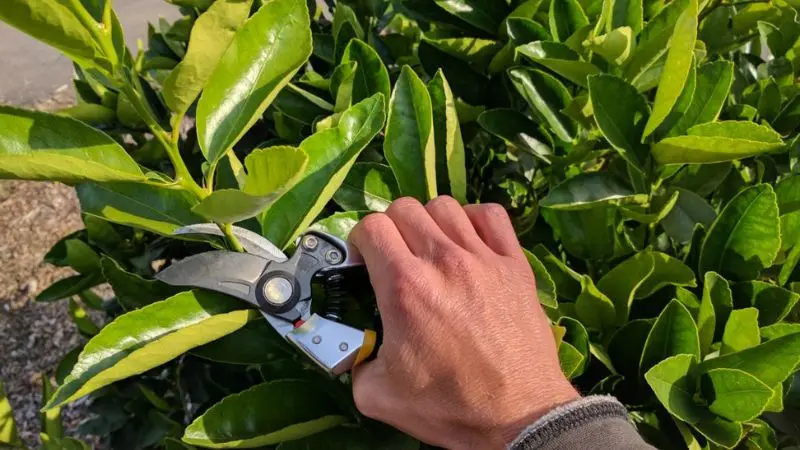
To begin the step by step lemon tree pruning guide, you will need the appropriate tools. High-quality instruments make the task simpler and facilitate a more rapid recovery of your lemon tree. Listed below is what you ought to have on hand.:
Pruning Shears
How to prune lemon tree to keep it small? Pruning shears are a type of sharp scissors that are used on plants or other vegetation. They are used for cutting down rather thin branches and twigs. Pick a pair that feels good on your hand and slides on easily. Sharp blades allow you to make clean cuts, which can help your tree grow and flourish. If you find any little dead branches or shoots that are growing, you should have your pruning shears ready.
Tip: Wipe your shears with a clean cloth before you start. This keeps your tree safe from germs.
Loppers for Thick Branches
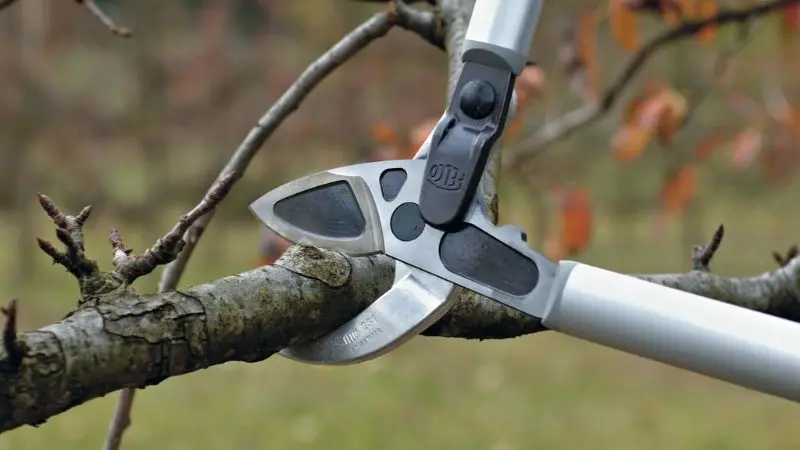
When and how to prune a lemon tree for beginners? But certain branches have the appearance of being stout and enduring. These are too huge for pruning shears. For larger jobs, it is important to make use of loppers. Because of the way they looked, the loppers could have been mistaken for giant scissors with long handles. Longer handles will give you more power. You can reach the higher branches without needing a ladder to get you there. If the branch is thicker than your thumb, use loppers.
Gardening Gloves
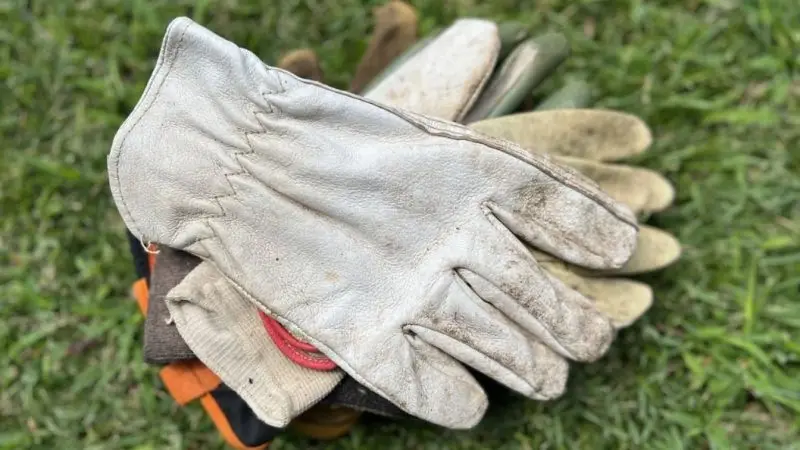
How to trim an overgrown lemon tree? You should always keep this in mind. It is something that you should keep in mind. Thorns are implanted in the tough and rough-looking bark of lemon trees. Lemon trees are known to have thorns. Gardening gloves are designed to protect your hands from cuts and scratches. Additionally, they improve your capacity to hold the goods that you use, which is a significant benefit. It is recommended that you choose gloves that are snug yet allow your fingers to move freely.
- Soft gloves work for light jobs.
- Thick gloves protect you from thorns.
How to Clean and Disinfect Your Tools
A clean lemon tree is a healthy lemon tree. Disease can be carried from one branch to another when the blades are filthy. After you have finished trimming, clean your tools with warm, soapy water. Make sure they’re dry. To add another layer of protection, wipe the blades with rubbing alcohol. Armed with these tools, you may prune your lemon tree with total confidence. And keep your tree happy and your hands safe!
How to Trim a Lemon Tree Step by Step
Are you prepared to figure out step by step lemon tree pruning guide. You will be able to observe your tree grow more robustly and healthily if you follow these procedures. Put on your gloves and get your tools. It’s time to get started!
Step 1: Remove Dead or Damaged Branches
How to prune a lemon tree in a pot? Maintain a strong awareness of any branches that appear dry, brown, or damaged. This is very important to keep in mind. In no way do these branches provide anything of value to your tree; they are completely worthless. The pruning shears you have should be used to remove them. Your incision should be made while you are in proximity to the primary branch of the palm tree. Providing aid to your tree allows it to direct its energy toward healthy growth.
Tip: Removing dead branches keeps bugs and disease away.
Step 2: Cut Away Suckers and Water Sprouts
They appear most obviously at the base of the tree, where suckers are starting to grow. Water sprouts grow from the plant’s branches in an upward direction. Both of their life energies are derived from the lemon tree you have. You want to cut them out. You should cut carefully with your shears, so take advantage of them. This phase should be regarded as a crucial part of the process when learning how to trim a lemon tree for more fruit.
Step 3: Thin Out Crowded Branches
How to prune lemon tree after harvest? The branches that are either crossed or in contact with one another are the source of the obstruction preventing sunlight from reaching the tree. Immediate action is required to reduce the amount of mass they possess. The first step is to identify the most fragile branch and then remove it. The amount of light and air your tree is exposed to will increase as a result. Consequently, the development of lemons that are larger and sweeter is encouraged as a result of this.
- Crowded branches can cause mold.
- Thinning makes picking lemons easier.
Step 4: Shape the Tree for Better Airflow
The shape of a lemon tree should be open because this is the shape that you want it to have. Any branches that are growing in the direction of the core ought to be pruned. You should try to give the impression that the tree is a bowl. Having sufficient airflow helps to ensure that the leaves remain dry and healthy. You are going to learn how to prune a lemon tree so that it can grow healthily and vigorously throughout this stage.
Step 5: Remove Low-Hanging Branches
Branches that are low to the ground are more likely to get dirty or damaged than higher branches. When and how to prune a lemon tree for beginners? Getting rid of them helps keep your tree looking neat and appealing. And by clearing the available space, you make room to walk under the tree and trim the grass. This post has given you complete instructions on how to prune a lemon tree. If you care for your tree with upkeep, it will reward you with juicy lemons and robust foliage.
Common Mistakes to Avoid When Trimming a Lemon Tree
When you get ready to trim your lemon tree, you want to do so in a way that will benefit it rather than one that will cause it harm. Many gardeners make the same errors. They can be avoided, and your tree will remain content!
Pruning Too Much at Once
How to trim an overgrown lemon tree? If you’re thinking about giving your tree a complete overhaul, you’re probably excited about the possibility. If you take away too many branches at once, there’s a chance that your lemon tree will get so stressed that it will die. It could cease growing. It could potentially become ill.l The recommendation is that you remove only one-third of the tree’s branches in any one pruning season. And if you’ve got a lot of pruning to do, do it over several years first.
Tip: Step back often and look at your tree. If it looks much smaller or bare, you may have cut too much.
Cutting Healthy Fruit-Bearing Branches
It’s more lemons you’re seeking, not less! How to prune lemon tree to keep it small? There are times when it is much easier to deal with the situation when branches that appear strong and healthy are cut off. These branches are renowned for consistently providing the best-quality fruit. Check for green leaves and early-stage buds before you cut them. In no wise come into contact with these branches. But don’t forget to put removing branches that are rotting, broken or crossing over to the top of your list of priorities.
- Healthy branches = more lemons
- Dead branches = less energy for fruit
Using Dull or Dirty Tools
If the tools are clean and sharp, they will produce smooth cuts. How to prune a lemon tree in a pot? Dull blades can crush branches, resulting in ragged edges. The transmission of disease from one department to another can be exacerbated by the use of contaminated equipment. Be sure to clean your instruments both before and after you prune. This is an important need. You can clean them with either soapy water or rubbing alcohol. Both of these solutions are available.
Note: Good tools help your lemon tree heal faster.
Trimming at the Wrong Time of Year
Timing is everything. Pruning a tree in hot or cold weather can harm it. How to prune lemon tree after harvest? New cuts might not heal well. Prune late winter-early spring. If you see a damaged branch, you can remove it right away, but for major pruning, you should wait until the right time of year. Now you have the knowledge you need to prune a lemon tree and avoid these common mistakes. If you take care of your tree, it will reward you with lush foliage and aromatic lemons.
Conclusion
How to trim a lemon tree? There are many other benefits to pruning your lemon tree. The outcome is more sun, better limbs, and larger lemons. If you follow these rules to the letter, you will be able to encourage your tree to mature into a healthy, prolific specimen. Keep in mind that it takes practice to learn how to prune a lemon tree. Trust yourself and appreciate the journey you are on. If you take care of your tree, give it the attention it requires, you will be rewarded with beautiful foliage and luscious lemons.
FAQ
How often should you trim your lemon tree?
You should trim your lemon tree once a year. Late winter or early spring works best. If you see dead or damaged branches, remove them at any time. Regular pruning keeps your tree healthy and full of fruit.
Can you prune a lemon tree to keep it small?
Yes, you can keep your lemon tree small by trimming new growth each year. Focus on shaping the tree and removing tall shoots. This helps you control the size and makes it easier to pick lemons.
What should you do if you cut too much?
If you cut too much, don’t worry. Give your tree water and mulch. Avoid more pruning that year. Your tree will recover with time. Next season, trim less and watch your tree’s response.
Tip: Always step back and check your work as you prune.
Do you need to seal the cuts after pruning?
You do not need to seal cuts on your lemon tree. The tree heals naturally. Clean, sharp cuts close quickly. If you see large wounds, keep an eye out for pests or disease.