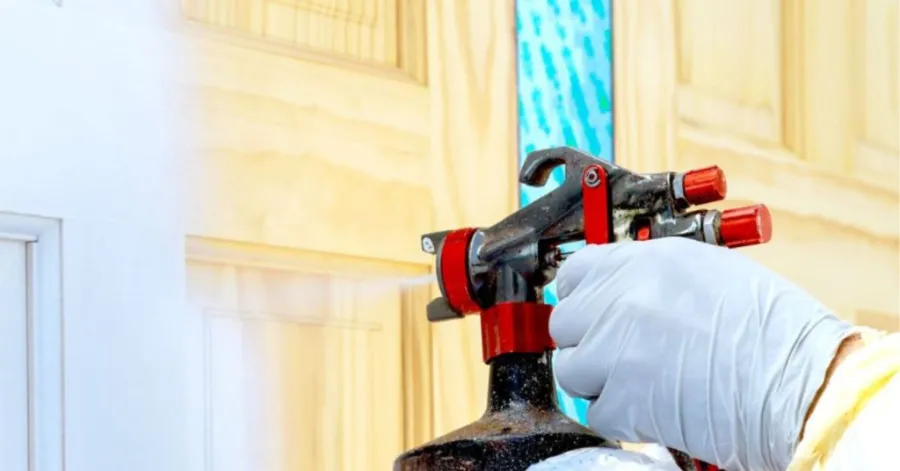
Spray painting is among the quickest and most efficient methods of providing surfaces with a smooth and professional finish. Whether you are working on walls, furniture, or DIY projects, you can learn to spray paint with a gun to save time and achieve better results. Even an amateur can come up with good-quality finishes at home with the right sprayer, preparation, and technique. This guide is simplified and explained in an easy-to-follow manner. You will be taught preparation, setup, and proper spraying procedures. This step-by-step tutorial on how to spray paint with a gun will help you gain confidence and avoid common errors during the painting process.
Gather the Right Tools and Materials Before Spray Painting
It is also necessary to have the appropriate tools and materials before learning to spray paint with a gun. This makes the whole process easier and can save you time when you are ready to start, as well as help you prevent mistakes while painting.
Following a step-by-step instruction on how to spray paint with a gun or doing it for the first time, proper equipment will lead to better and more professional-looking results.
Tools and Equipment You Need for Spray Painting
Spray painting requires a few basic tools to get started. A good spray paint gun of the right type, according to the nature of the work you are undertaking, is the most important. Airless sprayers are the best for large areas, whereas HVLP spray guns are best for details and fine finishing. You may also have to buy an air compressor in case your spray gun needs one. Paint strainers, mixing sticks, measuring cups, drop cloths, and masking tape are other handy items. These are used to get the paint ready and shield the surrounding areas. Preparing to learn how to spray paint with a gun (as a beginner) and produce consistent results is the initial step in having the right equipment.
Safety Gear You Need to Wear While Spray Painting
The use of a spray paint gun should always be in the name of safety. Spray paint produces small particles of paint and fumes, which may be dangerous when inhaled. A good quality respirator mask used to spray paint should always be used to protect your lungs. Safety goggles are also essential since they protect your eyes against the mist and overspray of paint. Gloves prevent the paint from touching your skin, whereas protective clothing prevents any stains and lessens the contact with chemicals. When painting indoors, ensure there is proper ventilation in the area. By following these safety measures, you not only ensure your safety but also have an opportunity to learn how to operate a spray paint gun to achieve a nice finish without any distractions.
How to Choose the Right Paint for Your Spray Gun
To achieve a smooth, long-lasting finish, choose the right paint. The various types of spray guns are used with different types of paints; hence, always ensure that, before commencing, you have checked with the spray gun manufacturer. Walls and larger surfaces are normally done with latex paints, whereas the furniture and decorative painting projects are usually done with enamel and acrylic paints. Certain paints would require thinning prior to application to make sure that the paint flows properly through the gun. Applying the wrong paint can result in clogs, uneven strokes, and unsatisfactory results. The selection of the right paint is particularly crucial when learning to spray paint walls with a paint gun or to spray paint furniture with a spray gun, since each surface has to be approached somewhat differently.
Prepare the Surface Properly Before Spray Painting
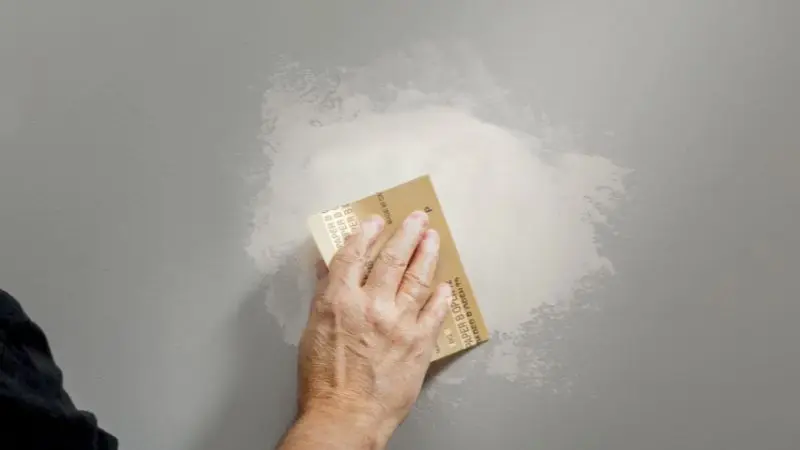
One of the most significant steps in spray painting is surface preparation. Regardless of the cost of your spray gun, improper surface preparation will result in an uneven finish, peeling, or rough finishes.
To know how to spray paint using a gun and be able to do it like a professional, you will have to dedicate some time to preparing the surface. A smooth, dirt-free surface is more likely to adhere to the paint and provide lasting, good results.
Clean the Surface Before Applying Paint
Clean the area to be painted properly before starting to paint it, cleaning the surface of dust, grease, dirt, etc. Any traces of dirt can affect paint adhesion, and the surface will not be smooth. Wash the surface with mild detergent and water, and then leave it to dry. In the case of oily surfaces, a degreaser might be required to get rid of the tenacious residue. Wipe the surface after cleaning with a clean cloth to make sure no dust is left. Cleaning is a fundamental aspect of the process of spraying paint using a gun by beginners, as it forms the best foundation on which a smooth and even application of paint can be done.
Sand and Repair Surface Imperfections
Clean the surface and examine it after cleaning: cracks, dents, scratches, peeling paint. Use wood filler, putty, or a repair compound to fix any damaged parts. After the parts have been repaired, sand the whole surface with fine-grit sandpaper. Sanding is used to level rough areas and give the surface a slight texture, allowing the paint to adhere better. Take off all the sanding dust using a clean cloth or vacuum, and proceed to the next step. This is one of the preparations involved in any step-by-step tutorial on how to spray paint with a gun, since it aids in creating a perfect and professional finish.
Cover Areas That Should Not Be Painted
Pre-treat all the areas to be left without paint. Apply masking tape to edges, trims, handles, windows, or any hardware. Plastic sheets, drop cloths, or masking paper can be used to cover large areas. Essentially, masking the areas around saves oversprays and saves time in cleaning up after the painting process. Ensure that the tape is properly fixed so that the paint does not leak under it. Good masking is of particular concern when learning how to spray paint walls using a paint gun, since the surrounding surfaces can be easily affected by overspray. A close masking is also a good way to get a clean line and a clean final look.
Set Up Your Spray Paint Gun the Right Way
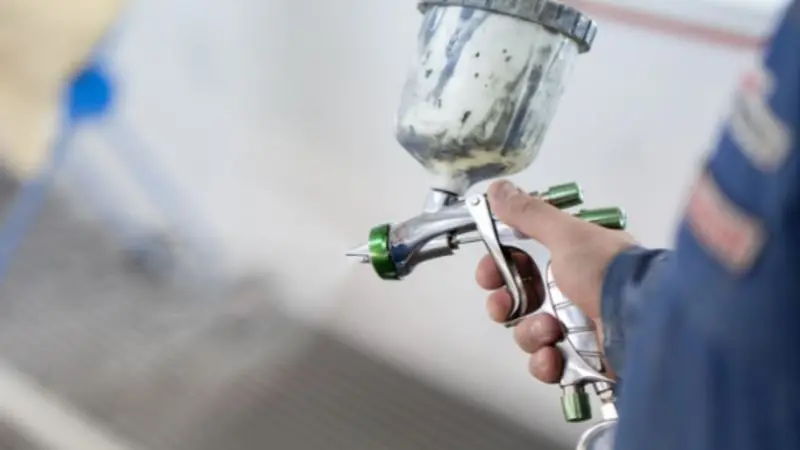
It is important to properly set up your spray paint gun in order to have a smooth and professional finish. Misalignment of settings may cause issues such as uneven coverage, over-spraying, or a rough texture.
You have to have a few minutes to get your equipment set up correctly before you begin spraying. To know how to spray paint with a gun, it is important to learn the proper setup, which will give you a smooth sailing painting project.
Adjust the Air Pressure for Better Spray Results
Air pressure is one of the key factors in your spray finish. Most spray guns have manufacturer-recommended pressure levels, so it is always good to read the user manual before starting. When the pressure is excessive, you can have an overspray and wastage of paint. Conversely, low pressure may lead to non-uniform coverage and ineffective atomization. Begin with the suggested setting and make minor changes when necessary. Adequate air pressure is particularly necessary when learning to spray paint like a professional, as it helps develop a fine, uniform spray pattern and a smooth finish.
Mix and Thin the Paint Correctly
Most of the paints require mixing or thinning before they can be sprayed in a spray gun. Always mix the paint properly to give it a uniform look. Certain paints, particularly latex paints, may need to be thinned as per the manufacturer’s guidelines. Paint should not be too thick, otherwise it may block the spray gun and produce an irregular finish. Strain the paint through a paint filter (after thinning) to eliminate lumps and debris. This is a basic measure to improve paint flow and prevent blockages. Knowledge of the paint preparation is a major aspect of how to spray paint using a gun for beginners, since well-mixed paint sprays better and covers better.
Test the Spray Pattern Before Starting the Project
It is important always to test the spray pattern on a sheet of cardboard or scrap material before applying the paint on the actual surface. You can check the spray width, paint flow, and overall coverage by testing. In case the pattern is not even, adjust the air pressure, fluid, or fan settings until you have a steady spray. The practice will aid in detecting issues before they can impact your project. The pattern test is a step in any step-by-step tutorial on how to spray paint with a gun, as it will not only ensure the spray gun is functioning properly but also help you become more confident in using a spray paint gun to achieve smooth finishes.
Step-by-Step Guide to Spray Paint with a Gun
After making your surface and setting up your spray gun, you can begin to paint. The correct method is extremely important as it determines the appearance of a smooth, professional finish.
When you are learning the art of spraying with a gun, it will be important to observe every step so that you can avoid the mistakes that are likely to occur. This step-wise tutorial on spray-painting with the gun will simplify and make the task more manageable.
Step 1: Keep the Spray Gun at the Right Distance
Keep the spray gun at a constant distance of about 6 to 10 inches. The distance will help you apply paint evenly, without drips or roughness. When you approach too near, the paint will be thick and begin to run. By remaining too distant, the finish can be dry and streaked. Maintaining a distance is highly relevant when teaching yourself to spray paint with a gun as a beginner, since it will assist you in establishing control and getting a smooth finish.
Step 2: Start Spraying Before You Reach the Surface Edge
Do not spray on the surface. Rather, start spraying a bit before getting to the side and roll evenly along the surface. Draw the trigger when you go over the other edge. This is a way to prevent a thick paint deposit at the end and start points. It is an easy yet crucial method of how to spray paint with a gun and look like a pro since it leaves a clean and smooth appearance.
Step 3: Move the Spray Gun in Smooth and Steady Lines
Hold your hand and move the spray gun in straight and level lines. Do not pause or reduce the velocity when spraying in between stages, since it may result in uneven layers or drips. Attempt to bend your whole arm rather than just your wrist, to be in better control. When learning how to use a spray paint gun in order to achieve smooth finishes, smooth movement is of great importance since it aids in spreading paint across the surface.
Step 4: Overlap Each Spray Pass for Even Coverage
The spray passes are slightly overlapping each other in order to ensure that there is no area that is missed. The rule of thumb is to overlap the spray pattern by half. This assists in producing a smooth surface with no lines or crevices. Overlapping is particularly significant when learning to spray paint walls with a paint gun, as huge areas should be covered regularly to achieve a perfect finish.
Step 5: Apply Thin Layers Instead of One Heavy Coat
Never use a thick layer of paint, but use numerous light layers. Drips, unequal drying, and rough surface can be the result of thick coats. It is important to leave adequate time to dry the first coat before applying the second. This technique works well when you want to learn to spray-paint furniture with a spray gun, as it helps give the furniture a smooth, stable, and professional appearance. Thin layers enhance adhesion and the quality of paint as well.
Common Mistakes in Spray Painting and How to Avoid Them
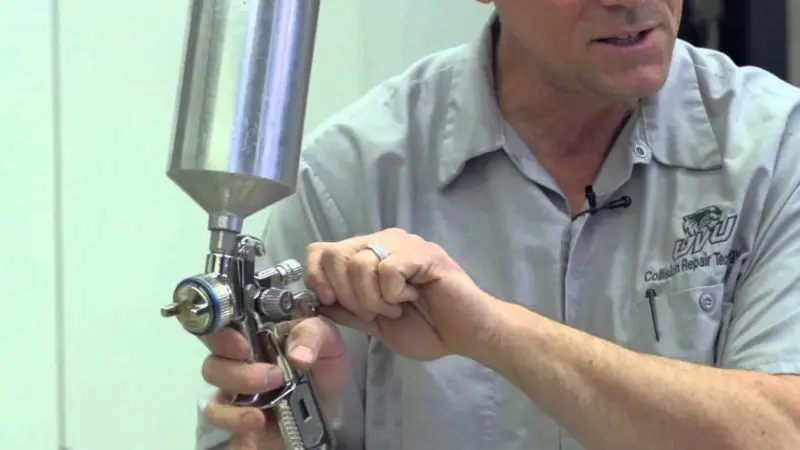
You can still make errors when doing the work of spray painting, even though you are aware of the fundamentals of spray painting. These minor mistakes can influence the end result and render the surface unprofessional. The fact that most of them can be prevented with the correct technique and care is good news.
In learning about these issues, you will be able to master your skills and achieve better results each time. It does not matter whether you are learning to spray paint using a gun or you need to work on your technique; it is equally important to know what to avoid as it is to know what to do.
Next, we will see some typical spray painting issues and how to repair/prevent them.
Prevent Paint Runs and Drips for a Smooth Finish
Paint runs and drips normally occur when more than the required amount of paint is being applied at a given point or when the spray gun is too close to the surface. This forms heavy areas where the paint is unable to dry evenly. To prevent this issue, it is always important to maintain a constant distance and maintain the spray gun at a constant speed. Applying thin coats instead of thick layers is also very important. Should drips occur, it is best to stop and allow the area to dry thoroughly and then sand smooth and repaint. This is one of the most important components of learning how to spray paint with a gun when you are a beginner,r since control of the flow of paint will enable you to attain a clean and professional finish without wastage of materials and time.
Avoid Orange Peel Texture for a Smooth Surface Look
Orange peel texture is an uneven, wavy surface that resembles the skin of an orange. It usually occurs when the paint is too thick, the air pressure is too low, or when the spray gun is not properly adjusted. To prevent this, ensure that you have the proper balance of your spray gun settings and that your paint is well thinned. Keep your hand still and spray evenly. Gaining the right technique is the key to knowing how to operate a spray paint gun to achieve smooth finishes, since even little changes can contribute significantly to the overall quality of the end product. There are several things you can do to minimize the possibility of texture issues, the first of which is to always test your spray pattern first before commencing the main project.
Fix Uneven Coverage Problems for a Consistent Finish
Uneven coverage- this is when certain parts of the paint get more paint than others, causing patchy or inconsistent color. This normally occurs where the spray passes are not overlapped effectively or when the speed at which the spray is applied is irregular. To correct this problem, always apply a 50 percent overlap method and maintain a constant movement on the whole surface. If you find there are areas that are not even after the painting, leave them to dry, then apply another light coat to even the painting. It would be a great idea to learn this way of correction in any step-by-step tutorial on how to spray paint with a gun, since it assures a smoother and more professional finish on the walls, on furniture, or on any other surface.
Tips for a Professional Spray Paint Finish
Achieving a professional appearance of the result is not only a matter of the tools and techniques, but also of how well each step of the process is controlled. Even minor changes in your movement, environment, and timing can result in a substantial difference in the end result.
When you want to learn to spray paint like a professional, focus on consistency and patience. These final hints will help you finish better overall and prevent common flaws.
Keep Your Spray Gun Movement Steady and Consistent
Constant movement is one of the major factors in getting a smooth finish. Always keep your spray gun at the same speed without pausing in between passes. Do not shake or change direction abruptly, as this may form uneven layers and streaks. Try to move your entire arm instead of only your wrist to keep better control. The main component in how to use a spray paint gun to create smooth finishes is consistent motion, since it makes sure that the paint is sprayed evenly on the surface without thick layers or patches.
Control Room Temperature and Humidity for Better Results
The surroundings are significant in the behavior of the paint on the surface. When it is hot, the paint can dry too fast, resulting in coarse surfaces. When it is either too cold or humid, paint can dry slowly and not adhere. It is best to paint in an area with good ventilation and a constant temperature. Care should be taken that in very dusty or windy conditions, they are not sprayed since particles may adhere to wet paint. These conditions are also a valuable aspect of learning how to spray paint with a gun as a beginner, since they allow you to prevent flaws on the surface and attain a clean finish.
Allow Enough Drying Time Between Each Coat
As important as the process of painting itself is drying time. The next coat should be applied too late, otherwise it may be smudged, have uneven texture,e or the previous layer may be lifted up. Always make use of the drying time suggested by the paint manufacturer and modify it depending on temperature and humidity. Thin layers have the advantage of drying more quickly and performing better than thick layers. Learning to spray paint walls with a paint gun or learning to spray paint furniture with a spray gun will require some patience as it dries, since it is important to produce a strong, smooth, hard, and long-lasting finish.
Wrap Up
When you use the right process in the process of spray painting, it becomes simple and successful. Each of the steps is significant in the finalization of a clean result, starting with the work on the surface, which is then followed by the work on the gun and the work on the smooth coats. Knowing how to spray paint using a gun as a beginner will enable you to make fewer mistakes and become better in the future. You can also learn to spray paint, using a gun, on a wall, furniture, and other surfaces like a professional with practice. Always be patient, wear thin coats, and move steadily. The secrets of a perfect and durable finish are good preparation and technique.
FAQs
How can one begin to learn spray painting?
It is most effective to start with simple surfaces and train with simple gun control. Work step-by-step, work in a straight line, and apply light layers to have more control and achieve cleaner outcomes.
What distance between the spray gun and the surface?
The spray gun should be held between 6 and 10 inches. This distance will also allow the coverage to be even, to avoid drips, and to have a smooth and uniform finish on all surfaces.
What is the reason behind my spray paint finish being rough or uneven?
A coarse finish tends to occur because of improper paint thickness, low air pressure, or bad technique. Change the settings, thinning the paint, and spraying at a steady rate.
Is it possible to paint furniture with a spray paint gun?
Yes, furniture is a great use of spray paint guns. When you apply thin coats and give the paint time to dry out between applications, they are smooth and give professional results.
Recommended number of coats to use when spray painting?
A number of thin coats should be used rather than one large coat. Two to four coats are typically sufficient, depending on the surface and type of paint, to give a smooth and permanent finish.