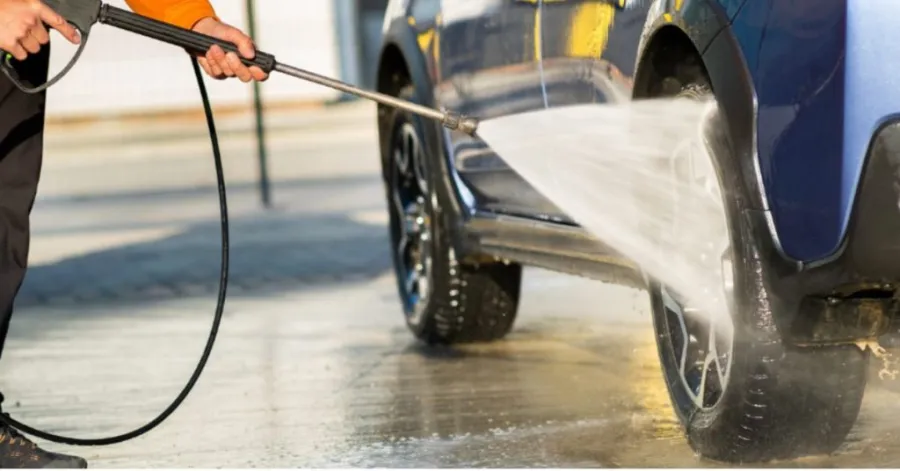
Cleaning your car can preserve your paint, enhance its appearance, and help it retain value over time. One of the best ways to clean a car is to learn how to pressure wash it, which is a quick way to clean it without taking hours to clean it by hand. Nevertheless, the incorrect pressure or technique may ruin the paint, trim, and seals. This guide provides information on how to wash a car using a pressure washer safely, including selecting the right equipment to use and the proper washing procedure. You will also get to know the right PSI, the wrong things not to do, and the frequency of washing your car.
Table of Contents
Get Everything Ready Before You Start Washing Your Car
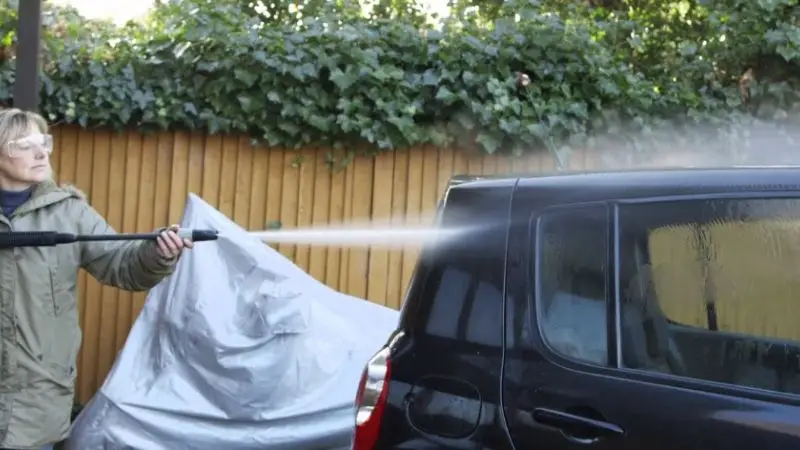
It is necessary to prepare the necessary equipment and cleaning products before you start. Proper tools can be used to ensure the safety of the paint on your car, besides simplifying and speeding up the cleaning process. When learning to pressure-wash a car, you should have all the tools ready to help you prevent errors and achieve a professional appearance.
Recommended For Your Project
Choose the Right Pressure Washer for Your Car
The initial step in washing a car with a pressure washer is selecting a machine designed for cleaning cars. The ideal pressure washer to use when cleaning a car is one that has sufficient power to clean the car without harming the paint or trim. Electric pressure washers are typically preferred since they produce a steady pressure, are quiet, and are easy to manage. Models that run on gas pack more power; however, they need more attention and experience. Find a washer that has variable pressure levels to ensure you can safely wash the various parts of the vehicle, such as painted panels, wheels, and plastic trims.
Select the Right Nozzle and Safe PSI Setting
It is as important to use the right nozzle as it is to select the pressure washer. Assuming the question is what PSI to use to pressure-wash a car, most cars are safe to wash at 1,200 to 2,000 PSI. A 25- or 40-degree spray nozzle disperses the water to a greater area, and the risk of damaging the paint is lessened. Never use the narrow nozzles, which focus the water stream, as they may cut paint or destroy fragile surfaces. Knowing the PSI to pressure-wash a car will help you clean it efficiently and maintain its finish.
Cleaning your car can preserve your paint, enhance its appearance, and help it retain value over time. One of the best ways to clean a car is to learn how to pressure wash it, which is a quick way to clean it without taking hours to clean it by hand. Nevertheless, the incorrect pressure or technique may ruin the paint, trim, and seals. This guide provides information on how to wash a car using a pressure washer safely, including selecting the right equipment to use and the proper washing procedure. You will also get to know the right PSI, the wrong things not to do, and the frequency of washing your car.
Get Everything Ready Before You Start Washing Your Car
It is necessary to prepare the necessary equipment and cleaning products before you start. Proper tools can be used to ensure the safety of the paint on your car, besides simplifying and speeding up the cleaning process. When learning to pressure-wash a car, you should have all the tools ready to help you prevent errors and achieve a professional appearance.
Choose the Right Pressure Washer for Your Car
The initial step in washing a car with a pressure washer is selecting a machine designed for cleaning cars. The ideal pressure washer to use when cleaning a car is one that has sufficient power to clean the car without harming the paint or trim. Electric pressure washers are typically preferred since they produce a steady pressure, are quiet, and are easy to manage. Models that run on gas pack more power; however, they need more attention and experience. Find a washer that has variable pressure levels to ensure you can safely wash the various parts of the vehicle, such as painted panels, wheels, and plastic trims.
Select the Right Nozzle and Safe PSI Setting
It is as important to use the right nozzle as it is to select the pressure washer. Assuming the question is what PSI to use to pressure-wash a car, most cars are safe to wash at 1,200 to 2,000 PSI. A 25- or 40-degree spray nozzle disperses the water to a greater area, and the risk of damaging the paint is lessened. Never use the narrow nozzles, which focus the water stream, as they may cut paint or destroy fragile surfaces. Knowing the PSI to pressure-wash a car will help you clean it efficiently and maintain its finish.
Gather Car Wash Soap and Essential Cleaning Supplies
The availability of the right cleaning supplies facilitates the process of washing and brings better results. Wash with a pH-balanced, vehicle-oriented car wash detergent rather than house-based detergents, which can strip vehicle protection wax. Before you start, prepare two buckets, a microfiber wash mitt, wheel brushes, microfiber drying towels, and tire cleaner. These products are compatible with eliminating dirt in a safe manner and minimizing swirl marks. These pressure washer car washing tips, as well as the supply of quality supplies, are the answer to the frequently asked question, can you pressure wash a car safely. Yes, with the right products and appropriate technique.
Prepare Your Car Properly Before Pressure Washing
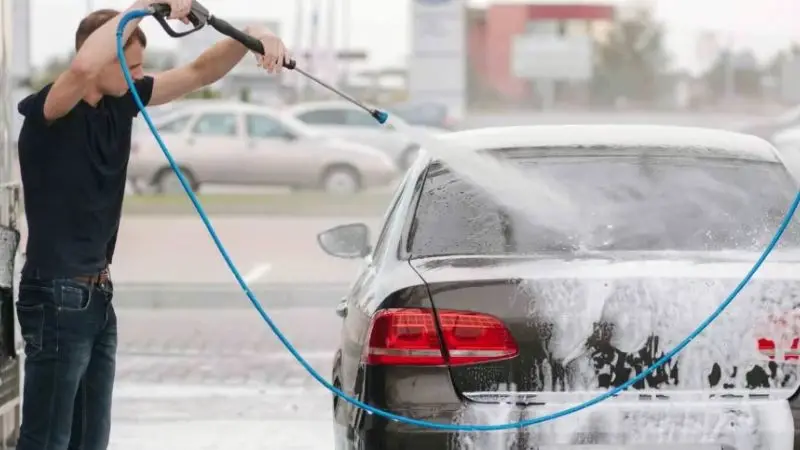
Even a couple of minutes of preparation can lead to significant changes in the end results. Before you get down to the business, it will save you some time in the process of preparing your vehicle, preserving the parts that are delicate, and allowing the cleaning products to work better. These are the basic preparation steps before you start learning how to pressure wash a car so that you have a safe and successful wash.
Park Your Car in the Right Location
Select a shaded region or have your car washed in the early morning or late afternoon. Direct sunlight may make water and soap dry too rapidly, leaving streaks and water spots on the paint. Park your vehicle on a smooth surface that has plenty of drainage so that the dirty water may flow away easily. Ensure that there is sufficient room to move around the car without straining the hose. Among the top tips of the pressure washer car wash is not to wash on warm surfaces, since heat can diminish the efficiency of your car wash soap, and rinsing can be complicated.
Check Your Car for Loose Parts and Existing Damage
Inspect your car prior to spraying water: check if there are any loose trim, broken paint, broken mirrors, or broken seals around windows and doors. The pressure of water may cause new damage or loss of loose components when you are not attentive. Close the side mirrors (where possible) and all windows, doors, and the sunroof. When you are asking yourself Can you pressure wash a car, then it is dependent on the preparation. A brief examination will minimize the possibility of water getting into the cabin or of inflicting unwarranted damage in the cleaning process.
Rinse Away Loose Dirt Before Applying Car Wash Soap
It is always essential to start with a gentle rinsing to remove loose dust, mud, sand, and other debris on the surface of the vehicle. This will minimize the chances of scratching the paint upon beginning to wash with a mitt or sponge. Keep the spray nozzle at a distance and start spraying down the roof to the lower panels. When learning how to wash a car with a pressure washer, this preliminary rinse is a valuable process as it helps to loosen hard-to-remove dirt, and the car wash soap can work better. An adequate rinse also makes the whole procedure of washing faster and healthier.
How to Pressure Wash a Car Step by Step
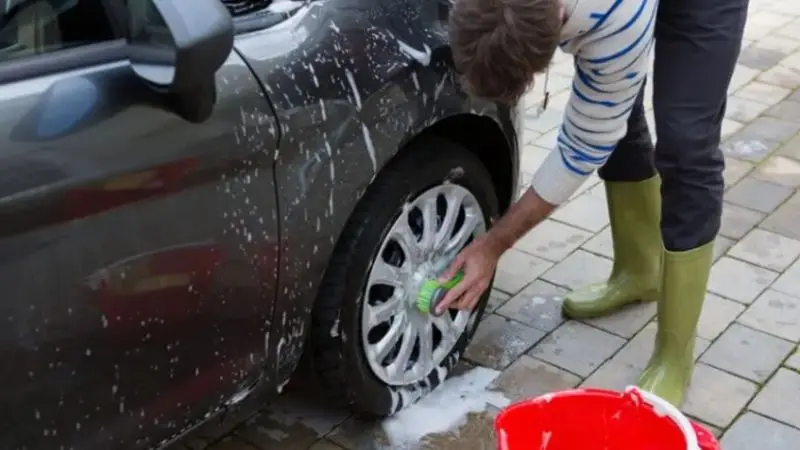
Your car is now ready, and you can start washing. It is advisable to take every step in the right sequence to ensure that the dirt is removed without damaging the paint and finish. When you are learning to pressure wash a car, the following basic steps will enable you to produce a professional-looking job.
Step 1: Apply Car Wash Soap with a Foam Cannon or Soap Nozzle
Begin by spraying the car with a smooth layer of pH-balanced car wash soap on all parts of the vehicle with a foam cannon or the soap nozzle on the pressure washer. Thick foam sticks to the surface, loosening the dirt, road grime, and bugs before you even put your hands on the paint. Start at the top and go downwards towards the roof to cover the entire area. Allow the foam to rest for a few minutes without it drying on the surface. This is a mandatory step in the process of washing a car with a pressure washer since the foam decreases friction and minimizes the chances of forming swirl marks when washing.
Step 2: Wash the Car from Top to Bottom
Once the foam has loosened the dirt, carefully clean the vehicle with a clean microfiber wash mitt. Always begin with the roof, then move to windows, hood, doors, and then to the bottom panels, which normally harbor the greatest amount of dirt. Wash mitt: Rinse the wash mitt often with clean water so that it does not rub back on the paint. What makes working top to bottom is that dirt does not have a chance of spreading to already cleaned areas. This is one of the best pressure washer car washing tips to follow, as it ensures that one does not have scratches on the surface during the entire cleaning procedure.
Step 3: Rinse the Vehicle Thoroughly
After washing the car, rinse off all the soap with clean water from the pressure washer. Grasping the nozzle at a safe distance, make smooth and overlapping passes starting on the roof and moving downwards. Be careful of mirrors, door handles, wheel arches, and body gaps where soap can build up. Any remaining soap will cause streaks or dulling of the finish once dried. Whether you have been asking yourself the question Can you pressure wash a car safely, the answer is yes, provided you apply moderate pressure, maintain a reasonable distance, and thoroughly wash the car.
Step 4: Dry the Car Properly to Prevent Water Spots
The last step is drying, which also leaves your vehicle looking clean and polished. Wipe all surfaces dry with a soft microfiber drying towel or a car air cleaner. Start with the roof and work downwards, and make sure to dry each part individually to avoid the formation of water spots. Always dry around mirrors, badges, door handles, and trim in areas where water tends to accumulate. This is also a significant step in the process of how to pressure wash a car, as it helps in maintaining the shine, minimizing mineral deposits, and leaving your car looking freshly detailed.
Common Mistakes to Avoid When Pressure Washing a Car
Although you may have the proper equipment, there are minor errors that can affect the quality of your results or even ruin your vehicle. It is equally significant to learn what not to do as much as the proper procedure for washing. These considerations will assist you in pressure washing a car without damaging its appearance, so that you can use it in the coming years.
Using Too Much Water Pressure
Among the largest errors is the excessive use of pressure. It is common knowledge that paint, especially wax, can be damaged by excessive pressure, and even trim pieces can be loosened. When you are not certain of the PSI to pressure-wash a car, use the recommended 1,200-2,000 PSI for most cars. The correct spray nozzle and moderate pressure are very effective in cleaning the finish without damaging it. This basic modification will safeguard your car and provide professional-level results.
Holding the Spray Wand Too Close
Holding the spray nozzle too close to the car’s surface can create excessive force, which can chip paint or damage decals and plastic trim. It is important to always keep a distance of approximately 12-18 inches during spraying and ensure the wand is in motion rather than staying in one position for more than a minute. This enables the dirt to be washed away evenly without applying pressure in any particular direction. This is among the most significant pressure washer car-washing tips to follow, as it safeguards the paint while effectively removing stubborn dirt.
Spraying Directly at Seals, Sensors, and Electrical Components
Even though the question of whether it is safe to pressure wash a car or not is a frequent one, it depends on the direction in which you spray the water. Do not point high-pressure water at rubber door seals, window seals, engine electronics, parking sensors, badges, or bare wiring. Leaks or electrical issues may occur in the long run due to water being pushed into such spaces. Rather, when cleaning around delicate parts, spray at a small angle and maintain a reasonable distance. Spraying carefully will ensure that your vehicle is not damaged and, at the same time, is cleaned thoroughly.
Washing the Car in Direct Sunlight
It might appear convenient to wash your car when the sun is shining, yet this can often make the soap and water dry too fast. This leaves streaks, water spots, and soap residues that may dull the finish of the vehicle. Wash your car in the shade or during cooler parts of the day, like in the morning and evening. This will allow you time to wash and dry each part thoroughly. When you are learning how to wash a car using a pressure washer, it will be easier to select the correct time and place to do it, and will result in a cleaner and shinier outcome.
How Often Should You Pressure Wash Your Car?
Cleaning your car does not just pertain to appearance but also to the preservation of the paint, as well as the absence of dirt accumulation. The optimal washing plan will be determined by how frequently you are driving, the road conditions, and the weather where you live. Being aware of when it is time to clean your car will ensure that you keep your car in good condition and will enjoy the benefits of pressure washing a car.
How Often Should You Wash a Daily Driver?
When you commute to work or do your daily chores with your car, it is usually sufficient to wash it at least twice a month in order to keep it clean and safe. Nevertheless, you might have to clean it once a week when you use it regularly on dusty roads or in heavy traffic. Frequent cleaning eliminates dirt, bird droppings, road salt, and other contaminants before they have a chance to destroy the paint. This is one of the best pressure washer car wash tips, as it will ensure that your car always appears good and that wear will be minimized over time.
When to Wash Off-Road or Muddy Vehicles
Cars that are frequently used on muddy roads, gravel roads, or construction sites need to be washed quite frequently. The mud, sand, and debris may be trapped under the vehicle and around the wheel wells, posing the risk of rust and corrosion over time. It is best to wash your vehicle as soon as possible after off-road driving. When you arrive at the question, ” Can you pressure wash your car after driving through mud, the answer is yes, but you have to apply the right pressure setting, and never spray the sensitive parts.
Follow a Seasonal Car Cleaning Schedule
The weather also influences how often you wash your car. Frequent washing during winter will remove road salt, which may lead to corrosion. Spring cleaning gets rid of pollen, tree sap, and winter grime. Summer washing will avoid the damage of dust, insects, and bird droppings to the paint, whereas autumn cleaning will remove the fallen leaves and dirt before they can stain the surface. Regardless of the time of year, knowing how to wash your car with a pressure washer properly will keep it safe and clean, with a shiny finish year-round.
Wrap-Up
One of the quickest and best ways to keep your vehicle clean is pressure washing, as long as it is done properly. With the right pressure washer to wash a car, the recommended PSI, and the correct washing process, you can safely clean the car without damaging the finish of your car. Always wash your car in advance, avoid pitfalls, and dry your car properly to avoid water spots. Regardless of whether you wash your car once a week or once every couple of weeks, adhering to these pressure washer car-washing tips will keep your car shiny and attractive and prolong the life of its paint.
FAQ
Is it safe to pressure wash a car?
Yes. Is it possible to pressure wash a car? Definitely, where 1,200-2,000 PSI, a wide-angle nozzle, and a distance of 12- 18 inches between the spray wand and the vehicle are used.
What is the PSI I should use to pressure wash a car?
The suggested range of PSI to pressure wash a car is 1,200 to 2,000 PSI. This also cleanses dirt without destroying the paint or trim.
Which pressure washer is more suitable for a car, electric or gas?
The electric pressure washers tend to be more effective in cleaning vehicles as they offer regulated pressure, less noise, and less destructive power to sensitive car surfaces.
Do I need a foam cannon to wash my car?
No. A foam cannon is more effective in spreading the soap and loosening dirt; however, a pressure washer with a soap nozzle and a good car wash shampoo are also effective.
What is the frequency of pressure washing my car?
The majority of daily-driven cars should be washed every two weeks. A car that is in contact with mud, salt on the road, or a dusty environment may require pressure washing once a week.