Painting kitchen cabinets can be a little daunting at first, but with the right prep and patience, it’s doable. The trick is to do each operation correctly, from washing and cleaning the surfaces to painting and priming them evenly. Take it slow on every step so the whole thing looks smooth and proper. Take your time — good planning will make all the difference to the result. Have faith in the process. Just keep on going. And don’t forget the tiny things. In time, you will be able to change the look of your kitchen cabinets to match the rest of the area.
In this article, we will cover, step by step, how to paint kitchen cabinets, including proper preparation, washing, sanding, priming, and painting techniques to achieve a smooth, professional finish and transform your kitchen’s look.
- Tools and Materials Needed for Painting Kitchen Cabinets
- Preparing Kitchen Cabinets for Painting
- Priming Kitchen Cabinets Before Painting
- How to Paint Kitchen Cabinets Like a Pro
- How to Reassemble and Reinstall Cabinets
- Tips for a Smooth and Durable Cabinet Paint Finish
- Cost of Painting Kitchen Cabinets (DIY vs Professional)
Tools and Materials Needed for Painting Kitchen Cabinets
Essential Painting Supplies Checklist
How to paint kitchen cabinets step by step? Before you begin painting kitchen cabinets, gather your supplies. When everything is in place, the job is easier and less stressful. Here’s a helpful checklist :
- Screwdriver (for removing doors and hardware)
- Painter’s tape
- Drop cloths or old sheets
- Degreaser or mild soap
- Sandpaper (120- and 220-grit)
- Tack cloth or microfiber cloth
- High-quality paintbrushes
- Small foam rollers
- Paint tray
- Primer
- Cabinet paint
Best Types of Paint for Kitchen Cabinets
How to paint kitchen cabinets without sanding? Choosing the right paint for your kitchen cabinets is vital if you want them to look good and last a long time. Choose a paint that can withstand everyday cleaning, water, and kitchen use. A good guide can help you decide:
- Acrylic latex (satin or semi-gloss) is easy to clean, dries rapidly, and is suitable for novices.
- Alkyd (Hybrid) (Semi-gloss/Gloss) Very smooth finish with long-lasting finish.
- Oil-Based (Gloss) A durable finish resistant to fading.
Most folks choose acrylic latex or alkyd paints because they last a long time, are easy to use, and create a smooth surface. If you use the appropriate kind of paint, your cabinets will look good for a long time and be safe.
Optional Tools for a Professional Finish
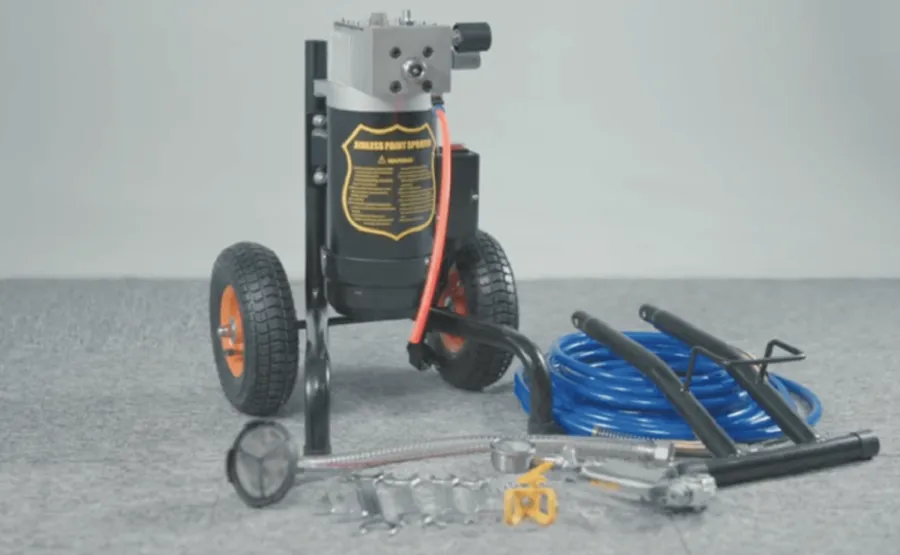
How to paint kitchen cabinets for beginners? If you want your kitchen cabinets to look as if they came from the factory, a few more tools can make a great difference in the final finish. With a paint sprayer, you get smooth,th even applications with no brush marks showing, creating a professional impression. Painter’s pyramids can be used to lift cabinet doors off the surface, allowing you to paint edges smoothly without clinging or smudging. If you require precision for corners, edges, and tight places, a detail brush is just the thing. If you are painting with oil-based paint, it is vital to use a respirator mask to protect yourself from the powerful fumes. You don’t need all these tools, but they can make your project easier and vastly increase your results.
Preparing Kitchen Cabinets for Painting
How to Remove Cabinet Doors and Hardware
How to paint kitchen cabinets white? Begin by removing all the cabinet doors and drawers. Remove doors and hardware, such as handles, knobs, and hinges, with a screwdriver. Label bags for screws and small parts to keep from losing them. Mark each door and drawer with a number using painter’s tape. That makes it easy to remember where everything goes when you put the kitchen back together.
Cleaning Cabinets to Remove Grease and Dirt
Many kitchens are left greasy! Before painting the kitchen cabinets, clean all surfaces with a degreaser or a mild soap-and-water solution. How to paint kitchen cabinets professionally? Clean the doors, frames, and drawers with a wipe-down. Make sure to wipe up any oil, dust, st or food spatter that may have been there. First, make sure everything is really dry.
Sanding Cabinets for Better Paint Adhesion
How to paint kitchen cabinets step by step? It’s time to sand the cabinets in your home. The surfaces should be scuffed with 120-grit sandpaper. This technique enhances the adhesive properties of the primer and paint to the surface. Followed by sanding, dust should be cleaned with a tack cloth or a wet microfiber cloth.
Repairing Chips, Cracks, and Imperfections
Check for dents, chips, or cracks. Fill them with wood filler and let them dry. Sand the mended areas until they are smooth to the touch. After doing this, you will have a perfect foundation for painting the kitchen cabinets. After you have gone through all of these stages, you will be ready to learn how to paint kitchen cabinets with total confidence!
Priming Kitchen Cabinets Before Painting
Why Primer is Important for Long-Lasting Results
You want your painted cabinets to look fantastic for years. How to paint kitchen cabinets professionally? Primer gives you that great lasting finish. It filters out stains, hides existing color,r and gives the paint something to adhere to. Without primer, you can get paint that chips or peels. You don’t want that. A good primer will make your kitchen cabinet makeover last longer and look better.
How to Choose the Right Primer for Cabinets
Choosing the right primer might be a challenge, but it becomes much easier when you analyze your options against the requirements of your task. Here’s a basic guide:
- Oil-based primers are suitable for wood and heavily damaged surfaces. It will take about 8 hours to dry.
- If the surface is clean, a water-based primer will work fine. Easy to clean up, dries rapidly (after an hour or so)
- Shellac primer is good for fast removal of stubborn places. Dries in about 30 minutes.
How to paint kitchen cabinets without sanding? Most folks can use water-based paint, and clean up is easy. Shellac primer is great for covering hard-to-reach areas. Oil-based primers are more durable, longer-lasting, and stronger for difficult surfaces. Always check the label carefully before you buy something to make sure it fits your work.
Step-by-Step Guide to Applying Primer
“Want cabinet primer?” How to do it:
- Keep cabinets dry and clean.
- Stir to mix the primer completely.
- Corner & Edge Brush
- “Primer is important for flat surfaces to get a nice finish.
- You can paint with primer. Allow to dry completely.
- Check missed locations. Make any changes you need.
So now you know how to paint kitchen cabinets with a solid foundation. Be sure the primer is completely dry before you begin painting.
How to Paint Kitchen Cabinets Like a Pro
Best Painting Techniques (Brush, Roller, or Spray)
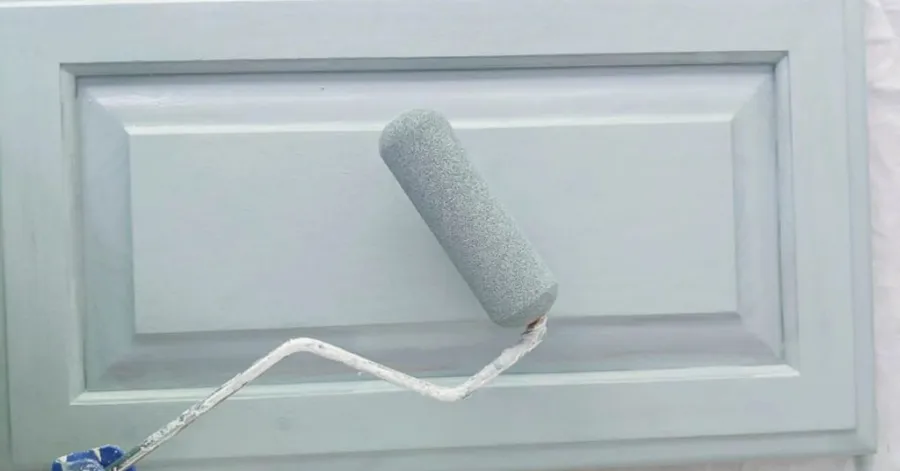
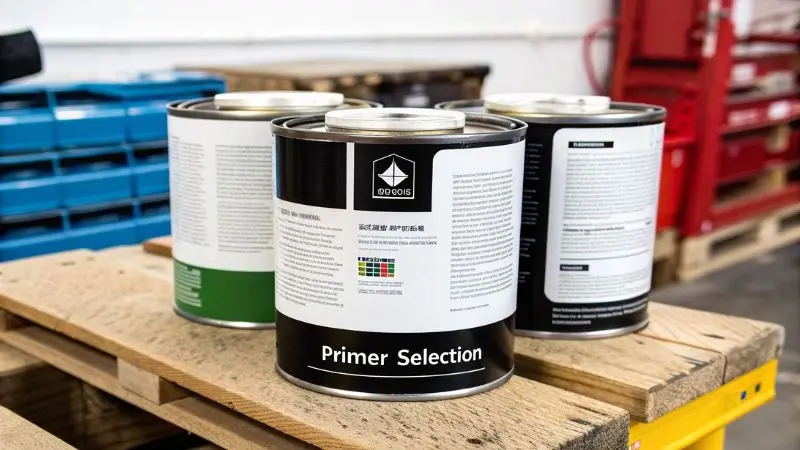
How to paint kitchen cabinets white? There are a few ways to paint kitchen cabinets. Each approach produces a different look. Use a small foam roller on flat areas for smooth results. Brush for corners and details. Paint sprayers are quick and provide a factory finish, but you need some practice beforehand. These tools confuse people. Begin with a brush for the edges, then roll on the big sections. This will give your kitchen cabinet painting a clean, uniform look.
How Many Coats of Paint Do You Need?
Suppose you’re wondering how to paint kitchen cabinets professionally. Most cabinets require two coats. Let it dry. First, apply the first coat. Look for thin areas or lines. Then add a second layer for solid color. If you are painting over light cabinets with a dark color, you may require 3 coats. Let each layer dry before adding the next. This process prolongs the life of your cabinet painting diy.
Drying Time and Curing Process Explained
When you learn how to paint kitchen cabinets for beginners, patience is important. Paint dries in a few hours, but takes days to cure. means the paint is dry to the touch. Drying paint cures to become hard and durable. Reattach doors after at least 24 hours. No heavy use for one week. This allows your cabinets to sit. “If you rush, you might get smudges or chips.” Let your hard work last. Wait for a full cure.
How to Reassemble and Reinstall Cabinets
Reattaching Doors, Drawers, and Hardware
The most fun part is about to start: putting your kitchen back together! The first thing you want to do is get the bags or containers you use to store your screws and hardware. Return each drawer and door to its place. Use the labels or numbers that you made earlier. There is no need to guess at this point.
How to paint kitchen cabinets step by step? Follow these steps to reattach everything:
- Keep the door in place.
- Insert the screws in the hinges.
- Screw it tight with your screwdriver.
- Push the drawers into their grooves.
- Fix handles, knobs, and other hardware.
Aligning Cabinets for a Perfect Finish
Your cabinets should look straight and even. “Look at all the doors and drawers. If things get odd, try loosening the screws a little. You can move the door left, right, up, or down. Once you are satisfied with the location, tighten the screws again.
Tips for a Smooth and Durable Cabinet Paint Finish
Common Mistakes to Avoid When Painting Cabinets
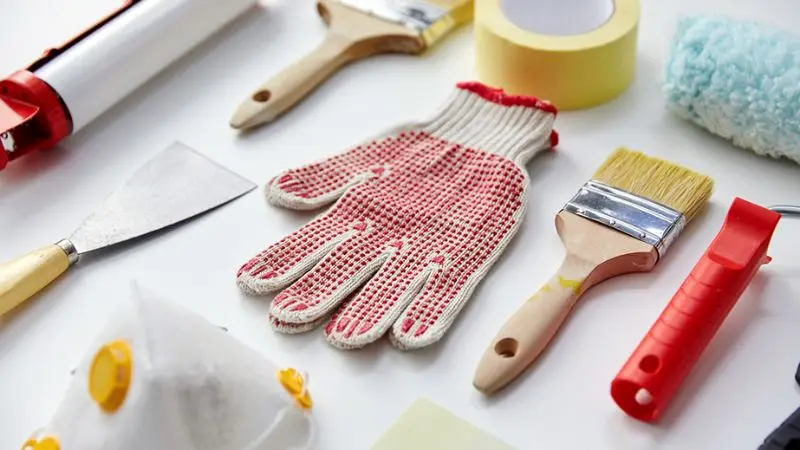
A few mistakes might spoil the polished professional look of your kitchen cabinets. The worst mistake is not to clean. Paint doesn’t get along with grease, grit, and dirt. Another problem is not sanding the surface. Paint has to stick to something. Rapid coat changes could be an issue, also, as each layer needs to dry and cure before you apply the next. This causes faster wear on cabinets, especially those used daily. It might be the wrong paint or primer. Finally, reassembly without marking the doors and hardware can lead to confusion. Avoid these mistakes to achieve a clean, long-lasting finish.
How to Achieve a Factory-Like Finish
You can achieve a smooth, professional finish on your kitchen cabinets right at home with a few basic methods. How to paint kitchen cabinets for beginners? Use a good brush or foam roller and apply evenly to minimize streaks. If you want that super-smooth, factory-quality finish, use a paint sprayer. A light sanding with a fine-grit sandpaper between applications will help the next coat bond better and will leave you with a smoother overall surface. You want the surface to be clean. Wipe it off between each new coat. And always use thin, even coats. Thick coats might result in runs, uneven texture, and a less polished finish.
Maintenance Tips for Painted Kitchen Cabinets
If you have painted your own kitchen cabinets, a little TLC again might keep them looking fresh longer. How to paint kitchen cabinets professionally? Wipe up spills immediately with a soft, wet towel to prevent them from harming or spoiling objects. Using aggressive cleaners on the paint can damage it. Water and a mild soap are often used to clean items. You need to patch any little chips or cracks soon so that the surface doesn’t flake or break down. While you are cooking, open a window or turn on the vent fan to let in some fresh air. This will help keep the cabinets clean over time.
Cost of Painting Kitchen Cabinets (DIY vs Professional)
Cost is probably the first thing you think about when considering how to paint kitchen cabinets without sanding. You usually have two choices. Do it yourself, or hire an expert. A cheap DIY paint job for cabinets in a 10’ x 10’ kitchen will cost $150-$350. This pricing generally includes primer, brushes, rollers, and all the other basics. You will save money by spending more time prepping, painting, and cleaning. Expect to fork up $1,200 to $7,000 to a contractor. That includes the labor, the materials, the careful prep work, and the beautiful finish. Experts save you time and give you better, longer-lasting results.
Conclusion
So now you know how to paint kitchen cabinets, from preparation to priming to painting to upkeep. With the correct equipment and a little time and forethought, you can make a sleek, professional-looking product that will make a big difference to your kitchen. Take your time with each step, especially washing, sanding, and applying thin coatings, as these steps make a significant difference in the end result. Trust the process, listen to each step, and don’t rush the drying process. With care and consistency, your newly painted cabinets can look good, robust, and renewed for years to come.
FAQ
How long does it take to paint kitchen cabinets?
You can do it on a weekend or over a 2-3 day plan. Drying and curing are processes. Take as much time as you like.
Do I need to remove cabinet doors to paint them?
They have to leave. You receive more results. Flat paint on doors will help prevent drips and stains.
Can I paint over old paint or varnish?
First, you need to sand and prime. This allows the new paint to stick longer. For best results, follow the instructions.