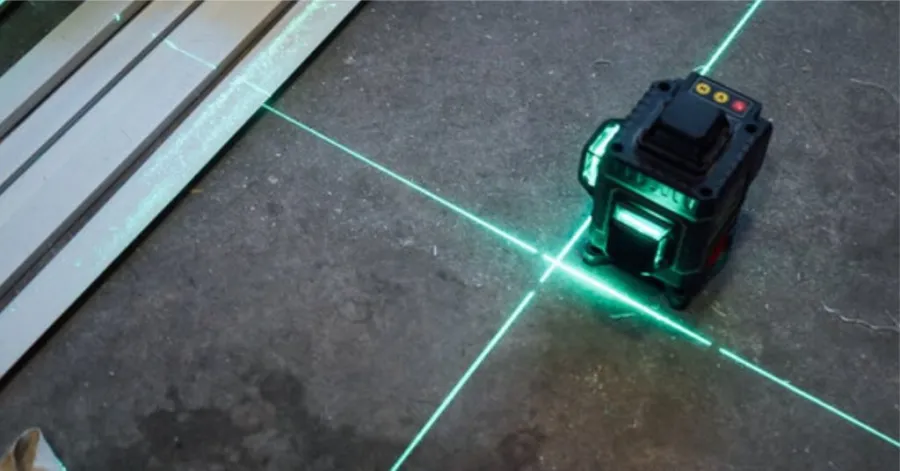
Before you start a job, you need to know how to level ground for pavers. The flatness and firmness of the base are the key to the lifespan and look of your pavers. You can use a Rotary Laser Level to accurately verify the ground level and maintain the correct slope for drainage before laying the base materials. Skipping a stage or rushing the process can lead to shifting or cracking of your pavers over time. If you want your pavers to look great and last for years to come, you need to pay attention to every detail, including checking the slope and compacting the soil.
In this article, we’ll walk you through how to level ground for pavers with basic tools and established methods. You’ll discover the right preparation methods, common mistakes to avoid, and practical tips for creating a solid, level base that keeps your pavers stable and long-lasting.
Table of Contents
Tools and Materials You Need to Level Ground for Pavers
How to level ground for patio pavers? Before leveling the ground for pavers, you need to gather the appropriate tools and materials. If you have everything prepared, you can work more quickly and avoid mistakes. Using the right tools will make each step simpler and improve outcomes.
Recommended For Your Project
Essential Hand Tools
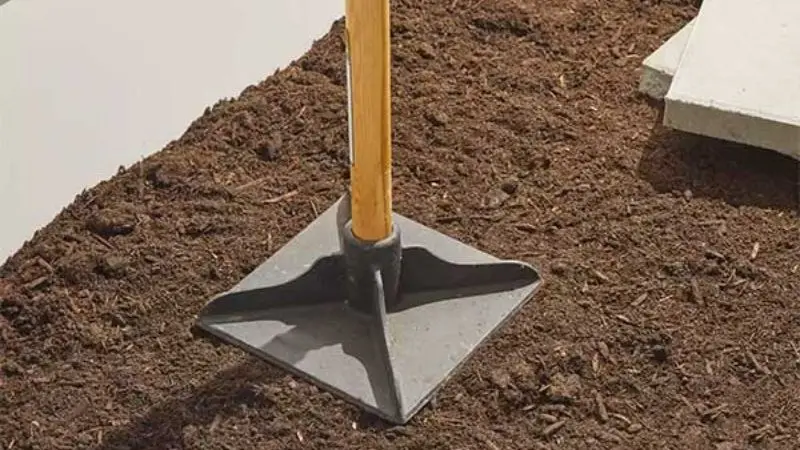
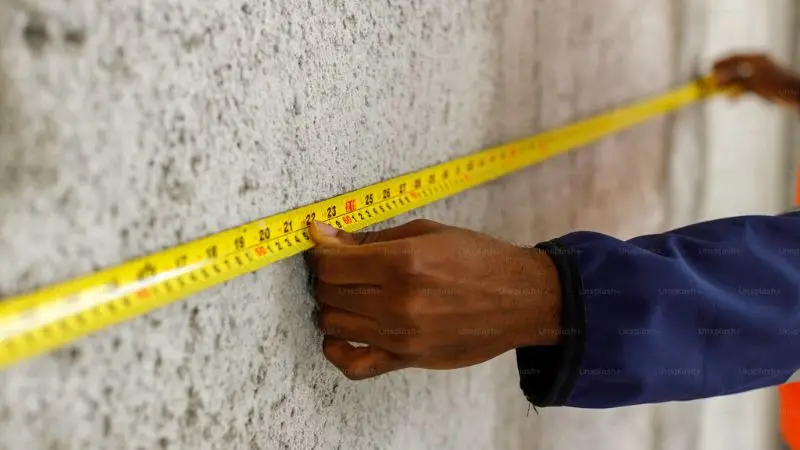
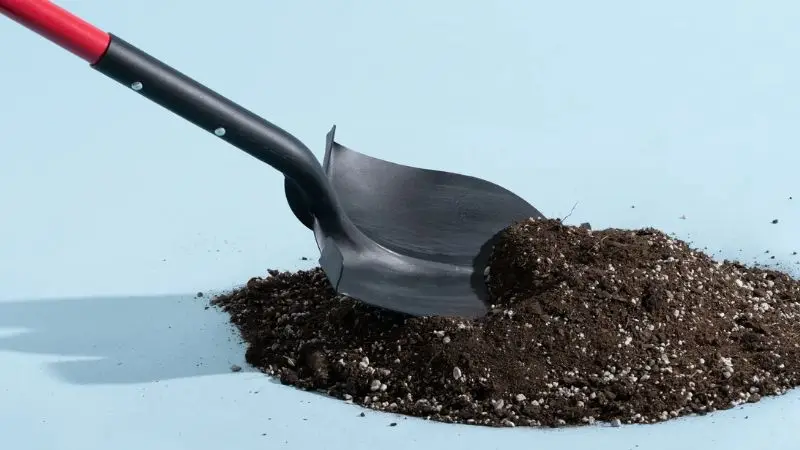
Tools for leveling paver ground with your right hand are quicker and more precise. How to level ground by hand for pavers? You can use tape measures to measure area and excavation depth. To get rid of grass, pebbles, and soil, you need a robust shovel. Level the earth or gravel using a garden rake. Compact the base material into a firm layer using a hand tamper or plate compactor. To improve accuracy, you can use a rotary laser level for ground and deck projects to check the surface level and drainage slope across the entire area. String lines and stakes will also help you define and keep your workspace orderly.
Tip: If you plan to work on a large area, you can rent a plate compactor from a hardware store. This tool saves time and gives you a firmer base.
Base Materials and Sand Safety Equipment
How to level uneven ground for pavers? Gather your supplies, equipment, and protective gear. Level the ground for pavers. A solid base is crushed stone or gravel, and sand levels the surface for pavers. A Rotary Laser Level Kit can be used to level the ground and maintain the correct slope for proper site preparation before installation. Workers are advised to wear gloves for hand protection. Safety eyewear (to protect your eyes from dust and debris). When using large tools or materials, wear steel-toed boots. Getting everything ready first makes installation safer and faster, and helps you lay a good paver foundation.
How to Level Ground for Pavers: Step-by-Step Instructions
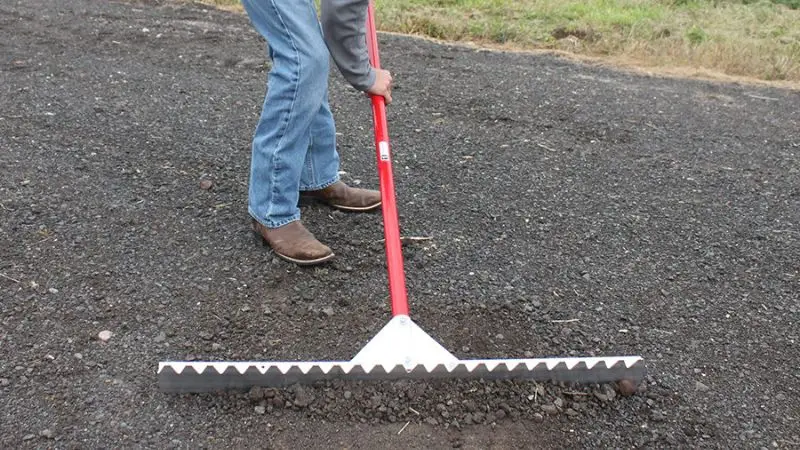
Before you start the land grading, it is important to make sure that the work area is well prepared. Use a VEVOR Laser Level to inspect the surface and maintain the correct grade before laying the basic materials. If you follow each step in the precise order given, you should be able to build a solid base, enhance drainage, and make sure your pavers stay level and secure for years to come.
Step 1: Mark the Area
How to level ground for brick pavers? You will need to plan and map out the area where you wish to place pavers. Mark the area with stakes and string. It gives you an idea of its shape and size. Plan and stake the area carefully to allow for leveling the ground for the pavers without missing any spots.
Step 2: Measure the Slope
You want to look for a modest slope so the water may drain away from your pavers. How to level sloped ground for pavers? You can use a level and a tape measure to measure the slope. You have to have around an eighth of an inch of slope every foot. This allows water to drain and keep your pavers dry.
Step 3: Remove Grass and Topsoil
How to prepare soil before laying pavers? It is recommended that you use a shovel to clear the grass and the topsoil from the area recommended. Remove all debris and roots. In the process, you will be provided with a clean location to work in and assistance to level the ground for pavers.
Step 4: Dig to the Correct Depth
Cut out a hole for the depth of your pavers. How to level uneven ground for pavers? Make sure you dig deep enough for the base materials and the pavers. Use your tape measure to check the depth as you go. Now you want to level the ground so that the pavers will keep the surface flat.
Step 5: Compact the Soil
Either a hand tamper or a plate compactor can be used to ensure that the dirt is compressed successfully. This process will make the ground more stable. How to level ground by hand for pavers? When pavers are installed, compacting helps level the ground for them and prevents them from shifting after they have been mounted. Compacting is the method that takes care of this.
Step 6: Add and Compact the Gravel Base
Provide a stable base by laying down a layer of gravel. How to level ground for patio pavers? Make sure the gravel is distributed evenly and tamp it down. This gives you a good base. If you want to utilize pavers, then you have to level the ground by making sure the gravel base that provides support remains flat and strong.
Step 7: Spread and Level the Bedding Sand
The gravel should be covered with bedding sand. Spread the sand evenly using a board or rake. Sand must be screeded evenly to provide a smooth surface. Checking the sand layer before beginning to lay pavers is a good way to ensure that the best way to level ground for pavers.
Step 8: Check for a Level Surface Before Laying Pavers
Make sure the surface is level by using your level. How to level ground for brick pavers? Check to see that everything is level and ready to go. In this stage, you are required to level the ground for pavers to set pavers in an even manner. As soon as you start laying pavers, the surface will remain firm and will have a wonderful appearance.
Take your time with each step. If you level the ground for pavers carefully, you will install pavers that last and look professional.
| Step | What You Do |
| Mark the Area | Plan and mark the area |
| Measure the Slope | Check for a slight slope |
| Remove Grass | Clear grass and topsoil |
| Dig Depth | Dig to the correct depth |
| Compact Soil | Compact the soil |
| Gravel Base | Lay down a base layer of gravel |
| Bedding Sand | Screed sand evenly |
| Level Surface | Lay pavers evenly |
How Deep Should You Dig Before Installing Pavers?
How to level sloped ground for pavers? You need to go down to the correct depth before you lay your pavers. It depends on the type of project. Use a Rotary Laser Level Kit to assess the depth of the excavation and ensure the ground is graded evenly across the work site. If it is too shallow, your pavers may shift or crack. The more you dig, the more time and material you waste.
Recommended Depth for Patios
How to level ground for patio pavers? For patios, you should excavate a depth of approximately seven inches. You will have enough space for a gravel base that is four inches deep, a layer of bedding sand that is one inch thick, and the pavers. The pavers on your patio should be positioned so they are level with the surrounding ground. Better yet, use a rotating laser level to ensure a consistent excavation depth and check the base grade before laying the pavers.
Recommended Depth for Walkways
How to prepare soil before laying pavers? Pathways require a shallower depth than patios do. Dig a hole that is approximately six inches deep. This allows for a base of three inches of gravel, a layer of one inch of sand, and pavers. A Rotary Laser Level can help you check the grade accurately throughout the excavation to maintain a consistent depth and level surface. Check your depth at all times to ensure that the surface remains level.
Recommended Depth for Driveways
The greatest depth is required for driveways. You should dig a depth of approximately 12 inches. Before the base materials, the VEVOR Laser Level will help you evaluate the excavation depth and ensure the surface is evenly graded. A base of eight inches of gravel, a layer of one inch of sand, and pavers can all be accommodated inside this space. Pavers at the driveway must be able to support high loads. A deep base is important so your pavers do not sink or shift.
Best Base Materials for Paver Installation
To install pavers correctly, you will need to select sturdy base materials. How to level uneven ground for pavers? The most effective materials are crushed stone and gravel. These materials provide support for the pavers and allow water to drain away. By using a VEVOR Laser Level before to adding these materials, you can ensure that the ground is level and appropriately sloped, allowing for greater drainage and a longer-lasting paver installation.
Crushed Stone vs. Gravel
Because of its compact nature, crushed stone provides a solid foundation for pavers. How to level ground by hand for pavers? Gravel drains well but may shift more than other types of soil. You can use either one; however, crushed stone is more suitable for patios and driveways. A Rotary Laser Level Kit can help you check the surface is properly graded before laying either material, ensuring a level foundation and proper drainage of water for durable results.
Why Bedding Sand Is Important
By filling the spaces between the pavers with bedding sand, you can provide a stable surface for the pavers. How to level ground for brick pavers? First, use a board to smooth out the sand you have covered the base with. The pavers can lock together and remain flat because sand is used in their construction.
Tip: Always use clean, sharp sand for bedding. This keeps your pavers stable.
When to Use Geotextile Fabric
If you have clay soil or want extra weed control, you may want to consider placing geotextile cloth under the footing. Something for you to think about. The cloth keeps dirt off the bottom of the pavers and also acts as a barrier to stop weeds from growing in between the bricks.
| Project Type | Total Depth | Gravel/Stone Base | Bedding Sand | Pavers |
| Patio | 7 inches | 4 inches | 1 inch | 2 inches |
| Walkway | 6 inches | 3 inches | 1 inch | 2 inches |
| Driveway | 12 inches | 8 inches | 1 inch | 3 inches |
You must follow these depth guidelines to keep your best way to level ground for pavers strong and level.
Conclusion
Now you should know how to level ground for pavers and all the processes that are required to level the ground in preparation for pavers. At each level, you are guided to build a solid foundation, and your pavers are assured to stay attractive. A rotary laser level makes it easy to check the grade and guarantees accurate readings throughout the project. First prepare the ground, then add the right materials, and lastly confirm that the ground is level. This prevents your pavers from shifting from their original places. You prevent fractures and shifting. Ensure that you take your time at every single stage. Please share the results of your pavers project you have been working on in the comments below. Ask any questions you have.
FAQ
How do you keep pavers from sinking over time?
You must compact the soil and base materials well. Use a hand tamper or plate compactor. Add the right amount of gravel and sand. Check for level before laying pavers. Good preparation keeps your pavers stable.
Can you lay pavers directly on dirt?
You should not lay pavers directly on dirt. Dirt shifts and settles. Always remove topsoil and add a gravel base with bedding sand. This method gives you a strong, even surface.
What if you find roots or large rocks while digging?
Remove all roots and large rocks from the area. Roots can grow and lift pavers. Rocks can cause uneven surfaces. Use a shovel or pickaxe to clear the space before adding base materials.
How do you fix uneven pavers after installation?
- Lift the uneven pavers.
- Add or remove sand underneath.
- Use a level to check the surface.
- Replace the pavers and tap them down.
You can adjust the sand layer to make the surface flat again.