A reliable plumbing system in a home relies on selecting the correct copper pipe sizes. The most common sizes are 1/2-inch, 3/4-inch, and 1-inch; the proper size depends on the application. Main water supply lines are commonly 3/4-inch or 1-inch, whereas branch lines are often 1/2-inch pipe. Copper tubing also comes in Types M, L, and K. Type L is the most used in household plumbing.
In this article, we will explore what are the standard copper pipe sizes, how copper pipes are sized, and common applications for each size. You will also learn how to join different sizes and how to convert between standard and metric dimensions.
Table of Contents
What Are Copper Pipe Sizes?
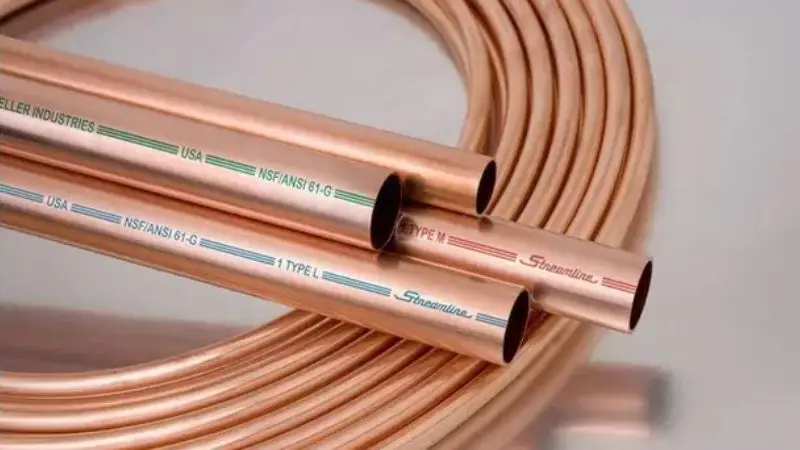
The designations for each size of copper pipe do not always match the actual measurements. Understanding this difference can help you choose the proper parts for your job. All copper pipes follow the same naming system, and you’ll encounter these numbers at hardware stores and on blueprints. Understanding how are copper pipes sized can help you select the correct fittings and avoid costly mistakes.
Recommended For Your Project
How Are Copper Pipes Measured?
Copper pipes are identified by their nominal size, which does not always match their actual dimensions. A pipe called 1/2-inch has an opening close to 1/2 inch. How are copper pipes sized? The outside diameter remains the same for a given nominal size, regardless of wall thickness. This allows fittings to work with different pipe types. You can measure copper pipe with a caliper or sizing tool. The outside diameter is the best way to identify a pipe because it remains consistent across different wall thicknesses.
Three key numbers define any copper pipe: nominal size, outside width, and wall thickness. The wall thickness tells you the pipe type. Type M has the thinnest walls. Type L has medium walls. Type K has the thickest walls. All three types share the same outside width for a given size. The inside width changes with wall thickness. A 1/2-inch Type L pipe has a bigger opening than a 1/2-inch Type K pipe. This affects water flow and pressure in your system.
Copper Pipe Size vs. Actual Diameter
The nominal size of a pipe is rarely the same as its actual dimensions. For example, 1/2-inch copper pipe has an outside diameter of 5/8 inch, while the interior opening varies with wall thickness. New plumbers often get confused by this difference. When ordering pipe, always specify the nominal size, as fittings are also sized by nominal dimensions. What size copper pipe do I need? The answer depends on the application, required water flow, and pipe type.
These dimensions are governed by Copper Tube Size (CTS), which ensures that fittings and pipes of the same nominal size connect properly. You can use Type M, L, or K pipe with compatible fittings when the nominal size matches. Larger pipe sizes can provide greater water flow but cost more and require larger fittings. When connecting copper to other materials, check the outside diameter to ensure a proper seal and secure joint.
Copper Pipe Size Chart
When you want to design a plumbing job, you need a solid reference. The chart below illustrates conventional copper pipe sizes used in residential work. What are the standard copper pipe sizes? These numbers conform to the Copper Tube Size (CTS) standard, providing consistent dimensions across manufacturers. This consistency makes it easy to rely on the listed sizes when ordering materials and selecting compatible fittings for your project.
Standard Copper Pipe Sizes and Dimensions
This table gives the nominal sizes, outside diameters, and average wall thicknesses of Type L pipe, which is widely used in residential plumbing. What sizes does copper pipe come in? The table provides the common nominal options and their corresponding dimensions. The nominal size is a useful reference for identifying a pipe, and all copper types have the same outside diameter for a given nominal size.
| Nominal Size | Outside Diameter | Type L Wall Thickness |
| 1/2 inch | 5/8 inch | 0.040 inch |
| 3/4 inch | 7/8 inch | 0.045 inch |
| 1 inch | 1-1/8 inch | 0.050 inch |
For fittings, certain copper tube sizes are necessary. Wall thickness is of little consequence; any 1/2 ” pipe fits a 1/2 inch fitting. Pipes of types M, L, and K use the same fittings. On outside diameter, which fitting you need depends. If you are attaching copper to steel or PEX, verify the outside diameter.
Copper Pipe Sizes in Inches and Millimeters
Imported fittings and modern valves frequently use copper pipe with metric diameters. Knowing these conversions is helpful when connecting newer components to existing copper connections and understanding how do you size copper tubing for compatible fittings.
A 10 mm pipe is around 3/8 inch, 15 mm is about 1/2 inch, and 28 mm is about 1 inch. When selecting push-fit fittings, consider the outside diameter. For example, a 15 mm pipe has an outer diameter of about 15.875 mm, while a 28 mm pipe has an outer diameter of about 28.575 mm. Always measure the actual outside diameter with a caliper before buying adapters to ensure a proper fit.
Types of Copper Pipes and Their Sizes
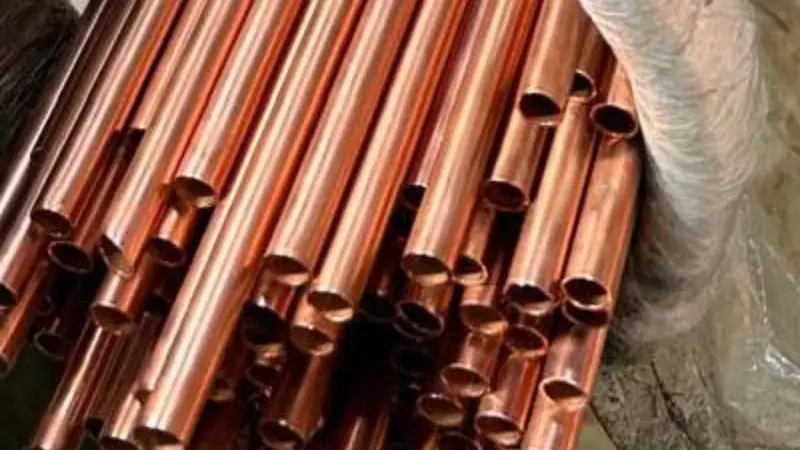
Copper pipes come in three different wall thicknesses. Each has a different function. A thicker wall will improve the pipe’s pressure capacity and lifespan. It also alters the internal size, which controls the water flow. You will need to select the proper kind of pipe for your project.
Type K Copper Pipe
Type K has the thickest walls and is the strongest and most durable of the three common copper types. It’s commonly used for underground water pipes, commercial buildings, and industrial purposes. The thick walls offer better protection against high pressure, shifting earth, and physical damage, making it a reliable option when considering what size copper pipe for water supply.
Type K is more expensive because it contains more copper. Its thicker walls also mean it has a smaller interior opening than Type L of the same nominal size, which can slightly reduce water flow. Type L is the most popular choice for home plumbing because it costs less while providing adequate strength for most residential applications.
Type L Copper Pipe
Type L is the most common type for home plumbing applications and has a medium wall thickness. It offers a good balance between strength, durability, and affordability, making it suitable for hot and cold water lines.
Type L is used for branch lines, feeders, heating systems, and solar water heaters. Typical copper pipe sizes are 1/2 inch for sinks and toilets, 3/4 inch for showers and larger fixtures, and 1 inch for main household supply lines. What is the most common copper pipe size? For residential branch lines, 1/2 inch is widely used. Type L is usually marked with blue labels, so check the pipe before you buy.
Common Copper Pipe Sizes for Plumbing
Most work in a house employs just two main pipe diameters. The 1/2-inch and 3/4-inch copper piping will do just about any job. Knowing when to use each one saves you time and money. You don’t buy tubing that is too small or too big for the job.
1/2-Inch Copper Pipe
Residential branch lines that feed individual fixtures, such as sinks, toilets, and bathroom faucets, commonly use copper pipe. The standard size for branch lines is 1/2 inch. It is also often used for hot and cold water lines because its smaller diameter allows for efficient water distribution. What is the most common copper pipe size for these applications? The 1/2-inch size is a standard choice for residential branch lines.
A standard 1/2-inch pipe can carry roughly 4 to 6 gallons per minute at normal household pressure, which is sufficient for one fixture at a time. It is not commonly advised for main supply lines, as pressure and flow may drop when several fixtures operate together. Always check the fixture requirements before picking this size.
3/4-Inch Copper Pipe
3/4-inch copper pipe carries more water than 1/2-inch pipe and is therefore recommended for main supply lines and fixtures that require higher flow. Under regular household pressure, it usually delivers 8 to 10 gallons per minute. What size copper pipe for water supply depends on the home’s water demand, but 3/4-inch is a common choice for residential systems.
This size is often used for showers, bathtubs, washing machines, outdoor hose bibs, and main trunk lines. Most houses use 3/4-inch pipe for the main supply and branch out with 1/2-inch pipe to individual fixtures. The greater diameter also helps reduce pressure loss over longer runs, making it useful for outdoor plumbing and irrigation systems.
How to Choose the Right Copper Pipe Size
Picking the right size copper pipe helps your system work smoothly and saves you money. You have to think about how much water you need, how far it’s got to go, and what sort of pipe it is. Each factor influences the final decision. Start with the work, then size to the appliance or fixture.
Copper Pipe Size for Water Supply
The main water supply line needs a larger pipe because it feeds multiple fixtures. For most homes, 3/4-inch copper pipe provides enough flow for several fixtures running at once. Homes with two or more bathrooms may benefit from a 1-inch main line, especially when runs are long. What size copper pipe do I need depends on your home’s water demand, number of fixtures, and pipe length.
Branch lines typically use 1/2-inch pipe for sinks, toilets, and bathroom faucets. A reducing fitting can connect these smaller lines to a 3/4-inch main. Type L is a reliable choice for residential water supply because its medium wall thickness handles normal pressure. Type M can be used for some above-ground applications, while Type K is preferred for underground service lines because of its thicker walls.
Copper Pipe Size for HVAC and Refrigeration
HVAC and refrigeration systems use copper tubing to carry refrigerant rather than water. How do you size copper tubing for these systems? The correct size depends on system capacity, line length, and the manufacturer’s specifications, so never choose a size based only on room size.
Common refrigeration lines include 3/8-inch liquid lines and 3/4-inch suction lines, although sizes vary by system. Type L is commonly suitable for HVAC applications, while Type K may be used for protected underground runs. Always follow the manufacturer’s line-sizing chart, especially for longer runs where pressure drop can affect performance.
Use clean, dry copper tubing and keep the ends sealed until installation to prevent moisture and dirt from entering the system.
Conclusion:
Choosing the correct copper pipe sizes and kind will help your plumbing job succeed. Type L is a good option for most home work. Use 1/2-inch pipe for branch lines, 3/4-inch for main supply lines, and 1-inch for bigger residences with several bathrooms. Different sizes can be connected by reducing fittings, and metric conversions are useful with newer components. Knowing what size copper pipe do I need for each use makes planning simpler. Always verify local codes and get an expert for complex work. Keep the size chart ready for easy reference.
FAQ
How Can I Tell Which Type of Copper Pipe I Have?
Look for the color markings printed along the pipe. Type K has red lettering, Type L has blue, and Type M has yellow. You can also measure the wall thickness with a caliper. Type K walls are thickest; Type M walls are thinnest.
What Is the Difference Between Type M and Type L?
Type M has thinner walls and costs less, while Type L has medium walls and handles higher pressure. Type L is generally preferred for home plumbing. What are the standard copper pipe sizes? Common sizes include 1/2-inch, 3/4-inch, and 1-inch.
How Do I Connect Different Copper Pipe Sizes?
Use a reducing fitting to join different sizes. A reducing coupling connects a 3/4-inch main line to a 1/2-inch branch line. These fittings have one opening sized for each pipe. You solder them in place or use push-fit versions for quick connections.
Can I Connect Copper Pipe to PEX or PVC?
You can connect copper to PEX or PVC with transition fittings. Measure the copper pipe’s outside diameter first to choose the correct adapter. Understanding how are copper pipes sized helps ensure a proper fit.