Evacuating a car’s AC system is an important step before recharging the refrigerant, as it removes air, moisture, and other unwanted gases from the system. Insufficient evacuation reduces cooling performance and damages internal components in the long run. When individuals attempt to learn how to vacuum an AC system without a recovery machine in order to service their AC at home, many would attempt to understand how to do it, yet the task still demands the use of appropriate tools and attention. Whether it’s professional equipment or DIY, the goal is to have a clean, dry vacuum inside the system to effectively cool and perform well over a long period.
Can You Evacuate a Car AC System Without a Recovery Machine?
Draining a car’s AC unit without a recovery machine is a subject that most DIY car owners research when they intend to service their car’s AC unit at home. Although the concept is not complicated, one should know how the system works before trying it out. This stage is closely associated with ensuring the right pressure and eliminating undesirable air prior to the addition of refrigerant.
As it is observed in numerous practical scenarios, individuals attempt techniques such as how to evacuate a car’s AC system without a recovery machine, but their performance relies on tools and safety knowledge. It is also necessary to know the difference between proper recovery and simple vacuuming before trying any of the methods. This prevents damage, and the AC system is in efficient operation following service.
The Difference Between Recovering and Evacuating Refrigerant
Automotive AC servicing, recovery, and evacuation are two entirely different things. Recovery involves the removal of refrigerant in the system in a safe manner through the use of special equipment so that it can be stored or recycled. On the other hand, evacuation is the act of creating a vacuum in order to extract the air and moisture and then refilling the system.
These steps are mixed by many amateurs; they are used to evacuate the automotive AC system, but their applications differ to keep the systems healthy. When the refrigerant is still in contact, it will normally need to be recovered, and evacuation occurs after the system has been opened or repaired. Other individuals may also try to do a DIY car AC vacuum without professional equipment and, in most situations, without appropriate recovery tools; it is not safe or legally allowed to handle refrigerant.
This difference is also worth understanding when learning how to vacuum a car’s AC system before recharge, as evacuation per se does not substitute full refrigerant recovery.
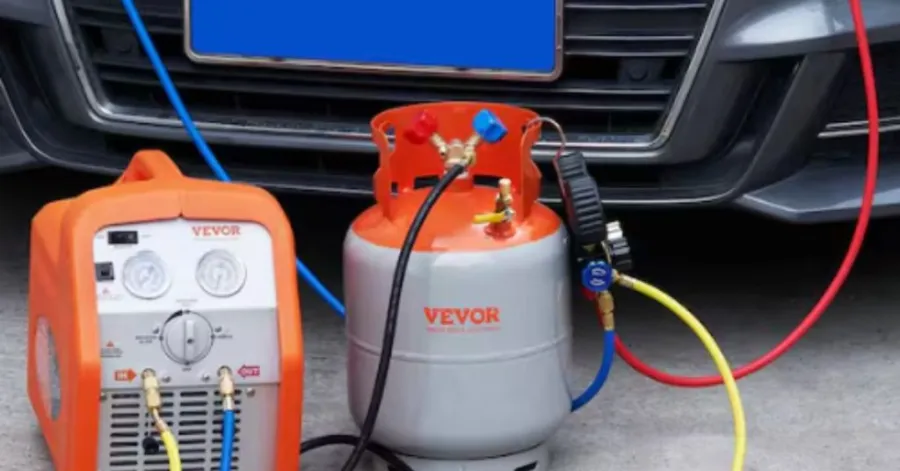
@jeromy_henson_bfss AC RECOVERY MACHINE BY VEVOR. 1 HP DUAL CYLINDER. HOLDS 7.7 LBS OF FREON, SELF CLEANING, WORKS ON HVAC OR VEHICLES. HIGH PRESSURE PROTECTION, FOR VAPOR OR LIQUID FREON. #acrecovery #fy #ac #acrecoverymachine #fyp #airconditioner #vevor #tools #vevortools #tool #acsystem #recovery #hvac #vehicle #fypシ゚viral #fypage #tiktokshopfind #mechaniclife #toolsofthetrade #toolstoday #toolsoftiktok #tiktokmademebuyit #foryou #foryoupage #trending #wow #tiktokmademedoit #getyours #today #tiktokfinds #tiktokfind #tiktokviral #tiktokviralvideo #tiktokviraltrending #ttsacl #tiktokshopsummersale #look #tiktokshopviral #giftidea #gift #giftideas #summerdeals #sale #summerootd #tiktokshopfinds #deals #deal #tiktokstore #sell #augustdeals #dealsforyoudays #tiktokshopdealsforyoudays #shopicons #techobsessed #tiktokshopbacktoschool #cozyspaces #dealhunters #treasurefinds #acrepair @HAIDEE_Vevor @Vevor_US
♬ original sound - JEROMY HENSON-BFSS☑️
Is It Legal to Work on a Car AC System at Home?
To work on a car’s AC system at home, you need to be where you are, and you need to dispose of refrigerant. Environmental safety laws in most areas limit the handling or release of refrigerant without the required certification. This implies that the process of recovery and disposal of refrigerant normally needs approved equipment or licensed personnel.
Nonetheless, simple maintenance procedures such as pressure checking or some amount of vacuum work can still be undertaken, provided that no refrigerant can be released illegally. Individuals seeking a less expensive means of evacuation of the car AC system usually consider home treatment approaches, though legality and safety must be given a first priority.
Although it is possible to learn how long to evacuate a car’s AC system, proper regulations should be adhered to, as it can cause environmental damage and fines otherwise. Knowing the regulations, any DIY process will be safe, regulated, and legal.
Tools and Safety Equipment You Will Need
The first thing to consider before commencing any AC work is that safety and effectiveness in conducting any AC work are all about proper tools. Even the simplest steps would not give good outcomes or damage the system without a proper set of equipment. This is even more crucial when refrigerant systems are involved, and pressure and moisture control are important.
Be it general servicing or attempting to vacuum the car’s AC system before recharging, proper equipment will give you the correct answer. It is also here that most beginners fail in their endeavors to DIY a car AC vacuum without professional tools, since the absence of certain tools can entirely alter the results of the work.
The following are the tools that you require to work safely and properly in the evacuation work of AC.
Vacuum Pump
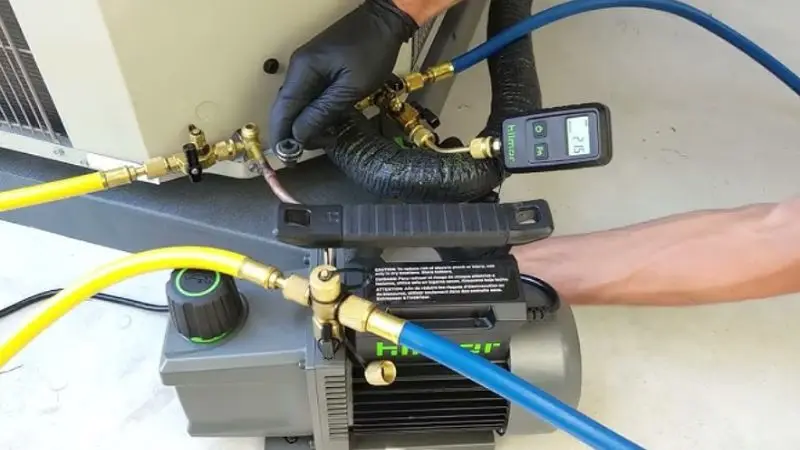
The most crucial tool that one ought to have during the process of AC evacuation is a vacuum pump that will remove air and moisture in the system. Without it, the system will be unable to obtain the deep vacuum needed to maintain a good cooling performance. This is a closely related step to the way of eliminating moisture in a car’s AC system because moisture is one of the primary causes of the failure of AC systems over time.
When attempting to know how to empty a car’s AC system without a recovery machine, people usually cannot realize the importance of a vacuum pump. It assists in establishing a steady, low-pressure atmosphere within the AC lines that will enable refrigerant to operate properly in the future. An essential vacuum pump is needed in even the most inexpensive procedure to remove the car’s AC system to achieve good results and ensure the safety of the system.
Manifold Gauge Set
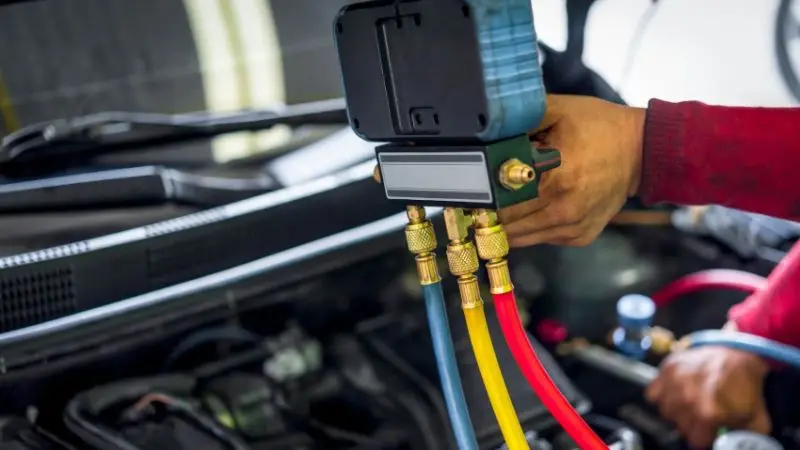
A manifold gauge set measures the level of pressure in the AC system in order to direct the evacuation process. It will allow you to know whether the system is well sealed and the amount of air or refrigerant pressure that has been introduced. This tool is important in the observation of proper procedures to evacuate the automotive AC system, particularly during the monitoring of pressure changes in the process of vacuuming.
The gauge set is an inexpensive way to get basic control to avoid guesswork in the hands of those starting with a DIY car AC vacuum without professional equipment. It is also useful in ensuring that the system attains the right vacuum levels prior to recharging. The gauges assist in learning the time to evacuate the car’s AC system so that the system is completely evacuated and can proceed to the next process.
Safety Glasses and Gloves
Protective equipment, such as safety glasses and gloves, is necessary when handling a car’s AC system since refrigerants and pressure lines are unpredictable. Leaks or bursts, even minor ones, will injure, particularly the skin and eyes. The protection is also essential to make sure that the process is not accidentally exposed during servicing.
This is more crucial when individuals are trying to know how to evacuate a car’s AC system without a recovery machine, and where the risks of handling can be higher because of the lack of tools. Gloves are also used to hold the grip when connecting hoses and valves, and safety glasses are used to protect against the sudden spray of refrigerant. Safety gear should not be compromised, whether it is simply doing basic maintenance or completely vacuuming the car’s AC system prior to being recharged.
Refrigerant Scale and Leak Detection Tools
The net volume of refrigerant that is added or removed from the system is measured using a refrigerant scale so that there is the right balance during servicing. Leak detection tools are useful in detecting any small leak that might influence the performance following evacuation. Combined, these tools guarantee that the system is stable and efficient once repaired or recharged.
When users search for how long to evacuate a car’s AC system, they usually forget that measurement in the entire process is very important. Leak detection is also the most important, as, despite the evacuation, unidentified leaks may destroy cooling performance. This is because these tools are overlooked in the conversation of the least expensive method of evacuating a car’s AC system, yet they have a significant influence on the aspect of reliability and protecting the system in the long run.
Important Safety Precautions Before You Begin
Safety should always precede working on a car’s AC system since refrigerant systems are pressurized and sensitive. Even minor errors have the potential to cause injury, environmental damage, or damage to costly parts. It is worth taking time to make correct precautions in order to make sure that the process is controlled and safe at all stages.
It is particularly significant when handling tasks such as evacuating a car’s AC system without a recovery machine, in which case, the mismanagement will only promote danger. The knowledge of safety measures can also contribute to improved results when vacuuming a car’s AC system prior to recharge, as a clean and safe system can enhance the work of the system.
Never Vent Refrigerant Into the Atmosphere
Direct discharge of refrigerant into the environment is hazardous and very unfriendly to the environment. It may spoil the air and cannot be used in a lot of places because of environmental protection laws. That is why the appropriate recovery techniques are always suggested rather than irresponsible discharge.
This is one of the most significant rules of safety that can be ignored by many novices seeking the cheapest way to evacuate a car’s AC system. Refrigerant should be responsibly handled even when undertaking DIY projects, such as a DIY car AC vacuum, without professional equipment. With appropriate controls, legal complications and environmental destruction are avoided, and the system is safe to use in the future.
Work in a Well-Ventilated Area
It is necessary to work in a well-ventilated environment since the leakage of refrigerant or unintentional exposure in a closed space may be dangerous. Proper airflow minimizes the chances of inhaling fumes and disperses any gas that is likely to escape during servicing. This provides a safer working environment with AC components.
This precaution is also particularly handy when undertaking processes to evacuate the automotive AC system, where several connections are opened and closed. Technicians would like open or ventilated areas even when taught on the duration to evacuate the car AC system because they want to minimize the risks of exposure. The correct ventilation also facilitates safer management during the vacuuming of the car’s AC system prior to recharge, which makes the whole process more controlled and secure.
Verify That the System Is Empty Before Evacuation
One should also ensure that the AC system has been discharged or that it is safe to work on before commencing evacuation. This measure will avoid unwanted leakage of pressure or refrigerant when connecting tools. Status checking of the system helps in ensuring that evacuation commences in safe conditions.
This is not at all considered by a beginner attempting to evacuate a car’s AC system without a recovery machine, which may result in unsafe handling. Adequate verification is also beneficial in understanding how to remove moisture from the car’s AC system, as proper system status will guarantee proper procedure. The lowest-cost method of evacuating a car’s AC system can be hazardous and inefficient even without the confirmation of readiness.
How to Evacuate a Car AC System Without a Recovery Machine Safely
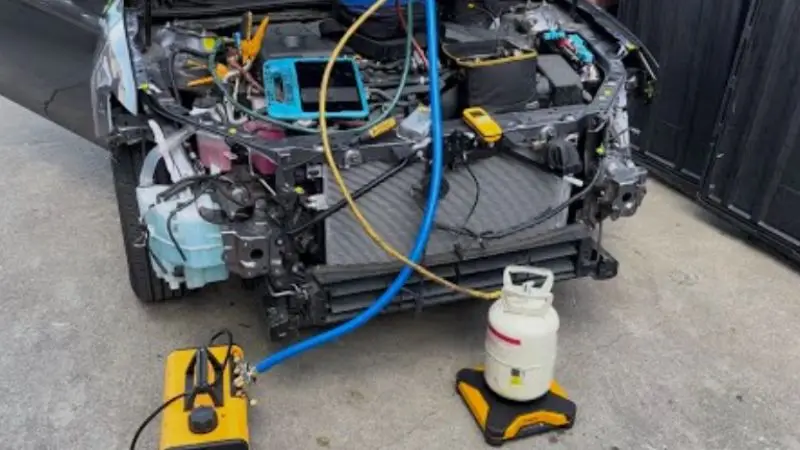
There are some details to be observed when evacuating a car’s AC system without a recovery machine since you are handling a sealed, pressurized system. It aims at eliminating air and moisture safely without any refrigerant being released inappropriately. All steps should be addressed in order to ensure the integrity of the system and prevent damage.
This is closely related to vacuuming a car’s AC system just prior to recharge, as good evacuation ensures the system is prepared to receive fresh refrigerant. It is also often searched together with how to evacuate a car’s AC system without a recovery machine, particularly by DIY users who attempt to service their AC system themselves.
Step 1: Confirm That the Refrigerant Has Been Properly Recovered
Prior to evacuation, it is important to recover all refrigerant safely with appropriate equipment. This is an important step since the evacuation must never be carried out on a refrigerant system. When working on a charged system, pressure hazards and unsafe conditions may occur.
This is a step that is often overlooked by many amateurs who venture into DIY car AC vacuum without professional equipment, but it is crucial in terms of safety and compliance. Proper recovery verification also takes care of the readiness of the system to controlled vacuuming. In the absence of this step, even the most affordable method of evacuating a car’s AC system can be dangerous and ineffective.
Step 2: Connect the Manifold Gauge Set to the AC Service Ports
Connect the manifold gauge set next to the high and low pressure service ports of the AC system. These links enable you to observe the pressure levels and manage the flow during evacuation. Ensure that all fittings are very tight to avoid leakages.
This is a significant step in the process of evacuating the automotive AC system since a correct connection will guarantee correct readings during the process. This arrangement is typical of beginners who are learning the duration of evacuation of the car AC system, as the pressure reading assists in ascertaining the readiness of the system. Safe and efficient operation requires the use of a secure connection.
Step 3: Attach the Vacuum Pump to the Gauge Set
When the gauge set has been attached, connect the vacuum pump to the center service hose. This pump will be charged with the task of eliminating air and moisture in the system. Make sure that all the valves are closed before commencing the setup.
This is one of the steps that are highlighted in the guides on how to dehumidify a car AC system, since the vacuum pump is important in drying the internal parts. This connection is what enables the evacuation process, even when it comes to DIY car AC vacuum attempts without professional equipment. Proper installation will guarantee effective and stable vacuum pressure.
Step 4: Start the Vacuum Pump and Open the Valves
Switch on the vacuum pump and open the manifold valves gradually to start sucking out the air in the system. The vacuum will cause the pressure to decrease as the vacuum fills the AC lines. This should be done in bits so as to achieve the best.
It is a fundamental aspect of vacuuming the car’s AC system prior to recharging it, as it sets the system up to be filled with new refrigerant. The problem of how to evacuate a car’s AC system without a recovery machine attracts many users who are trying to exit at this point, yet control is crucial to prevent system stress. Good handling of valves guarantees a smooth and uniform evacuation.
Step 5: Run the Vacuum Pump for the Recommended Time
Ensure that the vacuum pump is allowed to operate within the suggested time, which may be between 30 and 45 minutes, depending on the size and condition of the system. This guarantees the removal of any moisture and trapped air in the system.
This timing has been frequently mentioned concerning the duration of evacuation of the car’s AC system because less time spent on the vacuum may result in remaining moisture. However, even with the cheapest method of evacuating the car’s AC system, time should not be compromised. The right time will have made the system clean, dry, and ready to give the best performance once it has been recharged.
Step 6: Close the Valves and Perform a Vacuum Hold Test
Once the evacuation has been done, close all manifold valves and close the vacuum pump. Monitor the gauge readings and make sure that the system is under a vacuum pressure that does not build up. This assures that the system does not have any leaks.
This is the last stage in the process of evacuating the automotive AC system, as it helps to confirm the integrity of the system prior to the introduction of refrigerant. It also facilitates vacuuming of the car AC system prior to recharge to eliminate any air and moisture. In case of pressure increase, then it signifies a leakage which should be repaired before proceeding with the procedure.
How Long Should You Vacuum a Car AC System?
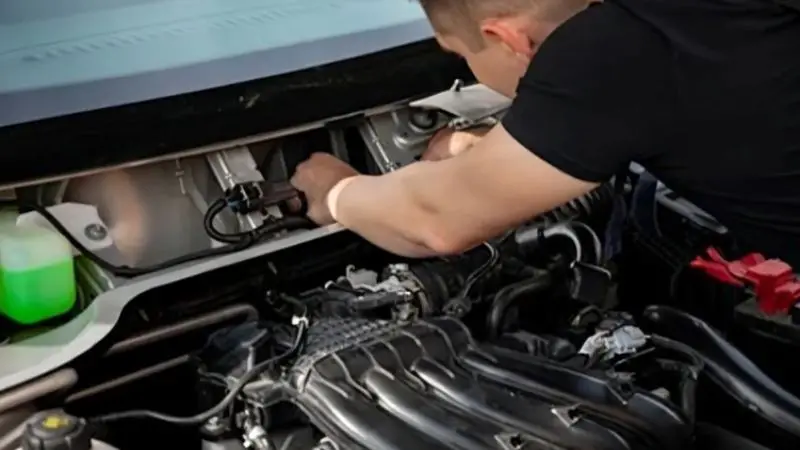
One of the most significant aspects that will influence the overall cooling is the vacuum time of a car’s AC system. When not vacuuming long enough, the system can have moisture and air staying in it, thereby decreasing efficiency and breaking down parts over time. Conversely, over-vacuuming is not that likely to enhance performance, but it must be performed at safe levels.
This measure is closely connected with the period to evacuate the car AC system, which can be determined based on the type of the vehicle, the size of the system, and its state. It is also significant to vacuum the car’s AC system prior to recharge to make sure that the system is well prepared to be filled with refrigerant and operate well.
Recommended Vacuum Times for Different Vehicle Types
Vehicles will have different vacuum times because not all AC systems are the same. Small automobiles tend to take a shorter time, whereas SUVs and large cars require more time to completely dry up the car and the trapped air. Generally, the average time for a standard vacuum process is between 30 and 60 minutes, depending on the system’s condition and the quality of the equipment.
During the evacuation of the automotive AC system, the timing varies depending on the system’s effectiveness at maintaining vacuum pressure. Amateurs working with a DIY car AC vacuum without professional tools might prolong the process a bit to provide adequate outcomes. Even when attempting to use the least expensive method to empty the car AC system, the timing must not be overlooked since it has a direct impact on the cooling performance as well as the well-being of the compressor.
Signs the System Has Been Properly Evacuated
An evacuated AC system with a properly tuned system displays a steady vacuum pressure on the manifold gauge that does not increase when the pump is switched off. This means that the air and moisture have been eliminated effectively, and no significant leaks in the system. Other indicators include smooth and steady gauge readings as evacuation takes place.
This is something to do when learning to dry the car’s AC system, as the primary aim of vacuuming is to dry it. A lot of users who are concerned with the process of evacuating the car AC system without a recovery machine base their major indicator on the stability of pressure. Appropriate evacuation makes the system completely prepared for refrigerant and prevents any future cooling problems.
Wrap Up
The key to an effective and healthy car cooling system is proper AC evacuation. Drying out the compressor and eliminating air will keep the compressor safe and guarantee a free flow of refrigerant. Knowledge of how to vacuum the car’s AC system prior to recharging prevents common problems, such as poor cooling and pressure imbalances. Safety and proper procedure should always be given first, even in attempting the cheapest method of evacuating the car’s AC system. By understanding the evacuation car AC system time and doing leak checks, the longevity of the car AC system is guaranteed. By taking proper actions and being prudent, you will be able to keep the AC system of your car operating stably and will be able to prolong its lifespan.
FAQ
Am I able to drain a car’s AC system without a recovery machine?
Yes, on condition that the refrigerant is already removed correctly. To evacuate the system, a vacuum pump is needed to pull out air and moisture and to prepare the system safely and efficiently prior to recharging.
What is the time required to vacuum a car’s AC system?
It normally takes 30 to 60 minutes based on the size of the vehicle and the condition of the system. More time may be required with larger systems to achieve full moisture and air removal to guarantee full performance.
What is the importance of evacuation prior to recharging the AC?
Evacuation eliminates moisture and air that may harm the compressor and cause loss of cooling. It maintains a uniform flow of refrigerant and assists the system in performing optimally following recharge.
What would be the consequences of not vacuuming the AC system?
Failure to vacuum may cause air and moisture to be trapped in the system, resulting in ineffective cooling of the system, corrosion, pressure distortion, and long-term damage to AC parts such as the compressor.
What should I do to tell whether or not my AC system has been evacuated?
When the gauge shows a stable vacuum without increasing when shutting off the pump, it indicates successful evacuation. Any increase in pressure indicates the possibility of a leak in the system.