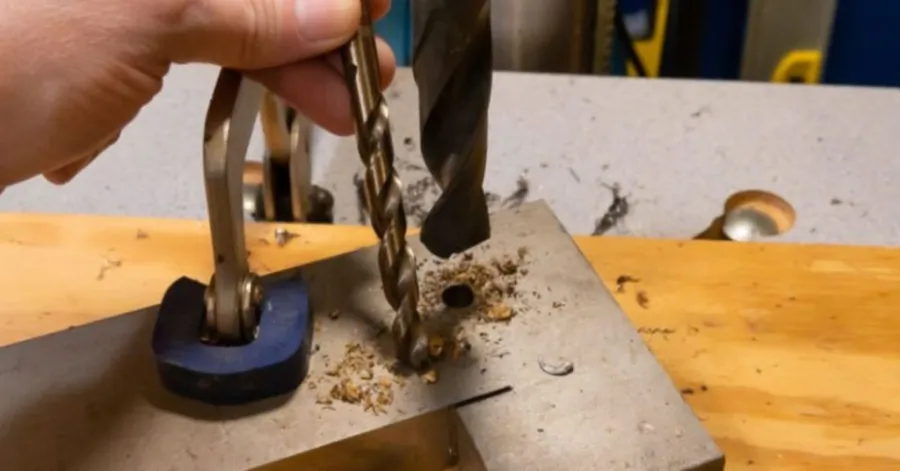
It might seem that drilling metal can be challenging, but with the right equipment and methods, it becomes much easier. Aluminum, mild steel, stainless steel, or hardened steel- do you want to get clean and accurate results? Good preparation will help you get the best results. Learning the technique of drilling through metal begins with the proper choice of drill bit, drilling speed, and cutting lubricant to minimize heat and friction. This guide details all the processes, including how to prepare the workpiece and which equipment to use on the various metals for the best results. Using these practices, you can drill safely, enhance precision, and safeguard your tools and the material.
Table of Contents
Identify the Type of Metal Before You Start Drilling
This is because you should be aware of the metal you are dealing with before you start drilling. Different metals vary in hardness, thickness, and composition, which influences the drilling process. These differences will allow you to select the appropriate tools, drill bits, and drilling method that will give you improved results.
You may be learning how to drill through metal either in a DIY project or in a professional endeavor; either way, it is better to always identify the material first, and this will save errors, enhance accuracy, and prevent damage to both the work and your tools as well.
Recommended For Your Project
Know the Difference Between Soft and Hard Metals
Drilling does not always respond to all metals in a similar manner. Drilling soft metals like aluminum, brass, and copper is simpler, as it does not produce much resistance and less heat. Hard metals such as stainless steel, cast iron, and hardened steel require more potent drill bits, slower drilling speeds, and constant pressure. When drilling stainless steel or hardened steel, it is important to use high-quality cobalt or carbide drill bits to make clean and accurate holes. Adjusting the drilling technique to the type of metal helps prolong tool life and results in a professional appearance.
Understand the Difference Between Thin Sheets and Thick Metal
The thickness of metal is also a significant factor in drilling performance. Bending or tearing may occur in thin sheet metal unless it is supported correctly, and more drilling time, constant pressure, and cooling are necessary with thick metal. When learning to drill sheet metal, it is always advisable to secure the material and drill at a controlled pace to avoid distortion and rough edges. When you want to know how to drill through thick metal, use a powerful drill, apply cutting oil frequently, and let the drill bit cut through the material slowly. This creates better hole quality and minimizes heat generation and unproductive wear.
How to Choose the Right Drilling Tools
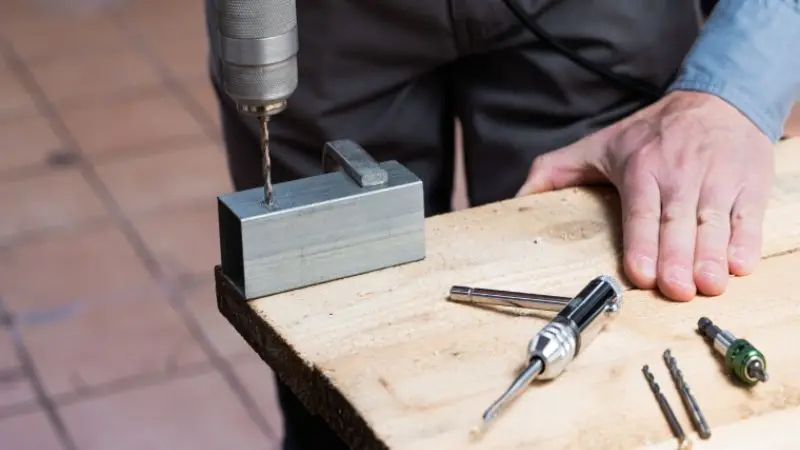
The right equipment simplifies drilling metals, making the process safer and more precise. By choosing an appropriate drill, drill bit, and safety equipment, you can work effectively while safeguarding your tools and materials. Quality equipment also helps increase drilling precision and minimize the possibility of metal surface damage.
Regardless of the scale of the project, one of the most significant stages of learning how to drill a hole in metal without ruining it is to use the right setup.
Select a Suitable Drill for Metal Projects
The correct drill is determined by the kind and thickness of the metal. Corded drills give constant power to heavy jobs, whereas cordless drills offer more flexibility to light and medium jobs. Magnetic drills are also very stable and precise in heavy steel fabrication and structural applications. One of the most beneficial options is a variable-speed drill; you can also change the drilling speed depending on the type of metal. Harder materials typically respond better to lower speeds, which helps you get cleaner holes and avoid heat overload and unnecessary wear on the drill bit.
Choose the Correct Drill Bit for the Metal
The correct drill bit is as important as the right drill. High-speed steel (HSS) bits can be used with softer metals, whereas cobalt drill bits can cut harder materials like stainless steel due to their ability to provide better heat resistance. Carbide-tipped drill bits are best suited for very hardened metals and rough industrial operations. The size and material being drilled should always be matched with the size of the drill bit. A hard, cut-edge bit will cut quicker, the holes will be smoother, and the effort required to finish the job safely and accurately will be reduced.
Wear the Right Safety Equipment
The first thing to consider when drilling metal is safety. Metal chips are sharp and can move at high speed, so use eye protection. Wear face protection or a face shield to protect your eyes and wear hearing protection when working with powerful drills. Take care when handling metal with gloves, but do not use loose-fitting gloves around rotating drill bits. Clamp the workpiece to ensure it does not move during drilling. Cleaning up your working environment and maintaining a steady environment also enhances control, minimizes accidents, and ensures you are confident and accurate in every drilling task.
How to Prepare the Metal Surface Before You Start Drilling
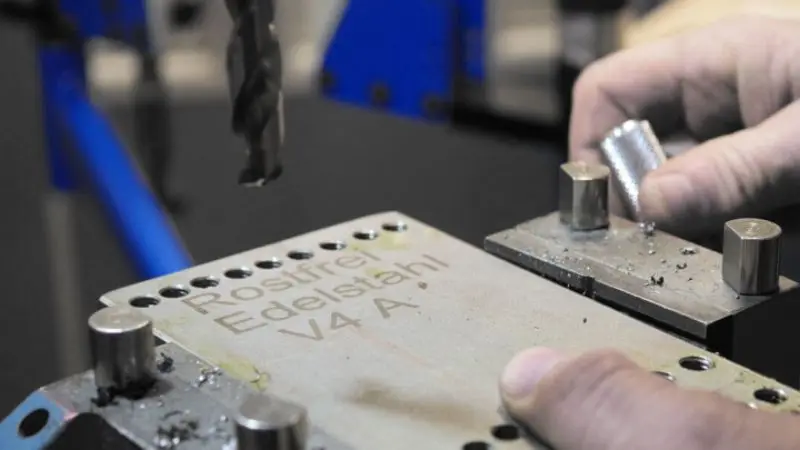
One of the most significant aspects of metal drilling is proper preparation. Because it takes only a few minutes, planning the workpiece will improve precision, protect your tools, and help you produce cleaner results. It also minimizes the chances of slipping, overheating, or destroying the material when drilling.
Whether it’s a DIY project or an industry job, drilling through metal is far easier with a well-prepared surface and is more likely to produce a clean, perfect hole on the first try.
Mark the Exact Drilling Location
Determine the correct hole location before drilling. Measure with a measuring tape or ruler to ensure that it is in the right place, then trace it using a permanent marker or scribe. An easily noticeable mark improves accuracy and helps you avoid expensive mistakes. Measure twice before you drill, as it may be hard to correct the wrongly placed hole. Particular attention should be paid to marking when learning how to create a hole in metal without breaking it because it will help to minimize unnecessary drilling and preserve the integrity and look of the metal.
Secure the Metal Workpiece Firmly
To have safe and accurate drilling, a stable workpiece is necessary. Never begin working unless the metal is firmly clamped to a substantial workbench. Handling the material may lead to unforeseen movement, and when this happens, the holes may end up uneven, or you may be injured. Thin metal sheets tend to move or bend particularly in the upside-down direction; therefore, they must be entirely supported. In learning to drill through sheet metal, it is better to have clamps and a solid backing material to ensure that the surface is kept flat, the drilling accuracy is enhanced, and rough edges or undesirable distortion around the hole are avoided.
Apply Cutting Lubricant Before Drilling
Lubricant application will help reduce friction and heat as the metal is drilled through. It keeps the drill bit colder, enhances the performance of the drill, and prolongs the usefulness of the tool. To prevent sticking at the drilling point, apply a few drops of cutting oil to the part you are drilling beforehand and also apply it as necessary during longer drilling operations. This is especially necessary in dealing with harder metals since these metals produce more heat. When learning to drill through stainless steel or thick metal, cutting lubricant will help create a more easily drilled hole and minimize the possibility of burning or dulling the drill bit.
Follow the Correct Drilling Process
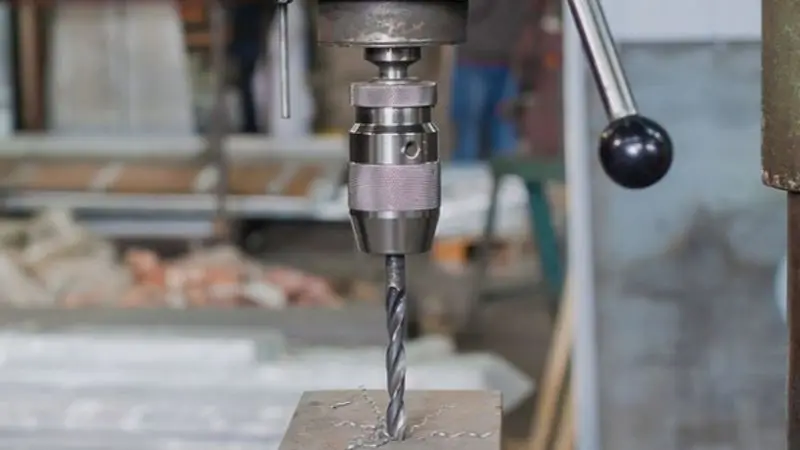
The right drilling technique eases the work and enhances the quality of the hole completed. Hurrying the process or excessively forcing it may destroy the drill bit, overheat the metal, or produce an uneven result. By taking everything step-by-step, you can drill more safely and in the right direction.
When drilling soft aluminum or hardened steel, the correct sequence will help you finish the project with less effort and cushion your tools and the metal surface.
Make a Starter Mark with a Center Punch
A center punch will cause a minor furrow to ensure that the drill bit does not slide over the metal surface once the drilling has started. With the punch put on the marked spot, beat it lightly with a hammer to make a small dimple. This is a fundamental measure that can significantly enhance drilling accuracy, particularly on smooth or polished metal surfaces. It also helps the drill bit engage the material faster and minimizes the possibility of scratching the surrounding area. A well-made starter mark lays the foundation for a clean, accurately positioned hole.
Drill a Small Pilot Hole First
A pilot hole makes it much easier and more accurate to drill larger holes. Start with a tiny drill bit to create the initial opening, then switch to the final bit size. This process will decrease resistance, increase the ability to control the drill bit, and decrease the chance of the bit wandering. It is also less stressful on the drill motor and makes a smoother finish. A pilot hole is used when dealing with hardened material or when learning to drill through hardened steel; it ensures accuracy and makes the drilling process easier and more efficient.
Use the Correct Drilling Speed
It is always necessary to match the type of metal and the drill bit to the drilling speed. Fusion metals tend to be drilled at slower speeds, whereas harder metals must be drilled at slower speeds to minimize heat generation and preserve the cutting edge. Operating the drill at excessive speed can burn the bit and decrease its life. Most variable-speed drills let you control the speed. The appropriate speed improves cutting performance, produces cleaner holes, and is an important part of learning to drill through thick metal without destroying your equipment.
Apply Steady and Even Pressure
This constant pressure helps the drill bit cut effectively without putting too much stress on the tool or the material. Let the drill bit cut the metal rather than pushing it through. Too much pressure may overheat the bit, harm the workpiece, or even cause the drill to bind. Remember to hold the drill steady and remain perpendicular to the surface during it. When the metal is very hard, stop occasionally to cool the drill bit, then continue. This will improve drilling quality and extend tool life.
Complete the Hole and Smooth the Edges
When the drill bit has gone through the metal, pressure should be reduced, and the drill should be pulled out whilst still spinning slowly. Check the hole against rough or sharp edges, called burrs, which usually develop during drilling. Eliminate these burrs with a deburring tool, metal file, or countersink bit to achieve a smooth finish. Cleaning the hole also increases the workpiece’s safety and appearance and makes it ready to receive bolts, screws, or other fasteners. A well-finished hole is a sign of good workmanship and helps secure quality outcomes in any metalworking project.
Change Your Drilling Method for Different Types of Metal
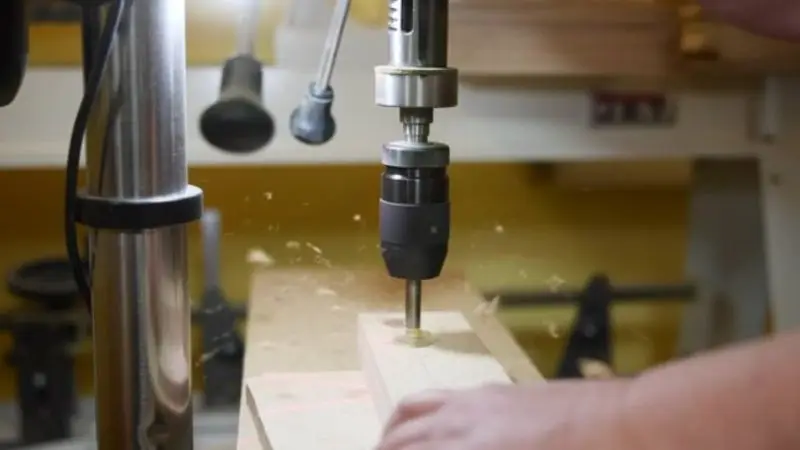
Each kind of metal has a slightly different drilling technique. Hardness, thickness, and heat resistance are some of the factors that influence how fast you drill, the drill bit type to use, and the pressure you apply. Using the material as a guide to adjust your technique also helps you get cleaner holes and extend drill bit life.
It does not matter whether you are dealing with mild steel, stainless steel, aluminum, or cast iron; it is much safer, more convenient, and more efficient to know the material beforehand and how to drill through metal.
How to Drill Through Mild Steel
Among the metals that are easy to drill is mild steel; it is not as hard as hardened steel and stainless steel. This material generally needs a high-speed steel (HSS) drill bit, but cobalt bits can last longer when used frequently. Begin with a pilot hole, then slowly build up to the required hole size. Use cutting oil to create less friction and keep the drill bit cool during use. Work moderately with constant pressure so that you can create a clean and accurate hole without undue wear and tear on your equipment.
How to Drill Through Stainless Steel
Stainless steel is more difficult to drill, is harder, and produces more heat than most of the other metals. When learning to drill through stainless steel, select a sharp cobalt or carbide drill bit that has high-temperature operation. Work slowly with a steady pressure to enable the bit to cut effectively. Lubricate the drilling area with cutting oil to reduce heat generation and protect the cutting edge. Never stop and start again and again, because this will only make the surface harder and the drilling less easy.
How to Drill Through Aluminum
Aluminum is a soft metal, and it drills easily, but it can leave long metal shavings that can block the drill bit. Work with a sharp HSS drill bit and use the drill at medium to high speeds compared to hard metals. Use a little cutting lubricant to enhance chip removal and a better finish. It is important to clamp the workpiece firmly since aluminum tends to move unpredictably during drilling. The correct setup helps make the correct holes without scratching or damaging the surface; thus, the overall drilling process is cleaner and more efficient.
How to Drill Through Cast Iron
Cast iron is a brittle material that is hard and must be handled with care. It does not form long shavings as steel does but fine chips and, unlike steel, does not usually need much cutting lubricant. A sharp cobalt drill bit is used at a slow, controlled speed with constant pressure. Avoid using force, since cast iron is prone to cracking when subjected to unnecessary stress. Sweeping metal dust is a regular routine to maintain a clean and visible drilling area. Use of the right technique will result in a cleaner hole and minimize the chances of damaging the workpiece or the drill bit.
Consider a Magnetic Drill for Heavy-Duty Metal Drilling
Certain metal drilling tasks demand more power, stability, and accuracy than a typical handheld drill can deliver. A magnetic drill is more precise and controlled when using thick steel plates, structural beams, or projects of large fabrication. Its powerful magnetic foundation holds the drill well to the metal, minimizing movement when drilling.
If you often work in industrial or construction settings, or need to drill through heavy metal with minimal effort, a magnetic drill can greatly improve productivity and provide cleaner, more consistent holes.
When Should You Use a Magnetic Drill?
A magnetic drill should be used when drilling large-diameter holes or drilling thick ferrous metals like structural steel and heavy steel plates. It is also widely employed in construction, manufacturing, bridge construction, shipbuilding, and metal fabrication due to its great stability and accuracy. If you frequently have to drill through hardened steel or drill multiple holes in hard-duty materials, a magnetic drill provides the power and precision needed to handle such jobs. It is also a great choice when portable professional drilling equipment that is portable is required on job sites.
What Are the Benefits of Using a Magnetic Drill?
A magnetic drill has several benefits compared to a typical handheld drill, particularly for heavy-duty tasks. Its strong magnetic base firmly attaches the machine to the metal surface to minimize vibration and improve drilling accuracy. This stability creates cleaner holes, prolongs the life of drill bits, and reduces fatigue in the hands of operators when drilling takes a long time. Most magnetic drills fit well in annular cutters, and they can cut more material in a shorter period than traditional twist drill bits, with less effort required. If you need to know how to bore through metal to work in an industry or you just need to know how to bore a hole in metal without causing any damage to it, the magnetic drill is the only tool that offers good performance, higher efficiency, and consistently professional work.
Wrap-Up
When you know the material, have the correct drill bits, and employ correct drilling techniques, learning to drill through metal becomes a much easier task. Metal preparation, proper drilling rate, and use of cutting oil are all factors leading to clean holes and extended tool life. Drilling through stainless steel, thick metal, or sheet metal- whatever you have to do- the correct method is what will guarantee you safe and professional work. By patiently using quality equipment and practicing, you will be able to handle a large variety of metal drilling projects with confidence to protect your tools and your workpieces.
FAQs
Which drill bit is best to drill metal with?
Cobalt drill bits cut best in stainless steel and hardened steel, whereas HSS drill bits cut a variety of softer metals well, such as aluminum, brass, and mild steel when well-maintained.
What can I do to bore through heavy metal without overheating the drill bit?
Slow drill rate, use cutting oil frequently, make a pilot hole initially, and apply constant pressure to minimize heat when drilling thick metal.
Will a regular drill cut through stainless steel?
Yes, but drill slowly with a sharp cobalt drill bit, apply cutting oil, and use a variable-speed drill for the best results when drilling stainless steel.
What is the purpose of using a pilot hole when drilling metal?
The pilot hole guides the larger drill bit, improves accuracy, reduces resistance to drilling, minimizes bit wandering, and produces cleaner holes in both thin and thick metal.
What is the purpose of a magnetic drill as opposed to a handheld drill?
When the job is heavy-duty, using thick steel, structural beams, or large holes, and extra stability, accuracy, and drilling capabilities are needed, use a magnetic drill.