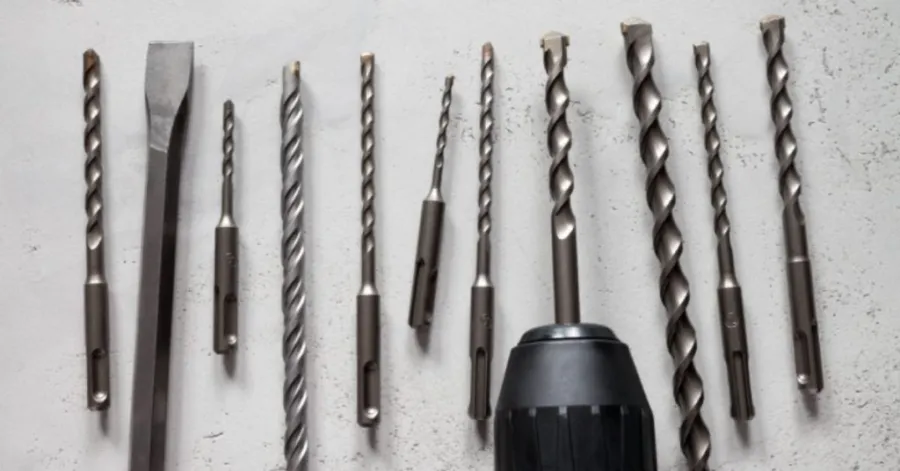
When you pose the question of what type of drill bit to use on metal is the best one, there are three key choices to consider: cobalt, HSS, and carbide. The cobalt drill bits are ideal when you need a metal drill bit that can cut through tough materials. HSS is an excellent option for most daily work when you are not sure which type of drill bit to use in metal.
What type of metal drill bit would you like to use on the hardest metals? Choosing the right metal drill bit for your project keeps you safe and makes drilling easier. You might be asking yourself which type of drill bit to use on metal, so take into account the type of metal you are dealing with. What kind of drill bit for metal is right for you? It will depend on your requirements. Always choose the type of metal drill bit that suits your work.
What Kind of Drill Bit for Metal Is Best?
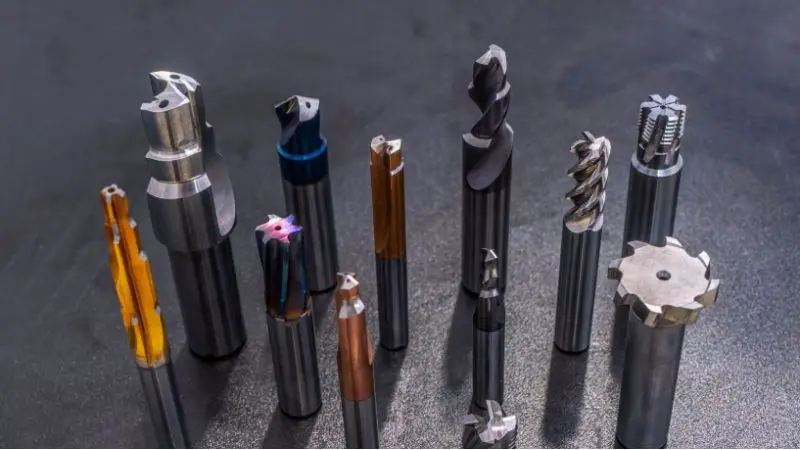
When handling metal, a drill bit is an important factor for ensuring safe and precise results. Metal is much harder than wood or plastic and therefore requires tougher, more heat-resistant tools. An incorrect bit may break, leave poor holes, or damage your material.
There are numerous types of drill bits, each affecting different metals depending on the bit type and thickness. There are those that are light-duty and some that are heavy-duty drilling.
When choosing the best tool, one should learn how to select metal drill bits to ensure the correct bit for your project and prevent common drilling errors.
Understanding Metal Drilling Requirements
To drill into metal, you have to have the appropriate tools. Drill bits are not all created equal. Others are made of wood or plastic, but metal requires a great deal more. Metal drill bits should be able to withstand heat, pressure, and friction without becoming dull.
Various metals will need varying methods:
- Soft metals such as aluminum are easier to drill.
- Stainless steel or hard metals need more powerful drill bits.
- Slow, slow drilling of thick metal plates.
- Delicate sheets require accuracy and consistency in their handling.
When you cannot tell what type of drill bit to use on metal, it is always the hardness and the thickness of the material that are important.
The incorrect bit can result in overheating or sharp edges in no time. This is why it is critical to align the drill bit with the metal type in order to obtain clean and accurate results.
Factors That Affect Choosing Drill Bits for Metal
Several factors are important in determining the appropriate drill bit. All of them influence performance, durability, and the quality of the hole you make.
- Drill bit (HSS, cobalt, carbide) material.
- Hardness and metal type.
- Thickness of the metal
- Speed and pressure of drilling.
General tasks and softer metals are usually done using high-speed steel (HSS) drill bits. Drill bits made of cobalt and carbide are more powerful and can better withstand heat, so they can be used in heavy-duty jobs.
In case you are seeking the optimal drill bit to use to drill stainless steel, cobalt bits are usually the best choice due to their heat- and wear-resistance.
The metal used is also a big issue. Softer metals are easier to drill, whereas harder metals require more hardened tools. When you are in doubt about the type of drill bit that would serve best in metal, cobalt can be a dependable general-purpose option.
Speed is also important. Reduced speed also helps to minimize the amount of heat generated and enhance the precision of the drilling process, particularly when dealing with hard materials.
Types of Drill Bits for Metal
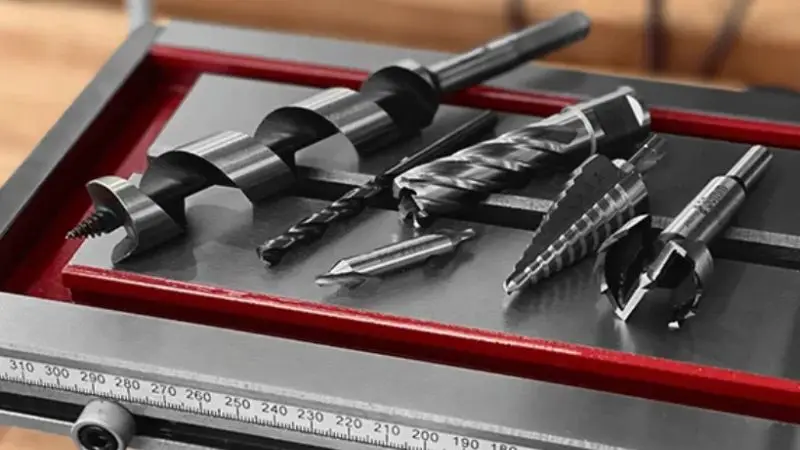
In stores and toolboxes, you will find lots of different drill bits made of metal. The types are specific to materials and tasks, and hence it is important to select the right type to achieve performance and tool life. Certain drill bits are more effective on soft metals, and others on extremely hard surfaces.
Knowing these variations can prevent harm and enhance drilling efficiency and precision. It also helps you determine which type of metal drill bit will work best for your particular project.
High-Speed Steel Drill Bits for General Metal Work
HSS drill bits are frequently encountered and will be used in a variety of metal work. These drill bits are applicable for light to medium drilling work and can be used for softer metals, such as aluminum and copper.
They make an excellent beginning choice when you are learning how to select drill bits to use in metal due to the affordability and availability of these drills. The HSS drill bits remain sharper than simple steel bits and can be trusted for daily use. Nevertheless, they cannot be used on very hard metals, thus they can easily wear out in case of high pressure.
Cobalt Drill Bits for Hard and Tough Metals
Cobalt drill bits are engineered to tackle more challenging and difficult tasks. These bits of drills are characterized by heat resistance and strength, and therefore they are suitable for hard metals such as stainless steel and cast iron.
They are frequently thought of when users enquire what type of drill bit is most suitable when metal that needs high durability is involved. Even under high friction, these bits of drills are not easily lost in sharpness. Cobalt drill bits are robust and powerful in case you deal with tough materials on a routine basis.
Titanium-Coated Drill Bits for Smooth and Long-Lasting Cutting
Titanium-coated drill bits are given a special gold color coating that not only reduces friction but also enhances durability. These bits of the drill are chiseled to cut more smoothly and have a longer tool life in general use.
They are usually applied in domestic projects and short-term workshops. Titanium-coated drill bits can be used on steel, brass, and plastic, and they give a smoother cut with less friction. They, however, do not hold up in very hard metals, but in general drilling, where speed and smoothness are more important than extreme strength, they work very well.
Carbide Drill Bits for Extremely Hard Metal Applications
The best available drill bits for drilling metal are carbide. These drill bits are extremely hard and can cut through very hard materials, such as hardened steel.
Their application is usually in the industry where high accuracy and robustness are required. They are pricier, but provide the highest level of performance and long durability. Carbide is commonly the fix for strenuous work in case other drill bits fail.
Step Drill Bits for Clean Holes in Sheet Metal
Step drill bits are cone-shaped and are multi-stepped. These drill bits are made from thin sheet metal and enable you to produce various hole sizes without altering the tools.
They are particularly applicable in electrical works and metalwork. Step drill bits give clean and smooth edges and are very effective when it comes to repetitive drilling. They are convenient and time-saving, in case you often work with sheet metal.
How to Choose the Right Drill Bit for Different Types of Metals
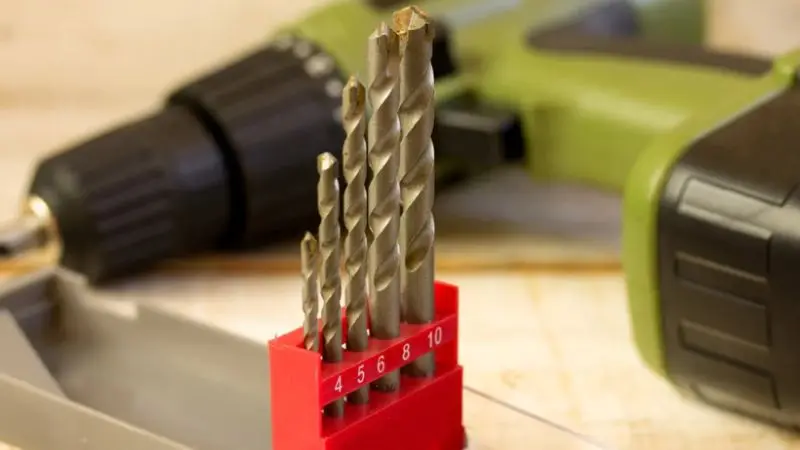
Selecting the appropriate drill bit for metal is crucial, as not all metals behave the same during drilling. It is easy to cut through some soft metals, but some metals are very hard and require more powerful tools. When you have the wrong drill bit, you can destroy the material and the tool.
Knowing the distinction between metals will make you have cleaner holes and be more accurate. It also extends the life of tools and reduces labor in drilling.
That is why it is safer and more productive to know what type of drill bit to use on the metal in every situation.
Best Drill Bits for Drilling Steel
Steel is tough and requires hard-wearing drill bits that can withstand heat and stress. When a bit of the wrong type is utilized, it may soon become dull or may even break during drilling. This is why it is highly necessary to choose the appropriate tool to have good results.
Steel is best cut with cobalt drill bits since they remain sharp and can withstand high temperatures. Softer types of steel can also be cut with high-speed steel drill bits. If you want the best drill bit for drilling thick metal, cobalt is usually the safest bet.
Speed and patience are important when drilling steel to avoid damage and produce clean holes.
Best Drill Bits for Drilling Stainless Steel
Stainless steel is tougher than ordinary steel, and thus requires tougher and more heat-resistant drill bits. Without the proper tool, drilling may lead to overheating, dull edges, and no good results. It is critical to select the appropriate bit to work well and correctly.
Cobalt drill bits are common since they do not deteriorate when subjected to pressure. Drill bits made of carbide can also work, but are pricier. A variety of professionals choose cobalt when deciding on the drill bit to use in hardened steel or stainless steel projects.
The appropriate speed and constant pressure will promote better cutting and minimize the wear of the drill bit.
Best Drill Bits for Drilling Aluminum
Aluminum is a lightweight and soft metal and thus does not need heavy-duty drill bits. Indeed, very strong bits may at times be detrimental to the surface or produce coarse edges. An easy and clean-cutting tool is ideal.
Aluminum is recommended to be drilled with high-speed steel drill bits due to their easy controllability and smooth drilling. Drill bits that are coated with titanium also perform well, and they minimize friction. Aluminum is not one of the metals you would want to start with, especially when learning how to select the drill bits to use in metal.
Gradual drilling helps obtain undistorted, precise holes.
Best Drill Bits for Drilling Cast Iron
Cast iron is brittle, which means it may crack under excessive pressure. This is why drilling and the choice of the tool should be made very carefully. The wrong bit can be used, and it may easily spoil the material.
The most suitable ones are cobalt and carbide drill bits, as they have high cutting power and stability. They are commonly used to determine the most appropriate drill bit for hard yet brittle metal.
Low speed and constant pressure are used to avoid cracking, and drilling outcomes are smooth.
Best Drill Bits for Drilling Copper and Brass
Copper and brass are soft metals; therefore, they can be drilled easily as opposed to steel or iron. Nevertheless, it is still necessary to use the correct drill bit to prevent slipping or coarse edges. Clean cutting is the main goal.
High-speed steel drill bits work very well for both metals. Drill bits that are coated with titanium also assist in making smooth holes with a reduced amount of friction. This is usually applied in the choice of the drill bit to be applied to metal sheets and soft metals.
Moderate speed and gentle pressure can be used to ensure that drills are clean and correct.
Cobalt vs Titanium vs HSS Drill Bits for Metal
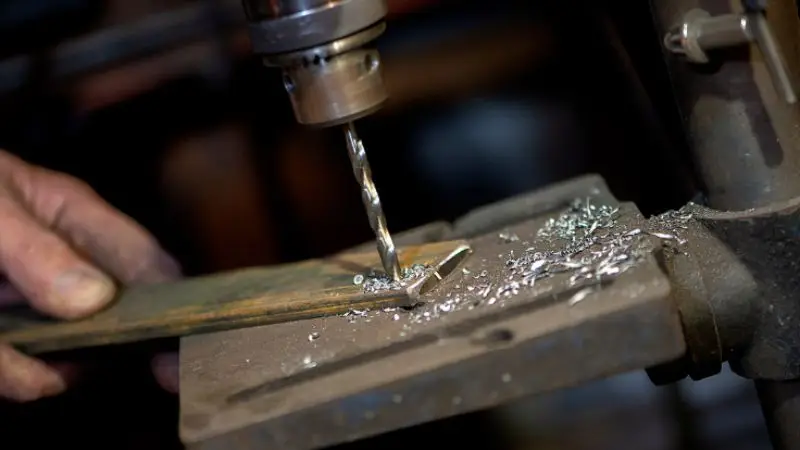
In handling metal drilling projects, people should be aware of the variation in the type of drill bits. Each of the cobalt, titanium, and HSS drill bits has a different response to the material and workload. Selecting the appropriate one helps increase drilling speed, precision, and tool life.
The two choices that many users are confused about are similar-looking, yet they differ greatly in performance. It is worth knowing their strengths to prevent mistakes when drilling.
This is why, before starting any project, it is important to know what type of drill bit to use on metal.
Durability Comparison of Cobalt, Titanium, and HSS Drill Bits
When choosing drill bits for metal work, durability is an important factor. There are those drill bits that are long-lasting and designed to be used heavily, and those that are light and can be used occasionally. The correct decision will rely on the frequency of drilling and the material you are dealing with.
Cobalt drill bits are the strongest because they stay sharp longer and are used to drill hard materials. Titanium drill bits are also very durable, but their coating may wear out with time. HSS drill bits can be used on simple work, but will wear out sooner when working on harder materials.
When seeking the best drill bit for stainless steel, cobalt is often the best choice because it offers high strength and long-term durability.
Heat Resistance Comparison of Drill Bits
One of the biggest challenges in drilling metal is heat. Friction easily accumulates, and you can lose the sharpness of drill bits or damage them due to low quality. This is why one of the factors that should be taken into account is heat resistance.
Cobalt drill bits are very good at temperatures and will continue to perform even in prolonged drilling periods. Titanium drill bits are also heat-resistant, but only while the coating is hard. HSS drill bits warm up more quickly and tend to slow down or require cooling with oil to perform well.
This makes the stronger options more appropriate for deciding which drill bit to use when working on hardened steel or other hard materials.
Performance Comparison on Hard Metals
Hard metals require more demanding and permanent drill bits. When the wrong type is used, the process of drilling is slow, inaccurate, and can ruin the tool and material. Differences in hardness are evident among the drill bits.
Cobalt drill bits are used on hard metals such as stainless steel and cast iron. Titanium drill bits are more appropriate for the softer metals and general use. HSS drill bits are used only for light drilling and are not suitable for heavy work.
Type of Drill Bits| Ideal | Have trouble with.
- Cobalt | Hard metals | Soft materials.
- Titanium | Soft metals| Hard metals.
- HSS | Everyday drilling | Hard metals.
This comparison will help you determine which drill bit to use for metal sheets and other metal applications.
Which Drill Bit Offers the Best Value for Money
The selection of value is not merely based on price but on performance and durability. An inexpensive drill bit can be replaced quite frequently, whereas a more robust one can last longer and work better with time.
Cobalt drill bits are costlier, but they have great durability and performance. Titanium drill bits are balanced and can be used generally. The cheapest, though possibly not long-lasting, drill bits are HSS.
The optimal value varies in most cases depending on the drilling frequency and the metal you are working with. Cobalt is typically the most economical option when used regularly.
What Size Drill Bit Should You Use for Metal?
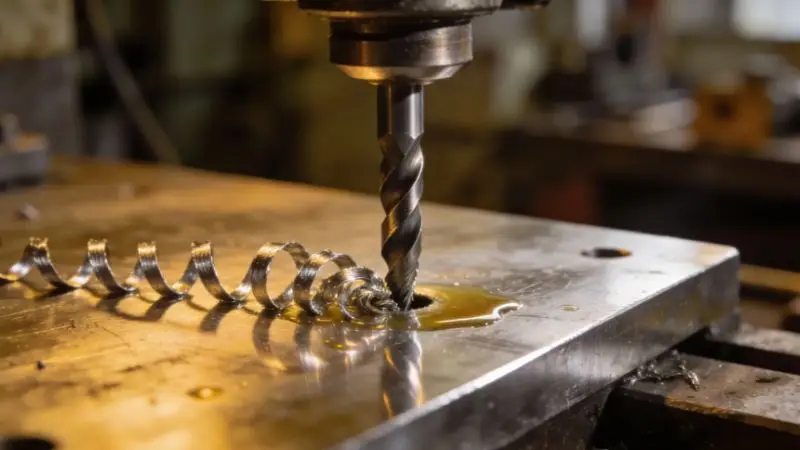
Selecting the right drill bit size is extremely critical when dealing with metal,l as it can directly influence the accuracy, finish, and the quality of the finish. If the size is too small, the hole will not fit properly. Excessively large can result in the material being weak or loose.
The sizing of various metalwork varies depending on the bolts, fittings, or design requirements. The slightest error in size can influence the ultimate outcome.
This is the reason behind the need to learn how to select drill bits to use with metal, not only on the selection of materials but also on sizing.
Standard Drill Bit Sizes Used in Metal Work
Drill bits are available in many different sizes, typically in inches or millimeters. Metal work common sizes begin with tiny sizes such as 1/16 inch (approximately 1.6 mm) and extend to larger sizes such as 1/2 inch (12.7 mm). These sizes are used to fit the drill bit to the various types of metal work.
Another size that you might see to indicate a particular diameter is the numbered size of, say, a #30 or even a #10. Such standard sizing systems facilitate the selection of the appropriate bit to do accurate work.
The size of the metal drill bit is as critical as the material when choosing the type of drill bit to use. For example, bolt holes should be correspondingly close to the bolt diameter to ensure a tight, snug fit. Proper sizing also enhances accuracy and minimizes errors during drilling.
How Pilot Holes Help Improve Drilling Accuracy in Metal
A pilot hole is a small hole drilled before drilling the larger hole. It aids in steering the principal drill bit and in preventing slippage, particularly on smooth or hard metal surfaces. This stabilizes and makes drilling more precise.
Pilot holes are particularly effective when dealing with hard or thick metals. They also reduce the load on the primary drill bit, thereby extending tool life and improving performance over time.
When in doubt about which drill bit to use on hardened steel, you can start with a pilot hole, which will simplify the procedure and even reduce the risk. It allows us to control it better and minimize the chances of spoiling the material.
This stepwise process is also useful for achieving a gradual increase in hole size without cracking or deforming the metal surface.
How to Choose the Right Drill Bit Size for Metal Projects
Various metal projects will have various hole sizes, depending on the application. The right size is a way to ensure that the finished work fits properly, producing clean and solid connections.
In the case of bolt installation, the drill bit must fit the bolt diameter so that it fits well and does not loosen. In pilot holes, much smaller drill bits are used to guide larger bits and improve accuracy. The larger fittings or fasteners require a larger opening in the sheet, while the smaller fittings or fasteners require a smaller, more accurate hole to prevent breakage.
This is most necessary when doing some work, such as determining the type of drill bit to use on a metal sheet, where precision and control are paramount.
Always premeasure your material, and then drill. The appropriate drill bit size enhances accuracy, minimizes errors, and provides a cleaner, more professional finish.
How to Drill Through Metal Successfully
Drilling metal is not merely a matter of drilling with a drill. It needs the proper preparation, speed control, and handling. With metal, there is also greater heat and resistance compared to wood or plastic, and therefore errors can readily destroy your tools or materials.
Different stages in the process are critical, such as using the right drill bit and maintaining steady pressure during drilling. Small advances in technique can have a huge impact on output.
Learning the right way to select drill bits of metal can make you work even safer and cut cleaner and more accurate holes.
Tools and Safety Equipment Needed for Metal Drilling
Preparation of the appropriate tools and safety equipment is crucial before commencing metal drilling. Good preparation will mean more control, fewer errors, and will keep you out of trouble in the process.
A drill, appropriate metal drill bits, cutting oil or lubricant, safety glasses, gloves, clamps or a vise, and a dust mask will be required. All the tools help stabilize and streamline the drilling process, particularly when drilling hard metals, which produce sharp, hot shavings.
Such an arrangement is also related to selecting the type of drill bit used for metal, as different materials require varying drill bit strengths. A well-organized workspace would lead to safer and cleaner drilling.
@truckintoby This thing is a beast!! #metalfabrication #magneticdrill #vevor #tools #shoplife #trucker #heavyequipmentmechanic #drilling #VEVOR #FallDealsForYou #TikTokShopBlackFriday #TikTokShopCyberMonday #TiktokShopHolidayHaul #VevorHomelmprovementFestival #treshwave @Vevor_US
♬ original sound – TruckinToby
How to Set the Correct Drill Speed for Metal
The speed of the drills has been a key consideration when handling metal, as it directly affects heat generation and cut precision. When the speed is excessive, the drill bit may overheat. When it is too slow, the drilling process is inefficient and uneven.
Various metals have different speeds, depending on their hardness. Softer metals can be worked at higher speeds, whereas hard metals require slower, more controlled drilling.
Metal Type | Recommended Speed (RPM).
- Steel | 500–700
- Aluminum | 1000–1500
- Stainless Steel | 300–500
It is always best to start off at a low speed and increase speed only when the cutting becomes smooth. It is particularly crucial to select the most suitable drill bit for stainless steel, as heat control is a significant factor.
How to Use Cutting Oil for Smoother Metal Drilling
The use of cutting oil is essential when drilling metals, as it reduces heat and friction. Lubrication is also important to prevent premature wear of drill bits and loss of their sharpness, particularly when cutting hard metals.
Apply a little oil to the drilling point before drilling. You will notice smoke, heat, or a squeaking sound. In this case, add more oil at once to ensure smooth performance. This helps enhance accuracy and tool life.
The issue of lubrication is even greater when it comes to determining which drill bit to utilize in hardened steel, since harder materials inherently generate resistance. When oil is properly utilized, it guarantees a smoother cut, cleaner hole,s and more durable drill bits.
How to Prevent Drill Bit Overheating in Metal Work
When overheating occurs, the drill will readily shorten the life of your drill bit. When a bit overheats, it becomes dull and no longer cuts efficiently.
To prevent this, drilling ought to be carried out in short intervals rather than under constant pressure. Between attempts, it is beneficial to allow the drill bit to cool to sustain performance. Shavings of metals during drilling also minimize heat and enhance the cutting efficiency.
When the drill bit is excessively hot, pause it and allow it to cool down, then resume. This is particularly when dealing with the best drill bit to drill thick materials, as thick materials naturally generate more heat and resistance.
How to Drill Clean and Accurate Holes in Metal
Boring holes in metal, clean and correct, takes time, control, and technique. The wrong tools can also result in uneven or rough work, regardless of having the right tools.
Begin by placing a center punch to mark where to drill and provide a guide to the drill bit. Starting with a small pilot hole enhances accuracy and eliminates slipping. Stability during the process is also maintained by firmly clamping the metal.
The drill should never be forced but rather forced with a steady pressure because forcing may ruin the bit and the material. Removal of metal shavings in the process of drilling aids in cleaning up the cutting.
These procedures are particularly necessary when choosing which drill bit to use on metal sheets, where accuracy and clean edges are required.
Wrap Up
The selection of the appropriate drill bit for metal can significantly affect the quality of your work. Drilling steel, stainless steel, or soft metals such as aluminum, having the right bit enhances precision, safety, and life. Other factors, such as speed, lubrication, and good technique, are also significant in successful drilling. Once you pair the correct drill bit with the right metal, you will work more easily and efficiently. Never rush to start any project without proper preparation and careful planning. With the right knowledge, you will be able to achieve clean, precise, and professional-looking results each time.
FAQ
Which type of drill bit do you use on thick steel?
The drill bit you should choose is cobalt or carbide. These bits cut through heavy steel but do not wear out quickly. Always apply cutting oil to make your bit sharp and cool.
Is it possible to use a standard drill bit on metal?
You can attempt it, though wood or plastic bits that are regular will dull or break. Metal requires tougher bits such as HSS, cobalt,t or carbide. These bits are longer-lasting and create clean holes.
What can you do to ensure that you do not slip on metal with a drill bit?
Make your mark by punching the center. This little dent holds your drill bit in place. Start with a slow speed and use steady pressure for best results.
Do you require a special metal drill?
No particular drill is required. Most corded and cordless drills are okay. All you need to do is be sure you are using the appropriate drill bit with metal and not a heavy-duty masonry drill bit.
What is the way to tell when to change a metal drill bit?
When your drill bit is dull, squeaky, or unable to cut, then you need to change it. Pointy bits simplify and secure the drilling process.