The circulation system of your swimming pool starts with a swimming pool pump, which maintains the water’s cleanliness, clarity, and safety for swimming. Most pool owners are aware that the pump is necessary, but are not aware of how a swimming pool pump works or why it runs 24 hours a day. Understanding the principles of the swimming pool pump will help you maintain better water quality, reduce energy costs, and avoid costly repairs. As part of this guide, you will understand the operation of the pool pump, the key components of the pump, how the water in your pool circulates using your pump, what type of pump you have, and how long you should have your pump run every day to maintain your pool running efficiently throughout the year.
Table of Contents
Main Parts of a Swimming Pool Pump
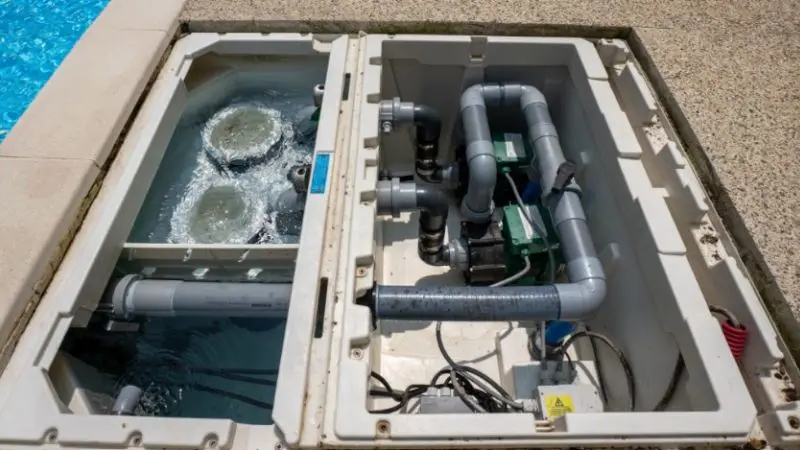
The first thing to know to get an idea of how a swimming pool pump works is the key parts within the system. Each component performs a designated duty, continuously moving, filtering, and recirculating water to the pool. With a combination of these parts, the whole pool pump circulation system is efficient and keeps your pool water safe and clean.
Recommended For Your Project
Knowing the components of a swimming pool pump will also help you identify common issues, make simple repairs, and enhance the overall performance of your swimming pool equipment.
Pump Motor
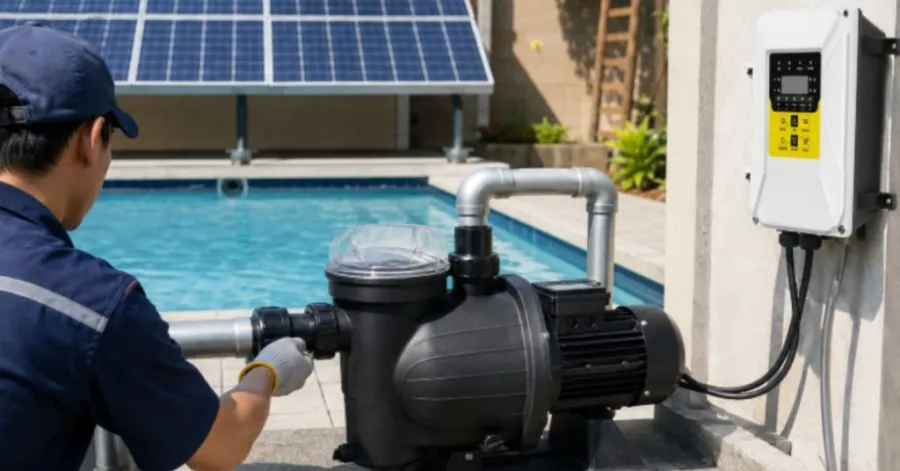
The pump motor is the device that pumps water in the entire pool. It transforms electrical energy into mechanical energy and thus allows the impeller to spin at a very high speed. This rotation produces a vacuum which sucks water out of the pool and into the pump. Understanding the workings of a pool pump is important, as it will determine how water circulates through your pool while it is being filtered. Modern motors are available in single speed, dual speed, or variable speed, with the latter offering more energy efficiency and reduced noise. Maintaining a good motor can allow the pool pump circulation system to operate properly, cut down on the electric bill, and prolong the life of the motor.
Impeller
The impeller is a crucial component of a swimming pool pump, as it propels water through the system. It is a rotating part that has curved blades that generate centrifugal force as it rotates. This pressure drives the water out of the pump to the filter, where it is filtered of dirt and debris. The impeller is also a significant component in the swimming pool pump’s working principle since it helps ensure that the flow of water through the equipment is constant. When leaves, hair, or other debris get stuck on the impeller, water flow can slow, compromising filtration performance and overall pool operation.
Strainer Basket
The strainer basket is the first line of defense in case of large debris into the pump. Sweeps up leaves, twigs, insects, and other debris before they get to the impeller and cause blockages and damage. Washing the basket frequently makes water free, and the pump works optimally. One has to keep in mind that any water that runs through the pump circulates through the strainer basket first and then into the system when reading the information about the pool water being circulated through the pump. A properly cleaned basket will provide better circulation, more filtering, and less unnecessary strain on the motor and other parts of the pump.
Pump Housing
The outer casing, known as the pump housing, contains the inner parts and channels water through the pump. It is built to withstand continuous water pressure and protect the motor, impeller, and strainer basket from external damage. The housing forms a closed channel through which the water flows efficiently between the suction and discharge ends of the pump. The sealed design is a major component of the swimming pool pump‘s working principle, as it helps ensure appropriate pressure and flow of water. The long-lasting pump housing also enhances the stability and durability of the whole pool pump circulation system.
Pump Lid and O-Ring
The pump lid provides easy access to the strainer basket for regular cleaning and inspection. An O-ring is located around the lid, forming an airtight seal between the lid and the pump housing. This seal prevents air from entering the system, ensuring the pump has the correct suction and water flow. A leak in the O-ring area can negatively impact pump performance and circulation, even in small amounts. Knowing what the lid and O-ring do will help answer how a swimming pool pump works, since an airtight seal is crucial for efficient operation. Frequent check-ups and lubrication of the O-ring are beneficial in ensuring a smooth operation of the pump and eliminating unnecessary maintenance problems.
How a Swimming Pool Pump Works Step by Step
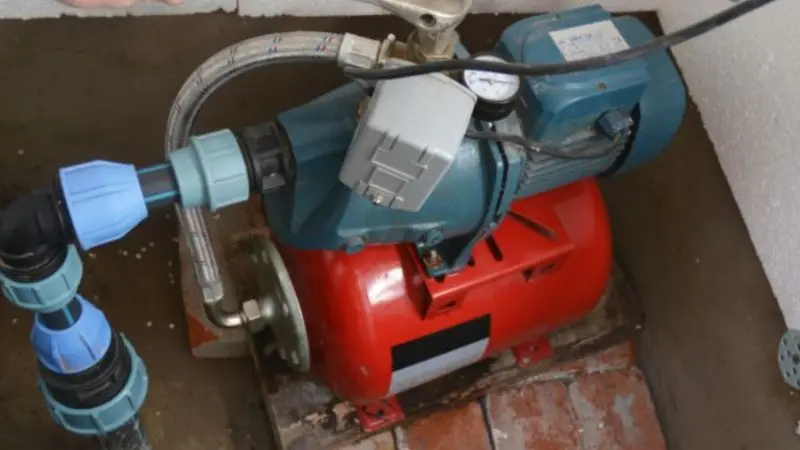
It is much easier to understand how a swimming pool pump works when you consider in detail the process step by step. The pump constantly circulates water from the pool to the filter, then back into the pool. The cycle runs throughout the day to ensure the water remains clear, balanced, and free of debris.
The principle of operation of the swimming pool pump is rooted in the development of suction, under-pressure movement of water, and its constant circulation. Each of the stages is significant in the pool pump circulation system and contributes to healthy swimming conditions.
Water Enters Through the Skimmer and Main Drain
The water is circulated by the skimmer and main drain that remove the water from the pool. The skimmer collects floating material, such as leaves, insects, and dust, at the surface level while the main drain removes the water at the bottom. The combination aids in maintaining a balanced source of water to the pump. It is the initial step in circulating pool water towards the pump, ensuring that water in all parts of the pool is constantly cleaned. Constant water intake will also avoid stagnant water and will help evenly spread the chemicals in the pool.
The Pump Pulls Water Into the Strainer Basket
The water is collected from the skimmer and main drain and passes through the strainer basket in the pump. This basket traps larger debris before it gets into the impeller for clogging and damage to the inside workings. This is essential to the pool pump’s functioning because the pump motor creates suction to pull water into the pool system. Cleaning the strainer basket at regular intervals will help to increase water flow and prevent untimely pressure on the motor. This will also maximise the efficiency of the filtration process by only allowing small particles to pass through the remainder of the filtration system.
The Impeller Moves Water Under Pressure
After the water passes through the strainer basket, it enters the impeller. The impeller turns at a high speed to generate centrifugal force that forces water forward under pressure. This movement forms the core of the swimming pool pump‘s operating principle, as it drives water through the filtration system. The pressure generated by the impeller maintains water flow to the filter without disruption. When there is a clog or damage to the impeller, circulation is reduced, lowering the pump’s performance and the cleanliness of the pool water.
Water Passes Through the Pool Filter
This pressurized water is then pumped into the pool filter, and small amounts of dirt, algae, oils, and other contaminants in the pool are filtered out. Unwanted particles are filtered out depending on the type of filter fitted in the system before the water passes through it. It is also one of the most important parts of the pool pump circulation system because it allows the water to remain free from dirt and cloudiness and be suitable for swimming. If the filter is dirty, it can impede the flow, causing the pump to operate at higher capacity, but when the filter is clean, the water flows freely through. Daily filtering helps to maintain good mixing and uniform water quality.
Clean Water Returns Through the Return Jets
Once the filtration is complete, the clean water will pass through the return lines and be pumped back into the pool via the return jets. The jets are installed to produce a continuous flow of water, which helps distribute chemicals evenly and remove debris. This is the last step, which completes the water’s circulation in the pump and prepares it to start the cycle again. This is how a swimming pool pump works in a normal application: the whole process repeats as long as the pump is running. This circulation maintains the pool’s freshness, enhances efficient filtration, and provides a healthier swimming environment during the season.
How a Pool Pump Works with Other Pool Equipment
A swimming pool pump is not the sole component of the whole pool system. It collaborates with other machines in ensuring that the water is clean, safe, and comfortable to swim in. The filter, heater, sanitizer, and cleaning equipment will not work properly without constant water circulation.
Knowledge of how a pool pump operates in relation to other pool equipment helps you visualize how all the parts support the pool pump’s circulation system. When all the equipment operates in synergy, your pool will be cleaner, more energy-efficient, and require less maintenance.
How the Pool Filter Cleans the Water
After the pump draws water out of the pool, it forces it into the pool filter. The filter removes dirt, dust, algae, body oils, and other minute impurities that can cloud pool water. Once the filtration process is complete, the clean water flows through the circulation system, and it is pumped back into the pool. This is a crucial process of the swimming pool pump’s working principle since the pump provides the force to transfer the water to the filter. A clean filter enhances water quality, reduces unnecessary stress on the pump, and helps the rest of the system work more efficiently during the swimming season.
How the Pool Heater Warms the Water
Water exits the filter into the pool heater and is then pumped into the pool. The heater warms the water to the desired temperature, and the pump maintains the water flow at a constant speed. The heater cannot be used safely or spread heat evenly without proper circulation. This is the reason why a pool pump can be used with heating equipment to ensure a comfortable swimming environment. Regular water flow will also prevent overheating in the heater and enhance efficiency. Periodic cleaning of the pump and the heater can extend their service life and minimize the risk of expensive repairs.
How the Salt Chlorine Generator Sanitizes the Pool
In a salt chlorine generator, salt dissolved in the pool water is used to make chlorine, which disinfects the water. The pump maintains a flow of water to the generator, enabling it to produce sanitizer, and the water is sent back to the pool. This process maintains bacteria, algae, and detrimental microorganisms. The circulation of pool water through the pump will reveal the need to maintain constant water movement in saltwater pools. Even circulation will promote balanced water chemistry by distributing chlorine evenly throughout the pool and minimizing the need to manually add chlorine products.
How the Automatic Pool Cleaner Removes Debris
To operate effectively, many automatic pool cleaners are dependent on the pump. Suction-side cleaners rely on the suction power of the pump, whereas pressure-side cleaners rely on the water pressure formed in the circulation system. The cleaner gathers leaves, dirt, and other debris from the floor and walls as it moves around the pool. The dirty water is then pumped to the filter, where contaminants are removed, and the clean water is returned to the pool. This collaboration enhances the pool pump circulation system, minimizes hand washing, and assists in keeping the water clean and healthy with minimal daily care.
Types of Swimming Pool Pumps
Even though all the pool pumps have the same general task, all the models provide various levels of performance and energy efficiency. The selection of the appropriate pump depends on your pool size, pump operating costs, and daily circulation requirements. With the knowledge of your available options, it will be easier to pick out equipment that fits your pool as well as your budget.
Learning about the various types of pumps will also help you understand how a swimming pool pump operates under different conditions. All types have the same fundamental operating procedure but vary in speed, efficiency, and electricity consumption.
Single-Speed Pool Pumps
Single-speed pool pumps are always set to a single speed. They are easy to mount and use, and most cost less than the sophisticated ones. Nevertheless, they use more electricity and can increase operating expenses in the long term by running at full power all the time. They continue to play the vital role of circulating water in the filtration system and are often used in numerous smaller residential pools. Although pool pump circulation systems are efficient, homeowners who aim to save on their electricity bills tend to opt for more efficient pumps.
Dual-Speed Pool Pumps
With dual-speed pool pumps, you can switch between high and low operating speeds. Fast speed is applicable in vacuuming, backwashing, or running water features, whereas the slow speed is efficient in daily circulation. This flexibility minimizes electricity usage without compromising on performance in case a higher flow is required. Knowing how a pool pump operates at various speeds makes it easy to see why dual-speed models are more energy-efficient than traditional single-speed pumps. They provide a reasonable compromise of price, quality, performance, and reduced operating expenses, and thus are a favorite in many residential swimming pools.
Variable-Speed Pool Pumps
Variable-speed pool pumps are driven by sophisticated motors that adjust speed to suit different pool functions. They are able to operate at low frequencies to perform normal filtration and only escalate when additional water is needed. This enhances efficiency and results in a considerable reduction in electricity usage. The principles of operating a swimming pool pump are the same, but variable-speed technology gives you more control over water circulation. These types of pumps are quieter, have a longer lifespan, and may reduce utility bills every month. They are more expensive for short-term investments; however, many pool owners recoup the cost over the long term through energy savings and improved overall performance.
How Long Should You Run a Pool Pump Each Day?
To have healthy, clean water, it is important to run your pool pump for the appropriate amount of time. When the pump is not run long enough, dirt and algae will accumulate. It can also consume more electricity than it needs to run and not add any value to water quality.
Understanding the mechanism of a swimming pool pump can also help you determine the optimal daily operating time. The aim is to enable the pool pump circulation system to effectively filter all the pool water and keep energy expenses in check.
How Long to Run a Pool Pump in Summer
The pool pumps normally require 8-12 hours of runtime per day during summer. Hot weather, swimming activity, and higher-quality sunlight promote algal growth and increase the volume of debris deposited in the water. The longer the pump is run, the more the filter gets to eliminate the contaminants as the chemicals circulate uniformly through the pool. This supports the principle of the swimming pool pump’s operation by ensuring that the water is in continuous motion and that stagnation is avoided. When there is a lot of activity in your pool, or you have a water feature, you might need to run it a little longer to ensure that you have clear and healthy water.
How Long to Run a Pool Pump in Winter
During winter, most pools need only 4-6 hours of pump run time per day, depending on the area’s climate and whether the pool is open. Lower temperatures reduce algal growth and overall water contamination and, therefore, require less circulation. Nevertheless, the pump must not be switched off immediately, but must continue to filter the water and bring the pool chemicals up to date. Knowing the pool water’s circulation through the pump would reveal the need to maintain circulation even in colder seasons. In case of low temperatures (freezing), the plumbing and equipment might need extra run time to prevent damage from freezing.
Factors That Affect Pool Pump Run Time
There are a few factors that determine how long your pool pump should run each day. The required run time depends on pool size, pump capacity, water temperature, the number of swimmers, surrounding trees, and the type of filtration system. The larger pools typically require a longer circulation time, and variable-speed pumps can sometimes operate at lower speeds for more hours, using less electricity. Understanding how a pool pump works will help you schedule it more appropriately for your pool’s needs. Periodically checking the water clarity, chemical levels, and filter life will help ensure the pool pump circulation system is efficient year-round.
Wrap-Up
It is a little easier to maintain a clean, healthy, and energy-efficient swimming pool once you understand how a swimming pool pump works. All parts, including the motor and impeller, the filter, and the return jets, are significant to the pump circulation system in the pool. It can be enhanced by regular maintenance, proper pump runtime, and the selection of the appropriate pump type, resulting in increased performance and reduced operating costs. You may have a small backyard pool or a large residential pool, but by understanding how a pool pump works, you can avoid most pitfalls, extend your equipment’s lifespan, and enjoy a hassle-free season with crystal-clear water.
FAQs
What does a swimming pool pump do to keep the water clean?
The pump draws water from the pool, passes it through the filter to remove debris, and then returns the clean water to the pool to ensure constant circulation and balanced water quality.
Is it recommended that I run my pool pump on a daily basis?
Yes. Daily running of the pump ensures that water circulates, enhances filtration, evenly spreads chemicals, and discourages algae growth and turbidity.
What is going to happen in case the pool pump malfunctions?
In the absence of circulation, debris piles up, chemicals concentrate, algae grow rapidly, and water quality can deteriorate quickly.
What is the frequency of cleaning the pump basket?
Check the strainer basket after a week and empty it once debris has formed. A clean basket enhances the flow of water and minimizes unneeded stress on the pump motor.
What is the most energy-efficient pool pump?
Variable-speed pool pumps are energy-efficient, as they vary motor speed according to the required circulation levels and minimize electricity use without compromising filtration performance.