Picture yourself in 2027. You wake up to sub-zero temperatures, walk to the kitchen for some coffee, and hear absolute silence. That silence isn’t just eerie, it’s the sound of a time bomb sitting underneath the drywall. You may be thinking, How do you know if your pipes are frozen? Perhaps it’s still quite some time before the drywall explodes.
Considering that submerged cables can be easily constructed and provide self-regulation, it may be the difference between a quick thaw and a ten-thousand-dollar insurance payout. With that in mind, it’s time to consider what a lot of people would rather avoid.
Early warning signs of frozen pipes
Ice doesn’t immediately obstruct the movement of water, but it does create clear markings that may be precursors to a more severe problem. If you see these markings, you can prevent a minor freeze from developing into a catastrophic event.
Little or no water flow
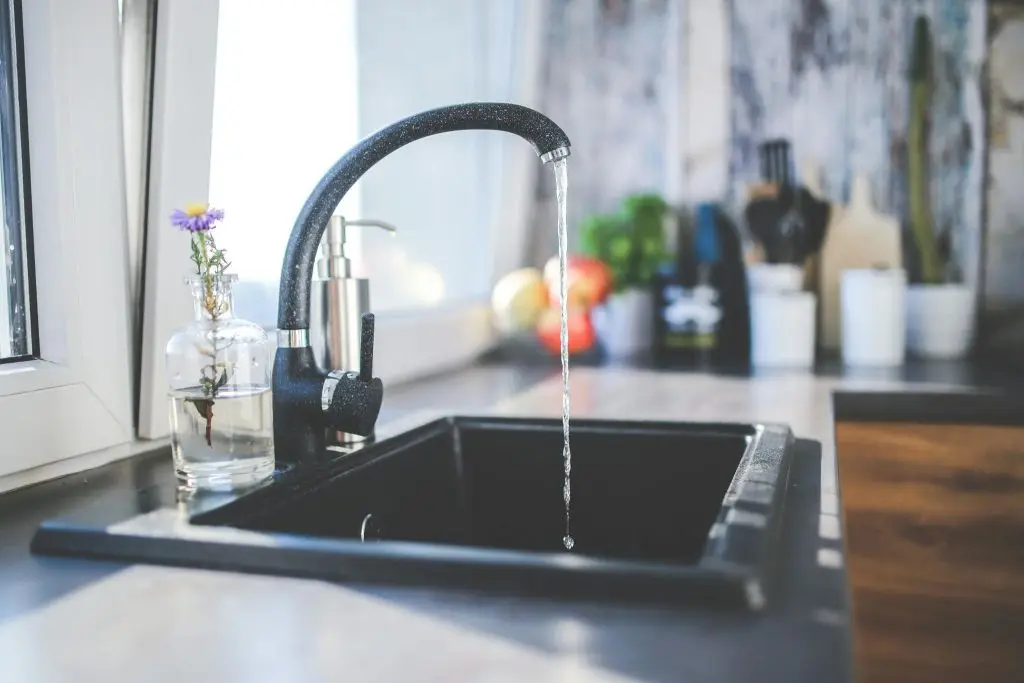
Most noticeable and usually the most frustrating sign is when you turn on a tap, and only a couple of drops and a pathetic trickle emerge. If you have water, and the rest of the neighborhood does not, you likely have a localized ice blockage in your water lines. This is usually the first answer to the question, How do you know if your pipes are frozen?
Frost on exposed pipes
Take a flashlight and inspect the pipes in your basement, attic, or crawlspace. If you notice white, fuzzy frost on the exterior of the metal, the water inside is obviously at freezing temperature. A 50-foot length of heat tape is an excellent technique to melt the frost while keeping the water moving safely.
Unusual smells from drains
When a pipe freezes solid, it might obstruct the flow of sewer gases that would normally exit through your plumbing vents. If you notice a strange, musty, or “sewer-like” odor coming from your sink or bathtub, it could be an ice plug. Do not dismiss unusual odors when the temperature drops, as they indicate a complete blockage.
Gurgling or banging noises
Ice causes tremendous pressure imbalances in your plumbing system as it grows and slides. When you flush the toilet, you may hear strange gurgling sounds or loud banging from within the walls. These “pipes groaning” are frequently the sounds of trapped air and water fighting to pass through a hard ice blockage.
Where pipes are most likely to freeze
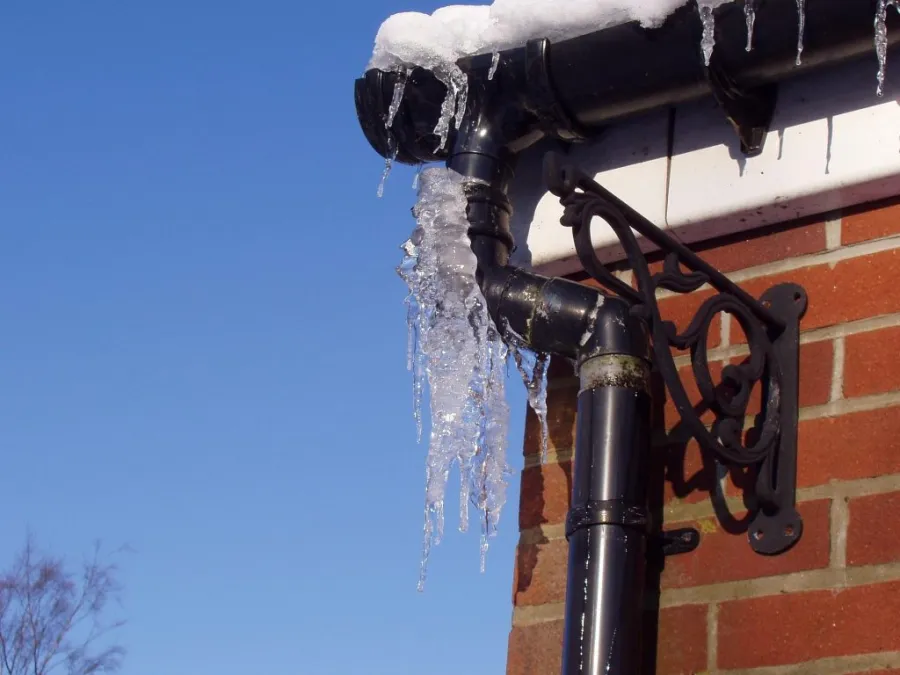
How do you know your pipes are frozen is one this and knowing where to search is half the battle when the temperature drops below zero. Most freezes occur in “cold zones” that lack enough insulation or constant domestic heat.
Exterior walls.
The pipes that run along the exterior walls are the most exposed to the biting, unrelenting winter wind. If you discover a leak here after a thaw, you may need to learn how to replace an outside faucet to correct the problem. These areas require additional attention because they lose heat the fastest.
Basements and crawl spaces
Unfinished basements are infamous for plunging below freezing temperatures because they are not fully connected to your HVAC system. These places frequently have little drafts, which function as a concentrated freezer for your water lines. Learning how to check for frozen pipes in these dark locations can spare you from a huge cleanup.
Under kitchen and bathroom sinks
Because the cabinets under your sinks are sealed off from the room’s circulating heat, they function as little cold storage units. Many people worry if PEX tubing freezes; the answer is a resounding yes, especially in these small, unheated cabinet spaces.
Unheated garages
If your laundry room or main water lines run through a garage, they are very vulnerable. Wrap these fragile wires in 100 feet of self-regulating heat tape to provide a steady supply of warmth. This is a simple weekend project that will help any homeowner avoid a winter nightmare.
How to confirm if a pipe is frozen
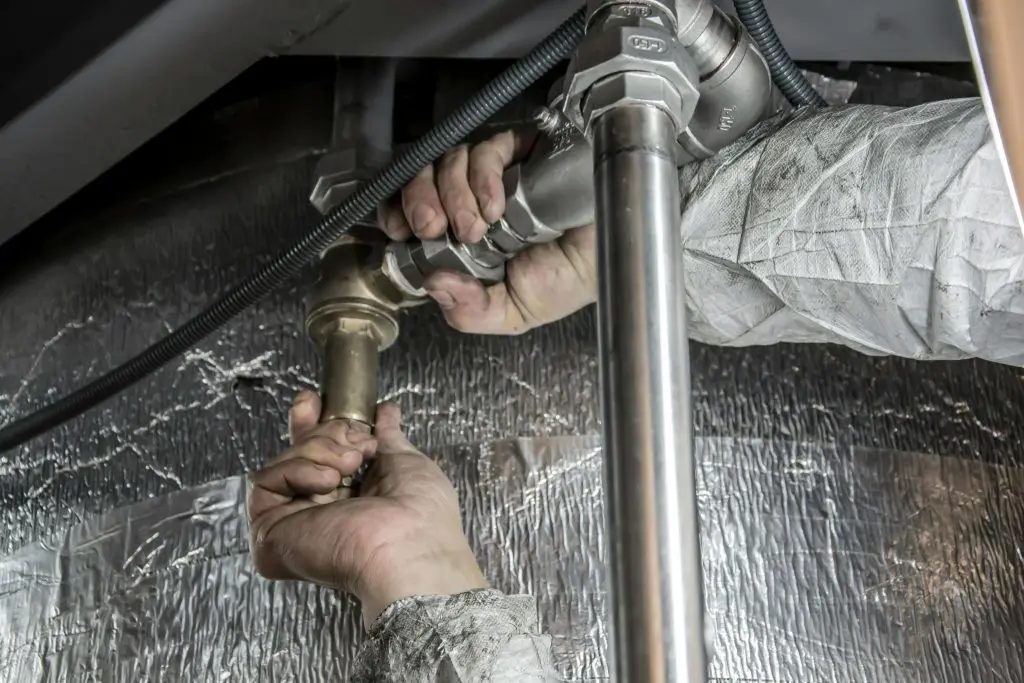
Before you begin dragging out the heavy-duty space heaters, you have to make sure there is, in fact, a problem. You can do this with the following procedures.
Turn on multiple faucets.
Check every faucet in the house, including the tub and utility sink, to see if the problem is limited. If only the kitchen sink is dry but the bathroom is operational, the freeze is in that particular branch. If you need to go further, consider renting a drain camera to inspect the line without damaging your drywall.
Check visible sections of plumbing.g
Go to the basement or the mechanical room and examine the lines under a bright light. You may be thinking, What does a frozen pipe look like? It often appears duller than usual, with beads of condensation or a covering of white frost.
Feel for temperature difference.s
Run your hand along the pipe (carefully!) to detect sudden changes in the metal’s temperature. A frozen section will feel substantially colder than the rest of the plumbing, similar to touching a block of dry ice. A 120-foot heating cable can cover the full distance, ensuring no cold spots.
Inspect for bulging or cracking.s
When ice freezes, it expands by around 9%, which can stretch and deform metal or plastic pipes. If a segment of pipe seems “swollen” or has an apparent hairline crack, it is frozen solid. This is an important step in understanding how to locate a frozen pipe before it causes a full-fledged flood.
What to do immediately if you suspect freezing
Don’t worry if a freeze has been verified, but don’t wait either. You can prevent a total pipe breakdown and save your flooring from destruction by taking the required safeguards within the first hour.
- Turn on the affected faucet: To release pressure, open both the hot and cold taps completely. This allows expanding ice and steam to escape, which is the primary method for preventing a burst.
- Apply gentle heat to the pipe: Apply mild heat to the pipe with a hair dryer on low or a self-regulating pipe heating cable. Never use a torch because open flames are extremely dangerous around dry wood and insulation.
- Keep cabinet doors open: Allow warm air from your home’s heating system to travel around the pipes beneath your sinks. This easy maneuver may usually defrost a slight freeze in an hour or two.
- Clear the way for repairs: If you need to get to an outside shut-off, a 17-inch electric snow thrower will clear the route in minutes. You do not want to be digging through drifts during a plumbing issue.
FAQs
At what temperature do pipes freeze?
Pipes frequently freeze when the outdoor temperature falls below 20°F for several hours. While water officially freezes at 32°F, residual heat from your home and insulation typically protects the pipes until the severe freeze occurs.
How long does it take for pipes to freeze?
A pipe normally freezes solid after 6 to 8 hours of sustained subfreezing temperatures. However, a significant wind chill might hasten this process, especially if you’re engaged outside with an extension snow brush and leave the garage door open.
Can pipes thaw on their own?
Yes, they can when the day warms up, but leaving them alone is quite unsafe. If the pipe fractured when frozen, it would begin leaking the moment the ice melted. You should be present and aware to monitor the situation while it thaws.
Does running water prevent freezing?
Yes! Even a slight leak keeps water circulating, making it much more difficult to freeze. If you’re concerned about how do you know if your pipes are frozen at night, simply leave a faucet on a gentle drip.
Conclusion
Knowing how do you know if your pipes are frozen is the best way to avoid the possibility of flooding ruining your peaceful morning in the kitchen. You will have ample time to take corrective action before your pipes break and thousands of dollars in structural damage are done if you are able to recognize the early warning signs of frozen pipes. With a little bit of preventive action, you can ensure your pipes do not freeze in 2026. You have two options: either leave your cabinet doors open or use heat tape. Be alert, keep your tools handy, and do not get caught off guard by the cold season. Have a wonderful day, stay warm, and keep your water flowing!