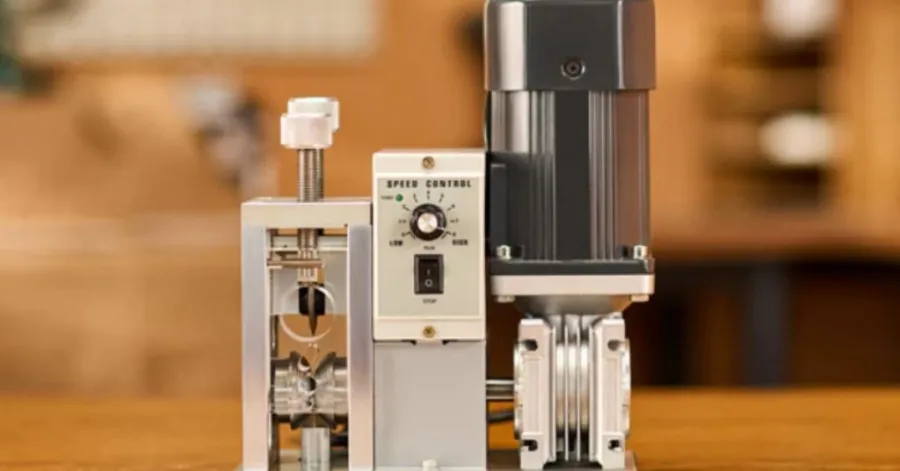
Removing heavy-duty wire and safety. Be careful and use the wire remover correctly. Wear safety eye protection and gloves. Read the guide. Keep your work area clean and organized to avoid accidents and wire jams. 13. Carefully put the wires into the machine. Don’t put them in. Always configure the machine to the proper power setting for the wire sizes. Machine inspection – Regularly inspect for worn or broken parts before usage. Safety isn’t merely the absence of danger. It’s all about increased productivity and better wire stripping results, with more precision, every time.
In this article, we will discuss the safe operation of a heavy duty wire stripping machine. You will learn critical safety precautions, how to properly use the machine, and step-by-step instructions for the best technique for stripping and feeding wires.
Safety Precautions Before Using the Machine
Personal Protective Equipment (PPE)
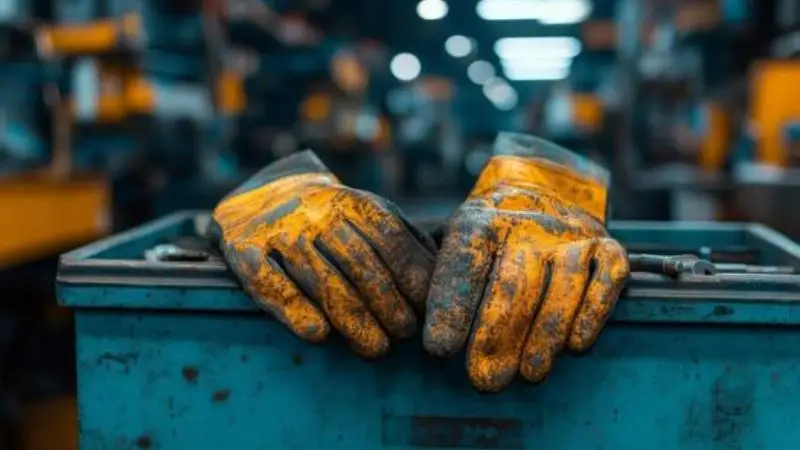
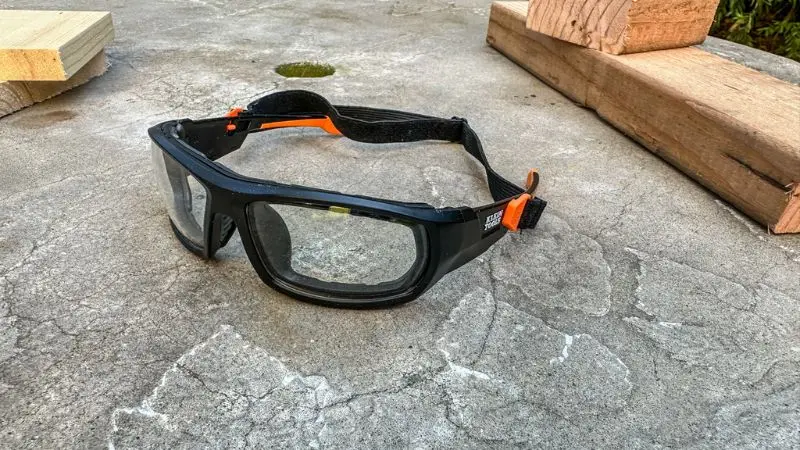
Before you properly use safety equipment, you should run the best heavy duty wire stripping machine for scrap copper. Always wear safety glasses to protect your eyes from flying wire and debris. When handling cables, wear thick gloves to avoid cutting your hands on sharp edges. If it’s loud, wear hearing protection to safeguard your hearing. Closed-toe shoes are also advised to protect against falling tools or supplies. If you follow these safety procedures, you will significantly reduce your risk of injury, stay focused, and work more efficiently while stripping the wire.
Machine Inspection and Setup
How does a wire stripping machine work industrial? Before energizing, check that the wire-pulling equipment is in a safe working condition. Find loose bolts and broken or worn-out parts that would affect the performance. Check that all safety protections and coverings are in place and secure. For the emergency stop, the emergency stop button must be functioning properly. Choose the type and size of wire you are stripping on the machine. If you see any difficulties, then fix them or remove them before you start the service. These safety concerns might help you keep things running smoothly and dependably.
Workspace Safety Guidelines
When using a heavy duty wire stripping machine for thick cables, always keep your work area clean, organized, and clutter-free. Clear the floor of trash, loose tools, and wires to reduce the hazard of trips and falls. To help reduce slipping accidents during operation, keep the floor dry. Place the machine on a sturdy, stable surface that does not move during operation. And having a fire extinguisher on hand is important in the event of electrical or mechanical problems. Following these safety practices can help you and others in the work area stay safe and create a safer work environment.
Step-by-Step Guide to Using a Heavy Duty Wire Stripping Machine
Step 1 – Preparing the Wire
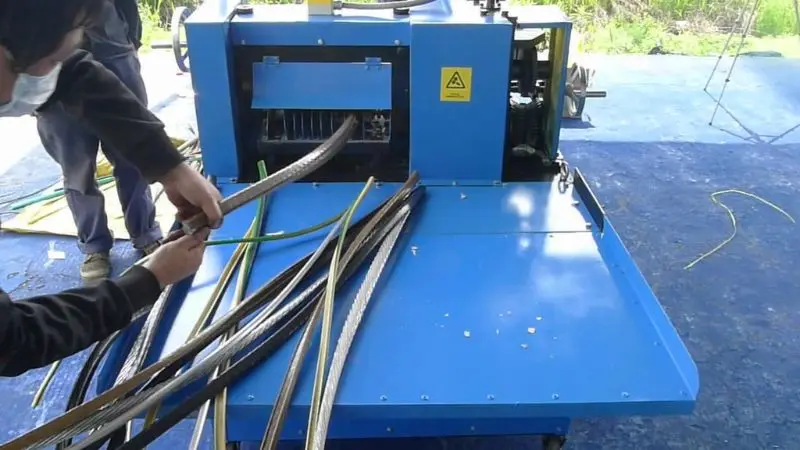
Be sure you have all the tools you need to strip the wires. Begin to pull the wire out. Sort the lines out so they are straight and clear of knots and tangles. Before you put the wires into the machine, wipe them clean of any dirt, tape, or other debris. This setup eliminates jams, uneven stripping, and other frequent operational difficulties. Best and safest to check the wire type and gauge. Set up the machine correctly so it strips wires accurately and quickly.
Step 2 – Setting Up the Machine
Place the automatic wire stripping machine for large wires on a stable, safe surface before using it. Always switch off the equipment before making any adjustments for safety reasons. Hook up the machine. It is important to read the instructions very carefully for the correct functioning of an automatic wire stripper. Make sure the blade is high enough to cut only through the insulation and not the wire itself. Set the wire guide to the size of the wire that will be pulled. Before starting, check that all settings and connections are correct. This will guarantee the wire stripping is safe, accurate, and effective.
Step 3 – Feeding the Wire Correctly
Switch on the wire stripper. Feed the wire into the guide on the wire remover. Feed the wire into the machine without twisting; keep it straight. Feed wire slowly and watch for smooth, steady motion for clean strip results. Do not touch the moving parts and cutting blades of the best heavy duty wire stripping machine for scrap copper. You need to know how to run an automatic wire remover machine properly. Good handling procedures will increase safety, reduce accidents, and enable more precise, efficient wire stripping.
Step 4 – Operating the Machine
At the same time, monitor the operation closely and let the heavy duty wire stripping machine for thick cables pull the wire through at its own speed. Watch the wire and make sure it passes smoothly through the wire guide. It shouldn’t twist or stick. If you feel any jamming or unexpected resistance, stop the machine immediately to avoid damage to the wire or equipment. Use a manual wire remover to repair or strip only a small area. Never push the wire into the machine, as this might damage the blades, create dangerous situations, and diminish stripping accuracy.
Step 5 – Collecting and Sorting Stripped Materials
When all the industrial wire stripper for copper recycling is done, gather up the exposed wire and the bits of insulation scrap from the work area. Keep your work area clean, organized, and ready for the next job by sorting them into different bins. Separating the materials also makes the recycling easier and more efficient, especially for copper or aluminum wire. Turn off the wire-stripping machine and cut off the power if necessary once all work has been completed. Good shutdown and clean-up procedures keep your work area safe and prolong the life of your equipment.
Tip: Always clean the wire guide after each use to keep your machine working well.
Tips for Efficient Wire Stripping
Choosing the Right Machine Settings
You’ll need to set your automatic wire stripping machine for large wires to the right settings for large wires to achieve the best results. Always check the wire size and insulation thickness before you begin. Work the blade carefully so it cuts only the insulation, not the wire. Set the machine to the speed appropriate for the type and thickness of scrap copper wire you are running. Wrong settings will kill the copper or waste material, or will slow you down. Test several settings for each batch of scrap copper wire to determine the optimum combination for clean, accurate stripping and maximum copper recovery.
Regular Maintenance Practices
How does a wire stripping machine work industrial? Keeping your wire-stripping equipment in good condition will keep you safe and help you work more quickly. After each use, clean the blades to remove dust, debris, and insulation fragments that could interfere with their operation. Lubricate moving parts as directed to reduce friction and to prevent them from burning out too soon. Check for any broken or old parts or screws that aren’t tight. Regular care will not only prolong the machine’s life but, over time, make the copper wire scrap cleaner and the stripping more accurate.
Avoiding Common Operational Mistakes
Knowing the common wire-cutting mistakes and working safely, you can avoid many of them. Do not put coiled junk copper wire into the wire stripper machine, as it will jam the machine, damage the blades, or make it harder to produce a clean strip. Keep your hands away from moving parts, and if anything seems odd or is in the way, stop the machine immediately. If you can organize your scrap copper wire by size and type before you start, you will improve your productivity and keep things cleaner. You may also improve the precision and efficiency of your wire stripping process by using a monitoring table to control batches and track output.:
| Batch Number | Wire Size | Result |
| 1 | 10 AWG | Clean Strip |
| 2 | 12 AWG | No Jam |
You will work faster and safer if you follow these tips.
Common Problems and How to Fix Them
Wire Jamming Issues
When using an industrial wire stripper for copper recycling, wire jams can occur. This can slow you down and possibly damage the machine. For safety reasons, if a jam occurs, turn off the power immediately. Then slowly pull the protruding wire out. Don’t try to pull it out. The wire must not be too heavy for your wire cutter machine, and it must not be twisted or bent. Before you begin, clean the rollers, blades, and wire guides of any dirt or insulation buildup. Never force wires into the guides or blades. Always feed straight wires into the machine. It will help avoid jams from happening again.
Tip: Always check the wire size before you use your wire stripping machine.
Uneven Stripping
If the insulation does not peel evenly from the wire, your equipment will have to be adjusted or serviced. Check the blade’s position & height. You want to have the blade cutting the insulation & not the metal wire. Change machine settings. Run the wire to see if it strips better. If the problem persists, check the blade, rollers, and wire guides for debris or insulation that may be interfering with performance. “But look at the blade closely. Replace if faded or worn out. A heavy duty wire stripping machine for thick cables makes normal maintenance and adjustments easier, cleaner, and more precise.
Motor Overheating
How does a wire stripping machine work industrial? If the wire-stripping machine is too hot during use, the engine may overheat and should be checked soon. Turn off the machine and let it cool before continuing. Check the vents and motor area for any dust, insulation pieces, or other obstructions. Keep the motor bits clean. That maintains the ventilation and cooling at just the right level. Do not run wire-stripping equipment continuously for long periods without short breaks, especially in demanding applications. If the motor continues to overheat after cleaning and cooling, call a qualified technician to inspect and repair the unit before resuming operation.
Conclusion
Here are some vital behaviors to practice whenever you operate the heavy duty wire stripping machine that will make your wire-stripping task safer, faster, and more efficient. Always use your safety equipment before you begin to prevent injury. Examine the wire stripper carefully to be sure it is set up and functioning correctly. Organize your work environment. Keep your workspace clean and organized, free of clutter. This will help prevent accidents and increase productivity. Run the machine with care and use the right settings for each wire type. Regular maintenance, cleaning, and inspections can also help your equipment last longer and continue to give you smooth, accurate wire stripping results.
FAQ
How often should you clean your wire stripping machine?
You should clean your machine after every use. This keeps the blades sharp and prevents dust buildup.
What should you do if the machine suddenly stops working?
Check the power supply first. Inspect the emergency stop button. If you cannot fix it, call a technician for help.
Can you strip different types of wire with one machine?
| Wire Type | Machine Setting Needed |
| Copper | Adjust blade height |
| Aluminum | Lower speed |
| Steel | Use stronger blades |