In 2026, the best gas tank for you will be one that is safe, long-lasting, and compliant with all standards. Consider what kind of tank it is, how safe it is, and how easy it is to use. The best tanks are made of durable, easy-to-see, easy-to-understand materials. It’s vitally important to choose a tank that doesn’t leak or catch fire. Also, be sure the tank will fit where you want it to go, whether inside or outside, and that it can safely hold the gas you need to store.
In this post, we will discuss the various types of gasoline storage tanks. We will also talk about safety features, materials, and how long they last, how easy they are to use, and how to choose the best tank for your needs and location.
What Is a Gasoline Storage Tank?
You keep fuel safe and secure in a gasoline tank. This tank stores fuel for cars, trucks, or backup generators. These tanks are in houses, farms, petrol stations, and companies. Each tank keeps the gas safe from leaks, spills, and fires.
There are many different shapes and sizes of the best gasoline storage tank for home use. Some tanks are above ground, and others are below ground. There are also portable tanks that are easy to move. The primary goal is to identify a safe method for storing gasoline for humans and the environment.
You should know the main parts of a gasoline tank. Most tanks have a robust casing, a vent, and a fill port. The shell protects the gas from leaking out. The vent lets air in and out, which keeps the pressure from rising. You put gas in the tank at the fill point.
The purpose of a gasoline tank is often based on where it is located. Gas stations use tanks to store fuel for cars. They store fuel for farm machines and equipment. People often utilize tanks at home to store extra electricity, while factories use them to store fuel for machinery and industrial processes.
Types of Gasoline Storage Tanks
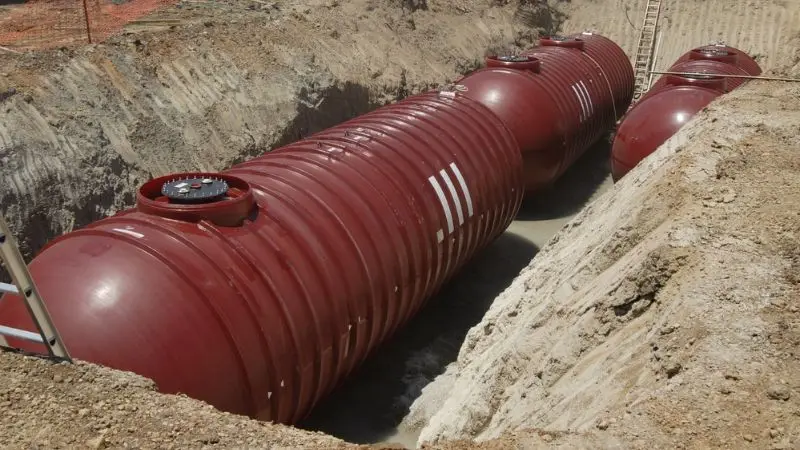
There are different kinds of tanks for storing gasoline. Each variety has unique features that make it well-suited to certain needs. Knowing about these choices can help you follow the rules and keep your fuel safe.
Above-Ground Storage Tanks (AST)
Above-ground storage tanks sit on the ground. You can quickly see and check them out. These tanks are good for farms, small enterprises, and residences. They come in many different sizes. You can rapidly find leaks or damage in an aboveground gas storage tank. You need to use secondary containment and follow fire safety rules to prevent spills from spreading. Learning how to store gasoline safely is especially important with above-ground tanks, as correct placement and handling reduce risks and ensure safe, efficient fuel storage.
Underground Storage Tanks (UST)
You can’t see underneath storage tanks. You utilize them to save space or keep the tank safe from the weather. Many petrol stations use this type of underground gasoline storage tank installation. You have to observe both EPA requirements and local laws. These tanks require specialized systems to detect leaks. It can be challenging to discover and clean up a spill. To keep soil and water safe, you need to utilize the right containment.
Portable Gasoline Storage Tanks
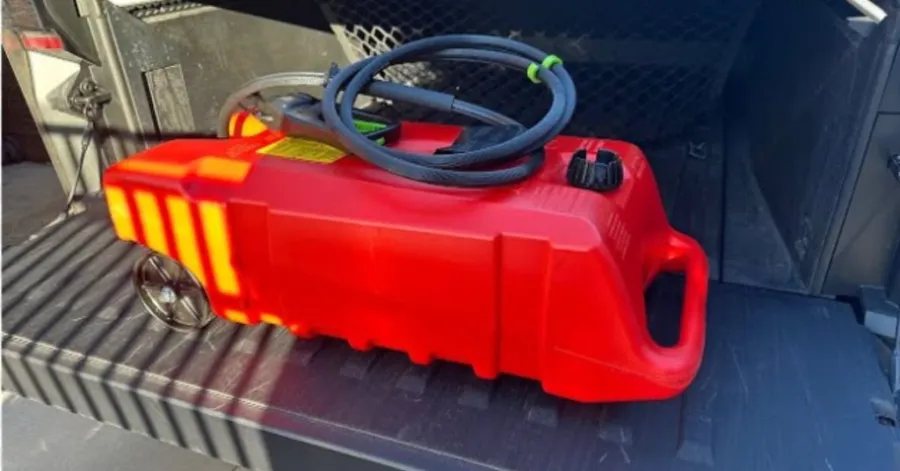
You can carry gasoline where you need it with portable tanks. You can use them for boats, lawn care tools, or backup generators. These tanks don’t carry as much fuel. You have to keep them away from fire and heat. Always keep portable tanks in a safe position to allow air to flow freely.
Double-Wall vs Single-Wall Tanks
You can store fuel in a tank with one wall or two walls. Double-wall tanks have two layers. A large capacity gasoline storage tank with a double-wall design offers added safety, as the extra layer provides better protection against leaks and supports secondary containment. Single-wall tanks are cheaper but provide less protection. If you want your gas to be as safe as possible, you should get a double-wall tank.
Key Features to Look for in a Gasoline Storage Tank
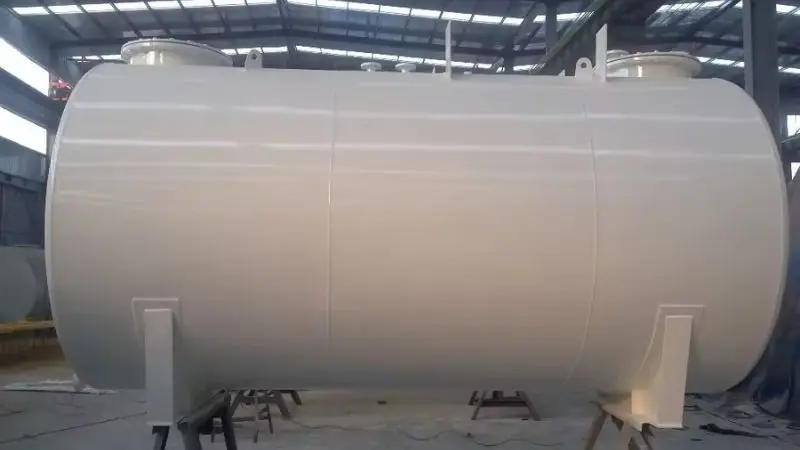
When you buy a gas tank, make sure it has features that keep your fuel safe and easy to use. Every function helps you keep your home and the environment safe.
Material (Steel vs Plastic/Polyethylene)
You can choose between steel and plastic (polyethylene) tanks. Steel tanks are tough and long-lasting. They are good for storing a lot of fuel. Plastic tanks are lighter and don’t corrode. It’s easier to relocate them. Both kinds must be safe. Understanding how to store gasoline safely includes choosing the right material and ensuring it complies with local regulations, as some areas have specific rules about which tank types are allowed for fuel storage.
Both steel and plastic can be used to make tanks, but each has its pros and cons. Steel tanks are strong and durable, making them ideal for heavy use. They are heavy, though, and can rust over time. Plastic tanks aren’t as strong as steel tanks, but they are lighter and don’t rust. They may also break under pressure.
Capacity and Size Options
You should choose a tank size that best fits your home gasoline storage tank. Small tanks can be used at home or on the go. Farms and companies can use big tanks. Before you buy, you should estimate your space. Check that the tank fits and gives enough room for safe access. Most tanks say how many gallons or liters they can hold.
Safety Features (Vents, Leak Detection, Fire Resistance)
Good safety features are essential when choosing a large capacity gasoline storage tank. Vents keep the pressure inside the tank from rising. Leak detection systems help you uncover problems before they get worse. Some tanks contain coatings that keep them from catching fire. If a fire starts, these coatings slow heat transfer. When you handle gasoline, you should always take safety precautions.
Corrosion Resistance and Durability
You want a tank that will last for a long time. To resist rust, steel tanks need coatings. Most chemicals won’t hurt plastic tanks. Both types need to be checked regularly for cracks and leaks. Strong tanks reduce the risk of spills and make them easier to contain. You need to check your fuel storage tank periodically to ensure it stays in good condition.
Gasoline Storage Tank Safety Guidelines
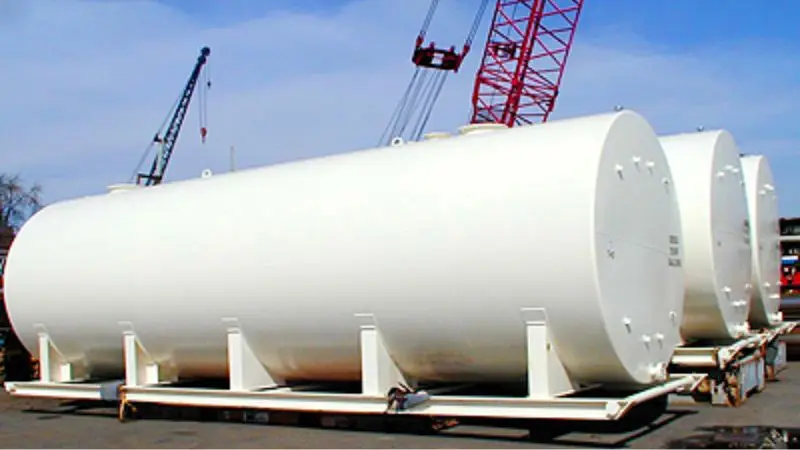
Proper Installation Practices
To store gasoline safely, always place your storage tank on level, sturdy ground to prevent movement or tipping. Choose a position far from buildings and busy areas. Obey all local laws and restrictions about storage. Use secondary containment to collect any leaks. Check to see that the tank can’t move or tip over. Check whether your underground fuel storage tank has leak-detecting equipment. When you put in the tank, always obey the fire codes.
Ventilation Requirements
Good airflow keeps fumes from building up. Place your portable gasoline storage tank for vehicles in a location that allows it to get fresh air. Don’t use locations that are closed or tight. Vent pipes help release pressure and prevent dangerous gases from entering the building. Air that moves about keeps you safe and healthy. Texas standards for storing fuel generally require that tanks have vents.
Fire Prevention Measures
If people follow safety standards, the risk of fire is lower. Do not let fire or heat come into contact with your tank. Put out fire equipment near the tank. If you utilize spill control to stop the leak, the fuel won’t spread. Check whether the paint on your tank is flammable. To keep your belongings secure, always obey the safety regulations and laws.
It’s vital to prevent fires from starting when you use an underground gasoline storage tank installation. Keeping the tank away from anything that could catch fire will reduce the risk of accidents. Fire suppression systems can help extinguish fires quickly. Applying a fire-resistant coating can help prevent heat buildup. Taking steps to limit a spill can prevent fuel from spreading, making the situation safer.
Regular Inspection and Maintenance Checklist
Regularly check your best gasoline storage tank for home for faults. Check for cracks, rust, or leaks. Check leak detection systems once a month. Make sure your vents are clean and not clogged. Look for any damage in the containment areas. Make a list of what you find and correct problems right away. Regular maintenance keeps your fuel storage safe and extends your tank’s lifespan.
Regulations and Compliance for Gasoline Storage Tanks
Local and International Safety Standards
There are safety rules you must follow when you store gasoline. These rules keep people and animals safe. The EPA makes many rules in the United States. You may also need to follow the building and fire rules in your area. The International Fire Code (IFC) contains many helpful tips. Check the rules every time before you buy or set up a tank.
Environmental Regulations
Following environmental regulations helps protect nature. These rules explain how to fix leaks and spills. You have to utilize both leak detection and secondary containment. Some regions need tanks with particular coatings or liners. Do not let gasoline come into contact with dirt or water. Report a spill right away if it happens. These methods help keep your town safe and reduce pollution.
Permits and Legal Requirements
You need permission to put something in a gas tank. In general, the people in charge in your area will want to see your ideas and then give them their stamp of approval. Please check everything before and after you set up the tank. If you live in some places, you have to tell the fire marshal or the environmental office about your reservoir. You need to keep track of the tune-ups and repairs. These steps show that you are following the rules for handling dangerous items and the law.
Installing a large capacity gasoline storage tank requires proper licensing and approvals. You need to obtain an installation permit from the local authority before installing the tank. After installation, you usually have to register with a state agency to make sure everything is up to code. The fire department checks the tank before it can be used to ensure it is safe and properly set up.
Penalties for Non-Compliance
If you don’t follow the fuel storage requirements, you could be in trouble. Fines can be very expensive. If there is a spill, you might have to pay for the cleanup. Some places won’t let you use your portable gasoline storage tank for vehicles unless you make some changes. Following all the rules keeps your business and the world safe. Learn about new rules regularly so you don’t get in trouble.
How to Choose the Right Gasoline Storage Tank
Assessing Your Storage Needs
You need to figure out how much gas you want to keep first. Make a list of all the cars, trucks, or generators that run on gasoline. Write down how often you fill them up. You need to plan for additional petrol if you utilize gasoline as a backup generator. You should also consider whether you need a tank for everyday wear or only for special occasions. Think about whether you need a tank that can be moved or one that stays put.
Budget Considerations
Before you acquire an underground gasoline storage tank installation, you should check your budget. Prices vary depending on the size, material, and safety features. Plastic tanks are cheaper than steel tanks, but steel tanks last longer. Double-wall tanks are more expensive than single-wall tanks but provide better protection. Put your choices in a table to see how they stack up.
Steel single-wall tanks are a mid-range option ($$) compared to other tank types. They last more than 10 years and are moderately safe. Steel double-wall tanks cost more ($$$), but they last more than 15 years and are safer. Plastic tanks are the cheapest ($) and usually last 5 to 10 years. However, they are not as safe as steel tanks.
Space and Location Factors
Before you go out and get a tank, be sure you know how much space you have. Make sure the portable gasoline storage tank for vehicles fits in the space correctly and that there is enough room for maintenance and safe access. To lower the risk, place the tank away from buildings, busy areas, and heat sources. Before you start digging, check the ground carefully to make sure there are no pipes or electrical lines in the area where you want to put the tank. To keep things safe and stop fumes from building up, there must be enough airflow. You should always observe the rules and laws in your area when choosing where to place your tank.
Conclusion
Choose a gasoline storage tank that meets all of your needs. Think about how much space you have and how much money you have. You need to check that the tank is set up correctly. When you install it, make sure you always follow the safety rules. Check your tank regularly for leaks or damage before they worsen. What new rules will be in place in your area in 2026? If you’re not sure about something, it’s advisable to ask a trusted source or an expert. You should check your storage area right away to see if any changes are needed.
FAQ
What is the safest way to store gasoline at home?
Always use approved containers or tanks. Keep them in a cool, dry place with good airflow. Store away from heat, sparks, and open flames. Check for leaks often.
How often should you inspect your gasoline storage tank?
You should inspect your tank at least once a month. Look for rust, cracks, or leaks. Test any alarms or leak detection systems. Write down your findings in a log.
Can you use a plastic tank for gasoline storage?
Yes, you can use a plastic tank if it is labeled for gasoline. Make sure it meets safety standards. Never use a tank made for water or other liquids.
What should you do if you find a leak in your tank?
- Stop using the tank right away.
- Move away from the area.
- Call your local fire department or environmental agency.
- Clean up spills only if it is safe to do so.