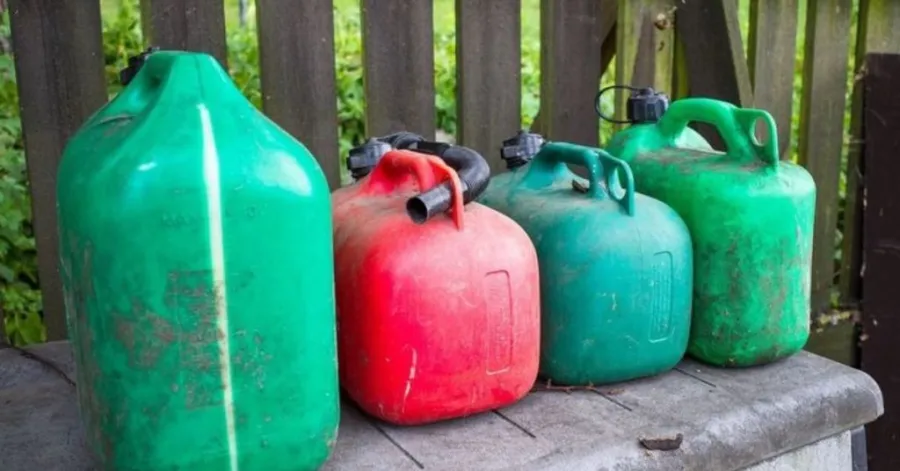
Do you want to safely store your extra fuel for your generator or business? You will need a perfect fuel storage container. A perfect container prevents any risk of leaks, fuel contamination, and fire. But don’t be overwhelmed by the perfect container. In this blog, we have tried to provide everything you need to know about a fuel storage container. You will also know how to store them properly. You will make a wise choice if you know the main features of the right container.
Types of Fuel Storage Containers Available
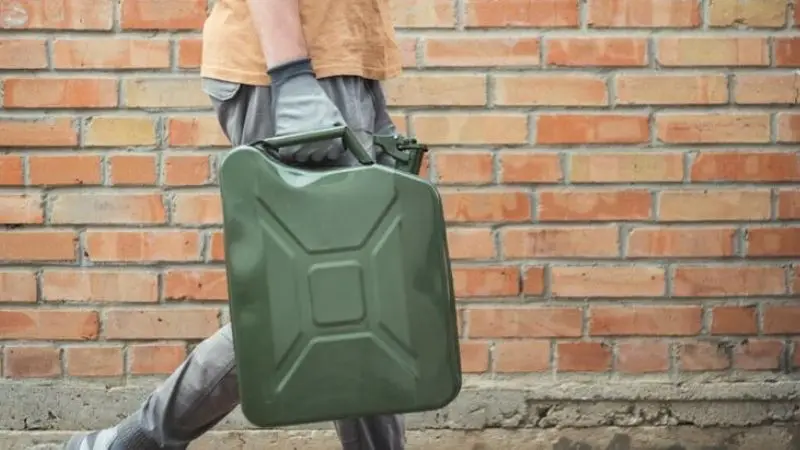
You can pick from many fuel storage containers. Let’s see which fuel storage containers are common for homes and businesses. Each fuel storage container has its own strengths and suits different needs.
Portable Fuel Cans
Portable fuel cans are useful for carrying small amounts of fuel. You can use them for gasoline, diesel, or kerosene. These cans are good for lawnmowers, generators, or small engines. They come in plastic or metal. You can move and store them easily. If you need diesel fuel storage for yard tools, portable cans are a simple choice.
Jerry Cans
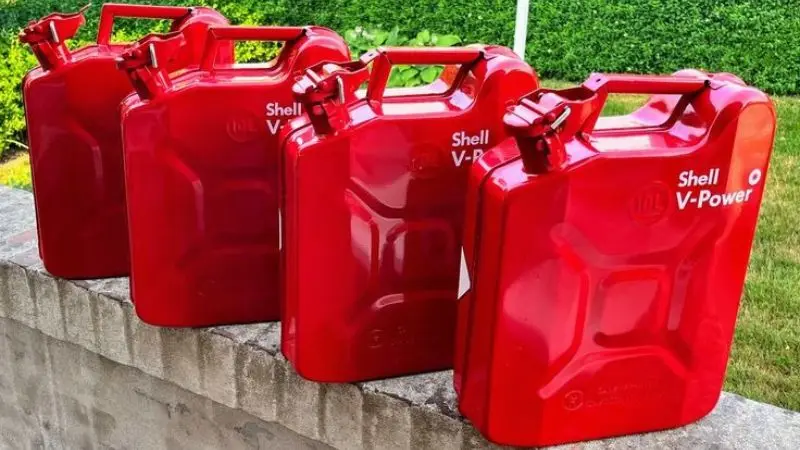
Jerry cans are strong and dependable. They are good fuel storage containers for diesel fuel, gasoline, or other fuels. They hold more fuel than portable cans. People use them in emergencies or on camping trips. Jerry cans have a sturdy handle and a tight cap. If you need the right fuel storage for your vehicle or backup generator, jerry cans give you more space.
Above-Ground Storage Tanks
Above-ground tanks are bigger and sit outside or inside your property. You use them for storing larger amounts of diesel fuel or gasoline. These tanks are good for farms, businesses, or workshops. They are easy to check and maintain. You can pick steel or plastic tanks. Above-ground tanks help you manage fuel storage solutions for commercial needs.
Underground Fuel Storage Tanks
Underground tanks are hidden below the ground. You use them when you need to store lots of fuel. Gas stations use underground tanks for diesel and gasoline. These tanks keep fuel safe from weather and temperature changes. You must follow strict rules for underground tanks to stop leaks.
Intermediate Bulk Containers (IBCs)
Intermediate Bulk Containers, or IBCs, are big, cube-shaped containers. You use them for diesel fuel storage and other fuels. If you are a business owner and want a high-capacity container to store and move from one place to another, you should go for IBCs. They are also easy to handle. You can ensure that you have enough fuel for your industrial equipment.
Key Factors to Consider When Choosing a Fuel Storage Container
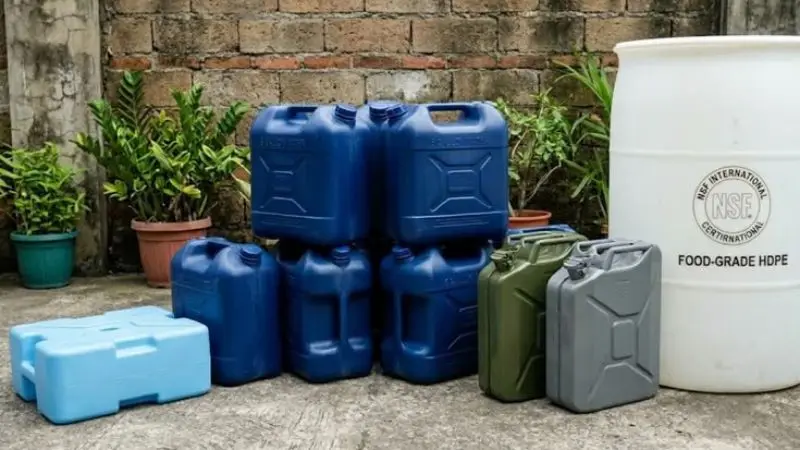
When you want the right fuel storage, consider a few important factors. Picking the best fuel storage container helps you avoid leaks and keeps your fuel safe. There are some features you should always check in your container when purchasing it. Some of them are:
Type of Fuel (Petrol, Diesel, Kerosene, etc.)
The type of fuel directly affects the type of container you will use. You will need a different type of container, whether you want to store diesel, petrol, or kerosene. Wrong container can risk safety problems. The right container keeps fuel clean. First, decide what you want to store, then search for a container specific to that fuel. This simple step is very important.
Storage Capacity Requirements
Think about how much fuel you need to store. Do you need a small can for your lawnmower or a big tank for diesel fuel storage at your business? This question matters most. If you choose the large capacity container but store less, it will be difficult to handle. You cannot carry it easily. If you accidentally choose a small container for your business purpose, then you will have to buy more. More containers, more difficulty in handling and storing.
Material (Plastic vs. Metal Containers)
You have to choose the right material for fuel storage tanks. Plastic is light and easy to carry. Metal is strong and lasts longer. Diesel fuel storage often works best in metal tanks because they handle rough weather. Always pick the material that fits your fuel storage needs and gives you reliability.
Durability and Weather Resistance
Your fuel storage container must handle sun, rain, and cold. Durable tanks last longer and protect your fuel. There are all types of materials available in the market. You should definitely find the rust-proof material. There are also UV-resistant fuel tank options on the market. They ensure the container remains in good condition under all weather conditions. Such a feature ensures the longevity of your container. Good material is also dent-proof. So always go for a container having such a durable structure.
Portability vs. Stationary Use
Ask yourself if you need to move your fuel or keep it in one spot. Portable cans work well for small jobs. Big tanks stay in one place for bulk diesel fuel storage. Your choice depends on your needs and how you use your fuel storage solutions. If you want to move fuel more often, go for a portable option.
Safety Features to Look For in Fuel Containers
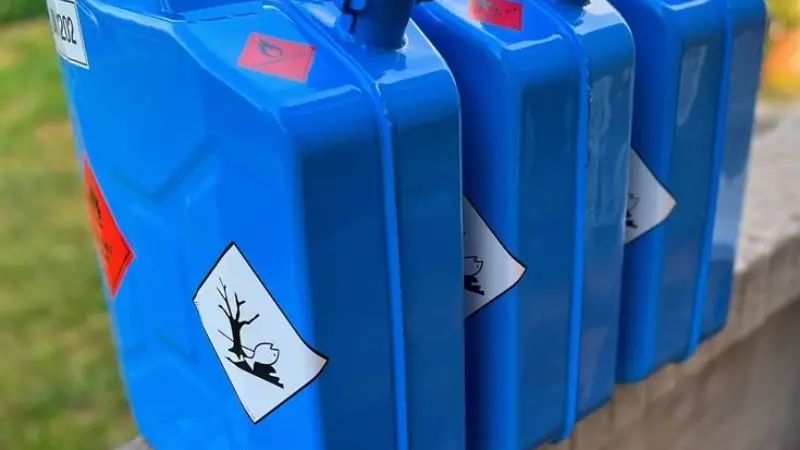
When you pick a fuel storage container, you want to keep your fuel safe and avoid problems. The right safety features make a big difference. Let’s look at what you should check before you buy.
Leak-Proof Design
You do not want leaks in your tank. Leaks waste fuel and can cause big safety risks. Always choose a container with a leak-proof seal. This keeps your diesel fuel storage clean and stops spills. If you see any cracks or damage, replace the container right away.
Flame Arrestors
A flame arrestor prevents fire from entering your fuel storage solutions. This small part blocks sparks and flames. You need this feature for diesel and other fuels. It helps protect your property and gives you peace of mind.
Child Safety Caps
If you have kids in your home, you must know it is difficult to keep anything safe from their curiosity. In that case, you will need child safety caps. These caps cannot be opened by kids. For home storage of fuel, never forget this feature.
Venting Systems
Stored fuel releases vapors in the container. If your container doesn’t have a venting system, it will result in leakage of fumes and may start a fire. Fire in the fuel storage is very difficult to handle, so always choose the container with vents. These vents reduce the pressure inside the tank and keep it properly stored. This feature works best for the safety of your property.
Certification and Compliance Standards
You want reliability from your fuel storage container. Always check for labels indicating the container meets safety standards. Certified containers follow strict standards for diesel and other fuels. It ensures you can use the container knowing it will be safe for you. You can also transport such containers without any risk.
Understanding Fuel Storage Regulations and Compliance
When you keep fuel, you must follow safety rules. These rules help stop accidents and protect your things. Let’s see what you should know about fuel storage laws.
Local and International Safety Standards
Every city or country has its own safety rules for fuel. In the United States, groups such as OSHA and NFPA set these rules. Other countries have different laws. These rules tell you how to use a fuel storage container, where to put your tank, and how to handle diesel. If you use diesel fuel storage at home or work, check your local rules first. Some rules also say how to build and test tanks for diesel and other fuels.
Storage Limits for Residential vs. Commercial Use
You can’t keep as much fuel at home as at a business. Most homes have strict limits for diesel and gasoline. For example, you might only keep a few gallons of diesel in small cans. Businesses can use larger tanks to store more diesel fuel, but they must follow additional rules. These rules help lower the risk of fire or spills. Always check the allowed amount for your area before you buy a tank. For residential areas, the allowed diesel is 10 gallons, and the maximum gaslined which is allowed is 5 gallons. But for commercial purposes, the allowed diesel amount is raised to 500+ gallons. The maximum gasoline level for commercial purposes is 250+ gallons.
Proper Labeling and Handling Requirements
You must label every tank and can that holds fuel. Labels should show the type of fuel, like diesel or gasoline. This helps you avoid mixing up fuels by mistake. Good labels also warn others about dangers. When you handle diesel, wear gloves and keep the area clean. Never smoke near diesel fuel storage or any fuel. Safe handling keeps you and your family safe.
Conclusion
Choosing the right fuel storage container keeps you safe and makes life easier. Just focus on the size and type of the container. Also, don’t forget the safety features and your local rules. This makes sure you have purchased the right option. You can also avoid accidents by making a good choice when making a purchase. Also, proper storage is essential. Handle it carefully and store it in a room with proper ventilation.
FAQ
How long can you store fuel in a container?
You can store fuel for a longer period only if you store it properly. If you keep the container away from sunlight and keep it sealed, you can store gasoline for up to 6 months and diesel for about 12 months. Before use, you can also check the smell and color of the fuel to ensure it is clean.
Can you use any plastic container for fuel storage?
No, please use only containers labeled for fuel. Regular plastic can break down and leak. Certified fuel containers keep you safe and help you comply with the law.
What should you do if your fuel container leaks?
Drain the container immediately and move it to some other location. Properly clean any spill from leakages. Put fuel in a new certified container.
Is it safe to store fuel in your car trunk?
You should avoid storing fuel in your car trunk. Heat can build up and cause pressure. This increases the risk of leaks or fire. Store fuel in a cool, ventilated place instead.