Food preservation is a very important aspect of our daily life that helps keep food fresh and safe, allowing it to last longer. It reduces food waste, saves money, and improves food management in homes. Food preservation is a thriving practice worldwide, with a wide range of techniques, including traditional methods such as drying and fermentation, as well as modern methods such as refrigeration, freezing, and the use of a vacuum sealer.
Knowledge of these techniques simplifies selecting the appropriate storage facility for different foods. This is true whether you are storing fruits, vegetables, meat, or leftovers; proper food preservation methods are crucial to maintaining quality, nutrition, and safety in our everyday cooking and storage practices.
- Why Food Preservation Is Important in Daily Life
- Traditional Food Preservation Methods Used at Home Without Machines
- Modern Food Preservation Methods Used in Everyday Life
- Best Food Preservation Methods for Different Types of Food
- Why Vacuum Sealing Is One of the Best Long-Term Storage Methods
- Why Food Preservation Is Important in Daily Life
- Traditional Food Preservation Methods Used at Home Without Machines
- Modern Food Preservation Methods Used in Everyday Life
- Best Food Preservation Methods for Different Types of Food
- Why Vacuum Sealing Is One of the Best Long-Term Storage Methods
- Common Mistakes in Food Preservation That Can Spoil Food Quickly
Why Food Preservation Is Important in Daily Life
The role of food preservation in day-to-day kitchen life is very significant, as it keeps food fresh, safe, and usable for longer. It also helps with better planning in households where food is cooked and stored for later use. The more people grasp the concept of preservation, the less waste, less money, and less compromise in food quality. All these advantages make daily cooking easier and more efficient for the family.
The following are the key reasons why food preservation is such a big deal, both theoretically and practically.
How Food Preservation Helps Reduce Food Waste at Home
One of the greatest advantages of learning preservation skills is reducing food waste. Most families end up disposing of food because it spoils easily, yet with proper storage, this issue can be addressed. Fruits, vegetables, and cooked food can be stored properly and will last longer. This is when the how-to for preserving food at home without a fridge comes in extremely handy, in situations where there is no fridge available or where electricity is limited.
Preservation habits are also good practices that help people use food more wisely. They can preserve and reuse the leftovers without the risk of contamination. This would not only be cost-effective but also help reduce pressure on natural resources used in food production.
How Food Preservation Keeps Food Safe from Bacteria and Spoilage
Food safety is a very important reason for using preservation methods. Bacteria may multiply rapidly and cause food to spoil when food is not properly covered or stored. This can render food unfit to consume and can result in health issues. Proper storage methods can slow this process and keep food fresh and in good condition longer.
Most individuals are taught methods of preserving food to understand how to protect it from contamination. Such simple measures as drying, cooling, or proper sealing of food can go a long way in regard to safety. Proper storage and clean handling of food will ensure it remains nutritious and safe for everyday use.
How Food Preservation Helps Save Money and Improve Storage Habits
Another great benefit of food preservation is saving money. The long shelf life of food means the family doesn’t need to go to the shops as often, which will help reduce monthly bills. Proper storage also avoids unwarranted waste, so every ingredient is used more effectively. That is why most households adhere to effective food preservation techniques for long-term storage, keeping food usable for several weeks or even months.
Proper storage practices also help keep the kitchen organized. Individuals can prepare meals in advance and avoid last-minute grocery store purchases. In the long term, this will result in smarter kitchen routines that are both feasible and economical.
How Food Preservation Extends the Shelf Life of Everyday Foods
Shelf life extension is the ability to keep food fresh and usable for longer without it becoming unfit. This comes in handy for busy households that are unable to purchase fresh food every day. Various techniques have been around for centuries, and now we are much more aware of both old and new ones. Numerous sources discuss conventional and contemporary food preservation techniques, providing guidance on selecting the appropriate method for different foods.
There are preservation methods that are entirely natural and do not involve chemicals. These include drying, salting, and sun-based methods, which are safe and straightforward. Indeed, natural food preservation techniques for fruits and vegetables are particularly useful for preserving food healthily, without sacrificing taste or nutrients, for longer periods.
Traditional Food Preservation Methods Used at Home Without Machines
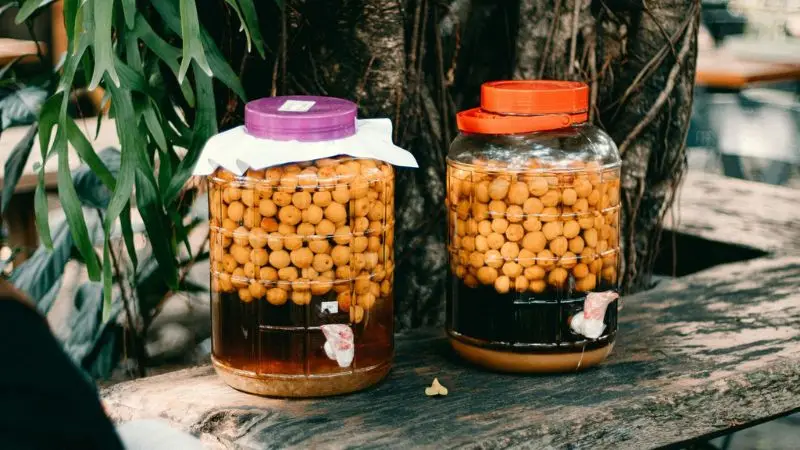
Food conservation is a simple method people have practiced for many years to preserve food without modern technology. These techniques remain effective today because they are simple, natural, and inexpensive. They assisted families in keeping food in a safe environment and minimizing waste in daily life. With the explanation of traditional and modern methods of food preservation, it becomes easier to comprehend how the old methods continue to work today. The techniques are also a significant component of simple food preservation techniques practiced worldwide.
Here are a few of the more common, traditional practices, as described in a very concise and straightforward manner.
Drying and Dehydration Method: How Removing Water Helps Food Last Longer
The simple technique of drying food involves removing water from the food to prevent it from spoiling. Bacteria and mold cannot grow without moisture, which helps food to last longer. This technique is quite beneficial for individuals who want to know how to store food at home without refrigeration, as it requires no electricity or special tools.
There are numerous foods that are easily dried at home. Commonly dried fruits include mangoes, apples, and bananas. This can also be used to preserve vegetables and herbs. After drying, the food can be kept for months and is safe to consume.
Salting and Curing Method: How Salt Protects Food from Spoilage
In Salting and curing, salt is used to ensure that food is safe and has a long shelf life. Salt also removes moisture from food and prevents bacterial growth. This has made it one of the best food preservation methods for meat and fish over a long period of time.
Foods such as salted fish and cured meats were used centuries ago. They can be kept without refrigeration, and they are still safe to consume. It is easy and efficient, and it adds flavor to food, making it very popular.
Fermentation Method: How Good Bacteria Help Preserve Food Naturally
Fermentation is a natural process in which beneficial bacteria are used to preserve food. These useful bacteria prevent the growth of harmful bacteria and prolong the shelf life of food. It is among the most helpful natural food preservation techniques for fruits and vegetables since it enhances both safety and nutrition.
Commonly fermented foods include yogurt, pickles, kimchi, and sauerkraut. Not only do such foods remain fresher longer, but they also acquire their own distinct taste. The use of fermentation remains common due to its natural, healthy, and convenient home-based process.
Modern Food Preservation Methods Used in Everyday Life
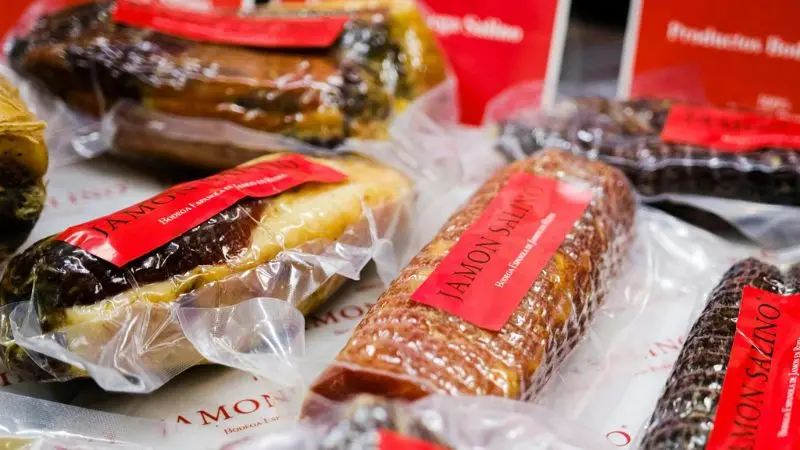
Modern food preservation methods use basic equipment and techniques to extend food freshness. Many of these practices are common in households as they are simple, speedy, and productive. They assist in retarding spoilage, preserving food, and making everyday food storage easier. Knowledge of traditional and modern methods of food preservation will help people understand how modern solutions enhance food storage. Methods are also a major component of food preservation techniques in kitchens today.
Some of the usual modern techniques are explained below in a very easy, understandable manner.
Refrigeration and Freezing Keep Food Fresh Using Cold Temperatures
The most prevalent methods of storing food at home are refrigeration and freezing. These are the processes that involve cold temperatures to reduce the growth rate of bacteria and thus to make food remain fresh longer. It can be used by people learning how to preserve food at home without refrigeration, helping them gain insight into the importance of temperature and other alternatives when refrigeration is unavailable.
Short-term storage, such as fruits, vegetables, and cooked food, is stored in a refrigerator. A freezer operates at considerably lower temperatures and is more suitable for storing meat and other frozen products for extended periods. Both are easy and extremely practical to use in everyday life.
Vacuum Sealing Removes Air to Make Food Last Longer
A current technique is vacuum sealing, where the air is pumped out of food packaging, and then it is tightly closed. Without air, bacteria and molds cannot grow as easily, helping food be preserved much longer. This is one of the best food preservation methods for long-term storage, particularly for storing food in an organized manner.
It is effective with meat, vegetables, and even leftovers. A vacuum sealer is also used to preserve the original flavor and texture of food. It is used by many people with refrigeration or freezing to further increase the storage time.
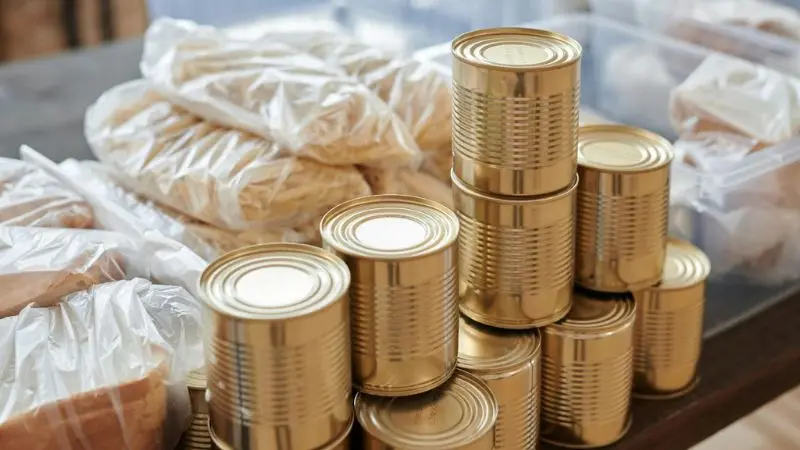
Canning and Bottling Store Food Safely in Airtight Containers
Canning and bottling are processes in which food is heated and placed in jars or bottles to preserve its freshness. The heat kills toxic bacteria, and an airtight seal prevents any new bacteria from entering. This enables food to be stored safely for a long time without spoiling.
These are mostly applied to fruits, vegetables, sauces, and jams. They are commonly used in traditional and modern food preservation methods, as they involve both old and new approaches. Canning and bottling are good and popular techniques to store food long-term at home.
Best Food Preservation Methods for Different Types of Food
Various foods require different preservation methods to remain fresh, safe, and usable for longer periods. Applying the correct method helps preserve the taste, texture, and nutrition. There are foods that require natural processes, and others that require cold preservation or modern equipment. Knowledge of the traditional and modern food preservation techniques described helps people make the most appropriate choice among the identified techniques. All of these are methods used daily for home food preservation.
The following are the most effective preservation techniques for various kinds of food.
Fruits and Vegetables Stay Fresh Longer with Drying, Cooling, and Vacuum Sealing
Careful handling of fruits and vegetables is essential to preserve their freshness and nutrient value. Drying is an easy process that removes moisture and helps food last longer. Refrigeration is applicable in short-term storage, particularly to leafy greens and soft fruits. Vacuum sealing is a new technique where air is removed, and the food is kept longer without going bad.
The reason why many people choose natural methods of preserving fruits and vegetables is that they are safe and free of chemicals. Techniques such as sun drying and proper storage can ensure quality. The proper method makes fruits and vegetables fresh, healthy, and ready to use over a longer period.
Meat and Seafood Stay Safe Longer with Freezing, Vacuum Sealing, and Curing
Meat and seafood spoil easily, thus they require strong preservation techniques in order to stay safe. One of the most effective methods for preserving them for a long time is freezing, as it delays bacterial growth. Vacuum sealer provides an added level of protection by removing air, which helps prevent freezer burn and keeps food fresher.
Salt curing is also a traditional method that helps preserve meat in a safe environment. These are regarded as some of the most effective food preservation techniques for long-term food storage since they preserve the quality and safety of food. Proper storage and handling are essential to prevent contamination and keep food safe to consume.
Dairy and Cooked Food Stay Fresh with Refrigeration and Proper Sealing
Dairy products and cooked food need to be properly stored to remain fresh and safe. The most significant procedure is refrigeration, as it slows spoilage and helps keep food fresh for several days. Foods can be sealed in airtight containers or vacuum bags to avoid exposure to the air and bacteria.
Some people look for ways to preserve food at home without refrigeration, although there are very few options for preserving dairy. The solutions are very limited and only work for a limited period. Some basic techniques, such as storing food in a cool and shaded area, can be used as a temporary measure. Nonetheless, it is best to store dairy and prepared foods properly, by cooling and sealing them, which is the safest and most effective way to do so.
Why Vacuum Sealing Is One of the Best Long-Term Storage Methods
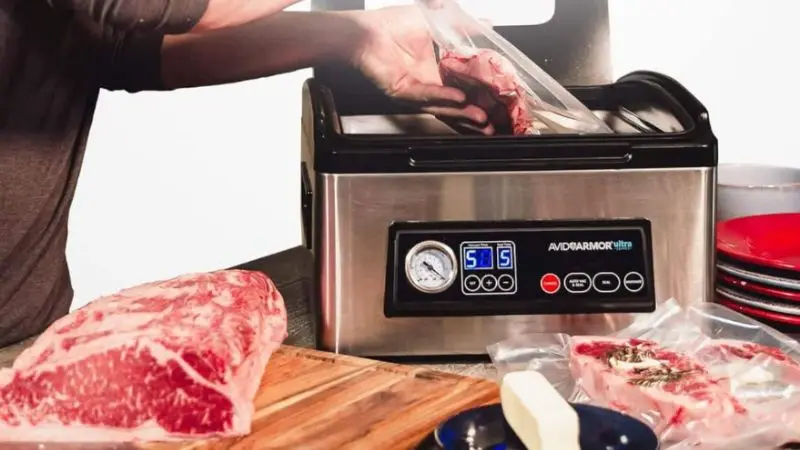
Vacuum sealing is a modern technique that helps store food for longer by removing air and sealing it tightly. It is also popular at home, as it enhances the quality of stored food and reduces the amount of food discarded. Although numerous methods of food preservation exist, vacuum sealing can be used effectively in conjunction with other methods. The knowledge of traditional and modern food preservation methods described can help people to see how vacuum sealing can fit in with drying, freezing, and canning in a practical manner.
Vacuum Sealing Compared to Drying, Freezing, and Canning Methods
The various preservation methods have different effects, and each has its merits. Drying and freezing are used to prevent bacterial growth by removing moisture and slowing it at low temperatures, respectively. Canning uses heat and airtight containers to preserve food for a long time. The principle of the vacuum sealer is to remove air, thereby inhibiting oxidation and slowing spoilage.
Unlike drying, it preserves the food’s original texture. It provides added protection against freezer burn as compared to freezing. It may also aid in canning by enhancing storage prior to sealing. This is one of the most effective long-term food preservation techniques when used properly.
Food preservation is a very important aspect of our daily life that helps keep food fresh and safe, allowing it to last longer. It reduces food waste, saves money, and improves food management in homes. Food preservation is a thriving practice worldwide, with a wide range of techniques, including traditional methods such as drying and fermentation, as well as modern methods such as refrigeration, freezing, and the use of a vacuum sealer.
Knowledge of these techniques simplifies selecting the appropriate storage facility for different foods. This is true whether you are storing fruits, vegetables, meat, or leftovers; proper food preservation methods are crucial to maintaining quality, nutrition, and safety in our everyday cooking and storage practices.
Why Food Preservation Is Important in Daily Life
The role of food preservation in day-to-day kitchen life is very significant, as it keeps food fresh, safe, and usable for longer. It also helps with better planning in households where food is cooked and stored for later use. The more people grasp the concept of preservation, the less waste, less money, and less compromise in food quality. All these advantages make daily cooking easier and more efficient for the family.
The following are the key reasons why food preservation is such a big deal, both theoretically and practically.
How Food Preservation Helps Reduce Food Waste at Home
One of the greatest advantages of learning preservation skills is reducing food waste. Most families end up disposing of food because it spoils easily, yet with proper storage, this issue can be addressed. Fruits, vegetables, and cooked food can be stored properly and will last longer. This is when the how-to for preserving food at home without a fridge comes in extremely handy, in situations where there is no fridge available or where electricity is limited.
Preservation habits are also good practices that help people use food more wisely. They can preserve and reuse the leftovers without the risk of contamination. This would not only be cost-effective but also help reduce pressure on natural resources used in food production.
How Food Preservation Keeps Food Safe from Bacteria and Spoilage
Food safety is a very important reason for using preservation methods. Bacteria may multiply rapidly and cause food to spoil when food is not properly covered or stored. This can render food unfit to consume and can result in health issues. Proper storage methods can slow this process and keep food fresh and in good condition longer.
Most individuals are taught methods of preserving food to understand how to protect it from contamination. Such simple measures as drying, cooling, or proper sealing of food can go a long way in regard to safety. Proper storage and clean handling of food will ensure it remains nutritious and safe for everyday use.
How Food Preservation Helps Save Money and Improve Storage Habits
Another great benefit of food preservation is saving money. The long shelf life of food means the family doesn’t need to go to the shops as often, which will help reduce monthly bills. Proper storage also avoids unwarranted waste, so every ingredient is used more effectively. That is why most households adhere to effective food preservation techniques for long-term storage, keeping food usable for several weeks or even months.
Proper storage practices also help keep the kitchen organized. Individuals can prepare meals in advance and avoid last-minute grocery store purchases. In the long term, this will result in smarter kitchen routines that are both feasible and economical.
How Food Preservation Extends the Shelf Life of Everyday Foods
Shelf life extension is the ability to keep food fresh and usable for longer without it becoming unfit. This comes in handy for busy households that are unable to purchase fresh food every day. Various techniques have been around for centuries, and now we are much more aware of both old and new ones. Numerous sources discuss conventional and contemporary food preservation techniques, providing guidance on selecting the appropriate method for different foods.
There are preservation methods that are entirely natural and do not involve chemicals. These include drying, salting, and sun-based methods, which are safe and straightforward. Indeed, natural food preservation techniques for fruits and vegetables are particularly useful for preserving food healthily, without sacrificing taste or nutrients, for longer periods.
Traditional Food Preservation Methods Used at Home Without Machines
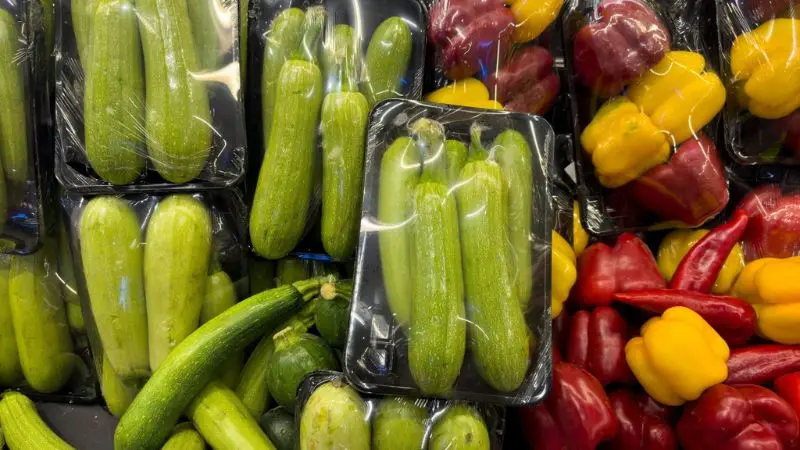
Food conservation is a simple method people have practiced for many years to preserve food without modern technology. These techniques remain effective today because they are simple, natural, and inexpensive. They assisted families in keeping food in a safe environment and minimizing waste in daily life. With the explanation of traditional and modern methods of food preservation, it becomes easier to comprehend how the old methods continue to work today. The techniques are also a significant component of simple food preservation techniques practiced worldwide.
Here are a few of the more common, traditional practices, as described in a very concise and straightforward manner.
Drying and Dehydration Method: How Removing Water Helps Food Last Longer
The simple technique of drying food involves removing water from the food to prevent it from spoiling. Bacteria and mold cannot grow without moisture, which helps food to last longer. This technique is quite beneficial for individuals who want to know how to store food at home without refrigeration, as it requires no electricity or special tools.
There are numerous foods that are easily dried at home. Commonly dried fruits include mangoes, apples, and bananas. This can also be used to preserve vegetables and herbs. After drying, the food can be kept for months and is safe to consume.
Salting and Curing Method: How Salt Protects Food from Spoilage
In Salting and curing, salt is used to ensure that food is safe and has a long shelf life. Salt also removes moisture from food and prevents bacterial growth. This has made it one of the best food preservation methods for meat and fish over a long period of time.
Foods such as salted fish and cured meats were used centuries ago. They can be kept without refrigeration, and they are still safe to consume. It is easy and efficient, and it adds flavor to food, making it very popular.
Fermentation Method: How Good Bacteria Help Preserve Food Naturally
Fermentation is a natural process in which beneficial bacteria are used to preserve food. These useful bacteria prevent the growth of harmful bacteria and prolong the shelf life of food. It is among the most helpful natural food preservation techniques for fruits and vegetables since it enhances both safety and nutrition.
Commonly fermented foods include yogurt, pickles, kimchi, and sauerkraut. Not only do such foods remain fresher longer, but they also acquire their own distinct taste. The use of fermentation remains common due to its natural, healthy, and convenient home-based process.
Modern Food Preservation Methods Used in Everyday Life
Modern food preservation methods use basic equipment and techniques to extend food freshness. Many of these practices are common in households as they are simple, speedy, and productive. They assist in retarding spoilage, preserving food, and making everyday food storage easier. Knowledge of traditional and modern methods of food preservation will help people understand how modern solutions enhance food storage. Methods are also a major component of food preservation techniques in kitchens today.
Some of the usual modern techniques are explained below in a very easy, understandable manner.
Refrigeration and Freezing Keep Food Fresh Using Cold Temperatures
The most prevalent methods of storing food at home are refrigeration and freezing. These are the processes that involve cold temperatures to reduce the growth rate of bacteria and thus to make food remain fresh longer. It can be used by people learning how to preserve food at home without refrigeration, helping them gain insight into the importance of temperature and other alternatives when refrigeration is unavailable.
Short-term storage, such as fruits, vegetables, and cooked food, is stored in a refrigerator. A freezer operates at considerably lower temperatures and is more suitable for storing meat and other frozen products for extended periods. Both are easy and extremely practical to use in everyday life.
Vacuum Sealing Removes Air to Make Food Last Longer
A current technique is vacuum sealing, where the air is pumped out of food packaging, and then it is tightly closed. Without air, bacteria and molds cannot grow as easily, helping food be preserved much longer. This is one of the best food preservation methods for long-term storage, particularly for storing food in an organized manner.
It is effective with meat, vegetables, and even leftovers. A vacuum sealer is also used to preserve the original flavor and texture of food. It is used by many people with refrigeration or freezing to further increase the storage time.
Canning and Bottling Store Food Safely in Airtight Containers
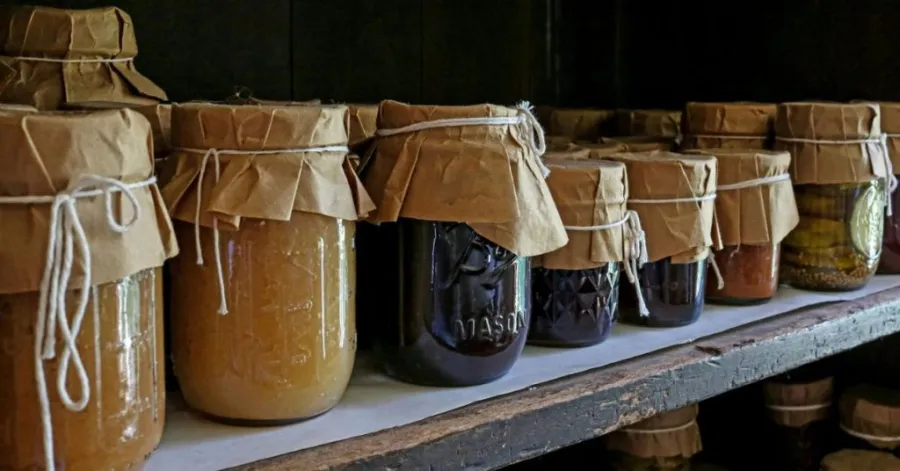
Canning and bottling are processes in which food is heated and placed in jars or bottles to preserve its freshness. The heat kills toxic bacteria, and an airtight seal prevents any new bacteria from entering. This enables food to be stored safely for a long time without spoiling.
These are mostly applied to fruits, vegetables, sauces, and jams. They are commonly used in traditional and modern food preservation methods, as they involve both old and new approaches. Canning and bottling are good and popular techniques to store food long-term at home.
Best Food Preservation Methods for Different Types of Food
Various foods require different preservation methods to remain fresh, safe, and usable for longer periods. Applying the correct method helps preserve the taste, texture, and nutrition. There are foods that require natural processes, and others that require cold preservation or modern equipment. Knowledge of the traditional and modern food preservation techniques described helps people make the most appropriate choice among the identified techniques. All of these are methods used daily for home food preservation.
The following are the most effective preservation techniques for various kinds of food.
Fruits and Vegetables Stay Fresh Longer with Drying, Cooling, and Vacuum Sealing
Careful handling of fruits and vegetables is essential to preserve their freshness and nutrient value. Drying is an easy process that removes moisture and helps food last longer. Refrigeration is applicable in short-term storage, particularly to leafy greens and soft fruits. Vacuum sealing is a new technique where air is removed, and the food is kept longer without going bad.
The reason why many people choose natural methods of preserving fruits and vegetables is that they are safe and free of chemicals. Techniques such as sun drying and proper storage can ensure quality. The proper method makes fruits and vegetables fresh, healthy, and ready to use over a longer period.
Meat and Seafood Stay Safe Longer with Freezing, Vacuum Sealing, and Curing
Meat and seafood spoil easily, thus they require strong preservation techniques in order to stay safe. One of the most effective methods for preserving them for a long time is freezing, as it delays bacterial growth. Vacuum sealer provides an added level of protection by removing air, which helps prevent freezer burn and keeps food fresher.
Salt curing is also a traditional method that helps preserve meat in a safe environment. These are regarded as some of the most effective food preservation techniques for long-term food storage since they preserve the quality and safety of food. Proper storage and handling are essential to prevent contamination and keep food safe to consume.
Dairy and Cooked Food Stay Fresh with Refrigeration and Proper Sealing
Dairy products and cooked food need to be properly stored to remain fresh and safe. The most significant procedure is refrigeration, as it slows spoilage and helps keep food fresh for several days. Foods can be sealed in airtight containers or vacuum bags to avoid exposure to the air and bacteria.
Some people look for ways to preserve food at home without refrigeration, although there are very few options for preserving dairy. The solutions are very limited and only work for a limited period. Some basic techniques, such as storing food in a cool and shaded area, can be used as a temporary measure. Nonetheless, it is best to store dairy and prepared foods properly, by cooling and sealing them, which is the safest and most effective way to do so.
Why Vacuum Sealing Is One of the Best Long-Term Storage Methods
Vacuum sealing is a modern technique that helps store food for longer by removing air and sealing it tightly. It is also popular at home, as it enhances the quality of stored food and reduces the amount of food discarded. Although numerous methods of food preservation exist, vacuum sealing can be used effectively in conjunction with other methods. The knowledge of traditional and modern food preservation methods described can help people to see how vacuum sealing can fit in with drying, freezing, and canning in a practical manner.
Vacuum Sealing Compared to Drying, Freezing, and Canning Methods
The various preservation methods have different effects, and each has its merits. Drying and freezing are used to prevent bacterial growth by removing moisture and slowing it at low temperatures, respectively. Canning uses heat and airtight containers to preserve food for a long time. The principle of the vacuum sealer is to remove air, thereby inhibiting oxidation and slowing spoilage.
Unlike drying, it preserves the food’s original texture. It provides added protection against freezer burn as compared to freezing. It may also aid in canning by enhancing storage prior to sealing. This is one of the most effective long-term food preservation techniques when used properly.
@meatfreakz Replying to @christophersowers29 will it seal a 3.5 pound pork loin 🤷🏻♂️ @Vevor_US #kitchengadgets #kitchenequipment #food #meat
♬ original sound – MeatFreakz
Airtight Storage Helps Keep Food Fresh and Safe for Longer Periods
The primary advantage of vacuum sealing is air-tight storage. The removal of air makes it difficult for bacteria and mold to develop, which helps food last longer. This also helps in keeping food dry and free of external contamination. The natural taste, texture, and nutrients of food are better preserved by Airtight sealing than most basic methods.
This is a good way to preserve most foods, such as fruits, vegetables, meat, and leftovers. It also helps organize storage efficiently and cleanly. Due to these benefits, it is common to use vacuum sealing alongside other food preservation methods to achieve better results.
Vacuum Sealing Works Best When Combined with Other Preservation Methods
Vacuum sealing is best used alongside other preservation methods. For example, storage time can be extended by sealing food before freezing. Refrigeration can also be used for short-term storage or drying to provide greater protection. This renders it a versatile and handy technique in day-to-day life.
It does not fully replace all techniques; however, it assists most of them and enhances their performance. This is the reason why it is commonly used in the conventional and modern food preservation techniques, described as a trustworthy and viable alternative to long-term food preservation.
Common Mistakes in Food Preservation That Can Spoil Food Quickly
Preserving food helps, but a few mistakes can cause spoilage and waste. People can be guided by various food preservation practices, yet still experience issues with storage and handling. The knowledge of these errors can lead to better food safety and storage outcomes. Once individuals learn about traditional and modern food preservation techniques, they know what to avoid. Repairing these common problems can help food last longer and remain safe for everyday use.
Some of the most common mistakes are explained in a simple and clear manner, provided below.
Improper Storage Temperatures Can Cause Food to Spoil Faster
Temperature is of great significance in the preservation of food. If food is kept at an inappropriate temperature, bacteria may proliferate rapidly and spoil it. For example, when perishable food is stored outside for too long, it becomes unsafe to consume. That is why it is necessary to properly cool or freeze various items.
Individuals learning how to store food without refrigeration in their home should be particularly sensitive to temperature changes. Risk can be mitigated by using shaded areas or fast intake of food and beverages. Proper temperature control can also be used to maintain the freshness and safety of food.
Poor Packaging and sealing allow air and Bacteria to Enter Food
Another consideration when it comes to food preservation is packaging. Unless food is properly sealed, it can be exposed to air and moisture that will cause it to spoil. This results in loss of freshness, taste, and safety. This can be avoided using airtight containers or using proper sealing techniques.
Recent equipment, such as vacuum sealers, comes in very handy since they remove all air. This helps with the most effective food preservation techniques for long-term storage by extending shelf life. Quality is preserved by good packaging, and the risk of contamination is low.
Storing Food for Too Long Reduces Quality and Safety
There is even a limit to the storage duration of preserved food. Storing food for long periods can lead to a loss of taste, texture, and nutritional value. Eating can also prove to be unsafe in other cases. It is a common error that many individuals make when they fail to check the storage time.
Shelf life varies by food, so it is advisable to follow proper guidelines. Studying traditional and modern methods of food preservation, as explained, helps people understand the duration of each method for safely preserving food. Cooking food within the appropriate time makes it fresh and healthy.
Ignoring Hygiene Practices Can Lead to Food Contamination
Hygiene plays a major role in food preservation. Unless hands, tools, or storage containers are clean, it is easy to contaminate food with bacteria. This can result in food spoilage and may also cause health issues.
Such basic practices as hand washing, washing containers, and cleaning surfaces can go a long way. These are particularly important when applying natural food preservation techniques to fruits and vegetables without chemicals. Keeping clean will keep food safe, fresh, and ready to eat.
Wrap Up
Preserving food is a significant aspect of daily life because it helps reduce waste, save money, and extend shelf life. From ancient practices such as drying and fermentation to modern methods such as refrigeration and vacuum sealing, each has its advantages. Knowledge of traditional and modern food preservation techniques enables individuals to select the appropriate method for various foods and contexts.
The best course of action is moderate. A combination of natural methods and modern devices can enhance food preservation outcomes. The aim of preserving food, whether long-term using the best food preservation methods or short-term using simple methods, is to ensure that food is kept fresh, safe, and ready to use whenever needed.
FAQ
What are the best food preservation methods at home?
Preservation is another term that is used to describe food preservation. Some of the best food preservation methods are drying, refrigeration, freezing, fermentation, and vacuum sealing. The methods operate differently; therefore, the choice of the appropriate method will depend on the type of food you plan to store.
What do I do to store food at home without refrigeration?
You can either dry, salt, ferment, or store food in a cool and shaded environment. The methods can be applied to individuals learning to store food at home without a refrigerator, particularly in places with limited power supply.
Which is the best method of long-term food storage?
Freezing, vacuum sealing, and canning are the most preferred food preservation methods for long-term storage, as they help maintain food safety and freshness over time.
Do natural methods of preservation of fruits and vegetables preserve natural products safely?
Yes, such techniques as drying, fermentation, and appropriate storage are safe and effective. Fruits and vegetables are preferred when preserved using natural methods that avoid chemicals and help preserve nutrients.
Does vacuum sealing work better than other methods of preservation?
Vacuum sealing is highly effective, but it is even more so when used alongside other methods, such as freezing or refrigeration. It is frequently used in both traditional and modern food preservation methods and is considered a viable choice, though not a complete replacement for all methods.