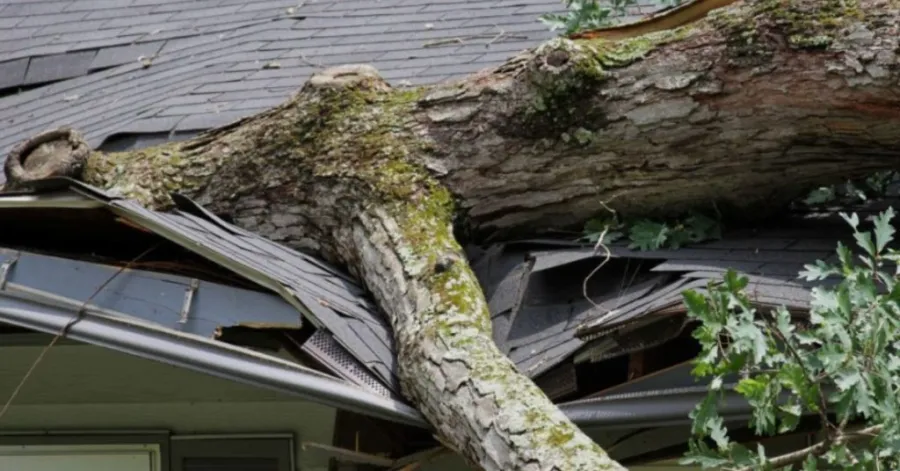
You may find yourself in emergency tree removal situations when a storm hits, requiring quick yet careful work. Safety should always be your priority. Always check the surroundings before engaging in any action, broken branches, leaning trees or anything that is unstable and can fall. If you plan to use a gas chainsaw, make sure you are properly trained and wearing safety gear, as it can be dangerous in storm-damaged areas. In case of serious damage, avoid the place and maintain a distance between yourself and others, pets, and family members. Never try to fix dangerous tree problems on your own. Record and ensure by taking clear photos and calling in the professionals in case the situation appears dangerous or uncontrollable.
- Stay Safe After a Storm with These Essential Tips
- How to Assess Emergency Tree Removal Situations After a Storm
- Step-by-Step Guide to Cleaning Up Storm-Damaged Trees Safely
- When to Call a Licensed and Insured Tree Service for Storm Damage
- How to Document Storm Damage for Insurance Claims Correctly
- How to Prevent Future Storm Damage to Your Trees and Property
Stay Safe After a Storm with These Essential Tips
It is understandable to be tempted to begin cleaning immediately after a storm, but it can be a hazard. The neighbourhood surrounding your place of residence might seem peaceful, yet it may harbour severe dangers. There are numerous cases of Emergency tree cutting wherein individuals come in far too soon without proper investigation of the area. Going slowly and cautiously will help you avoid accidents and keep you safe as you evaluate the damage.
Storm damage can make trees unstable, power lines unsafe, and weaken structures. Although everything might appear alright at a distance, there may be some concealed risks. This is why any cleanup work should always be preceded by safety.
How to Check Your Property for Dangerous Tree Damage
Never undertake anything without taking a circuit around your property at a safe distance. Watch out for broken branches, split trunks, and trees that are leaning excessively. These are good indicators that the tree can fall at any given time. In such cases, you may need urgent tree cutting services for dangerous leaning trees to prevent serious damage or injury. Do not think that a tree which has been felled is standing because it has not fallen during the storm.
What to Do About Fallen Power Lines and Electrical Danger
Power lines that have fallen down following storms are very dangerous. You must never touch, approach, or even attempt to move any fallen wire. Wet ground, trees, and metal objects are capable of spreading electricity, and even at a distance, the area is unsafe. This is further complicated in other cases,s such as what to do when a tree falls on a house or power lines, where both electrical and structural risks are at Always keep off and report it to your utility company to have it dealt with by trained personnel.
How to Keep Your Family Safe and Avoid More Damage
The second step,p after you have listed key risks, is to safeguard people and property. Keep children, pets and neighbours off the damaged areas until everything is safe. Fallen trees may block the driveways or lie in precarious positions, making access dangerous. When faced with difficulties such as a fallen tree blocking the driveway, emergency removal, or do not attempt to enter the premises or push heavy objects. Others might consider using the tools; however, the guidelines for using an emergency chainsaw for storm-damaged trees should be followed exclusively by professionals, as improper use may cause severe injuries. Before any cleanup, safety must be observed.
How to Assess Emergency Tree Removal Situations After a Storm
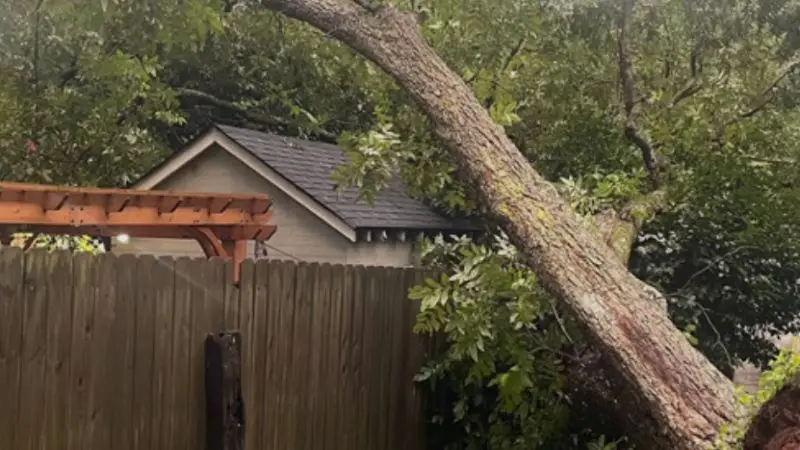
In Emergency tree removal cases, one will take a keen observation before proceeding with an action. Storm-related damages can be deceptive, and what may appear stable initially may be unsafe. A couple of minutes of evaluation about the area will go a long way in preventing injuries and will not aggravate the situation. This is particularly necessary when there are trees that are close to homes, driveways or power lines.
A peaceful and systematic examination can give you a clue on the degree of risk and whether you need professional assistance. This should not be done in a hurry, as damage, which is difficult to see, can often be a lot more severe than what can be seen on the surface.
How to Check If a Tree Is Stable or About to Fall
Begin your examination at the bottom of each tree. When you see bare roots or earth rising, this can be a sign that the tree is unstable and may fall at any moment. Stroll around the tree, and look at its trunk, or check major branches, to see whether they have deep cracks or are split. A leaning tree, especially one shifting toward a house or structure, is a major warning sign and often requires urgent tree cutting services for dangerous leaning trees to prevent damage or injury. Other things to observe are signs of rotting, like mushrooms, rotten wood, or holes, since they lead to a weak tree structure. When there are fallen trees already, notice whether they are rubbing against other objects, or are stuck up in branches, and determine what action to take next.
How to Spot Dangerous Hanging or Broken Tree Branches
Examine the ground,d then scan up into the tree canopy. Branches may fall without notice at all times, particularly following storms, broken or hanging. These crashing limbs are commonly considered high-risk hazards, as they may result in severe injury or damage if they fall without warning. When you notice any branches hanging over roofs, driveways or walkways, then get people out of these areas at once. There are instances when the use of emergency chainsaws on damaged trees following storms may be necessary, but again, only trained persons can apply them since they are aware of the dangers involved. It is advisable not to stand under damaged trees and put marks in the areas that are unsafe to avoid accidentally entering them.
Why Delaying Tree Removal Can Make the Situation Worse
Emergency tree removal situations can easily cause more serious problems when one delays in taking action. A weakened tree can fall due to subsequent wind or rain and cause unanticipated destruction to houses, cars, or nearby buildings. Even after the storm has ended, loose or broken branches may fall, which can add to the danger. Delay may also complicate safety and repair work, for example when a tree falls on a house or power lines. An immediate evaluation will minimize risks and speed up recovery.
Timely intervention is also beneficial in documentation, in particular, insurance claims. Recording notes and photographs during the evaluation of storm damage can give a clear picture of what occurred. This supports faster decisions and helps professionals understand the level of how to handle a fallen tree blocking the driveway, and emergency removal if access routes are blocked.
Step-by-Step Guide to Cleaning Up Storm-Damaged Trees Safely
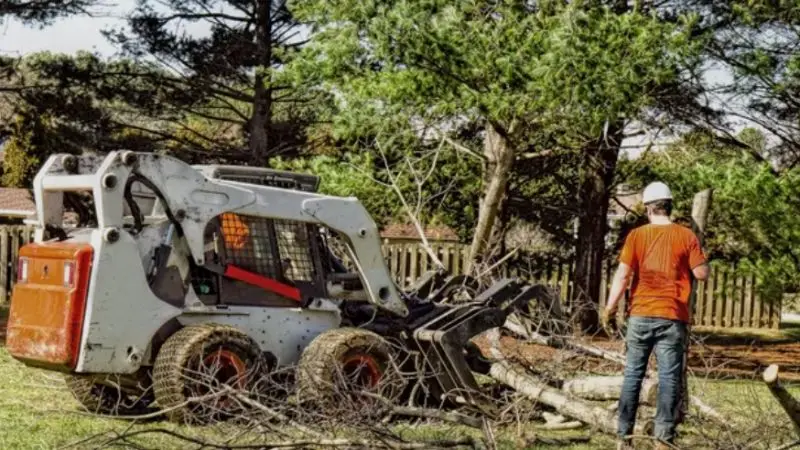
The yard can contain debris, broken branches, and leaves after a storm. One might have a desire to clean everything as soon as possible; however, the emergency tree removal situations must be planned. The step-by-step method will allow you to avoid injuries and prevent further harm. Take small steps first, which are safe and not so urgent. The organized method simplifies the clean-up process, makes it safer and with more control and makes you aware of what you can do alone and what requires expert assistance.
How to Safely Remove Small Storm Debris First
Begin cleanup with light and small debris like twigs, leaves and small branches. Wear gloves at all times to ensure that you do not cut your hands on sharp objects or concealed ones. Rake up debris to form piles and put them on a tarp, and easily move it. Take caution as there may be some broken glass, nails or insects that are concealed. In cases like how to handle a fallen tree blocking the driveway, emergency removal, and clearing small debris first helps create safer access and reduces trip hazards. Do not rush this step. Take your time on this step. Work slowly and maintain order in your place of work to prevent accidents and simplify cleaning up on a later date.
How to Properly Trim and Cut Damaged Tree Branches
Once debris has been cleared, inspect trees with broken or hanging branches, which still might be unsteady. Small branches, which can be easily reached on the ground, should be cut with the correct pruning tools. Always do clean cuts immediately outside the branch collar in order to allow the tree to heal. Emergency chainsaw use guidelines may be used in case of storm-damaged trees, but only qualified people should do this job in a more severe case. Never use trees or ladders to get to large branches. When the branches are thick, high and entangle buildings, then they cease. Such cases usually require immediate tree-cutting services for dangerous leaning positions, ensuring they are removed safely without the risk of injury or further damage.
@matthewshatraw vevor chainsaw Women’s Products Women 30-+ Women 40 + Trending Products Must Buy Flash Sale Discount #tiktokshopfalldealsforyou #tiktikshopblackfriday #tiktokshopcybermonday #vevor #vevorblackfriday
♬ original sound – TikTok Shop Deals!
When You Should Stop Cleanup and Call Professionals
The damage caused by the storm is sometimes too risky to do it yourself. When you come across large leaning trees, heavy hanging branches or debris around power lines, stop. Other scenarios, such as how to react when a tree collapses onto power lines or the house, require highly trained professionals due to the high risk of electrical and structural hazards. Enquire whether the damage is too large, unstable or unsafe to access. In case yes, stop working. Instead, call a licensed tree service. Complex removals have the right tools and experience that professionals possess. When to stop is another important aspect of safe storm cleanup.
When to Call a Licensed and Insured Tree Service for Storm Damage
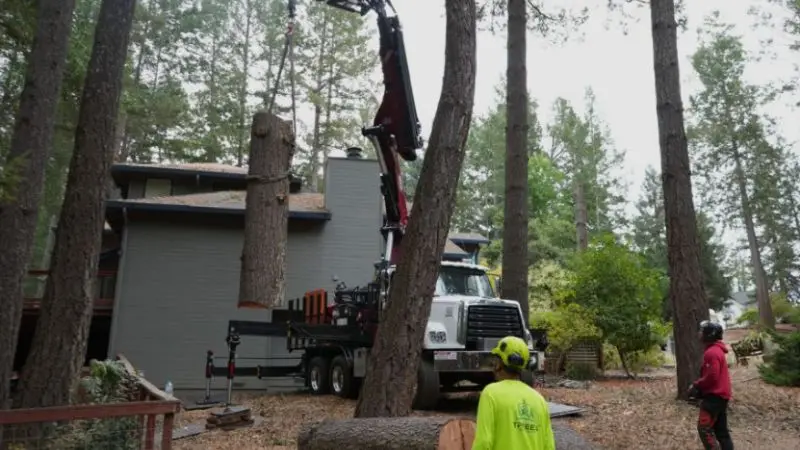
It is not unusual to attempt to do small jobs like picking up leaves or little branches after a storm. Nevertheless, not all cases are safe when it comes to DIY work. In most cases of emergency tree removal, the services of trained experts are needed since damaged trees may easily become unstable. It is significant to understand when to retreat and invite specialists to ensure your safety and your property.
A certified and insured tree service is trained to deal with hazardous tree conditions, such as when there is a possibility of falling branches, structural damage, or electrical dangers.
When Professional Tree Removal Is Necessary
Large or unstable trees are best left to be removed by someone else. When a tree is leaning over your house, vehicle or other buildings, it is a serious threat that must be addressed urgently. In such cases, urgent tree cutting services for dangerous leaning trees are often needed to prevent sudden collapse or further damage. Trees that are in close proximity to or touching power lines are even more hazardous and should be dealt with by experts.
In case you are not sure or feel unsafe at any time, you are to cease working. The training and equipment required to safely handle complex removals are in place, such as what to do when a tree falls on a house or power lines, where structural and electrical hazards may be involved.
How to Choose a Reliable and Safe Tree Service
Selecting the appropriate tree service is quite essential in order to have effective and safe cleanup. Always seek businesses that are well licensed and insured because this will assure you that the business will observe safety and cover your premises. You must also demand evidence when employing anyone. You can make a better decision by reading online reviews or receiving the opinion of your neighbours.
A good company must be experienced in dealing with storm damage and emergency cases. They are supposed to be aware of high-risk scenarios, like how to handle fallen tree blocking the driveway, and emergency removal where an emergency must be reinstated by quick and safe access.
Ensure that the service is aware of safety procedures, effective in communication, and has the correct equipment to do the job.
What Happens When Professionals Handle Tree Removal
When you contract a licensed and insured tree service, the crew comes in with the right equipment, training and has a plan to deal with the situation safely. They strive to eliminate hazardous trees, clear debris, and avoid additional damage to property. In more complicated situations, the instructions on the use of emergency chainsaws in the trees which are broken up during storms can be followed, but this should be done by trained professionals who are knowledgeable about safe cutting practices.
The team will also check the area for any concealed dangers and make sure that your property is cleaned and safe. Part of their service is communication, and thus, they will give you details as to what they are doing and keep you updated in the process.
By employing professional people, you can be safe and leave the heavy and risky job to them.
How to Document Storm Damage for Insurance Claims Correctly
Any damage that follows a storm is important to document in order to file an insurance claim. Proving what transpired and accelerating approvals can be achieved through clear records. There are also many Emergency tree removal scenarios where property has been damaged, which should be demonstrated appropriately. Good documentation makes the recovery process easier and avoids delays. The thing is to be slow in gathering good evidence and be organized. This will assist insurance companies to know the entire story and proving your claim without having to get confused and leave out certain details.
How to Take Proper Photos and Videos of Storm Damage
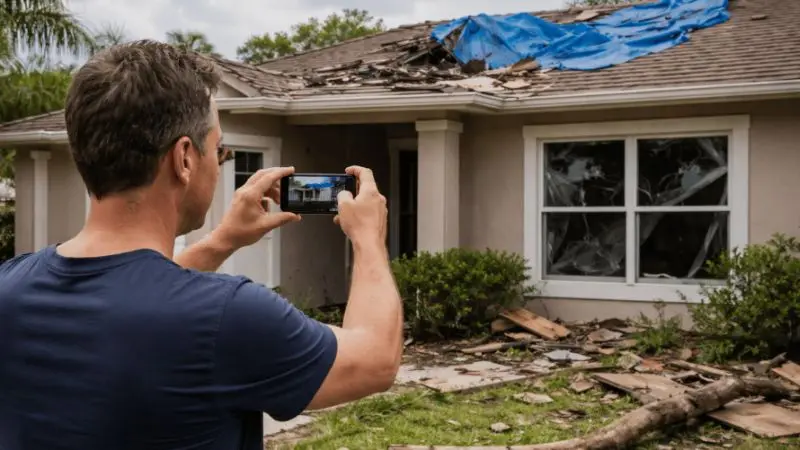
Begin by capturing clear pictures and videos of every area that has been damaged with your phone or camera. Photograph damaged roofs, fences, and other cars that have been damaged in various positions. Attempt to demonstrate the whole scope of destruction, not close-ups. Add such information as fallen branches, debris, or water damage, or covered areas. It is particularly significant in cases such as what to do when a tree falls on a house or power lines, when the damage can be severe and extensive. Videos are helpful in demonstrating scale when used in combination with photos. Have everything in order by time and date so as to strengthen your claim.
What Information You Should Collect for Your Insurance Claim
You should also have written descriptions regarding the storm damage on top of the visual evidence. Note down the day, time, and weather in which the storm occurred. Write down all that was damaged: trees, fences, roofs, driveways and vehicles. It comes in particularly handy in its application in how to deal with a fallen tree blocking the driveway, emergency removal, where both access and property damage may be a factor. Store receipts, repair estimates and any maintenance records that you already have. You may also inquire of neighbours whether they witnessed the damage or took photos. All this information assists in creating a clear-cut insurance claim.
How to File Your Insurance Claim Step by Step
After all the paperwork is done, call your insurance company as soon as possible to begin the claim. Send your photos, videos, and written notes and the necessary forms. Keep records of what you send and be organized. Quick reporting can also be helpful in cases where the emergency work is about dangerous leaning trees that require cutting down, and where the work is cut down in urgent cases. Your insurance company might require further information and, therefore, remain available for follow-ups. In case of emergency cleanup (e.g. emergency chainsaw use in case of storm-damaged trees guidelines), ensure that you attach all the documents. Early filing helps repair more quickly and reduces damage.
How to Prevent Future Storm Damage to Your Trees and Property
Bad weather is avoided by preemptive strategies to prevent storm damage. The risks can be mitigated, and your home can be secured by taking care of your trees, picking the right varieties and creating a simple plan. When trees are healthy and well-maintained, many situations that can be caused by Emergency tree removal can be prevented. Minor things that are performed consistently can help a lot when in powerful winds or severe storms.
How Regular Tree Maintenance Helps Prevent Storm Damage
One of the best ways to minimize storm-related issues is regular tree care. Look at your trees regularly and identify weak branches, cracks or diseases. Early removal of dead or damaged limbs to ensure that they do not fall in bad weather. Plant water trees in dry seasons and apply mulch at the base to aid the robust development of roots. If trunks are leaning or structural weakness is suspected, seek professional help immediately. Good maintenance reduces risks that often lead to urgent tree cutting services for dangerous leaning trees after storms.
The easiest practice is to walk around your yard at least once a month and notice the issues before they cause severe ruin in the future.
How Choosing Strong, Storm-Resistant Trees Can Protect Your Home
All trees do not deal with storms in the same manner. Others can break easily, but some bend and get back on their feet in the presence of strong winds. Plant new trees with well-known species in terms of strong roots and bendable branches. Local nurseries will be able to inform you on the trees that grow well in your area and the climatic conditions. Spacing is also crucial since when trees get too close, they become weaker in the long run.
This planning can reduce risks that often lead to situations like what to do when a tree falls on house or power lines, where poor tree placement contributes to major damage. During storms, trees that are well spaced and healthy are more stable and not prone to collapsing.
How to Create a Simple Storm Preparedness Plan for Safety
A storm preparedness plan will help you respond quickly and safely when bad weather occurs. Begin by creating a list of what you should do in case you observe damage to trees or falling tree branches. Have emergency contact numbers readily available. Keep simple equipment such as gloves, tarps and a flashlight in a single location so that you can reach them easily. Talk with your family members about safety measures to make sure everyone knows what to do if a tree is in the way of an exit or driveway. This comes in particular handy in terms of how to deal with a fallen tree blocking the driveway, emergency removal where fast action is of the essence.
Ahead-of-time planning will make you less stressed and help you remain calm in an emergency. An easy blueprint will save you a headache and secure your home in case of storms in the future.
Wrap Up
Storm damage can be stressful, and precautionary measures are crucial. Safety is the most important consideration, followed by evaluating trees, removing small tree debris, and determining when to involve professional help. Regular maintenance and proper planning can prevent many emergency tree removal situations. Clearly document damage to ensure against it and respond swiftly to risks where they arise. Removing uncertainty, planning, and prompt actions will prevent your home, family, and property from being damaged. Recovery can be less overwhelming and easier with the right steps. Being vigilant during and after storms is a good way to stay more prepared for future weather problems and other tree-related emergencies.
FAQ
What will I do if a tree falls on my house?
Stay outside. If someone is injured, call 911. Get in touch with your insurance company. Take pictures as a record. Wait for professionals to check the damage. Your personal safety is paramount.
Will I be able to take down a big fallen tree single-handed?
No, you should not. Big trees are movable or roll. You could get hurt. Hire an authorized tree company. They possess the appropriate equipment and education.
When is a tree about to fall?
Search in case of leaning trunks, cracked soil or sticking out roots. Hear a creaking. Keep an eye on moving branches. In case you are not sure, call an arborist.
Am I covered by my insurance to have trees removed in cases of emergency?
The majority of homeowners’ insurance includes tree removal in case your home or your driveway is damaged by the tree. See your policy or contact your agent.