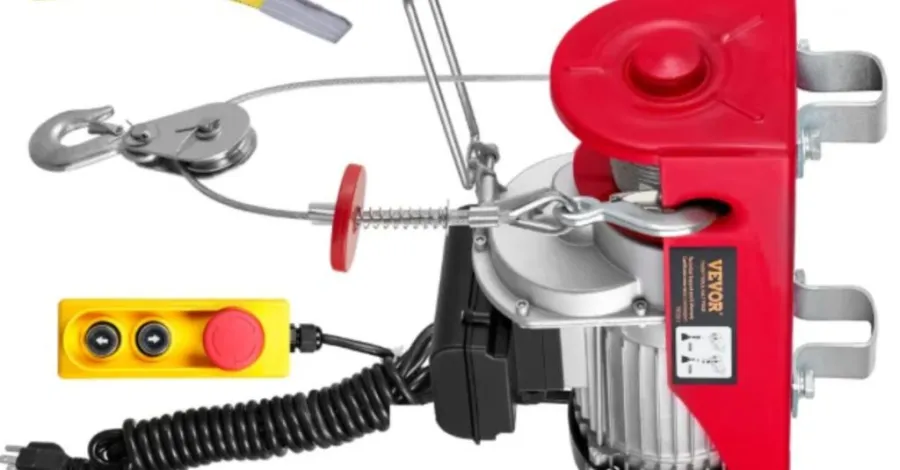
Choosing the correct electric engine hoist is crucial for safe, efficient work in your garage. Lifting heavy engines without the proper equipment can lead to injuries, damaged parts, and wasted time. Many car owners struggle with finding a hoist that matches their engine weight, garage space, and safety requirements. The wrong choice can turn a simple repair into a frustrating, risky job.
In this blog, we will explain how to select the best electric engine hoist for a home garage in 2025, focusing on safety capacity and key features to help you make the right choice for your garage.
Electric Engine Hoist Capacity
When you pick an engine hoist for your garage, you need to think about how much weight it can lift. This is called the capacity. If you choose a hoist with the right capacity, you and your tools will remain safe. You also make sure your hoist lasts longer.
Weight Ratings
Every engine hoist comes with a weight rating. This indicates the maximum weight the hoist can safely lift. You should always check the weight capacity of your engine before purchasing a hoist. Most car engines weigh between 300 and 700 pounds. Some truck engines can weigh over 1,000 pounds. Choosing the best electric engine hoist for home garage use means selecting a model with enough capacity to handle these weights safely and efficiently.
Here’s a quick look at typical engine weights:
| Engine Type | Typical Weight (lbs) |
| Small Car Engine | 300 – 400 |
| V6 Engine | 400 – 600 |
| V8 Engine | 500 – 700 |
| Truck Engine | 700 – 1,200 |
You might think a small hoist is enough, but it is always better to go bigger. Most people choose a 1-ton or 2-ton engine hoist. These sizes provide sufficient weight capacity for almost any job in a home garage. If you work on bigger trucks or heavy-duty engines, you may need even more capacity.
Tip: Always check your engine’s manual or look up the specs online to find the exact weight before you buy an engine hoist.
Safety Margins
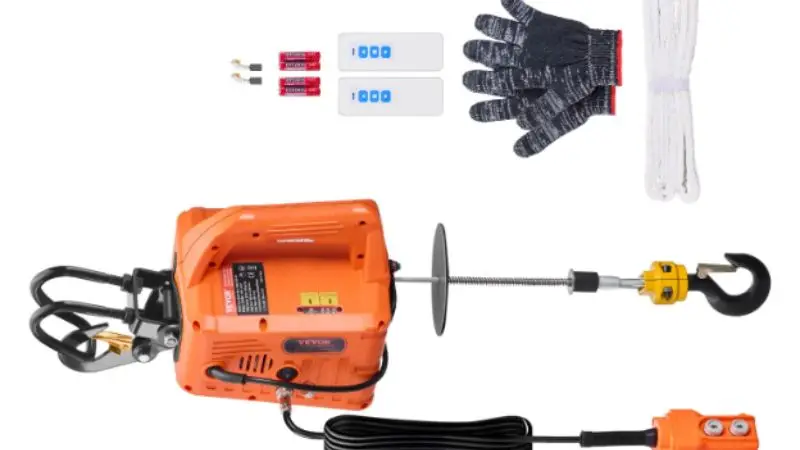
You should never use a hoist at its maximum weight capacity. If you do, you risk breaking the hoist or hurting yourself. It is wise to select a hoist with a higher capacity than you initially think you need. This extra space is referred to as a safety margin.
Let’s say your engine weighs 600 pounds. You should not use a hoist with a 600-pound limit. Instead, choose a hoist with at least a 1,000-pound (or 1/2-ton) rating. Most experts recommend a safety margin of at least 25% over your engine’s weight. This helps the hoist last longer and keeps you safe. Using a well-equipped setup, such as an electric engine hoist with remote control, not only ensures safer lifting but also provides better precision and reduces the risk of overloading.
Here’s how you can figure out the required capacity:
- Find your engine’s weight.
- Add at least 25% to that number.
- Choose a hoist with a weight rating above that total.
For example, if your engine weighs 800 pounds:
- 800 lbs + 25% = 1,000 lbs
- Pick a hoist with at least a 1,000-pound weight capacity.
Selecting a Hoist Type
Manual vs. Electric
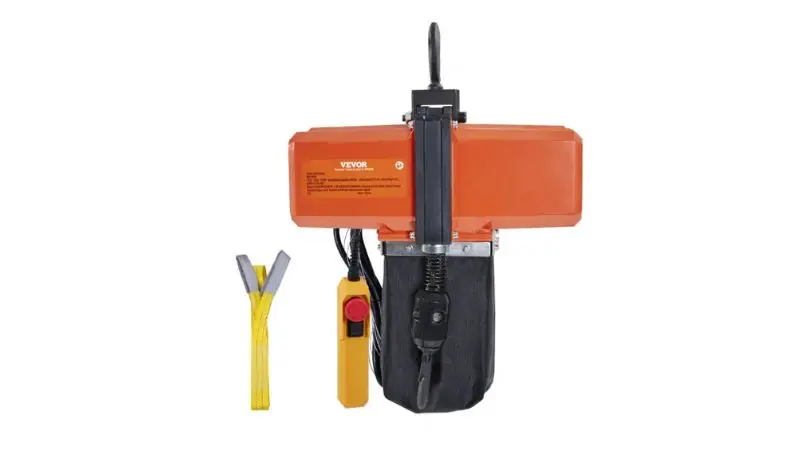
When you start selecting a hoist for your garage, you face a big choice: manual or electric. Manual hoists, like a hydraulic engine hoist, use a hand pump or lever. You do the lifting work yourself. These hoists cost less and work well for small jobs. If you only lift engines once in a while, a manual hoist might be enough.
Electric hoists make lifting much easier. You push a button, and the hoist does the heavy work. This saves you both time and effort. If you work on cars often or handle heavy engines, an electric hoist is a smart pick. A model like an electric engine hoist with remote control offers greater precision, smoother lifting, and better handling when you need to move an engine slowly or with extra care.
Here’s a quick look at the pros and cons:
| Type | Pros | Cons |
| Manual Hoist | Lower cost, simple to use | More effort, slower |
| Electric Hoist | Fast, easy, less physical work | Needs power, costs more |
Tip: For speed and less effort, opt for an electric hoist. For simple jobs, a hydraulic engine hoist can be a cost-effective solution.
Suspension and Mounting
Now, think about how you will hang the best electric engine hoist for a home garage. Suspension is key. You can use a ceiling mount, a beam clamp, or a rolling gantry. Each suspension type is designed to fit different garage setups.
Check the lift height and reach of your hoist to ensure it can clear the engine bay. If your garage has a low ceiling, choose a hoist and suspension that fit the space. Always follow the manufacturer’s instructions and inspect your garage beams for strength before hanging any hoist. Safety comes first.
If you’re exploring how to install an electric engine hoist, focus on matching the suspension style to your garage layout. A well‑planned setup will make lifting safer, smoother, and more efficient.
Key Features for Engine Hoists
Power Supply
When inspecting electric hoists, ensure the power supply is checked. Most home garages use 110V outlets. Some bigger electric hoist models need 220V. Always check what your garage has before you make a purchase. If you pick the wrong type, you might need to call an electrician. That can result in additional costs and time. The best electric engine hoist for home garage setups will work seamlessly with your existing power, eliminating the need for costly electrical modifications.
You want a steady and reliable power source. If your power goes out frequently, you may want to consider a backup plan. Some electric hoists have built-in safety features that activate if the power fails. This keeps your engine from dropping. Always read the manual before you start the installation.
Controls and Speed
Controls play a key role in how efficiently you operate a hoist. Most electric models come with a wired remote, while newer options feature wireless remotes for added convenience. An electric engine hoist with remote control allows you to stand at a safe distance and monitor the engine as you lift it, making the process safer and easier. Speed is another essential factor. Some hoists lift quickly, while others operate more slowly for better precision. If you work on heavy engines, selecting a model with variable speed provides you with greater control over your work. Always look for clear buttons and easy-to-read controls for smooth operation.
Here’s a quick table to help you compare:
| Feature | Why It Matters |
| Wired Remote | Simple, always connected |
| Wireless Remote | More freedom, safer distance |
| Variable Speed | Better control, less risk |
Leveller Attachments
A leveller attachment helps you balance the engine as you lift it. Engines do not always hang straight. With a lever, you can tilt the engine to fit it in or out of the car. This tool saves you time and keeps your engine safe.
You attach the leveller to the hoist chain. Then you turn a handle to adjust the angle. If you work alone, a leveller makes the job much easier. Most electric hoists work with standard leveller attachments. Always check the weight rating before you use one. When setting up or installing an electric hoist, understanding how to install an electric engine hoist includes choosing accessories, such as a leveller, that improve control and safety during operation.
Safety and Reliability
Safety Features
When using an engine hoist, safety should always be your top priority. Look for a hoist with strong safety features. Many electric hoists have automatic brakes. These brakes stop the load from slipping if you lose power. Some hoists also have overload protection. This feature keeps you from lifting more than the hoist can handle. You might see a duty rating on the label. For added control and safety during operation, an electric engine hoist with remote control allows you to stand at a safe distance while monitoring the lift, reducing risks and improving precision.
Here are some key safety features to check for:
- Upper and lower limit switches
- Thermal protection for the motor
- Sturdy hooks with safety latches
Understanding these safeguards is an essential part of knowing how to install an electric engine hoist with confidence. A quick safety inspection before each use can prevent serious problems.
Brand and Quality
You want a hoist that lasts. Choose a brand with a good reputation. Well-known brands test their products for quality and safety. They also offer better customer support if you need help. Cheap hoists might save you money at first, but they can fail when you need them most. Many users prefer trusted models, and features like an electric engine hoist with remote control from a reputable brand can offer both reliability and ease of use, giving you peace of mind every time you lift.
| Brand Reputation | Why It Matters |
| Trusted Brands | Safer, more reliable |
| Unknown Brands | Risk of poor quality |
Used Hoists
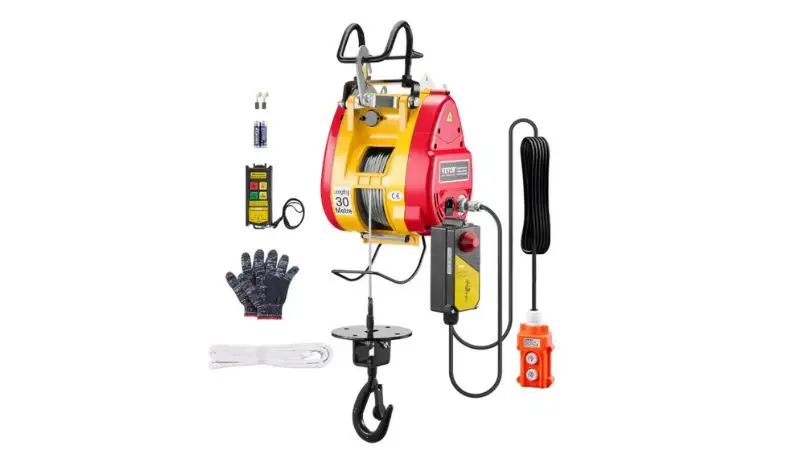
Thinking about buying a used hoist? You can save money, but you need to be careful. Always inspect the hoist for cracks, rust, or worn parts. Test the controls to ensure the motor runs smoothly. Ask for the manual if you can. If you see any damage, walk away. Your safety is worth more than a bargain.
Note: If you are looking for the best electric engine hoist for home garage use and are unsure about a used one, consider asking a professional to inspect it for you.
Conclusion
Choosing the correct electric engine hoist for your garage can feel easy when you follow a few simple steps. Focus on safety, check the weight capacity, and make sure the hoist fits your space. Use a checklist to compare features and brands. Read product reviews and consult the manufacturer’s guide before making a purchase. You want a tool that keeps you safe and makes every lift simple.
FAQ
How do I determine the correct size engine hoist for my needs?
Check your engine’s weight in the manual or online. Add at least 25% for safety. Pick a hoist with a higher weight rating than your engine. This keeps you safe and protects your tools.
Can I use an engine hoist alone?
Yes, you can. Electric hoists make lifting easier for one person. Always double-check your setup and use a leveller attachment. Stay alert and never rush the job.
What maintenance does an electric hoist need?
You should inspect the hoist before each use. Look for frayed cables, loose bolts, or worn parts. Keep the hoist clean and dry. Lubricate moving parts as the manual suggests.
Is it safe to buy a used engine hoist?
Buying used can save money, but it’s essential to inspect the vehicle thoroughly for damage or missing parts. Test the hoist before you buy. If you see rust or cracks, walk away. Safety comes first.