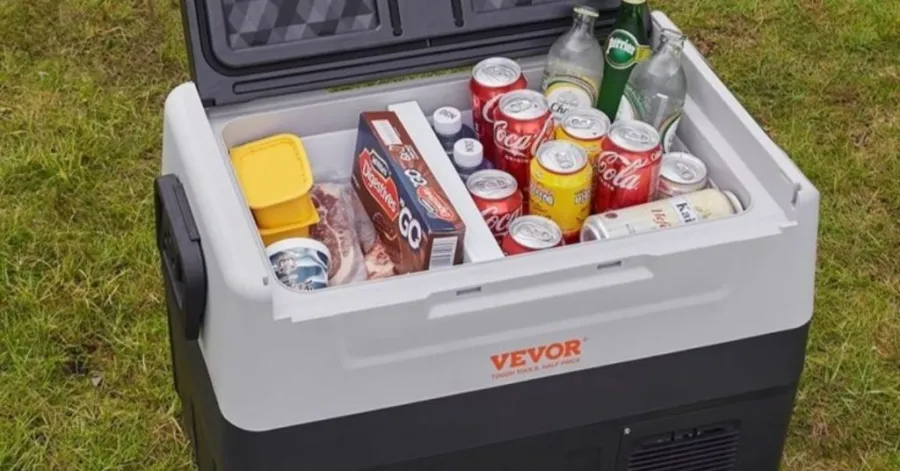
Electric coolers are refrigerators that cool food, beverages, and other temperature-sensitive items without needing conventional ice. They use electricity to cool items and are handy for trips, camping, outdoor activities, and even around the house or at work. Some electric coolers plug into a car’s power source, some use rechargeable batteries, and some use standard electrical outlets.
This article explores how to buy the right electric coolers, the advantages of electric coolers, how they stack up against traditional coolers, and factors to consider before purchasing them. It also discusses issues such as electricity usage, applications, and maintenance.
What Are the Different Types of Electric Coolers?
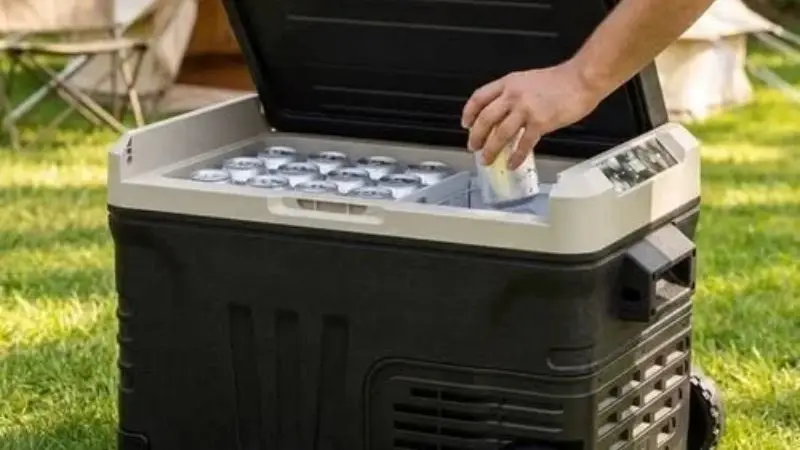
Various categories of electric coolers exist, designed based on cooling needs. Differences include the cooling system, power source, storage capacity, and portability. Some suit day trips and everyday use, while others suit long trips and expeditions.
Recommended For Your Project
Portable Electric Coolers
Portable electric coolers are small-sized cooling devices meant for easy transport. They cool beverages, snacks, and packed food while you move from one place to another. Some portable coolers come with carrying handles, removable lids, and insulated walls that help maintain temperatures inside.
How these coolers work and how much energy they consume vary by model. Portable electric coolers can connect to a car’s 12V socket, a compatible portable power station, or a standard AC socket. Portable electric coolers use different cooling systems; some use thermoelectric cooling, while others use compression-based cooling.
Electric Coolers for Cars and Trucks
Electric coolers for cars and trucks are made specifically for vehicles. Some electric coolers connect to the vehicle’s 12V DC plug, while others connect to 24V plugs available in certain trucks. These coolers can cool drinks and food without ice bags.
These coolers are ideal for long trips, deliveries, camping excursions, and even overnight stays in a car. Compressor coolers can cool below ambient temperature and freeze items if designed to do so. Thermoelectric coolers create a smaller temperature difference than the surrounding environment.
Thermoelectric Coolers
Thermoelectric coolers use solid-state technology to remove heat from one side and transfer it to another. A fan or heat sink is required to dissipate the removed heat. Thermoelectric coolers do not require any compressor.
Thermoelectric coolers are simple and lightweight. They can be used for drinks, snacks, and for short trips when the temperature is not too high. Some of these coolers can also heat. If you need a portable, lightweight cooler, a thermoelectric one would fit your needs better.
Compressor Electric Coolers
Compressor coolers use compressors and operate using a refrigeration method similar to a household refrigerator. The compressor pumps the refrigerant within the cooling system, extracting heat inside the cooler and transferring it out.
These coolers provide better cooling performance than thermoelectric ones and can maintain the desired temperature even in high ambient temperatures. They can refrigerate or freeze food within their temperature range.
Compressor coolers suit long road trips, camping, outdoor activities, and other situations that need stable temperature control.
Electric Coolers for Home and Outdoor Use
Electric coolers for home and outdoor use are a reliable way to keep things cold in different settings. At home, they can keep drinks, food, or snacks if there is no free space in the refrigerator. For outdoor activities such as backyard parties, picnics, tailgate events, and camping trips, coolers are also useful.
Coolers come in various types, with small or large capacities and other features. They differ by cooling mechanism, which may be thermoelectric or compressor-based, and by power source, such as a wall socket, a vehicle battery, or a portable power station.
What Are the Benefits of Using an Electric Cooler?
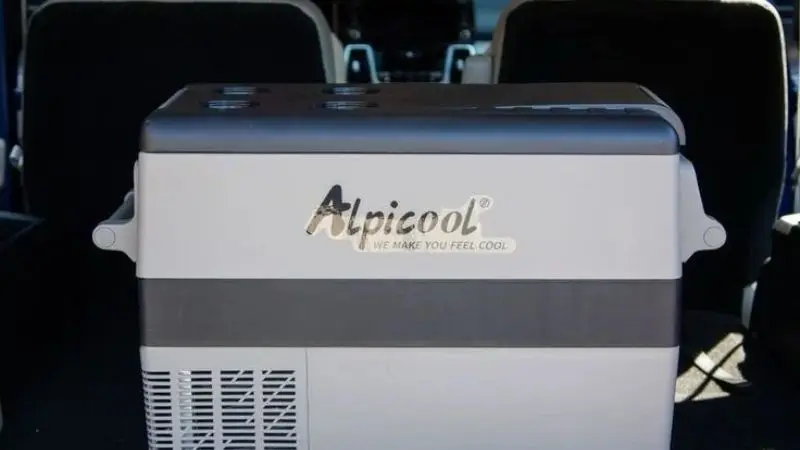
Electric coolers offer many advantages. They can help people who travel, camp, work outdoors, or need extra cooling space. The main advantage of electric coolers is that they don’t require periodic ice refills, making them convenient for outdoor use in different environments. At home, they can store drinks, snacks, or additional food when refrigerator space is limited. Outdoors, they are useful for backyard gatherings, picnics, tailgating, and camping.
Keeps Food and Drinks Cool Without Ice
One advantage of an electric cooler is that it cools food without using ice to fill the storage compartment. This means more room for food and fewer messes from melting ice.
Compressors maintain lower temperatures than basic thermoelectric coolers, making them more suitable for food items, especially perishable ones, at recommended temperatures. Note that an electric cooler does not ensure food safety.
Easy to Carry and Use While Travelling
Many electric coolers are designed for convenient transportation. Compact dimensions, carrying handles, and relatively lightweight construction make some models easy to move between a vehicle, campsite, picnic area, or office.
Vehicle-powered coolers are especially useful because they can run while you travel, as long as the power source is compatible. You can keep chilled drinks and packed meals close at hand without stopping to purchase ice.
Useful for Camping and Outdoor Activities
Electric coolers can make camping, fishing, picnics, and outdoor gatherings more convenient. They let you bring chilled drinks, fresh ingredients, and prepared meals without relying entirely on ice.
A compressor cooler can be especially useful for multi-day trips because it can maintain a controlled temperature with enough power. Smaller coolers may be adequate for short outings with less demanding cooling needs.
Plan your power when camping away from electrical outlets. A compatible battery, portable power station, vehicle connection, or suitable solar charging system can provide electricity. Estimate the cooler’s energy needs before you leave, and keep the unit shaded with enough ventilation around its heat-releasing components.
Offers Convenient Temperature Control
Some electric coolers have digital controls that let you set your preferred temperature. This is particularly important if you store different types of food or alternate between cooling and freezing functions.
Follow the manufacturer’s guidelines and let the cooler cool before filling it with warm food. A thermometer is needed to ensure the required temperatures are reached.
Saves Space and Reduces the Need for Ice
Standard coolers take up more room because they need space for contents and ice to keep them cold. An electric cooler frees up most of that space, letting you use all available storage capacity. This may also minimize your need to buy and replenish ice throughout your journey.
Electric Cooler vs. Traditional Cooler: What Is the Difference?
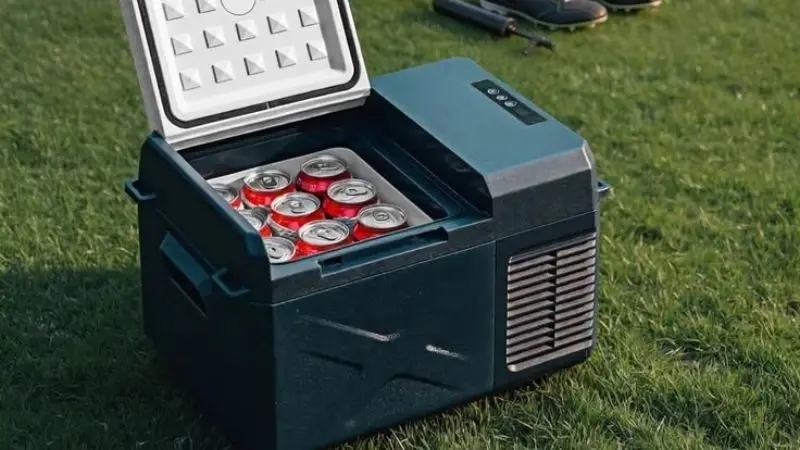
Electric coolers and traditional coolers serve the same basic function: keeping food and beverages cold. The major difference is that the former uses an electrical cooling system, while the latter uses ice or frozen packs.
Neither option is optimal in every case. Choose based on cooling duration, electricity availability, and the importance of temperature regulation.
Cooling Performance and Temperature Control
An electric cooler actively extracts heat from its interior. Compressor-type coolers can regulate a chosen temperature regardless of surrounding conditions, within limits set by their parameters. The thermoelectric coolers are less efficient and more sensitive to external temperatures.
A traditional cooler uses ice or frozen packs to absorb heat and stay cold. Performance depends on insulation, the amount of ice, the temperature of the contents, and how often the lid is opened.
Power Consumption and Ice Requirements
However, electric coolers need electricity, and energy consumption depends on the cooling system, ambient temperature, insulation, size, and operating conditions. For example, compressors may turn on and off at intervals instead of running continuously, while thermoelectric coolers usually run their cooling elements for long periods.
Conventional coolers do not require electricity while operating, but they need sufficient ice or packs to maintain the desired temperature. At some point, the ice will be depleted and should be replenished, and any excess water may need to be drained.
Portability, Size, and Storage Capacity
Conventional coolers come in all sizes, from lunch boxes to large insulated chests. These coolers have few internal electrical components and are therefore easy to transport and store.
Electric coolers are portable too, but extra cooling components, cables, and other features may add bulk or weight. While compressors are designed for car transport and trips lasting several days, small thermoelectric coolers are better for shorter excursions.
Which Cooler Is Better for Your Needs?
It all depends on your plans and needs. The conventional one may be sufficient if you don’t go on road trips often and don’t need continuous cooling. This kind of cooler is also a good choice if you don’t have access to electricity.
If you go camping and want constant cooling for food or other items you carry, an electric cooler is a great solution. Also, if you plan to freeze some products, a compressor cooler is better than a thermoelectric cooler.
How to Choose the Best Electric Cooler
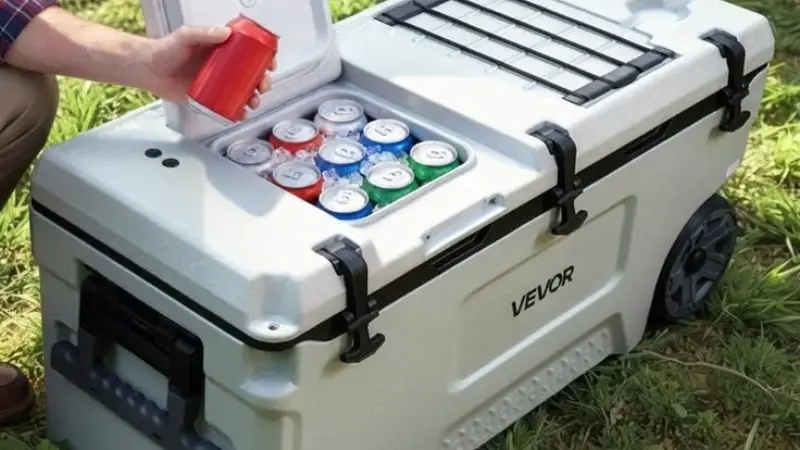
It is important to understand that you can’t always choose the best electric cooler based on size and price alone. You should also consider other factors.
Choose the Right Size and Capacity
Electric coolers vary in size, which you can measure in litres or quarts. Small coolers suit beverages and snacks, while large coolers offer enough room for meals and groceries for several people.
Think about the number of users and the duration of your trips. A cooler designed for your commute will take up less space than one for a family camping weekend.
Storage capacity doesn’t say everything about the convenience of packing your cooler. Consider the compartment shape, removable baskets, divider placement, and the space taken up by internal components.
Check the Cooling Performance
The device’s cooling performance is one of the most important factors. Pay attention to the specified temperature range.
For cooling drinks, a simple thermoelectric fridge is enough. For prolonged storage of perishable foods and freezing certain products, choose a compressor cooler designed for these tasks.
Be careful when reading product parameters, and distinguish between the temperature difference from ambient conditions and the temperature range itself.
Consider Power Options and Battery Life
Note whether the cooler runs on electricity (AC), 12V DC power supply, 24V DC power supply or all these types simultaneously. Choose a cooler that works with available outlets at home, in a car, or while camping.
If you plan to use a battery and/or portable power station, you must consider the cooler’s power consumption and the capacity of the power supply devices. The cooler’s maximum power rating does not equal its average power consumption, as some coolers cycle on and off. Another feature to consider is low-voltage protection in case the cooler is plugged into the car battery.
Look for Energy Efficiency
An energy-saving electrical cooler can cut operating expenses and extend battery life. Proper insulation, an energy-saving compressor, cooling-process design, and a good lid can reduce power consumption.
Select the size that suits your needs. A cooler bigger than necessary may cool slowly when fully loaded, and a smaller one stuffed with warm items may struggle to maintain the desired temperature.
Refer to information about power consumption provided by the producer. Actual consumption depends on outside temperature, your settings, ventilation, cargo, and usage frequency.
Compare Price, Quality, and Features
Electric coolers range from simple portable models to complex compressors with digital displays and even freezing capabilities. Instead of buying unnecessary additional features, compare what you really need.
Useful features may include a digital thermometer display, a battery protection system, removable baskets, multiple chambers, quiet operation, and temperature alerts. Some models also offer app monitoring or extra power connections.
It’s also worth considering the warranty, spare-part availability, and the quality of the lid, hinges, seals, and power cables. A durable cooler can be worth the price if you use it regularly.
Check Portability and Durability
If you travel often, choose a car cooler that’s easy to lift, carry, and secure. Handles, wheels, lightweight design, and good construction can make a big difference.
If you use it while camping or working outdoors, keep the outer shell’s strength and the manufacturer’s guidelines on dust and water resistance in mind.
Not all coolers are waterproof or rugged enough. Also make sure there are no ventilation issues. Using your cooler in an enclosed space will limit its cooling ability and consume more energy.
Conclusion
Electric coolers offer a simple way to keep food and beverages cool during road trips, camping, outdoor adventures, and everyday use. Depending on individual needs, you may opt for a portable cooler or a compressor cooler. Each type differs in cooling ability, so it is important to choose the model that best suits your needs.
Choosing an electric cooler requires considering factors such as capacity, temperature range, energy consumption, portability, and durability. You also need to decide how the cooler will be powered on long trips and how you’ll use it overall.
By learning about the different types of electric coolers and the benefits they provide, you can make an appropriate choice.
FAQs
What are the advantages and disadvantages of compressor car refrigerators compared to thermoelectric (lists of models for both kinds)?
The former cools faster, works under hot conditions, and can freeze food, but costs more than the latter, which is cheaper and lighter.
What are the best portable car refrigerators with AC/DC capability (8 models)?
Choose models that operate from household AC outlets and 12V/24V vehicle electrical systems. Such models include: BougeRV CRPRO, ICECO VL60, Dometic CFX3 35, Alpicool C20, BODEGA T50, SetPower AJ30, EUHOMY 59QT, Whynter FM-45G.
What are the best energy-efficient car refrigerators for electric vehicle owners (6 models)?
Electric vehicle owners need energy-efficient models with battery-protection capabilities. These models include: Dometic CFX5 35, BougeRV CRPRO30, ICECO VL45 ProD, Anker SOLIX EverFrost 2, Alpicool C20, and EUHOMY 37QT.
What are the top-rated car refrigerators for long road trips in terms of battery drain?
For long trips, consider Dometic CFX5 45, ICECO VL45 ProD, BougeRV CRPRO30, Alpicool C20, EUHOMY 37QT, and BODEGA 53QT. Choose ECO mode and low-voltage protection.