The right diesel fuel storage is key to keeping it safe and usable for a long time. If you ignore proper storage, fuel can get damaged by water, heat, sunlight, or even germs. To protect it, always use strong, sealed jerry cans that stop leaks and keep out moisture.
Store these containers in a cool, dry place, away from direct sunlight or open heat sources. Regular inspection and cleaning of your storage cans also helps prevent problems. When you care for your fuel and choose the right storage spot, you protect both the fuel and your equipment.
Diesel Fuel Storage: Keeping Your Fuel Safe and Reliable
Storing diesel fuel correctly is essential for keeping it clean, safe, and ready to use. Poor storage can cause fuel to spoil, leading to engine problems, safety risks, and wasted money. By following the right steps and understanding diesel fuel storage requirements, you can protect both your fuel and your equipment. Let’s look at the key factors that matter most when storing diesel.
Choosing the Right Container for Diesel Fuel
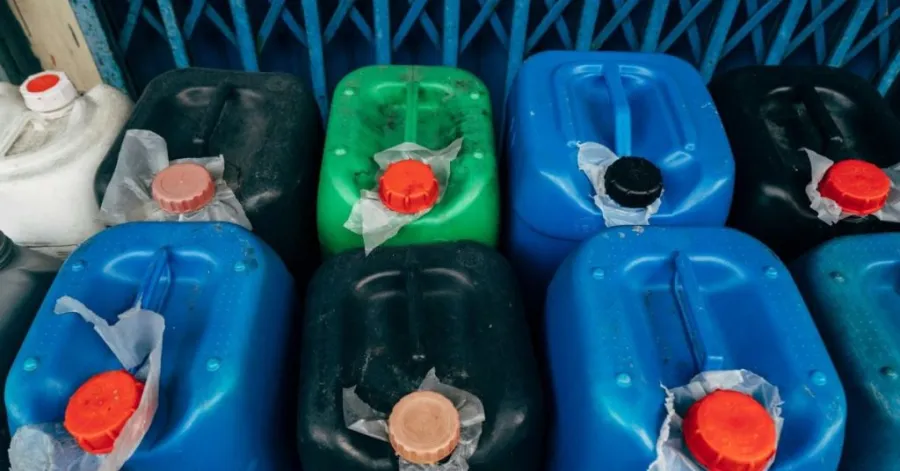
The container you select plays a big role in safe fuel storage. Always choose containers like a durable jerry can made from steel or high-density polyethylene, since these materials resist rust and leaks. A tight-sealing lid prevents air and water from entering, which protects the fuel from contamination and slows the growth of harmful bacteria.
Strong containers are a foundation of the best practices for diesel fuel storage. Before filling, check for cracks, dents, or damage. If a container looks weak or old, replace it immediately. A reliable container ensures your diesel fuel stays clean, safe, and ready whenever you need it.
Selecting the Best Location for Diesel Fuel Storage
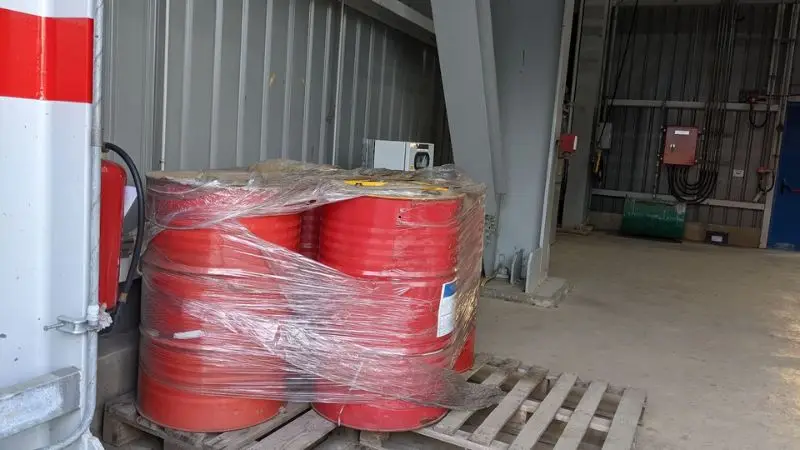
Where you store your diesel is just as important as the container itself. The ideal location is cool, dry, and away from direct sunlight. Heat and UV rays can break down fuel faster, while damp ground increases the risk of container damage. Always keep containers off the ground, preferably in shaded or ventilated areas, to extend fuel life.
Following safe diesel storage regulations also means keeping fuel away from heaters, engines, or any ignition sources. A well-chosen storage spot not only prevents accidents but also helps maintain fuel quality over time.
Understanding Diesel Fuel Storage Duration
Diesel fuel also has a low shelf life, and whether it is kept correctly is a major factor in determining how long it should last. In residential conditions, diesel may take six months to a year. In order to remember, you need to mark each container with a date that it was last filled, and get used to rotating your stock so that you use up older fuel first.
Learning to store diesel fuel long-term also involves maintaining diesel storage tanks. Frequent examination eliminates contamination, leaks, and degradation of fuel. Always change diesel as soon as necessary, and old diesel may lead to engine blockages, loss of efficiency, and expensive breakdowns.
Proper Storage Practices for Diesel Fuel
Even the best jerry can and location cannot protect diesel fuel without proper storage habits. Contamination, microbes, and air exposure are the most common threats to fuel quality. By following safe diesel storage regulations and practicing consistent maintenance, you can keep your fuel fresh, clean, and ready to use.
Preventing Water and Microbial Growth
Water is the biggest enemy of diesel fuel. It can seep in through cracks, condensation, or poor seals. Once water is present, microbes begin to thrive, creating sludge that clogs filters and damages engines. To avoid this problem, you need to store diesel fuel correctly and check tanks regularly.
Keep these steps in mind:
- Store containers in dry, shaded locations.
- Use airtight lids to block moisture.
- Inspect tanks for cracks, rust, or leaks.
- Drain any water you discover before microbes can spread.
Following these best practices for diesel fuel storage ensures cleaner fuel and longer equipment life.
Using Diesel Fuel Stabilizers
Even in perfect conditions, diesel fuel breaks down over time. Adding stabilizers is one of the most effective ways to extend shelf life. A stabilizer slows chemical reactions inside the fuel and prevents oxidation, which helps it stay usable for months longer. It also creates a barrier against microbial growth inside tanks.
For best results:
- Add stabilizers when filling containers.
- Follow the package instructions carefully.
- Rotate fuel supplies so old fuel is used first.
Understanding how to store diesel fuel long-term often starts with using the right stabilizers. They give you more flexibility and confidence in your fuel supply.
Sealing and Maintenance of Diesel Storage Tanks
Good sealing and consistent care are key to reliable fuel storage. Air exposure spoils diesel quickly, so every lid and seal must be tight. If a cap feels loose or damaged, replace it right away. Beyond sealing, diesel storage tank maintenance is essential for safety and performance.
Here are the core habits:
- Inspect lids and seals every month.
- Clean storage tanks at least every two years.
- Record inspection dates and fuel rotations in a log.
These diesel fuel storage requirements help you track fuel condition, prevent contamination, and protect your equipment from costly breakdowns.
How to Ensure Long-Term Reliability of Diesel Fuel

Safe diesel storage is not about short-lived use, but also about being able to secure the storage of your fuel over months or even years. With proper temperature control, frequent inspection, and stock rotation, you can adhere to the best diesel fuel storage practices. These measures will assist you in satisfying the needs of the diesel fuel storage and avoiding the expensive issues in the future.
Maintaining Proper Temperature Control
Temperature has a direct effect on how long diesel stays usable. When exposed to heat, fuel degrades quickly and forms harmful deposits that damage equipment. In very cold conditions, diesel thickens and becomes harder to handle. The ideal storage temperature is between 50°F and 70°F, so aim to keep your fuel within this range.
To manage temperature effectively:
- Store diesel in a cool, dry, and stable room.
- Use a thermometer to monitor conditions.
- Move containers if the temperature changes often.
This simple habit is one of the most effective ways to ensure how to store diesel fuel long term.
Conducting Regular Inspections
A complete storage plan will not be complete without inspections. Checking the containers and fuel on a monthly basis keeps you informed about problems before they become big. Check the outside of the tank for leaks, cracks, rust, or dirt, and check the contents for color and smell. If there is cloudy diesel or sludge accumulation, it is contaminated.
For reliable inspections:
- Check containers in search of cracks or any weak areas.
- Monitor the presence of water, sludge, or growth.
- Inspect record dates in a notebook or a log.
Maintenance of diesel storage tanks involves routine inspections, and these ensure you safeguard your fuel supply and equipment.
Practicing Fuel Rotation and Usage
Even under perfect storage conditions, diesel has a limited lifespan. To make the most of your supply, always use the oldest fuel first. Label each container with the fill date so you know which to use next. When adding new fuel, organize it behind older stock to maintain a clear rotation system.
Follow this simple cycle:
- Label each container with the fill date.
- Organize new containers behind older ones.
- Use the oldest fuel before opening new stock.
Rotating fuel is a key part of safe diesel storage regulations, ensuring you never rely on old, degraded fuel. With this habit, your machines run smoothly, and your fuel stays fresh for longer.
Wrap Up
Storing diesel fuel the right way keeps it safe, clean, and ready whenever you need it. From choosing strong containers to following diesel fuel storage requirements, every step plays a role in protecting your supply. Regular inspections, proper temperature control, and diesel storage tank maintenance prevent problems before they happen.
Using stabilizers and practicing fuel rotation also extends shelf life and improves reliability. By following these best practices for diesel fuel storage and understanding how to store diesel fuel long term, you protect your equipment, save money, and ensure your fuel is always dependable when it matters most.
FAQ
What is the maximum duration that you can save diesel fuel?
Diesel fuel may last you up to one year when stored in a sealed container and in a cool, dry location. Record the fill date in each container to monitor shelf life.
So, what are the indications of bad diesel fuel?
Check for cloudy color, peculiar smell, or sludge in the bottom of the container.
- Cloudy fuel
- Bad odor
- Sludge or particles
Is it possible to use normal plastic containers when handling diesel fuel?
No, it needs to be steel or high-density polyethylene. Plastic needs to degrade regularly and leak.
Do you have to add stabilizers to diesel?
In case you want to store more than six months of diesel fuel, you should also add the stabilizers. Stabilizers are used to retain the freshness of fuel and prevent microorganisms from thriving. Use correctly as specified on the stabilizer package.