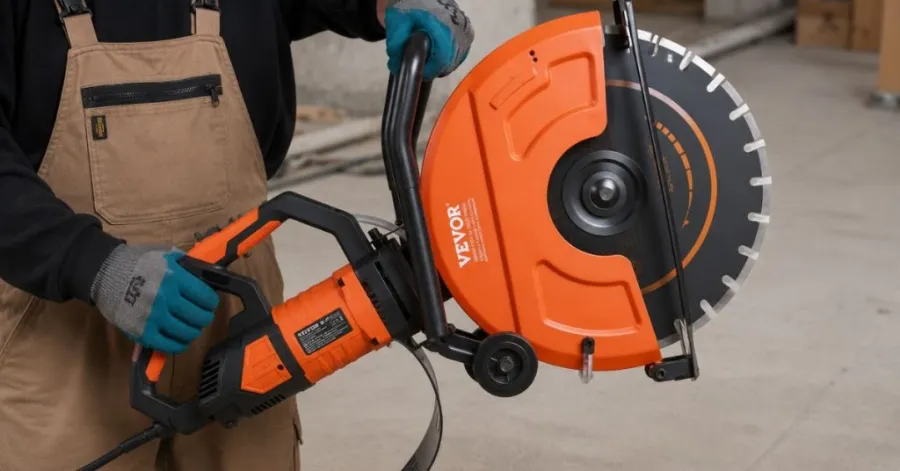
Use a brick cutting saw with proper technique and safety for construction tasks. Wear suitable PPE: gloves, goggles, and a dust mask at all times for protection against dust and debris. Do not permit anyone in the work area while cutting. Diamond blades are well-suited for brickwork because they deliver clean, smooth, and precise cuts. Works with wet and dry saws. Be sure to mark the bricks carefully and cut them, checking the blade for cracks or damage. Do not force the blade into the material. Leave the saw where it is. It can damage the instrument or lead to an accident.
In this article, we will address crucial safety considerations, proper cutting procedures, and the correct use of a diamond blade on a brick-cutting saw.
Types of Brick Cutting Saws
@milusos502 #vevor #iris @Vevor_US #foryou @Iris #parati
♬ sonido original – milusos502
If you need to cut brick pavers, you’ll need the right tool for the job. Different jobs require different types of saws. Your job will be safer and faster with the right saw.
Manual brick saws
The best brick cutting saw for construction work, power manual brick saws. When cutting brick pavers, you slide the blade back and forth. These saws are good for little jobs. These are for when you merely want to chop a couple of bricks. Manual saws take no power. You can take them at any time. They are cleaner and quieter. Cutting brick pavers with a manual saw can make it difficult to achieve flawless edges. You need a steady hand and patience.
Electric brick saws
An electric brick cutting saw price and features that use an electric motor to turn the blade. These saws will cut brick pavers much faster. Most electric saws come with diamond blades. You get clean, straight cuts. For larger jobs, use electric saws. Many of the electric saws are stationary masonry saws. You place the brick on the table and slide it through the blade. When utilizing electric saws, you must adhere to safety requirements—all safety gear must be worn.
Wet vs dry cutting saws
There are wet- and dry-cutting saws to choose from. Wet saws use water to cool the blade and reduce dust. Wet saws can help you see your cut line better. You also protect your lungs from dust. Dry saws use no water. They can be utilized when water is not allowed. More dust with dry cutting. Wear a dust mask and work in a well-ventilated area. Many brick cutting saw for home DIY projects can be used wet or dry.
Which brick saw is best for your project?
How to use a brick cutting saw safely? You’ll want to think about the size and location of your project. A hand saw might work well for cutting brick pavers for a modest garden path. Employ stationary masonry saws for huge patios. These saws help you cut brick pavers fast and well. Use a wet saw for indoor operation or less dust. Select the saw you need. You will be safer and get better results.
| Saw Type | Best For | Power Source |
| Manual brick saw | Small jobs, few cuts | Hand-powered |
| Electric brick saw | Large jobs, many cuts | Electricity |
| Stationary masonry saws | Precision, high volume | Electricity |
| Wet saw | Dust control, clean cuts | Water + Electric |
Essential Safety Equipment Before You Start
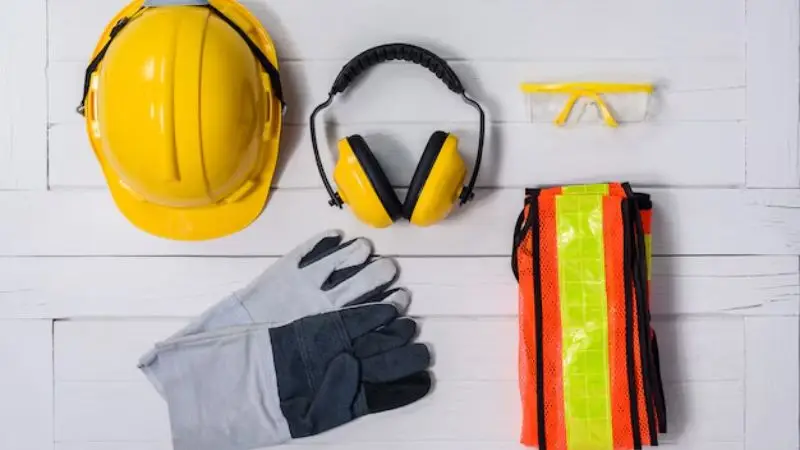
The best brick cutting saw for construction work, operating with safety equipment. You will need to wear personal safety equipment before using a cutting saw. This gear will protect you from flying debris, loud noise, and dust. Never compromise safety practices for your own or others’ safety.
Protective eyewear and face shields
Your eyes must be carefully protected. You could be hacking off huge chunks of masonry and have little fragments fly in your face. Wear safety glasses or a face shield. These will keep out dust and sharps. You view your work more clearly and get fewer injuries.
Gloves and dust masks
How to cut bricks accurately with a saw? Your fingers graze rough masonry and sharp tools. You want to wear gloves to prevent cuts and scrapes. Gloves also provide you with a better grip on the saw. You must wear a dust mask when cutting the bricks. Brick dust is harmful to the lungs. A dust mask protects you from breathing in unclean air and from microscopic particles getting into your lungs. A dust mask is an integral part of your personal protection equipment.
Hearing protection for loud cutting tools
The brick cutting saw for home DIY projects is extremely loud. These noises can damage your hearing. You should use earplugs or earmuffs. Hearing protection lets you focus and work longer without pain. Every time you cut bricks, you need to wear ear protection.
Safety boots and work clothing
Good shoes for your feet. Safety boots protect your toes from falling debris and other dangerous objects. Put on steel-toe boots. Work clothing protects your arms and legs. This piece of clothing protects you against wounds and burns. When operating a cutting saw, you must wear the required PPE.
Preparing to Use a Brick Cutting Saw
Inspecting the saw for damage or wear
Check your wet vs dry brick cutting saw comparison periodically before you start. Check for loose components, missing screws, and cracks. Do not cut or otherwise damage the power wire. Ensure that the blade rotates easily by hand. Check the saw for damage and fix it before use. A safety device keeps an accident from happening to you.
Choosing the correct blade for the brick type
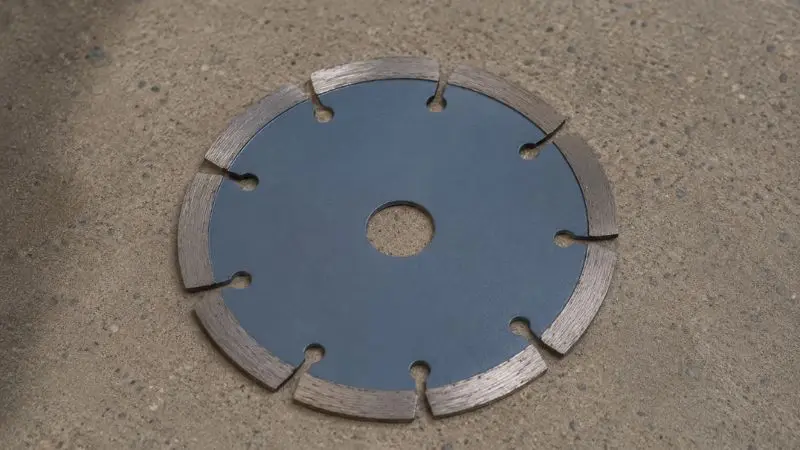
How to use a brick cutting saw safely? You’ll need to choose the right blade for your work. Most brick cutters use diamond blades. These blades cut straight through brick. Some bricks are harder than others. Check the blade label to ensure it is compatible with your brick type. Using the wrong blade might cause the saw to work harder and produce rough cuts. Best results, sharp blade.
Marking and measuring bricks accurately
You need to measure each block before you cut. Measure the cut line using a tape measure and pencil. Make sure you measure twice. A straight line will help you guide the saw and make a straight cut. If you are cutting multiple bricks, use a template. Marking will be quicker.
- Measure twice, cut once, better.
- For crisp lines, use a straight edge.
- Mark both sides of the brick for improved accuracy.
Setting up a stable and safe workspace
Put your best brick cutting saw for construction work on a workbench or another firm surface. Make sure the surface is even and doesn’t wobble. Remove all rubbish and loose tools. Good light will show you what you’re doing. Keep the work area clean. Keep children and pets away. If you are using a wet saw, you should also have water on hand. A safe setting makes it easier to concentrate and work faster.
Step-by-Step Guide on How to Use a Brick Cutting Saw
Positioning the brick correctly
Before you can cut bricks, you have to lay the brick on the saw table. Make sure the brick is flat and doesn’t rock. You want the suggested line to point upward so you know where to cut. Hold the brick in your hands. Don’t touch the blade. If you set it correctly, you will be able to cut straight edges and avoid mistakes.
Starting the saw safely
Make sure the electric brick cutting saw price and features are turned off before you connect it. Wear your safety equipment. Do not stand in front of the blade, but beside it.” Turn on the brick saw and let the blade attain full speed. Cut bricks, then wait a few seconds. This will keep you safe and will allow the saw to function well.
Making a controlled and steady cut
Set the block carefully on the blade. Don’t rush. How to cut bricks accurately with a saw? Let the saw that cuts the brick do its thing—guiding the block with both hands. Keep the pressure on even on cut bricks. This slicing approach provides clean cuts and smooth edges. If the saw begins to bog down, stop and examine the blade.
- Shift the block slowly.
- Never force the blade through the block.
- Cut and observe the yellow line.
Avoiding common cutting mistakes
We all make blunders when cutting bricks. You’re either doing too much or you have a dull blade. Mistakes could shatter the brick or harm the cut edges. Always use a sharp blade and cut on the line you drew. Always test your settings before each cut. The better you become at your cut, the more you cut.
Finishing the cut and removing debris
Brick, cut. Turn off the cutting saw. Allow the blade to stop. Take the brick off and examine the wound. Picking over dust and small pieces. Clean the workspace when you have finished with your task. This habit will help keep your tools in condition and prepare you for your next cut.
Safety Tips for Using a Brick Cutting Saw
Avoiding kickback and blade binding
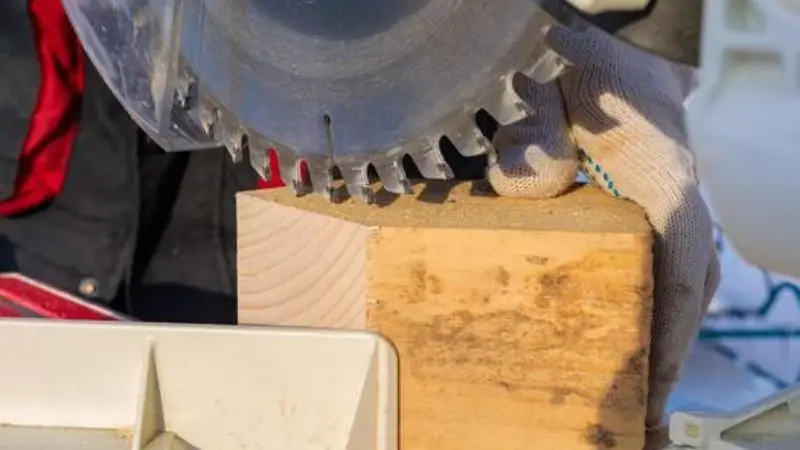
If you use a brick cutting saw for home DIY projects, you have to be wary of kickback and blade binding. Kickback occurs when the blade grabs the brick and pushes it back towards you. If you hold the brick firmly and feed it carefully into the blade, you can avoid this. Always use a sharp blade. A dull blade can bind, and the saw will jerk. Stop and check the blade immediately if the saw slows down or makes a weird noise.
Maintaining a safe distance from the blade
Do not place your hands or fingers near the moving blade. How to cut bricks accurately with a saw? Hold the brick with your hands on its sides, away from the line you are cutting. Some saws contain a guard to protect your hands. Always use your saw’s guard if it has one. If you need to make a little cut, use a push stick or clamp to hold the brick, not your fingers.
Working in a well-ventilated area
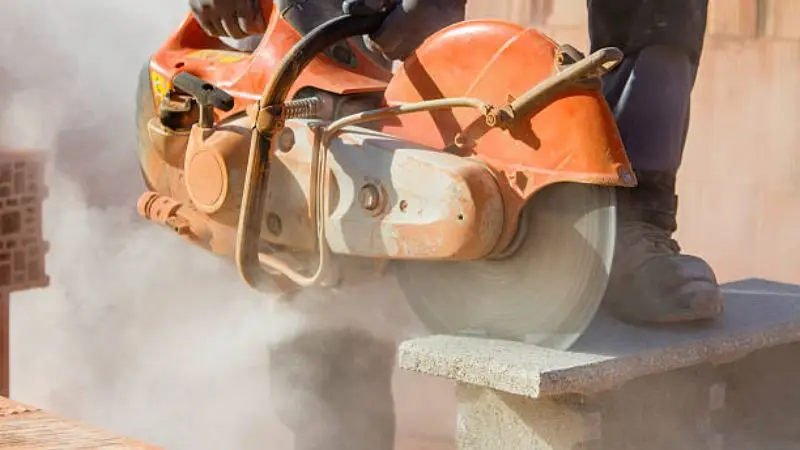
Always cut bricks outdoors or in a ventilated location. Wet vs dry brick cutting saw comparison: dust is quick — may choke you. Keep the air flowing about your workspace by using a fan or opening a window. If you are working outside, select a spot away from people and pets. And good ventilation is one of the most important things you can do to stay healthy and safe.
Handling dust and silica exposure safely
The electric brick cutting saw price and features produce dust containing silica. Breathing silica dust can harm your lungs. Every time you cut bricks, wear a dust mask or respirator. Wet saws help with dust, but you still have to take safety precautions. Don’t sweep up. Vacuuming can stir up dust particles. Vacuum or wipe with a damp towel.
| Safety Tip | Why It Matters |
| Use sharp blades | Prevents kickback and binding |
| Keep hands away from the blade | Reduces risk of injury |
| Work in a ventilated area | Protects your lungs |
| Wear a dust mask or respirator | Blocks harmful silica dust |
Conclusion
Following the proper safety regulations will not only help you perform your job better with brick cutting saw. You will also avoid being injured. Protect yourself. Keep the area clean and make sure you have the correct saw and blade. By checking and repairing them regularly, you will have better tools that last longer. If a job is carefully planned and the workers are kept safe, it will run more smoothly and get more done. You may achieve clean, professional results at work and be happy with your career by making sensible decisions and sticking to them. Safety First. Regardless of the size of the building job, safety should always be the priority.
FAQ
How often should you replace a diamond blade?
If your saw is cutting slowly, leaving rough edges or causing damage, then it’s time to change the blade. Check the blade before each project. A sharp blade equals cleaner, safer cuts.
Can you cut bricks indoors?
Cutting bricks inside with a wet saw is fine as long as you are working with good ventilation. Always use a dust mask. Open windows and use fans to push dust away.
What should you do if the saw makes a strange noise?
Stop the saw off at once. Remove the plug and check the blade and motor. Strange noises can signify a loose or damaged element. First, solve the problem.
Which bricks are hardest to cut?
Clay or high-density bricks are the toughest to cut through. You need a good diamond blade for these bricks. Always check the brick kind before you start.
What PPE do you need for brick cutting?
| PPE Item | Purpose |
| Safety glasses | Protect your eyes |
| Dust mask | Block harmful dust |
| Gloves | Guard your hands |
| Ear protection | Reduce loud noise |
| Safety boots | Shield your feet |