
You can cut with a chainsaw in many ways; however, the most common is cutting down trees for firewood or using the chainsaw to create smaller pieces of wood for other purposes. To ensure clean cuts and consistent results when cutting small branches or large tree trunks, you should know a few things. This guide covers chainsaw cutting, including which chainsaw to buy, how to take accurate measurements, how to make precise cuts, and which mistakes to avoid. This guide will also introduce you to safety procedures to help you protect yourself and your equipment.
Essential Tools for Cutting Logs with a Chainsaw
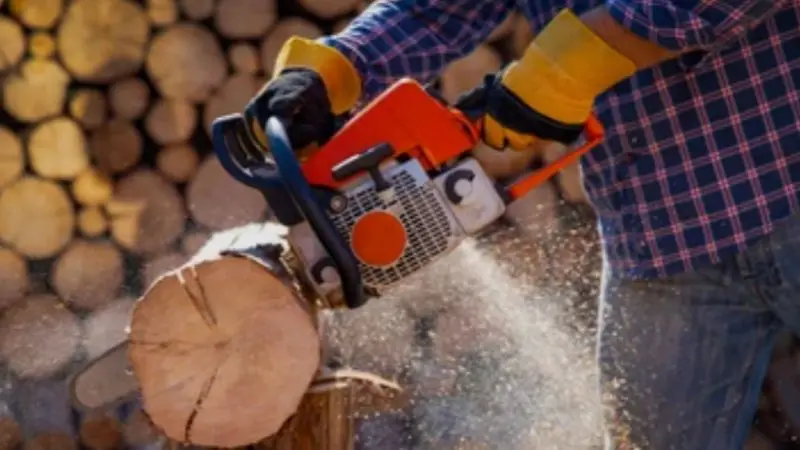
Choose tools that help you cut logs faster, with greater accuracy and less risk. Choose a chainsaw with a suitable guide bar and chain for your wood type and size, and always wear proper safety gear.
Recommended For Your Project
Choosing the Right Chainsaw for Cutting Logs
The log size, wood type, and number of cuts will dictate the type of chainsaw required. Electric chainsaws suit small logs and may work for some household projects; mechanical models suit large logs and more complex operations. Wireless batteries let you work without being tied to fuel or power cords. If you decide to use a chainsaw for cutting wood, consider power, weight, bar length, and comfort. A manageable chainsaw is easier to control and reduces fatigue during longer sessions. Choose a model based on your experience, and follow the manufacturer’s operating instructions. To achieve consistent results, select a saw that fits the wood size and the requirements of your chainsaw cutting tasks.
Chainsaw Guide Bar and Chain Selection
The guide bar and chain affect the cutting power, accuracy, and control. It is easier to handle shorter log cuts than long lines of logs. The bar should be similarly capable, though, of delivering the same strength as the chainsaw and the specifications you choose. You need a sharp chain to cut well, and for this purpose 12″ chain saws will suit your saw and cutting needs. A boring chain requires more force and could lead to loss of control. Check the chain tension and inspect the guide bar for damage or wear before cutting. Define, sharpen, or replace as per the manufacturer’s instructions. A guide bar that matches the chain and a sharp chain help keep cutting smoother and easier to control, especially during each pass.
Essential Chainsaw Safety Gear
Personal protective equipment is important if you are using an 18-inch chainsaw. Wear a properly equipped helmet in case of risk, together with safety eyewear or a face shield, to protect upper limbs from flying debris or falling objects. Hearing protection, chainsaw-resistant pants or chaps, and suitable protective shoes also help reduce injury risks. Use gloves that offer a secure grip and follow the manufacturer’s recommendations. Secure saw cutting of wood also requires a first-aid kit and a charged telephone near the vehicle in an emergency. Before each session, check your protective gear, and never operate the chainsaw while wearing clothes that can get caught in moving parts. Wear proper safety gear and inspect the work area before starting your chainsaw.
Log Stands, Measuring Tools, and Other Accessories
Stable support and basic measuring tools help you to prepare logs for precision cutting. While a tape measure will help mark consistent lengths, a sturdy log positioner or appropriate sawbuck can keep smaller logs at a workable height. The scratch or marking tool facilitates the visibility of the cutting points. For larger logs, use properly rated equipment and support designed for the load rather than relying on improvised provisions. While cutting wood with a 20-inch chainsaw, keep the working area free of loose branches, tools, and travel risks. Use cutting wedges to keep the kerf open and prevent the chainsaw bar from getting pinched. Never use your hands or feet to hold logs during cutting. Utilizing appropriate supports and measuring tools helps make chainsaw log cutting more accurate and reduces unwanted movement of the logs.
Easy Steps for Cutting Logs With a Chainsaw
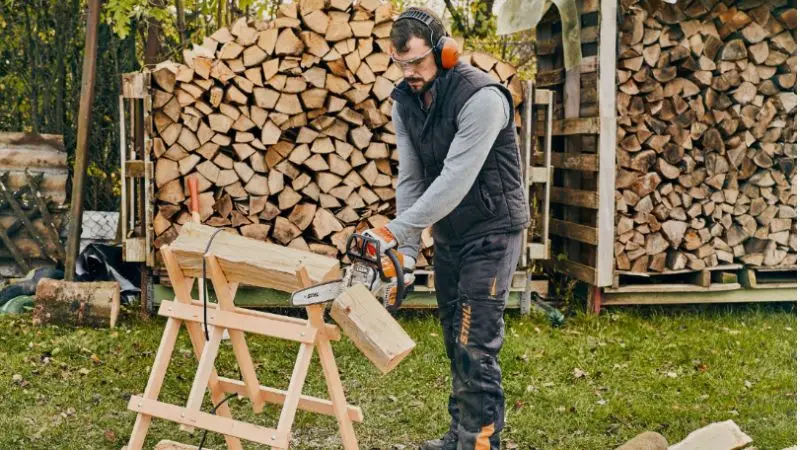
Monitoring the process helps to produce even pieces and maintain control of the chainsaw. Before you make the first cut, assess the wood, prepare your workspace, and identify possible hazards. These steps are particularly important when learning how to cut logs safely with electric chainsaws because logs may accidentally shift or roll. Work slowly, avoid uncomfortable positions, and never cut the cuts for a while. Following a consistent sequence makes chainsaw log cutting easier to organize, from the initial inspection to the final check of each piece.
Step1: Inspect and Prepare the Logs Before Cutting
Begin by finding any log with loose bark, embedded rocks, nails, or any other object that might damage the chain. You will search for branches, uneven surfaces, and,d if possible, you will get indications that wood may be under tension. Logs that rest on hills or are confused with other wood can move suddenly if cut. To safely cut through the gas chainsaw, clear the adjacent area and have a stable working position before the saw starts. Remove loose debris only if it’s safe, and avoid moving heavy logs by hand without proper equipment. When wood is hung, caught, or badly curved, seek assistance from an experienced operator instead of trying a risky cut.
Step 2: Measure and Mark the Required Log Length
Decide how long each piece should be finished before it is cut. Firewood lengths are usually different depending on the size of the stove or fireplace, so check the requirements of the equipment instead of relying on the standard measurement. Use a measuring tape to mark each point in the cutting process with chalk or any other visible marker. When cutting the chainsaws, steady marks serve to produce even pieces and to reduce wood intake. Measure from the same end of the log each time, and double-check the marks before proceeding.
Step 3: Secure the Logs on Stable Support
The logs have to remain stable during cutting. Place smaller pieces on the appropriate sawn material or logarithmic bar so that they cannot slip, slide, or fall as the cut moves. Larger logs may be necessary for the correct rated mechanical handling equipment or planned cutting setup. Never ask anyone else to hold a log with your hand whilst using a chainsaw. Secure support is a significant component of chainsaw log cutting as unexpected movements may lead to binding the chain or kicking the saw back. Keep your feet on a hard and flat surface and maintain equilibrium. If a log cannot be secured securely, then stop and arrange for a safer cutting method.
Step 4: Make Controlled Cuts Using the Correct Technique
Start the powered chainsaw as specified in the manufacturer’s instructions, using the chain brake and starting procedure as specified. Hold the saw firmly with both hands, keep a firm stance, and keep your body from the cutting line. Allow the chain to cut naturally without pushing the bar too hard through the wood. When you’ve been training how to cut a log with a chainsaw, follow the label and keep your position steady, without bending the saw. Avoid cutting with the bar tip, which may lead to dangerous setbacks. Never cut above shoulder height, and stop at the same time the hull slides, the chain is trapped, or you lose a safe foot. Understanding how to cut logs with a chainsaw safely also means maintaining a firm stance, using both hands, and stopping if the log shifts unexpectedly.
Step 5: Check Each Cut and Organize the Finished Logs
After completing the cut, turn the throttle off and follow the manufacturer’s chainsaw stop or fixation procedure before verification. Check that the pieces have separated freely and whether there is still some wood under tension. Do not pull the caught parts apart as the chain moves or attempt to release a pinched rod with an engine running. Consolidated inspection helps improve the quality of chainsaw cutting wood and identifies problems for the next cut. Move finished pieces only when they can be safely treated, and stack them away on a stable floor away from the cutting area.
Common Chainsaw Log Cutting Techniques
Different log positions create different forces on the wood, so one cutting method will not suit every situation. Understanding how to support a log helps you identify where it can compress, split, or move as the cut deepens. The techniques below explain common situations of cutting into chainsaw timber from the preparation of small firewood to the use of thicker wood. Choose methods which are suitable for your training and powered equipment, and leave complex or unstable logs to a qualified operator. Choosing a method that suits the log’s position and weight helps make chainsaw log cutting more controlled and predictable.
Bucking Logs Into Shorter Sections
Bucking is to cut a felled tree or long log into shorter sections. These sections can be used for firewood, woodworking, or more convenient transport. Check the bottom of the log before you begin and see if the weight can close the cut or roll the wood. For routine chainsaw cutting, mark the required lengths and make sure the log is safely supported. Avoid contacting the bottom of the guide bar, because this could quickly bore the chain. Make sure that cuts can fall or separate without touching your legs or catching the saw.
Cutting Logs Supported at Both Ends
A log that is supported on both ends may drop under its own weight, placing tension on the top surface and compression on the bottom surface near the center. As a cut deepens, these forces can ensure that the indentation closes or that the log breaks unexpectedly. This makes it harder to saw chainsaws when the middle of a log is not supported. Before cutting, assess the weight, span, and support of the logs and use appropriate equipment to keep them stable. Avoid guessing where the wood will separate itself from the wood.
Cutting Logs Supported at One End
When one log is resting from one end to the other, while the other is stretching out, the unsupported weight can bend the wood. This is often caused by top-surface compression and downward tension, increasing the probability of a split as the cut progresses. The direction of the load should be determined during the cutting of the chainsaw before deciding how to move forward. Never stand under an unsupported section, or place yourself where the log can fall or roll. If appropriate, use stable support and corresponding mechanical equipment and avoid cutting suspension logs unless you are properly trained. Since wood can move suddenly, an experienced chainsaw operator must handle complex or severe situations.
Cutting Small Logs for Firewood
Small logs are often easier to use, but they still need safe support to cut. Use a proper sawbuck or log stand to support the wood, keeping your arms and feet clear of the cutting path. When you learn to cut logs with a chainsaw for firewood, you first measure the length of your stove or fireplace. Make clear markings and work through manageable parts rather than trying to cut together several single logs. Keep the chain sharp and avoid cutting the saw through the wood. After each cut, fasten or stop the saw before the finished piece, and stack the firewood where it will remain stable. When learning how to cut logs into firewood with a chainsaw, use consistent measurements so the finished pieces fit your stove or fireplace.
Handling Large Logs and Thick Tree Trunks
Large logs require more planning as their weight, diameter, and internal loads may complicate their control. Before cutting large logs with a chainsaw, assess the terrain, support points, and possible movement of the wood. Select a chainsaw and guide bar that is approved for the task, but do not forget that a longer bar will not automatically make a cut safer. Do not try to cut outside of the saw’s capacity or to obtain a trunk with the bar tip. Heavy cases can require wedges, lifting equipment, or professional help. When a tree is suspended, entangled, or under considerable stress, contact a trained expert instead of trying to release it yourself.
How to Select the Best Chainsaw for Log Cutting
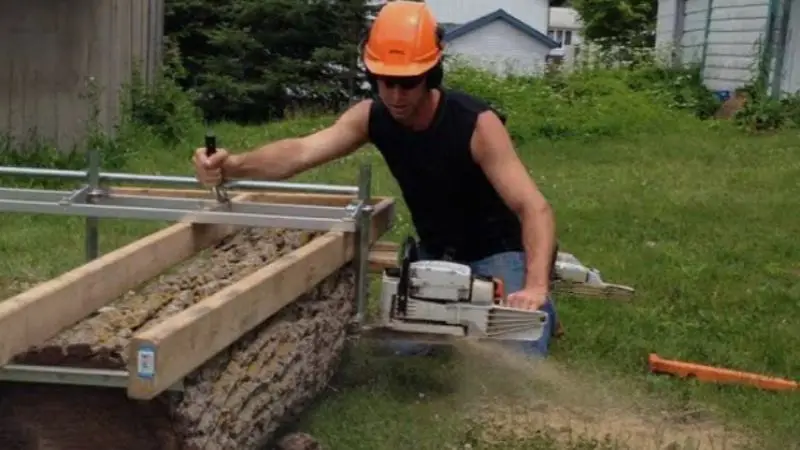
The choice of a true chainsaw depends on the size of logs, wood type, and the frequency of your cutting plan. While others are more suitable for small home projects, some of these models are designed for heavy-duty use. Understanding these differences will help you choose equipment that meets your needs. Before making a decision, consider the following options.
Gas Chainsaws for Heavy-Duty Log Cutting
Gas chainsaws are ideal for complex open-air operations, including thick logs, large trunks of trees, and significant quantities of firewood. They provide strong cutting power and help you remove obstacles. This makes them useful for farms, wooded land, and areas with limited access to electricity. If you need to learn to cut large logs with a chainsaw, choose a model with sufficient performance and an appropriate guide bar for the job. However, gas chainsaws require fuel, regular maintenance, and careful treatment. They can also be heavier and noisier than electric models, so before choosing them, consider what you’re going through with your experience and your physical comfort.
Battery-Powered Chainsaws for Small Logs
Battery-powered chainsaws are comfortable for homeowners who are forced to cut small logs, cut branches, or occasionally prepare firewood. They start easily, generate no exhaust emissions from operation, and usually require less routine maintenance than gas-powered models. Their portability also makes them useful in areas without easy access to electricity. If you select a battery-powered saw, compare the voltage, operating time, chain speed, and recommended length of the bar to guide your choice. These characteristics affect how efficiently it handles different wood sizes. A smaller model may be enough for normal yard work.
Corded Electric Chainsaws for Home Use
Corded electric chainsaws are a practical choice for homeowners cutting smaller logs close to a mains outlet. They provide continuous power without the need to replace fuel or batteries, making them useful for periodic wood preparation and gardening. When selecting a model, check its motor power, recommended guide bar length, and suitability for the logs that you are planning to cut. In a suitable outdoor area, for beginners learning to cut wood with a chainsaw for firewood, a corded model can work well with manageable pieces. Use an outdoor-rated extension cord, which corresponds to the manufacturer’s requirements, and keep it off the chain and the cutting path. Avoid the use of a saw in a wet environment or where the cable may be damaged.
How to Choose the Right Guide Bar Length and Engine Power
The guide bar length and output performance must correspond to the size and type of wood that you intend to cut. Smaller logs are typically more readily controlled, while wood can be used for denser saws with a longer approved bar. A longer bar can, however, add weight and make the chainsaw harder to handle. Compare, prior to your purchase, the recommended bar lengths of the manufacturer, the cut capacity, and performance specifications. Look at the weight, the weight, and the performance of the saw. Never try to cut further than the nominal capacity of the chainsaw, and remember that the use of a larger saw will not automatically help to make a difficult job safer.
Wrap Up
Successful cutting with a chainsaw depends on the selection of the appropriate equipment, adequate log preparation, and controlled cutting methods. A sharp chain, the right guide bar, stable supports, and protective equipment can improve cutting accuracy and reduce avoidable risks. Always assess the size, weight, and position of the log before you start, especially when working with thick logs or under tension. Avoid making saws, cutting the rough log, or trying to outrun your professional experience. With careful planning and regular maintenance of the equipment, you can prepare continuous firewood and manage the logs more efficiently. Ask for professional help for dangerous or difficult wood. With the right equipment, preparation, and technique, chainsaw log cutting can produce consistent results while helping reduce avoidable risks.
FAQs
How can it be safe to cut logs using a chainsaw?
Wear chainsaw-resistant clothing, eye protection, ear protection, and matching boots. Secure logs on stable supports, hold a fixed two-hand grip, and follow the manufacturer’s operating instructions.
How to cut logs straight with a chainsaw?
Measure the desired length with a tape, mark a clear line, secure the log, and hold a balanced posture while regularly guiding the saw through the wood.
How to cut large logs with chainsaws?
Use a log-size chainsaw, assess the wood’s weight and tension, and provide stable support. Leave suspended or very tight logs to trained professionals.
Which chainsaw would be the best to cut wood into firewood?
The best chainsaw depends on log diameter, wood type, and the volume of work. Battery-powered and corded models suit smaller tasks, while gas chainsaws are better for demanding cutting work.
How many times do you have to sharpen chainsaws?
Sharpen the chain when it is struggling to cut, produces fine sawdust instead of large chips, or requires additional pressure. Follow the manufacturer’s instructions for sharpening and check for damage.