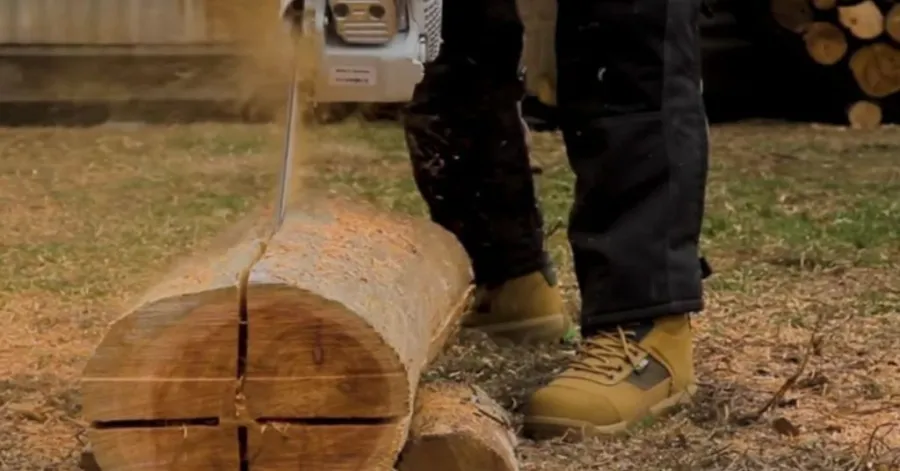
Cutting firewood helps you prepare fuel for fireplaces, wood kilns, and outdoor combustion systems. Learning how to cut firewood involves selecting the right tools like powered chainsaws, measuring logs, cutting them into manageable sections, and splitting the wood into smaller pieces. Depending on the size and condition of the logs, you can use a chainsaw or traditional manual tools. Safety is important during the whole process, especially when working with thick trunks or fallen trees. As freshly cut wood takes time to dry before burning, the correct storage is also relevant. With the right methods, you can safely prepare and store firewood.
What You Need to Know Before Cutting Firewood
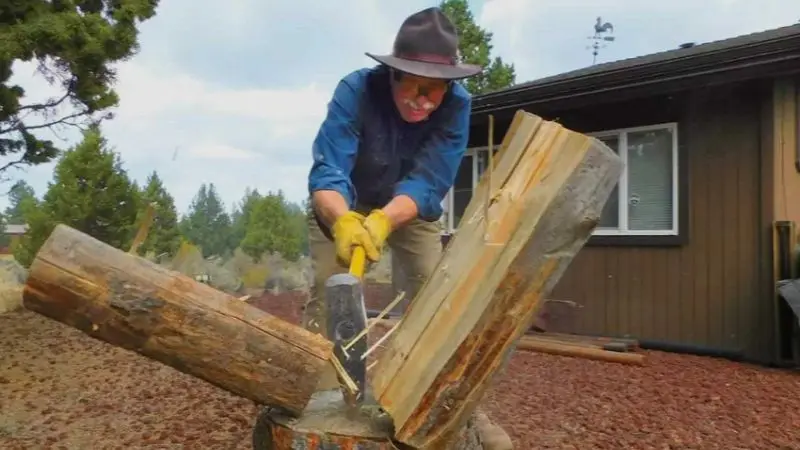
Before you learn how to cut firewood, it is important to prepare the right tools for selecting suitable wood and understanding fundamental safety practices. The correct preparation helps you cut logs into manageable pieces for splitting, drying, and storage. It also reduces the risk of injury and wood waste. So, whether you use small branches or large logs, think about the condition of the wood and your tools. A stable work area, appropriate protective gear, and a clear cutting plan could enhance and improve the safety of the entire process.
Recommended For Your Project
Choose the Right Tools for Cutting Firewood
Choosing the appropriate equipment makes cutting firewood much easier, especially when working with logs of various sizes. Whereas a bow saw or hand saw is good for smaller branches, a chainsaw is useful for cutting thick logs and large trunks into shorter sections. An axe or split Maul helps to split sections into sections that are suited for fireplaces or wood stoves. You may also need a sturdy sawhorse or wood cutter to maintain the wood’s stability when cutting. Make sure that your tools are sharp, clean, and in good condition before starting. Using the right equipment helps you work more efficiently and keep better control.
Wear Proper Safety Gear Before Cutting
Safety equipment is important if you work with sharp tools or with powered cutting tools. When you learn to cut firewood with a chainsaw, wear safety eyeglasses or facial protectors, ear protectors, chainsaw-resistant leg protection, stable boots, and matching gloves. Appropriately fitted helmets are also needed when overhead branches or falling limbs are likely to pose a danger. Keep other people and pets out of the cutting area and never work on unstable ground. Before starting, check your equipment and make sure you know how to safely operate it. Avoid loose clothing that can be trapped in moving parts, and never cut wood if you get tired or distracted.
Select Suitable Wood for Firewood
The choice of suitable wood helps you prepare firewood that burns effectively and is easier to manage. Hardwoods like oak, maple, and ash are popular because they generally provide long-lasting heat when split well. The best choice, however, depends on the local availability and how you intend to use firewood. When deciding how to cut firewood by hand, begin with manageable branches or logs that can be firmly protected. Avoid rotten wood, wood contaminated with, or under cover of, chemical wood. Freshly cut wood typically contains a lot of moisture, which means it takes time to dry before it burns. Select sound,d use-ready pieces and divide them into dimensions in order to facilitate cutting and stacking.
How to Cut Firewood Step by Step
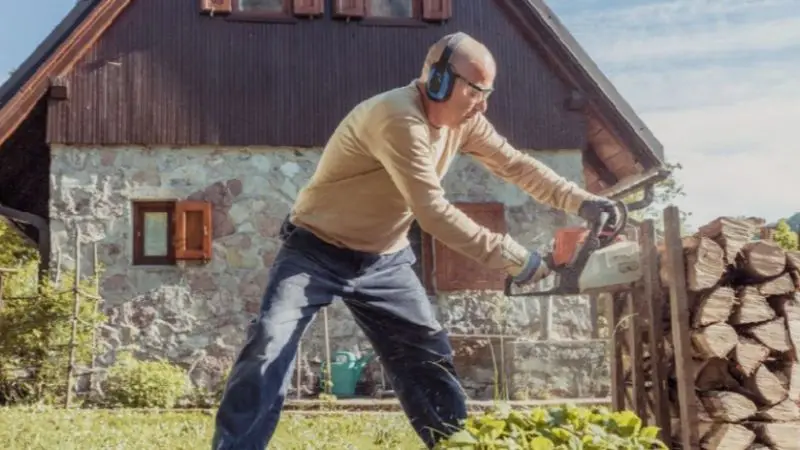
You can start cutting the equipment into sections by selecting suitable wood and by preparing it. A consistent process helps you to produce pieces that are easier to split, dry, and store. The method that you choose will depend on the diameter, length,h and condition of the log. When learning how to cut firewood, start with smaller, more stable logs before you move through those big pieces. Prepare a clear range of operation, measure the required length, and secure each log before cutting. Never place your hands or feet close to the cutting line, and make sure that the wood can not roll or move unexpectedly.
Step 1: Prepare and Secure the Logs
Start by removing the working area of loose branches, stones, and other obstacles that may interfere with cutting. Study each log for cracks, bark, nails, or other objects that may damage your tools. When you learn how to cut fallen trees for firewood, thoroughly check for branches under tension and trunks that can roll or move while cutting. Place smaller logs on a stable sawhorse or appropriate support to ensure they are safe throughout the process. Suitable logistical and mechanical handling equipment may be required for larger logs. Never try to stabilize the log with your foot or hold it with your hand close to a movable blade. Stability in positioning helps to reduce traffic, thus increasing control of cutting.
Step 2: Measure the Logs to the Right Length
Measuring your logs before cutting helps ensure that the finished firewood fits your fireplace, wood stove, or outdoor fire pit. Check the dimensions of your device and allow for sufficient clearance for easy loading and airflow. Many have cut firewood into wood between 14 and 18 inches long. But the ideal measurement is subject to space and heating. When considering how to cut small logs for firewood, use a measuring tape and mark the cutting points with chalk or a lumber crayon. Keep measurements consistent, making it easier to stack and handle the pieces. Always attach the log before cutting at the points indicated, and never measure or inspect a tree when working on the chainsaw.
Step 3: Cut the Logs into Manageable Sections
After measuring and locking the wood, cut each log into parts easier to lift, split, and store. Use a suitable electric saw and follow its operating instructions while maintaining firmness and control over each cut. If you need to learn how to cut large logs into firewood, work with a stable support carefully and avoid cutting a trunk that might unexpectedly clamp the saw or roll. Large or suspended logs can have hidden stresses, so before any cuts are made, their position must be evaluated. Never cut up or use resistant wood to force a blade above shoulder height. Once the cut is fully made, let the saw stop safely before the wood is moved or the next cut prepared.
Step 4: Split the Wood into Smaller Pieces
Once the logs are cut into shorter sections, divide them into pieces corresponding to your heating needs. Place each section on a stable cutting block using a suitable axe or split Maul. If possible, aim for existing cracks, as they can easily divide the wood. If you want to find out how to cut firewood without chainsaws, the hand saw can be used to shorten smaller logs before manually dividing them. Keep your feet away from the cutting area, conserve enough room around you, and never split wood on unstable ground. Prepared pieces must be sufficiently small to correspond to your unit and to ensure that the airflow is adequate during drying.
How to Cut Firewood With a Chainsaw
A powerful chainsaw is a practical tool for handling thick trunks, fallen trees, and large quantities of wood. It can help you cut logs into shorter sections before they split for a fireplace or wood stove. In order to prevent accidents, however, safe handling and good logging practices are essential. If you are learning how to cut firewood with chainsaws, choose a suitable cutting area, check your equipment, and understand how the wood can move during cutting. Always follow the safety instructions from the chainsaw manufacturer and avoid cutting logs that are unstable or under tension.
Step 1: Prepare the Chainsaw and Work Area
Before starting, check the firewood-cutting chainsaw, bar, chain brake, and lubrication system in accordance with the manufacturer’s instructions. Make sure the chain is pulled sharp and correctly, and wear the necessary protective equipment, including eye protection, hearing protection, and leg and foot guards. Clear the work area of individual branches, stones, and other obstacles. When learning how to cut firewood, keep bystanders safe and make sure you have a stable foundation. Mount the log with appropriate props to prevent it from spinning during cutting. Start the chainsaw by following the instructions, hold a firm grip with both hands, and never cut over shoulder height.
Step 2: Cut Large Logs Into Firewood
Large logs require careful planning, as their weight and internal pressure may complicate their handling. Firstly, assess the log situation, and determine whether it could roll, change, or close around the saw during cutting. If you learn to cut large logs into firewood, use stable supports and cut the trunk into manageable segments that are easier to move or divide. Avoid going down from a log that could roll, and never try to lift tough sections alone. The proper approach to cutting depends on how the log is supported and when the pressure is exercised. If the trunk is hung, stretched,d or too large to handle safely, then please contact a trained professional.
Step 3: Cut Small Logs for Firewood
Small logs and branches tend to be easier to process than thick trunks but still need appropriate support. Loose branches can twist, snap, or run by sudden contact with the chainsaw. To understand how to cut small logs for firewood, place each piece on a sturdy sawhorse or appropriate support and protect it from cutting. First, measure your desired length to ensure that your finished sections fit on your stove or fireplace. Avoid slicing several loose branches, or holding the small log with one hand while the gas saw is in motion. Keep your body away from the cutting edge and let the chain stop completely before reloading the wood.
Avoid Common Chainsaw Cutting Mistakes
Regular mistakes in a chainsaw include cutting volatile logs, using a dull chain, ignoring rail pressure, and the ability to contact another surface with the guide’s nose. These mistakes can increase the risk of kickback, pinch, or loss of control. If you practice cutting firewood with a chainsaw, never force the saw by cutting, or if you are tired, do not use it. Keep both hands on the saw, keep the balance in position, and follow the instructions of the manufacturer. Avoid cutting at shoulder height or working together with others. If the log starts to switch or the saw is trapped, instead of dragging away or forcing the equipment, stop and evaluate the situation.
How to Cut Firewood by Hand
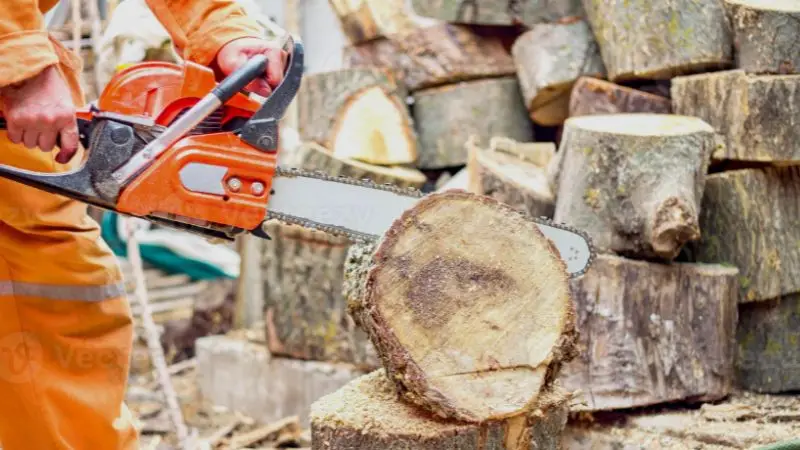
Manual cutting is a handy option when you need to process a small amount of wood or do not want to use powered equipment. Hand saws, bow saws, axes, and splitting mauls can process various stages of firewood preparation. The best tool depends on the size of logs and how much effort you can manage. Cutting firewood begins by hand with choosing the right tools and securing the wood. While handheld tools prevent some of the dangers of chainsaws, sharp blades and heavy instruments may still cause serious injury; carefully inserted and monitored movements are still essential.
Step 1: Use a Bow Saw or Handsaw for Cutting Logs
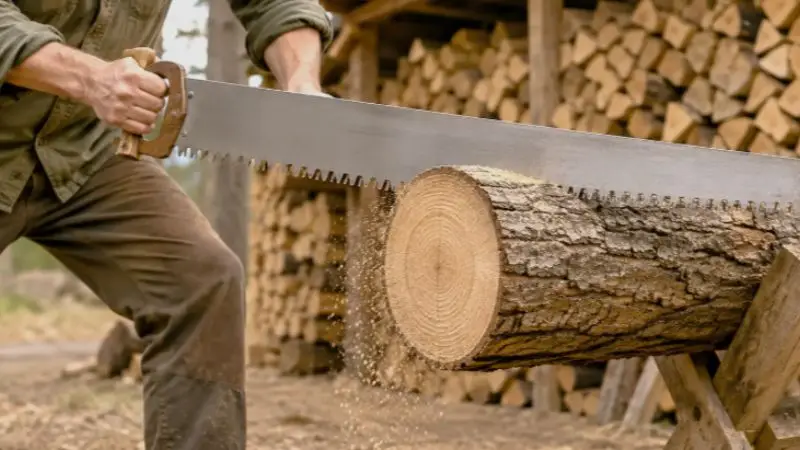
A bow saw, or handsaw, can cut small trees and branches without fuel, electricity, or an engine into manageable sections. Choose a blade cutting saw suitable for the size and condition of the wood. If you learn to cut firewood without a chainsaw, then secure the log on a stable support and mark the desired cutting length before starting. Instead of pressing too hard, use persistent, controlled strokes that can induce a blade to bind or slip. Keep your free hand from the cutting path and make sure that the wood cannot roll. A sharp and well-maintained saw tends to cut more efficiently and requires less effort than a dull one.
Step 2: Split Firewood With an Axe or Maul
After cutting logs into shorter sections, use an axe or split maul to split them into smaller parts. Set the wood upright on a solid chopper on solid, level ground. Choose a tool that you can easily control, and check the handle and head for damage prior to use. When you learn how to cut firewood by hand, you aim at visible cracks or natural splits in wood because they can facilitate splitting. Keep your feet and other parts of the body free from the striking surface, and make sure no one is nearby. Use a suitable mechanical fragment or seek more expert assistance for oversized or unusually twisted logs.
Step 3: Cut Firewood Without a Chainsaw
You can prepare firewood without chainsaws by manually cutting and splitting. The bow saw, or hand saw,w can be used to shorten small branches and manageable tree trunks, while an axe or machete can divide segments into burnable pieces. The process takes longer, so work at a comfortable pace and take breaks if necessary. For cutting firewood without a chainsaw, start with smaller pieces that are easy to secure and handle. Avoid improvised cutting tools or installing logs on unstable surfaces. Once you cut and split the wood, stack it in a well-ventilated space so that it can dry well before burning.
How to Cut Fallen Trees for Firewood
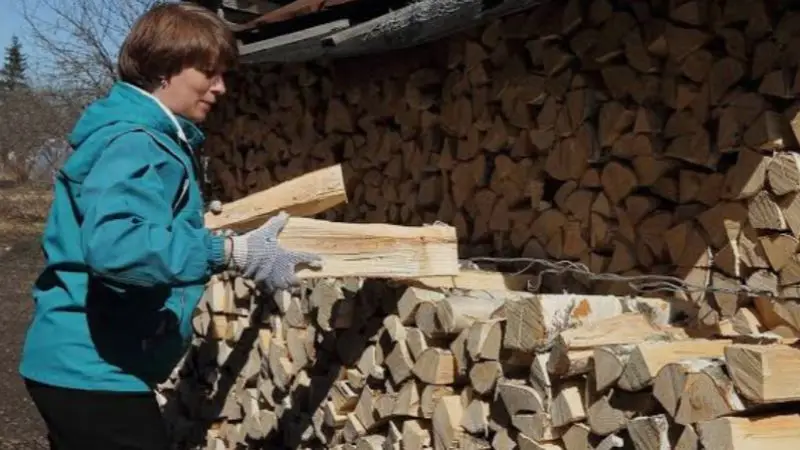
Fallen trees may provide useful firewood, but could be more hazardous to process than logs that are already on stable soil. After falling, the tree’s branches, stems, and root plates can stay under pressure, particularly after a storm. Before choosing how to cut fallen trees for firewood, investigate the position of the tree and identify the sections that can move when released. Check the area for hanging branches and other hazards. Work only with wood you can safely judge and support. If the tree is suspended, confused with other trees, or under considerable tension, leave it to a qualified tree professional.
Step 1: Inspect the Fallen Tree Before Cutting
Start hiking around the fallen tree and check out how the trunk, branches, and root plate have been positioned. Look for hanging parts, bent branches, unstable ground, and signs that the tree can roll or shift. Understanding how to cut firewood out of a fallen tree begins with a recognition of the danger before cutting. Do not stand under hanging limbs or near a root plate that can leap back into place. Check that the trunk is securely placed on the ground or supported at several locations. If you cannot determine how the wood will move if it is cut, then do not go ahead. A specialist can assess the difficult situation and more safely delete a tree.
Step 2: Cut Firewood From a Fallen Tree
After having tested and reliably processed a fallen tree, you can separate the easy-to-read sections after the intended length of firewood. Choose stable pieces that are fully supported and are unlikely to roll or close the cutter. When you learn to cut firewood from a fallen tree, work from a safe place and avoid cutting branches or trunks that are bent under pressure. The correct cutting sequence depends on the position of the tree and the forces working on it, so no method can be used on any fallen trunk. When the wood is moved, the saw is pinched, or the tension is unclear, stop and seek professional assistance.
Step 3: Handle Large Fallen Logs Safely
Large fallen logs can be difficult to move because of their weight, surface irregularity, and hidden tension. Do not manually try to roll or lift a heavy trunk because this can lead to injuries. If you are considering cutting large logs into firewood, use suitable support and handling equipment, and ensure that the logbook cannot be moved unexpectedly. Keep those people away from the direction a trunk can roll into. Avoid standing on a slope facing down the logs and never work under suspended wood. If the trunk is too heavy for safe locations, or if it is stuck between other trees, the qualified professional can judge and process it safely with appropriate equipment.
Know When to Call a Professional
Not all fallen trees can be used for a do-it-yourself firewood project. Trees that are combined with other trunks hanging above the ground or in large situations of stress may suddenly move when they are cut. Large root plates can also move unexpectedly, causing severe crushing hazards. Even when you know how to cut firewood, avoid such situations without proper training and equipment. Call a qualified tree professional if a trunk is unstable, branches up, or the cutting sequence is unclear. It is also recommended to seek professional assistance in the vicinity of buildings, power lines, roads, and fences. Only manageable, stable wood processing is a safer choice than assuming unnecessary risks.
How to Store and Dry Firewood After Cutting
When we learn how to cut firewood, the next step is getting ready for proper drying and storage. Fresh wood cut with moisture is a factor that makes burning difficult and produces more smoke when it is used prior to drying. The correct storage ensures that air circulates around pieces and helps moisture escape over time. Split the logs in matching sizes, take the stack off the soil, and protect the top against rain while the sides remain open. Dry time depends on wood type, wood size, climate, and storage conditions, so check the wood before burning it.
Split Wood to Help It Dry
The splitting of firewood into smaller pieces brings out more of the internal wood to the moving air and helps moisture escape more effectively. In fact, more time is often required to dry the larger unsplit logs as their thick outer surfaces restrict airflow to the center. Once you understand how to cut large logs into firewood, split the sections into pieces that fit your stove or fireplace. Use an appropriate axe or split maul on a stable cut block, keeping your feet away from the cutting area. Smaller pieces have generally dried faster than the thicker ammunition, although the exact time depends on the type of wood and the local weather. Separate the divided pieces by size to make it easier to stack them.
Stack Firewood for Proper Airflow
Good stacking helps to dry firewood and reduces the chances of mold formation between wet fragments. Select a well-drained outdoor site with plenty of sunlight and moving air. Place the wood on a raised platform, rack, or other appropriate support to avoid direct ground contact. During the preparation of a stack of wood, after learning how to manually cut firewood, arrange the pieces in stable rows with small holes between them. Cover the top with a roof or waterproof panel, but keep the sides open so that air can circulate. Avoid stacking wood directly into your home, wooden fences, or any other structure where the moisture or pests may cause an issue.
Check Whether Firewood Is Dry Enough to Burn
Check that it’s dried up enough before using the stored firewood. Good seasoned wood burns normally easier, produces less smoke and increases the heat that is required for use than freshly cut wood. A moisture meter is a practical method for measuring the moisture content of a newly split face; a measured value of about 20% or less is the standard target for firewood. If you make wood after learning you cut firewood from a fallen tree, remember that fallen wood is not necessarily dry. Damp logs can either absorb moisture or start rotting. Check several pieces instead of relying on cracked ends or loose bark only, as these markings cannot confirm that the wood is ready to burn.
Wrap Up
Knowing how to cut firewood makes it easier to prepare wood manageable for household heating and outdoor burning. Start by selecting suitable logs, verify your tools, and carry relevant safety equipment. If you have the required training, use a durable chainsaw for larger logs or choose manual tools for smaller pieces. Always protect the wood before cutting and be careful around fallen trees, which can contain hidden tension. After cutting and dividing the logs, they will be stacked on the floor in a well-ventilated area that is protected from rain. Allow enough time to use spices and check the moisture content before fires to support cleaner, efficient fires.
FAQ
What’s the Best Tool for Cutting Firewood?
While a bow or handsaw operates well for smaller branches, a chainsaw is fast and useful for cutting large trunks. An axe or splitting maul helps to divide the parts of a cut into smaller pieces.
What Length Should Firewood Be Cut?
Firewood is usually cut to a length of 14 to 18 inches. But the perfect length depends on your fireplace or stove. Measure available space before cutting to ensure that each piece is fitted comfortably.
Could You Cut Firewood Without a Chainsaw?
Yes, you can use a bow saw or handsaw to cut smaller logs and branches. Then an axe or splitting maul may part sections suitable for burning into smaller pieces.
How Long Does Cut Firewood Take to Dry?
Although some species require more time, Firewood often takes 6 to 12 months to dry. Drying time will depend on the type of wood, the size of pieces, the climate, the flow of air, and the storage conditions. Check moisture content before burning.
Like Can You Tell If Firewood Is Ready-to-Burn
A useful target is a humidity measurement reading of about 20% or lower on a freshly broken face. Seasoning can also cause cracks on the ends, and it feels lighter than freshly cut wood.