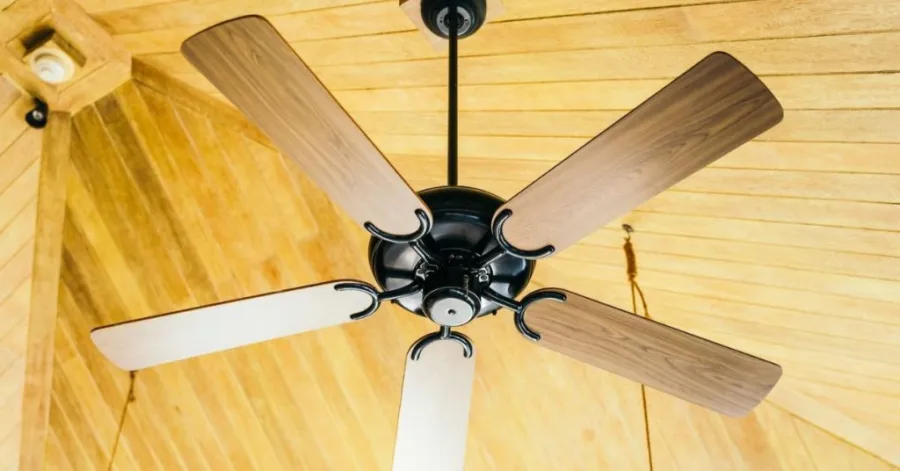
One of the most viable and relatively inexpensive methods for increasing air circulation in residential or commercial environments is using ceiling fans. Nevertheless, the cost of installing a ceiling fan may vary widely depending on the wiring conditions, the type of fan, the ceiling height, and the cost of electricians. There are those that are mere replacements and others that need electrical installation and skills. In this guide, we disaggregate all significant cost variables in a simple, straightforward manner. You will also discover how pricing varies by property type and how to make better decisions to ensure you do not exceed your installation budget without jeopardizing safety or quality.
- Average Ceiling Fan Installation Cost in 2026
- Ceiling Fan Installation Cost Breakdown (What You Actually Pay For)
- Factors That Affect Ceiling Fan Installation Cost
- Average Ceiling Fan Installation Cost in 2026
- Ceiling Fan Installation Cost Breakdown (What You Actually Pay For)
- Factors That Affect Ceiling Fan Installation Cost
- Ceiling Fan Installation Cost Based on Property Type
- DIY vs Professional Ceiling Fan Installation Cost
- How to Reduce Ceiling Fan Installation Cost
Average Ceiling Fan Installation Cost in 2026
Ceiling fan installation is an easy upgrade that enhances the airflow, comfort, and energy efficiency in any house. Installation prices in 2026 will still depend on labor costs, the wiring configuration, and the type of fan installed. There are rapid substitutes, and there are projects that demand new electrical connections and additional time.
The total cost of installing a ceiling fan will help homeowners avoid unexpected expenses and decide which installation method to use, depending on their budget.
Cost Range for Basic Ceiling Fan Installation
A simple ceiling fan installation would be the least expensive option, since the electrical box and wiring are already in place. In such a project, the electrician will remove an old system and install the new fan with the same system.
The price range of most homeowners will be as follows:
- Installation using existing wiring: $150- 400.
- Basic fan changing jobs: approximately 200.
- Installation of smaller rooms: In many cases, the work is less expensive.
- Additional remote or light kit installation: an additional charge may apply.
The installation cost per ceiling fan is usually lower when multiple ceiling fans are installed during the same visit. Electricians can also reduce labor costs for repeat installations within the same property.
The estimated price for an electrician to install a ceiling fan in a standard room depends on ceiling height, the fan’s weight, and the complexity of the installation. The installation of most of the simple ones takes a few hours.
Cost Range for Complex or High-End Fan Installation
Other ceiling fan designs may require advanced electrical work, which increases the overall project cost. This is typical in non-wired homes or areas with high ceilings and special mounting requirements.
More complex projects may include:
- Installing new electric wiring.
- Modifying ceiling support boxes.
- Attaching fans to vaulted ceilings.
- Installation of smart controls or a dimmer.
- Installing oversized decorative fans
The cost of installing a ceiling fan when there are no wires in place is also typically significantly higher, since electricians would have to run new electrical wiring through walls or ceilings. This kind of work consumes more labor and other materials.
The cost of installing a licensed electrician-installed ceiling fan would be between 500 and 1,500 dollars in most houses, as it is considered a premium or challenging job. The cost of installing the ceiling fans alone will also be higher if access to the attic, permits, or circuit alterations are required.
Custom-designed spaces and luxury homes may require additional safety modifications, further increasing the overall installation cost.
Ceiling Fan Installation Prices by Location and Room Type
Installation costs also vary by location, home design, and room type. The cost of labor in big cities tends to be higher than in small towns because electricians there often charge more for travel, licensing, and overhead.
Regional pricing can be influenced by a number of factors:
- Local electrician wage rates.
- Permission and inspection regulations.
- Home size and ceiling height
- Weatherproofing needs for outdoor areas
- Electrical access difficulty.
The cost of installing ceiling fans in bedrooms is usually lower, since bedrooms often have standard ceiling heights and easier access to wiring. Basic bedroom setups require less labor than living rooms or patios.
Installing outdoor ceiling fans, on the other hand, can be quite expensive because the materials and parts must be weatherproof and moisture-resistant. Installations placed outdoors might also require additional precautions to be durable in varying weather conditions.
Ceiling Fan Installation Cost Breakdown (What You Actually Pay For)

The overall cost isn’t a single price when planning a ceiling fan. It consists of various components, including labor, wiring work, the fan unit, and small installation materials. All the factors vary based on your home condition, ceiling height, and type of fan. This breakdown will give you a clear picture of how the ceiling fan installation cost is calculated and what factors determine the final price.
Electrician Labor Cost for Installing a Ceiling Fan
Most installation bills consist of the labor of an electrician. It is based on the job’s difficulty, time required, and ceiling factors. The straightforward replacement is faster, whereas the more complicated work is more time-consuming. When there is already wiring, and all that is required is a replacement, the ceiling fan installation labor cost is lower than for other construction projects. Simple labor tends to cost between 100 and 300 USD, whereas high ceilings or intelligent fan systems are more expensive. The price for an average electrician to install a ceiling fan also depends on location and experience.
Cost of Electrical Wiring or Upgrades for Ceiling Fans
There are other houses that require additional electrical work before installing a fan, particularly older houses or rooms that were not ceiling-wired. Installing a ceiling fan where no wiring exists is more expensive because it requires new wiring. This can involve running cables, installing switches, upgrading boxes, or installing reinforced ceiling support. The cost of the electrician’s ceiling fan installation increases further when a permit is required. Such installations are more time-consuming and labor-intensive than simple installations.
Cost of the Ceiling Fan Unit (If Included in Installation)
The ceiling fan can also affect the overall installation cost, particularly when it is part of a package. Simple fans are less expensive, and smart or designer ones are more expensive. This directly influences the cost per fan for ceiling fans installed, particularly in high-end installations. Energy-saving and outdoor fans tend to be more costly than ordinary ones. The ceiling fan installation price in the bedroom can be a bit higher if you prefer using silent motors, lighting options, or remote controls.
Cost of Extra Materials and Installation Hardware
Extra materials are needed to safely complete a ceiling fan installation. These are mounting boxes, brackets, connectors, switches, and support hardware. Small though they are, they still contribute to the overall cost of installing ceiling fans. Outdoor installations are typically more powerful and weatherproof, and this hikes the costs. This is why the cost of installing ceiling fans outdoors is higher: electricians must install moisture-resistant components to ensure they are safe and durable in shifting weather conditions.
Factors That Affect Ceiling Fan Installation Cost
The overall cost of installing a ceiling fan is not predetermined because homes vary in their conditions. Some installations are user-friendly and fast, while others require additional wiring, equipment, or time. This is why the cost of installing a ceiling fan may differ drastically depending on the project.
It is necessary to learn about the most important factors that affect pricing and then how each one of them will alter the total cost before determining your budget.
Type of Ceiling Fan (Standard, Smart, Industrial)
The type of fan you install significantly affects the overall installation cost. The simplest standard fan will be simpler to assemble, and the smart and industrial fans may require additional installation. Intelligent fans might need to be remotely paired or configured via an app, adding to the workload. Industrial fans are heavier and require greater mounting support. Due to this fact, the cost of installation per fan of ceiling fans goes up as they upgrade to more advanced or heavy-duty fans, which need more precautionary installation and handling.
One of the most viable and relatively inexpensive methods for increasing air circulation in residential or commercial environments is using ceiling fans. Nevertheless, the cost of installing a ceiling fan may vary widely depending on the wiring conditions, the type of fan, the ceiling height, and the cost of electricians. There are those that are mere replacements and others that need electrical installation and skills. In this guide, we disaggregate all significant cost variables in a simple, straightforward manner. You will also discover how pricing varies by property type and how to make better decisions to ensure you do not exceed your installation budget without jeopardizing safety or quality.
Average Ceiling Fan Installation Cost in 2026
Ceiling fan installation is an easy upgrade that enhances the airflow, comfort, and energy efficiency in any house. Installation prices in 2026 will still depend on labor costs, the wiring configuration, and the type of fan installed. There are rapid substitutes, and there are projects that demand new electrical connections and additional time.
The total cost of installing a ceiling fan will help homeowners avoid unexpected expenses and decide which installation method to use, depending on their budget.
Cost Range for Basic Ceiling Fan Installation
A simple ceiling fan installation would be the least expensive option, since the electrical box and wiring are already in place. In such a project, the electrician will remove an old system and install the new fan with the same system.
The price range of most homeowners will be as follows:
- Installation using existing wiring: $150- 400.
- Basic fan changing jobs: approximately 200.
- Installation of smaller rooms: In many cases, the work is less expensive.
- Additional remote or light kit installation: an additional charge may apply.
The installation cost per ceiling fan is usually lower when multiple ceiling fans are installed during the same visit. Electricians can also reduce labor costs for repeat installations within the same property.
The estimated price for an electrician to install a ceiling fan in a standard room depends on ceiling height, the fan’s weight, and the complexity of the installation. The installation of most of the simple ones takes a few hours.
Cost Range for Complex or High-End Fan Installation
Other ceiling fan designs may require advanced electrical work, which increases the overall project cost. This is typical in non-wired homes or areas with high ceilings and special mounting requirements.
More complex projects may include:
- Installing new electric wiring.
- Modifying ceiling support boxes.
- Attaching fans to vaulted ceilings.
- Installation of smart controls or a dimmer.
- Installing oversized decorative fans
The cost of installing a ceiling fan when there are no wires in place is also typically significantly higher, since electricians would have to run new electrical wiring through walls or ceilings. This kind of work consumes more labor and other materials.
The cost of installing a licensed electrician-installed ceiling fan would be between 500 and 1,500 dollars in most houses, as it is considered a premium or challenging job. The cost of installing the ceiling fans alone will also be higher if access to the attic, permits, or circuit alterations are required.
Custom-designed spaces and luxury homes may require additional safety modifications, further increasing the overall installation cost.
Ceiling Fan Installation Prices by Location and Room Type
Installation costs also vary by location, home design, and room type. The cost of labor in big cities tends to be higher than in small towns because electricians there often charge more for travel, licensing, and overhead.
Regional pricing can be influenced by a number of factors:
- Local electrician wage rates.
- Permission and inspection regulations.
- Home size and ceiling height
- Weatherproofing needs for outdoor areas
- Electrical access difficulty.
The cost of installing ceiling fans in bedrooms is usually lower, since bedrooms often have standard ceiling heights and easier access to wiring. Basic bedroom setups require less labor than living rooms or patios.
Installing outdoor ceiling fans, on the other hand, can be quite expensive because the materials and parts must be weatherproof and moisture-resistant. Installations placed outdoors might also require additional precautions to be durable in varying weather conditions.
Ceiling Fan Installation Cost Breakdown (What You Actually Pay For)
The overall cost isn’t a single price when planning a ceiling fan. It consists of various components, including labor, wiring work, the fan unit, and small installation materials. All the factors vary based on your home condition, ceiling height, and type of fan. This breakdown will give you a clear picture of how the ceiling fan installation cost is calculated and what factors determine the final price.
Electrician Labor Cost for Installing a Ceiling Fan
Most installation bills consist of the labor of an electrician. It is based on the job’s difficulty, time required, and ceiling factors. The straightforward replacement is faster, whereas the more complicated work is more time-consuming. When there is already wiring, and all that is required is a replacement, the ceiling fan installation labor cost is lower than for other construction projects. Simple labor tends to cost between 100 and 300 USD, whereas high ceilings or intelligent fan systems are more expensive. The price for an average electrician to install a ceiling fan also depends on location and experience.
Cost of Electrical Wiring or Upgrades for Ceiling Fans
There are other houses that require additional electrical work before installing a fan, particularly older houses or rooms that were not ceiling-wired. Installing a ceiling fan where no wiring exists is more expensive because it requires new wiring. This can involve running cables, installing switches, upgrading boxes, or installing reinforced ceiling support. The cost of the electrician’s ceiling fan installation increases further when a permit is required. Such installations are more time-consuming and labor-intensive than simple installations.
Cost of the Ceiling Fan Unit (If Included in Installation)
The ceiling fan can also affect the overall installation cost, particularly when it is part of a package. Simple fans are less expensive, and smart or designer ones are more expensive. This directly influences the cost per fan for ceiling fans installed, particularly in high-end installations. Energy-saving and outdoor fans tend to be more costly than ordinary ones. The ceiling fan installation price in the bedroom can be a bit higher if you prefer using silent motors, lighting options, or remote controls.
Cost of Extra Materials and Installation Hardware
Extra materials are needed to safely complete a ceiling fan installation. These are mounting boxes, brackets, connectors, switches, and support hardware. Small though they are, they still contribute to the overall cost of installing ceiling fans. Outdoor installations are typically more powerful and weatherproof, and this hikes the costs. This is why the cost of installing ceiling fans outdoors is higher: electricians must install moisture-resistant components to ensure they are safe and durable in shifting weather conditions.
Factors That Affect Ceiling Fan Installation Cost
The overall cost of installing a ceiling fan is not predetermined because homes vary in their conditions. Some installations are user-friendly and fast, while others require additional wiring, equipment, or time. This is why the cost of installing a ceiling fan may differ drastically depending on the project.
It is necessary to learn about the most important factors that affect pricing and then how each one of them will alter the total cost before determining your budget.
Type of Ceiling Fan (Standard, Smart, Industrial)
The type of fan you install significantly affects the overall installation cost. The simplest standard fan will be simpler to assemble, and the smart and industrial fans may require additional installation. Intelligent fans might need to be remotely paired or configured via an app, adding to the workload. Industrial fans are heavier and require greater mounting support. Due to this fact, the cost of installation per fan of ceiling fans goes up as they upgrade to more advanced or heavy-duty fans, which need more precautionary installation and handling.
@ashtonbrown007 Vevor’s Outdoor Midsting Fan #outdoorfan #fan #patio #outdoorlivingspace #Summer #tool #vevortools @Vevor_US
♬ original sound – AshtonBrown007
Ceiling Height and Accessibility
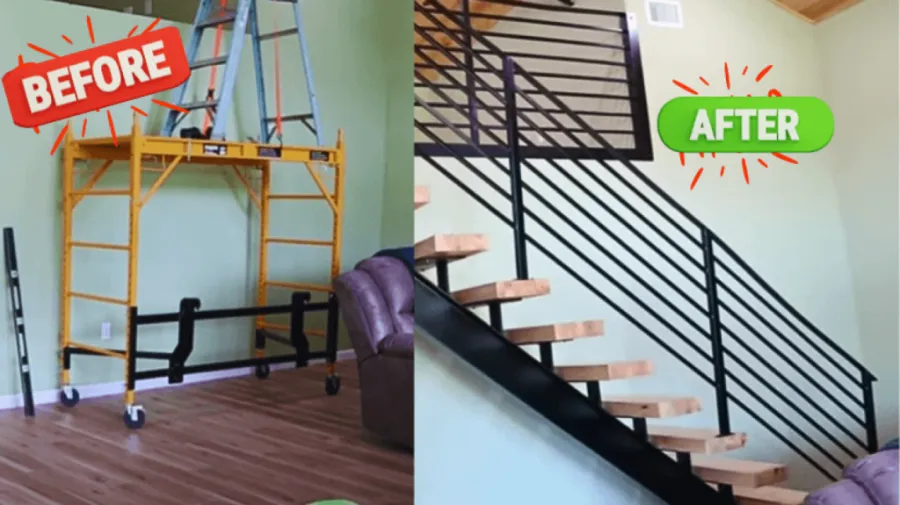
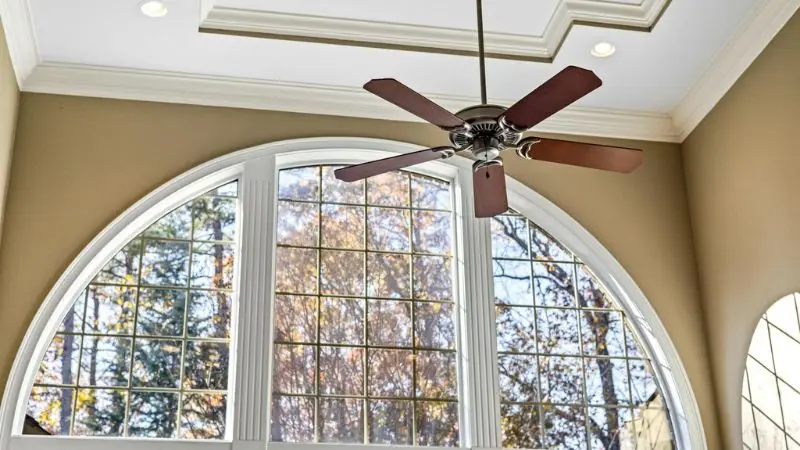
Another factor that influences installation costs is ceiling height. The ceilings that are low are simpler and quicker to work on, and the high or sloped ceilings need special equipment such as ladders or scaffolds. This makes it more time-consuming and work-consuming for the electrician. The average electrician’s price to install a ceiling fan increases in tougher situations due to the safety standards and additional work. Access, such as a small attic space or space to work, also contributes to the total cost.
Existing Wiring Condition
Installation costs are directly influenced by the state of the wiring of your home. When proper wiring is already in place, it will be easy and cheap to install. Nevertheless, without wiring, the project will be more complicated. Installing a ceiling fan would result in higher installation costs, as electricians must run new electrical lines, switches, and support boxes. Aged or damaged wiring may also need upgrades, and this, too, adds to the cost that the electricians have licensed to install ceiling fans.
Room Size and Layout
The difficulty of installation is also affected by room size and layout. Big rooms may require longer wiring runs or higher-bearing-capacity structures, and irregular plan layouts can take longer to install. Bedrooms tend to be simpler in their design, and hence the price of installing a ceiling fan in the bedroom is generally lower than in a living room or open hall. Nevertheless, high ceilings and complicated rooms can still add up to labor time and total expenditure.
Number of Fans Being Installed
The number of fans being installed can also affect pricing. It is usually cheaper to install several fans at once than to schedule individual appointments. Electricians can save on installation labor for ceiling fans only when installing in bulk, since setup and commuting costs are shared. But overall cost increases with the number of fans, particularly if each installation involves wiring or building construction.
Ceiling Fan Installation Cost Based on Property Type
Ceiling fan installation is not a uniform price across all properties because each area has different wiring systems, ceiling heights, and installation challenges. Residential houses tend to be less complex, whereas commercial and industrial buildings require more time, equipment, and safety measures. These variations directly impact labor rates and overall prices.
The following clearly shows how installation costs vary by property type.
Ceiling Fan Installation Cost in Homes and Apartments
The cheapest and least difficult to install in homes and apartments are the ceiling fans. Most homes are already installed with basic and standard ceiling heights, making the work of the electricians easier.
Ceiling fans can be installed in bedrooms at a cheaper cost, as they are normally very simple and can easily be accessed. On average, ceiling fan installation in a residential house would cost an average when a normal electrician is assigned to the job, but the wiring may need renewal, or an extra electrical socket may need to be installed. Also, it may have restrictions on apartments that can slightly influence the time of installation, and the cost is quite affordable.
Ceiling Fan Installation Cost in Offices and Commercial Buildings
Office and commercial rooms are more spacious, have higher ceilings, and have more complex electrical systems. This is more expensive to install, with higher labor costs.
The cost of installation of the ceiling fan is only greater in commercial buildings since the electricians, in most cases, require special equipment such as high ladders or lifting machines. This also varies with the number of units of ceiling fans fitted in wide open areas, and the cost of installation per ceiling fan also goes up. Other applications of the wiring could involve upgrading wiring to effectively handle the electricity load, and this adds even more to the cost.
Ceiling Fan Installation Cost in Industrial Buildings and Warehouses
Industrial buildings and warehouses are the most expensive to install since a building is large, organized, and require technical services. These rooms usually require sturdier ceiling fans and fortified mounting frameworks.
Licensed electrician installation of perfect ceiling fans in those environments is considerably more expensive due to the complex security protocols and expertise required. The cost of installation also increases when a ceiling fan has no existing wiring, as an additional electrical system might need to be installed. The most expensive type is industrial installations since such projects take longer periods, planning, and labor.
DIY vs Professional Ceiling Fan Installation Cost

The decision to install a ceiling fan yourself or hire an expert will greatly influence the total installation cost. Although DIY can seem cheaper on the surface, the actual price will be determined by the tools, expertise, safety, and health of your electrical system. Professional installation, on the other hand, covers labor costs and offers safer, more assured outcomes.
Knowing the two choices can help you make a decision that is in the best interest of your home, budget, and long-term safety.
Cost Savings of DIY Installation
You can install a ceiling fan yourself, and this will help in saving the initial cost, as there will be no need to spend on labor. In a simple situation with some wiring, all the homeowners can do is invest in simple tools and the fan itself.
Potential savings include:
- None of the work of electricians.
- Covered the lower short-term installation cost.
- Utilization of tools within the house.
- One-time purchase of basic equipment.
However, while DIY can reduce the labor cost of ceiling fan replacement, it is only viable for very basic replacements. Unless there is some existing wiring, DIY savings may be lost in a short period, as more materials may need to be acquired or mistakes made.
Risks and Safety Concerns
Self- installed work is quite dangerous, especially with electricity. The installation of the wiring can either lead to electric shock, short circuit, or even the occurrence of fire in the long term due to improper installation. Ceiling fans should also be well supported, and when they are not mounted properly, they can fall.
Safety concerns include:
- Incorrect wiring connections
- Absence of suitable ceiling support.
- Possibility of electrical shock.
- Possible damage to the home wiring system
In the majority of situations, the cost of fixing DIY mistakes can be more costly than the original setup cost to hire a professional to fit the ceiling fan. The aspect of safety is the reason why it becomes an important one when it comes to choosing in favor of professional assistance or DIY.
When to Hire a Professional Electrician
Most homeowners are advised to hire a professional electrician as it is the safest way of doing things, particularly when it comes to wiring or making structural changes. An authorized professional will ensure the installation complies with electrical standards and codes.
You ought to employ a professional when:
- There is no existing wiring in the ceiling
- Installation has circuit upgrades.
- The ceiling is high or difficult to access
- You are putting in several fans simultaneously.
The cost of the electrician ceiling fan installation licensed by the electricians in such instances is worth the money since it comes with know-how, safety, and installation. Professionals also minimize the risk of repair in the future, and the overall cost of ceiling fan installation is more reliable in the long term.
How to Reduce Ceiling Fan Installation Cost
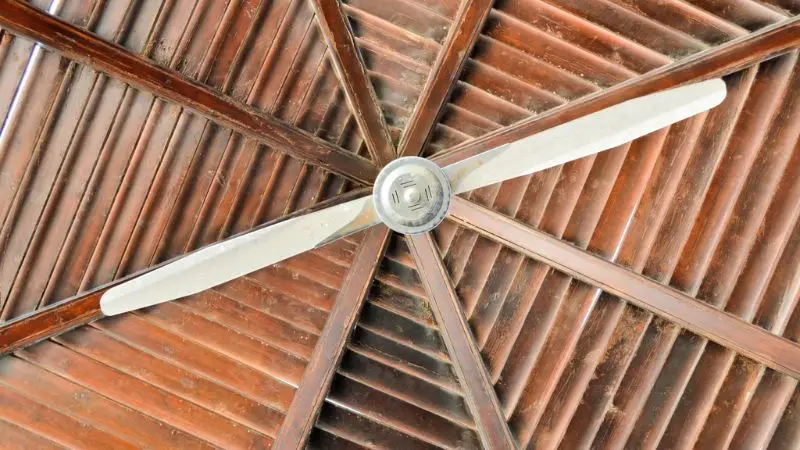
The cost of installing a ceiling fan may vary based on the type of fan, the condition of the wiring, and the cost of the electrician. Nevertheless, with some clever choices, you can manage to control your overall budget. Simple planning decisions before installation can have a huge impact on your end bill with no safety or quality compromised.
The following are just some practical and convenient ways to cut down on your total installation costs.
Choosing Simple and Easy-to-Install Fan Models
A simple ceiling fan is one of the best ways to save money, rather than a bulky, ornamental, or intelligent one. Simple fans are lightweight, simple to install, and less time is needed to wire and set up. This helps save labor and makes the installation process hassle-free.
The simple fan models also reduce the per-unit installation cost of ceiling fans compared to conventional methods, as electricians do not need to spend much time adjusting mounts or setting controls. A simple design, also, in most instances, will make the average electrician’s cost to install a ceiling fan cheaper, as the work is not complicated and does not involve any special equipment or additional setup measures.
Installing Multiple Ceiling Fans in One Visit
When you require more than one fan, it is always good to install the fans in one visit rather than one by one. Electricians tend to charge less per fan when the job is bundled, because the costs of travel and installation are spread across multiple installations.
This will only minimize the total cost of installing ceiling fans in a given house or office when multiple rooms require fans. It is also time-saving, enabling the electrician to install everything in a single session, making the whole process more efficient and cost-effective.
Hiring Local Electricians to Reduce Extra Charges
By hiring a local electrician, you can also keep installation costs down. Local professionals tend to have lower travel costs and could be more price-competitive than electricians who travel long distances.
This may help control the cost of installing a ceiling fan, particularly in typical residential installations. Local electricians also better understand the housing systems and pricing patterns in the area, and this can usually result in quicker service and fewer surprises in the installation procedure.
Avoiding Unnecessary Electrical Work and Upgrades
Most homeowners also increase their expenses by accepting electrical upgrades that are not necessarily needed. In other instances, a ceiling fan might be fitted on the existing wiring; thus, it might not be necessary to rewire the entire job.
The cost of installing a ceiling fan with no existing wiring can be minimized by avoiding unnecessary changes when the changes required are minor. The next thing to keep in mind is to always check whether the existing electrical installation can sustain the upgrades you want to do before sanctioning a major upgrade, as this would greatly reduce your total cost of installing the ceiling fans and keep the project on budget.
Wrap-Up
The cost of ceiling fan installation will allow you to plan better and prevent unplanned costs. Starting with basic installations and moving to complicated wiring upgrades, all aspects of the installation, including labor, materials, type of fans, and the condition of the property, are significant factors affecting the final price. The selection of simple fan models, the use of local electricians, and the avoidance of unnecessary product upgrades can greatly reduce total costs. It could be a bedroom, an office, or an outdoor fan that you are installing, but with this knowledge, you will make better decisions. You can safely, efficiently, and affordably install a ceiling fan in any type of property with the right planning and professional expertise.
FAQ
In 2026, how much would an average ceiling fan cost to install?
The overall cost of installing a ceiling fan would be between 150 and 400 dollars in 2026, depending on the simple installation. Installations with wiring that are complex or have high ceilings may require a cost of 500-1500 or more.
What would it cost to install a ceiling fan without wiring?
Installation of a ceiling fan without existing wiring is typically more expensive, typically between $500 and 1200, since it typically requires installation of new wiring, switches, and support systems to ensure safe installation.
What is included in the ceiling fan installation labor cost only?
The labor associated with installing the ceiling fans will include only the cost of removing the old fixtures, installing the fans, wiring, and testing. It typically ranges from $100 to $300, depending on complexity and location.
Is there a difference in installation cost between the ceiling fan types?
Yes, there is a cost influence on fan type. Decorative or smart fans add to the cost of installing ceiling fans by taking longer to install, requiring more mounting, and, in some cases, additional electrical configuration.
Are there higher installation costs for outdoor ceiling fans?
Yes, the cost of outdoor ceiling fan installation is higher due to weatherproof materials, safety covers, and additional electrical protection measures. These contribute to increased labor time and total installation costs.