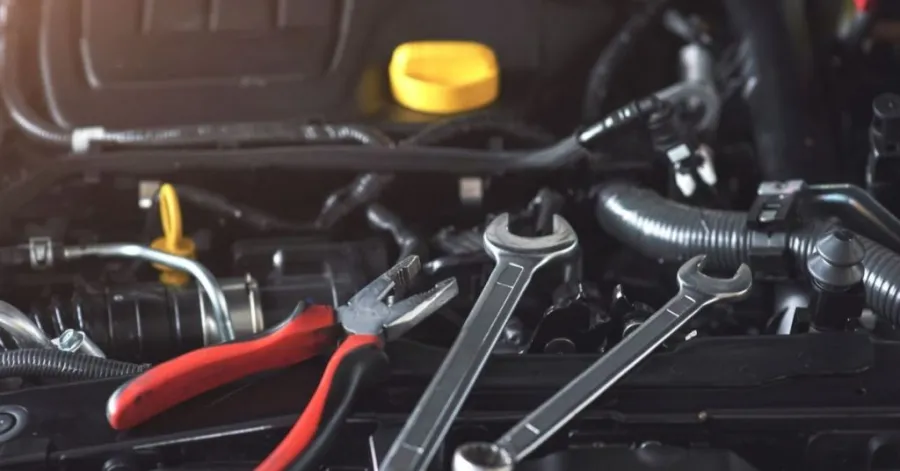
If you’re new to car repairs, choosing the right tools can feel confusing. The best way to start is by focusing on the tasks you want to handle and matching your tools to your skill level. Begin with a basic set for simple DIY repairs—like a socket wrench and screwdrivers.
As you gain experience, add tools only when you need them for specific fixes. This approach keeps your workspace organized and saves money. With the right car repair tools in hand, you’ll soon notice how much smoother and more enjoyable your car repair projects become, one step at a time.
Essential Mechanic Tool List for Beginners
Repairing cars at home in the first place begins with the appropriate tools. An orderly list of mechanical tools can help you perform tasks in a regular and efficient manner. It is always beneficial to know which tools are truly worth purchasing before embarking on any project, thereby avoiding unnecessary expenses and clutter in the work area. We can begin with the basics for all newcomers.
Basic Tools You’ll Need for Common Car Repairs
When you’re just starting out, it’s best to focus on simple repairs and gradually expand your toolkit. These must-have tools for car repair make the work smoother and more enjoyable.
- Ratchets: Ideal for turning bolts and nuts quickly. Choose a 72-tooth ratchet for tight areas.
- Wrench Set: A mix of open-end and box-end wrenches handles bolts across your vehicle.
- Socket Set: A complete set in various sizes—one of the best car repair tools for beginners—fits nearly every bolt or nut.
- Screwdrivers: Keep both flathead and Phillips types for removing panels or covers.
- Pliers: Help with gripping, twisting, and cutting wires or hoses.
As you grow more confident, you can add affordable car repair tools for home garage use, like power drills, impact wrenches, or a spark plug socket for engine work.
How to Choose Tools Based on Your Vehicle
Each car has its own needs, and if you align your tools with your car, you will work more efficiently and avoid frustration. You should learn how your car works and what kind of repairs you need to do most before purchasing anything new.
Various kinds of vehicles need various kinds of tools, and that should also be reflected in the tool list of your mechanic. Here’s how to choose wisely:
- Compact Cars: Basic wrench and socket sets, pliers, and a spark plug socket for tune-ups.
- SUVs and Trucks: Larger wrench sets, deep sockets, and an impact wrench for heavy bolts.
- Electric Vehicles: Use insulated tools and diagnostic devices like a multimeter for safety.
- Classic Cars: Standard wrench and socket sets, plus a timing light for older engines.
Selecting the top automotive tools every mechanic needs based on your car type saves time, reduces effort, and helps you fix problems with confidence.
Essential Car Repair Tools Every Beginner Should Own
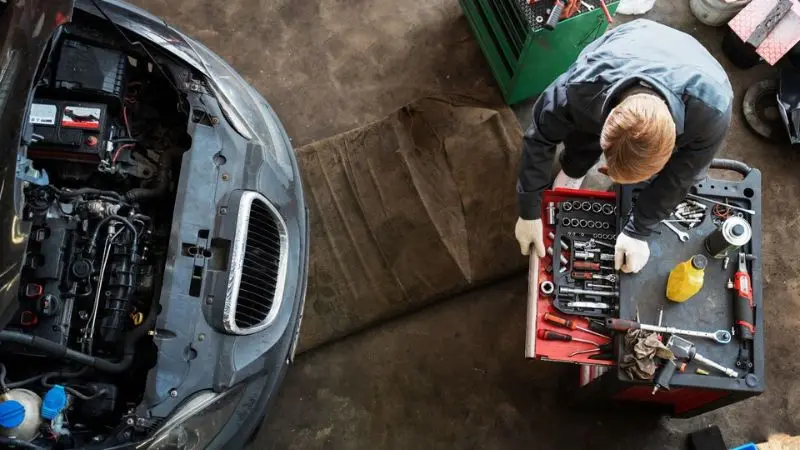
Before you start fixing your car, it’s important to gather the right tools. Having reliable tools makes repairs easier and ensures safety while you work. Whether you’re a beginner or a growing enthusiast, these tools form the foundation of every successful home garage setup. Let’s take a look at the must-have tools for car repair that belong in every mechanic’s toolbox.
Must-Have Tools for Mechanics
All the mechanics begin small: with a set of essential tools that can do the majority of automotive repairs. You do not necessarily have to have everything immediately; start with the basic ones and develop your list as you master them all. These small portable car repair tools can be used at home or in a garage to enable you to carry out such jobs as changing oil, brake repairs, and replacing spark plugs.
- Torque Wrench: This is used to ensure that bolts are clamped to the appropriate number and do not harm or pose a danger.
- Socket Set: This is used with ratchets to install and remove different-sized bolts and is one of the foremost tools to use when first beginning car repair.
- Wrench Set: It comes in both metric and standard so that you can handle any kind of vehicle.
- Screwdrivers: These include a flathead as well as Phillips screwdrivers, to be used in removing panels, covers, and tiny screws.
- Pliers: Useful in clamping, twisting, or cutting wires and hoses when doing electrical or brake jobs.
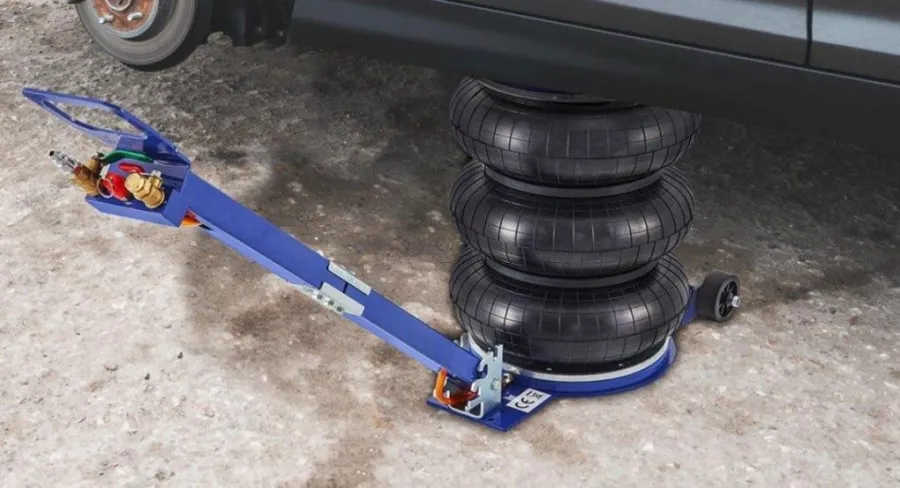
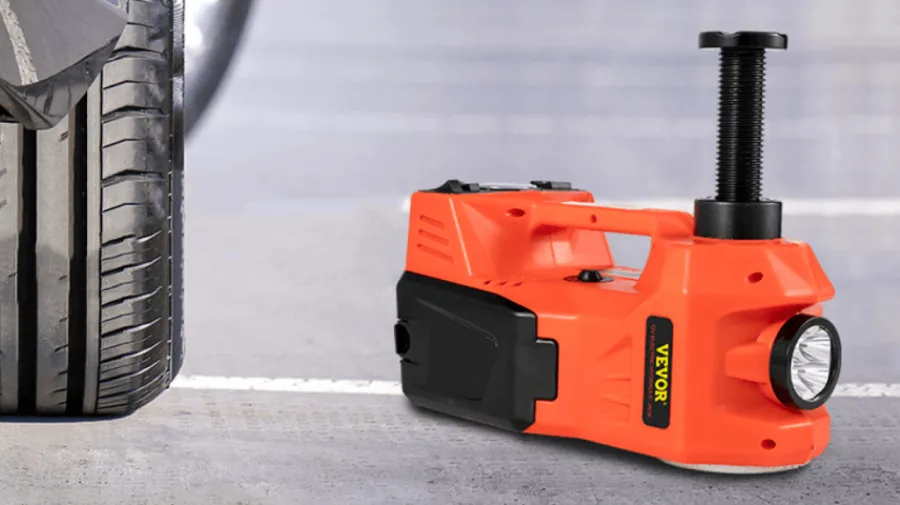
- Jack and Jack Stands: These are placed into the car by lifting and firmly holding to stand as you work under the car.
- Spark Plug Socket: Covers the organization of spark plugs during installation and removal; necessary to the maintenance of the engine.
These tools are the ones you should start with and increase as you acquire experience. All of them are viable investments that allow you to make daily prescribed repairs without fear.
Why These Tools Are Important for Car Repairs
Having the right tools isn’t just about convenience—it’s about working safely, efficiently, and with better results. Each tool has a purpose, and together they cover most of the common jobs a mechanic or DIYer will face. Whether you’re working on your first oil change or replacing brake pads, these tools make the process smoother.
How Each Tool Helps You Work Smarter
Mechanics rely on these tools for nearly every repair task. Understanding their purpose helps you decide which ones to buy first.
- Torque Wrench: Keeps bolts tight at safe levels, preventing over- or under-tightening.
- Socket and Wrench Sets: Fit bolts on various car parts, saving time during repairs.
- Screwdrivers and Pliers: Handle detailed work such as removing clips or cutting wires.
- Jack and Stands: Make under-car repairs safer and easier.
- Spark Plug Socket: Keeps plugs protected during engine maintenance.
These are the top automotive tools every mechanic needs—and mastering their use builds your confidence with each project. You don’t need to buy everything right away. Start simple, learn the basics, and upgrade as you go. Quality tools last longer and make every repair safer and more satisfying.
Tool Quality and Why It Matters
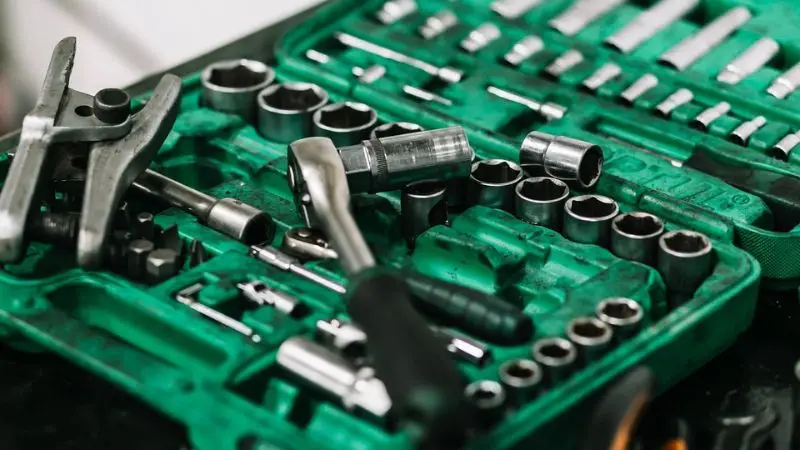
The best case investment you can make when constructing your home garage is the selection of tough tools. Quality tools not only make repair easy but also keep you out of danger and assist you in achieving professional outcomes at home. It does not matter whether you are tightening the bolt or changing the spark plug; heavy and properly made equipment is the key to successful work. Look at how we can choose the right ones.
Choosing Durable Tools for Long-Term Use
If you want tools that truly last, focus on strength, comfort, and build quality. Mechanics and home users alike rely on high-grade steel for long-lasting performance and reliability.
- Material Quality: Choose forged or chrome-vanadium steel tools. They resist bending, cracking, and wear.
- Build and Feel: Solid tools feel heavier and well-balanced, unlike cheap, flimsy ones that can slip or break.
- Rust Protection: Look for chrome coatings that prevent corrosion and extend lifespan.
- Comfort and Safety: Go for smooth handles, and wear gloves and safety glasses when working.
Reliable tools not only make jobs easier but also form part of the must-have tools for car repair that every home mechanic should invest in.
Best Tool Brands for Mechanics and DIY Users
Once you have decided on quality material, the next thing is the selection of a quality brand that you can trust. Having a good brand means having a lot of customer confidence, a high warranty, and a sense of safety. When buying new car repair tools for a beginner or to supplement an existing workshop, it’s best to start with a brand that has a reputation for high quality at a low cost.
Why VEVOR Stands Out Among Tool Brands
When it comes to dependability and value, VEVOR has earned a solid reputation among DIYers and professionals alike. Their tools are designed for long-term use, offering both performance and affordability.
- VEVOR: Delivers top automotive tools every mechanic needs—from wrenches and socket sets to power tools—at prices that fit any budget. Their products are made from durable steel with protective finishes to prevent rust.
- Craftsman: A reliable name offering lifetime warranties and solid performance.
- GearWrench: A great mid-range option for expanding your home garage.
VEVOR stands out for blending quality with affordability. Whether you’re building your first toolkit or upgrading old equipment, VEVOR provides the must-have tools for car repair that make every job faster, safer, and more efficient.
Specialty Tools for Advanced Car Repairs
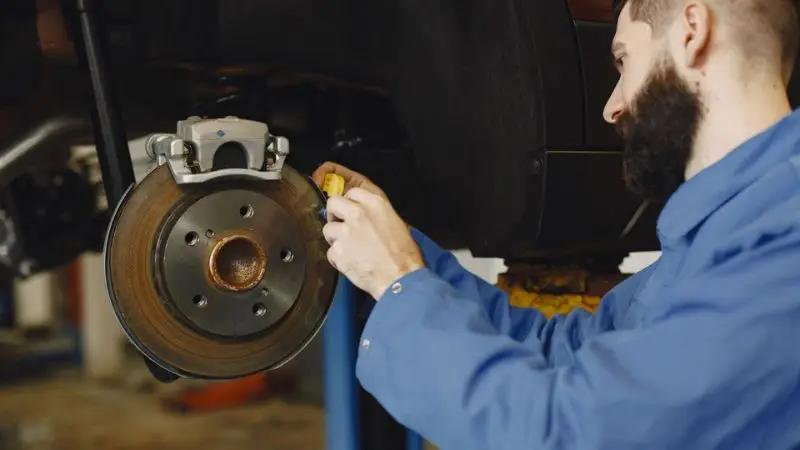
Once you’ve mastered the basics, you might feel ready to take on more challenging car repairs. This is when specialty tools become essential. These advanced tools let you handle complex mechanical or electrical jobs that basic kits can’t cover. Investing in the right specialty tools helps you diagnose problems accurately and work with greater confidence.
Advanced Tools Every Mechanic Should Know
As you go further into maintenance, it may pay to have a specialized type. These are the tools you must have to repair a car and save time on this work.
- Multimeter: A multimeter is used to measure voltage, current, and resistance. Ideally used to test batteries, fuses, and sensors.
- Car Diagnostic Scanners: Look at the diagnostic errors in your car’s computer, and troubleshoot on the computer.
- Brake Bleeder Kit: This kit helps eliminate air from the brake lines, allowing for easy and safe braking.
- Compression Tester: Monitors the health of an engine by monitoring the cylinder pressure.
- Timing Light: This is a tool that is needed to tune and maintain classic car engines.
Learning to use each tool correctly is key. Mechanics often practice with new tools before real repairs to avoid mistakes. These are some of the top automotive tools every mechanic needs once they move past beginner-level fixes.
How to Decide Which Specialty Tools to Buy
Specialty tools can be expensive, so it’s smart to think about how often you’ll use them. Not every tool needs to be bought right away—some are best borrowed or rented when needed. Understanding cost versus use helps you make smart decisions as you build your collection of affordable car repair tools for home garage projects. Before buying, ask yourself how much value a tool adds to your repairs. Here’s a simple guide:
- Multimeter: Low cost, used frequently—definitely worth buying.
- Diagnostic Scanner: Medium cost, useful for most modern cars—highly recommended.
- Compression Tester: Medium cost, used rarely—consider renting unless you often check engine health.
The best car repair tools for beginners evolve as your skills grow. Mechanics build their collections over time, adding advanced tools only when they truly need them. Start with the basics, upgrade when necessary, and enjoy the process of mastering more complex repairs at your own pace.
Buying and Maintaining Your Car Repair Tools
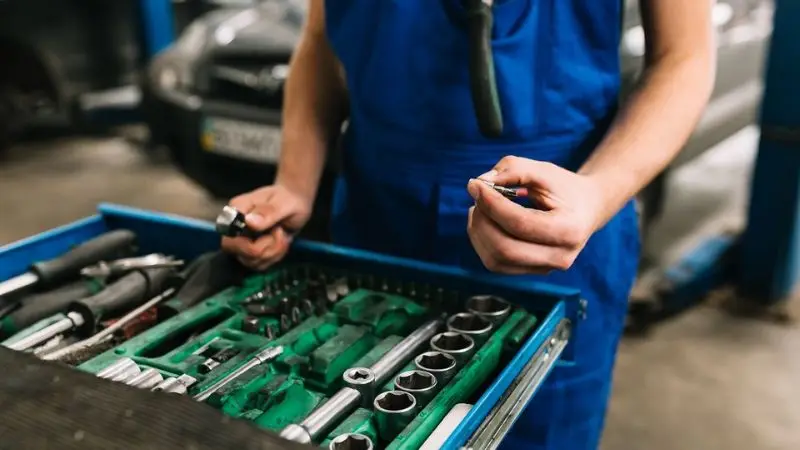
Now that you are comfortable with your autonomous car maintenance, you should consider how you will assemble your toolbox in a prudent way. It is advisable to allocate a certain amount of money for proper planning and upgrading; however, it is not essential to spend a large sum at the initial stage, but rather to plan thoroughly. Now, we have a look at budgeting, shopping, and maintaining your tools to enjoy them over a long period.
Build Your Toolkit Step by Step
You don’t need to buy every tool right away. Start small and grow your collection over time. Make a list of the must-have tools for car repair based on the jobs you want to handle first. Add more only when you need them.
Here’s how to budget wisely:
- Set a monthly amount aside for tools.
- Watch for seasonal discounts or bundle deals.
- Compare prices online before buying.
- Avoid impulse purchases you won’t use often.
This approach helps you create a reliable set of affordable car repair tools for a home garage without overspending. Over time, your toolkit will reflect your skills and confidence as a mechanic.
Where to Buy Reliable Car Repair Tools
Locating the appropriate store is a huge point. Local hardware stores will permit you to carry out their tools, and online stores will frequently provide the lowest prices. In case you are too new, look for the most useful car repair tools when you are a beginner, and read customer comments and reviews before buying the tool.
Here’s where to look:
- Hardware shops: Huge details, and knowledge.
- Auto parts stores: Stores that are specifically used to repair cars.
- Online stores: Superior in pricing comparison and obtaining reviews.
- Garage sales or marketplaces: In some cases, you may acquire good tools at a tenth of the price.
In any places where you shop, you should be focusing on the trusted brands characterized as long-lasting brands that work efficiently during daily use.
How to Keep Your Gear in Top Shape
Once you’ve built your collection, take good care of it. Clean tools after every job, removing oil and dirt with a soft cloth. Keep them dry to prevent rust, and store them in a toolbox or on a pegboard for easy access.
Follow these maintenance steps:
- Wipe and inspect tools regularly.
- Use drawer liners to prevent scratches.
- Label storage areas for better organization.
- Check for signs of wear and fix small issues early.
Proper storage and cleaning ensure your tools stay ready for action. When you care for your gear, you save money and always have the top automotive tools every mechanic needs in perfect condition.
Wrapping It Up
Building your car repair toolkit takes time, patience, and smart choices. Start with the best car repair tools for beginners, then add more as your skills grow. Keep your tools clean, organized, and ready to use so you can tackle any job with confidence.
Whether you’re working from a small home garage or setting up a full workspace, the right equipment makes every repair smoother. With practice, you’ll soon have the must-have tools for car repair and the know-how to use them like a pro. Remember—good tools and good care always lead to great results.
FAQ
So, what are some of the tools necessary to do mechanical work at home?
A simple set is required: ratchets, wrenches, sockets, screwdrivers, and pliers. Be sure to add a jack and jack stands. Begin with a small set of benefits and add to the collection as you acquire new repairs.
What is the criterion of good quality of a tool?
Look at the solid construction and high-grade steel. The brands with trust will have lifetime warranties. When a tool is heavy and sturdy, you may be sure that it will last longer.
Is it possible to pay with the tools of one car with the other?
The majority of simple tools are compatible with most cars. Measurements or specialty tools are required for certain vehicles. Always consult your car manual, and then you will be able to purchase newfangled things.
Where will I keep my car repair tools?
Store your tools on a pegboard or in a toolbox. Clean them after each use. Keep them in a dry environment so as to avoid rust. Systematized tools make you respond in less time.