Selecting the right canvas tent can enhance the comfort and enjoyment of your camping experience. Many tents offer plenty of room for families, while others suit backpackers, overland expeditioners, and those who want a more luxurious outdoor experience. With countless shapes and designs, it can be confusing to choose the right one to start with.
Here are the top reasons these canvas tents are so popular for family camping. These are the main reasons they’re popular for family camping. However, not all canvas tents fit every camping scenario. When choosing, consider size and weight, weather resistance, ventilation, and setup requirements.
In this article, we discuss 10 types of canvas tents, why they are beneficial, and tips for choosing the right tent for you. You will also learn how canvas tents differ from nylon tents and the common pitfalls to avoid when buying one.
10 Different Types of Canvas Tents
Canvas tents are offered in different shapes and structures. Some are basic and small; others offer standing room, separate sleeping quarters, or an additional living area. Knowing these differences will help you choose the right tent for your camping style and the conditions you may face. This is the first step in finding the best canvas tent for camping.
Recommended For Your Project
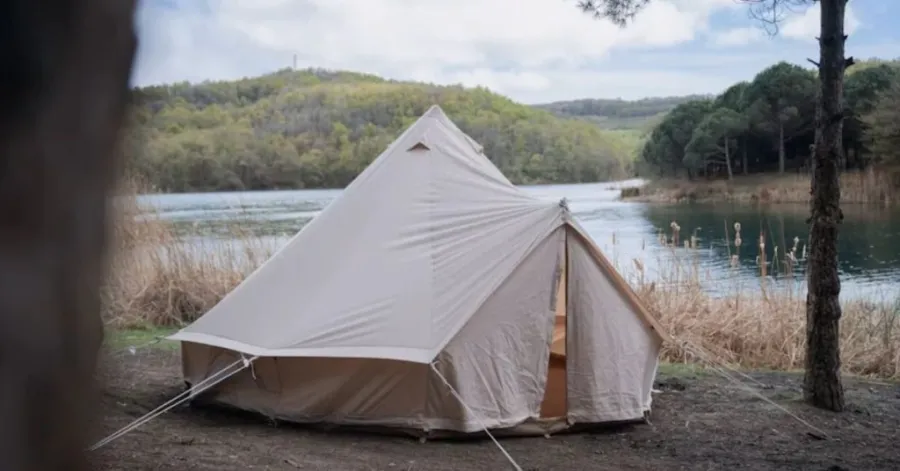
1. Bell Canvas Tents
The bell canvas tent is a round tent with sloping sides and a central pole. They offer an open interior for couples, small families, and recreational campers who want a comfortable space to sleep and relax. The biggest benefit of a bell tent is its user-friendly, spacious design. The high center lets you move around easily, and the sloping sides direct rainwater away from the fabric if you pitch it properly. Other models often include windows, mesh openings, and a front entrance to promote airflow.
Campbell tents certainly are in style for weekend camping and glamping. They tend to have a broad footprint, which can mean you need more space in camp, and a central pole takes up some interior space. The ideal waterproof canvas tent is waterproof, well-ventilated, and has a secure guy-line system for the conditions.
2. Wall Canvas Tents
Wall canvas tents have sidewalls that extend upward rather than a front wall that slides down, and a peaked or sloping roof. This design makes the inside space more rectangular than most tents, with steep, sloping sides, and gives more usable space around the edges.
People commonly use these tents for long camping trips, hunting camps, and outdoor work that requires space for sleeping gear and supplies. Their relatively straight walls make it easier to set up cots, storage boxes, and other camping gear. Some models also offer enough headroom for most adults.
Their main disadvantage is their size and weight. Wall tents are usually taller, have sturdier poles, and take longer to set up than smaller recreational tents. When buying one, consider packed dimensions, frame requirements, and weather conditions. The most important factor is choosing a canvas tent that works for all seasons. A well-built wall tent can serve as a convenient base camp if portability isn’t the top priority.
3. Cabin Canvas Tents
Cabin canvas tents are large and rectangular, with fairly parallel walls. These are a convenient choice for families and group adventures that require more room for sleeping bags, camp furniture, and other gear.
The tall walls also create a more open living space, making it easier to move around without constantly bending down. Cabin tents can have multiple windows and doors, interior storage pockets, and partitions to help divide the space. These features make cabin tents a strong option for the best canvas tent for camping.
This layout suits people who want to camp for more than one or two nights at a known campground. But the larger wall area can blow over, and transporting a cabin-style tent can be cumbersome. Always refer to the manufacturer’s wind guide, anchor the tent properly, and don’t use it outside its intended range. For those who value comfort and space over lightness, a cabin canvas tent is a great option.
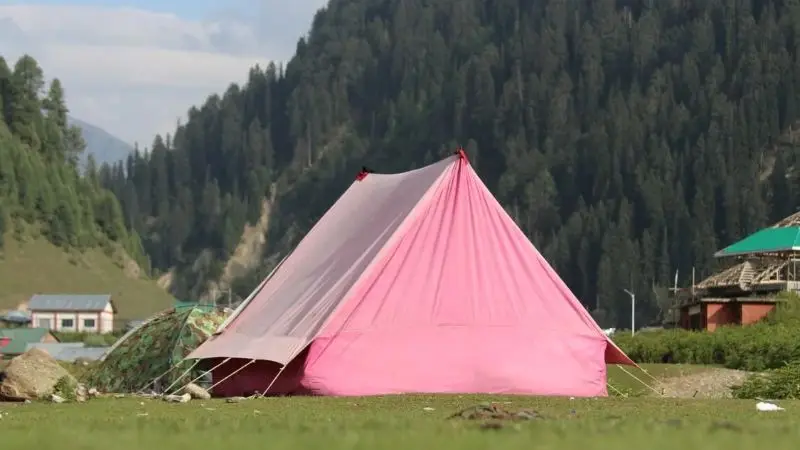
4. Pyramid Canvas Tents
Pyramid canvas tents have sloping walls that converge toward a central point. Most models use a single main pole; some feature alternative pole configurations or extra supports.
The slope design lets rain run off when set up correctly, and the simple design may make setup easier. These are some of the qualities that matter if you are looking for a top cold-weather canvas tent. Pyramid tents are also ideal for those who prefer a simple interior without complicated frills or frames. However, the walls slope inward toward the ground, and you lose space around the edges. Additionally, a central pole limits where you can place sleeping gear. If you’re a minimalist camper or a small group looking for shelter, a pyramid tent canvas might be a good option, depending on how you plan to get to camp.
Check the floor design carefully, too. Some models include floors, while others use a separate groundsheet or have an open bottom. The right choice depends on how much protection and interior organization you need.
5. A-Frame Canvas Tents
A-frame canvas tents are supported by poles at the ends and a ridge pole at the top, and their triangular shape makes them familiar. They are simple in design and a good option for campers who prefer a traditional tent structure.
The inclined roof helps water run off the fabric, and the simple shape is easy to understand and pitch. An A-frame tent can be an ideal choice for single people, couples, or small families who prefer a simpler sleeping setup. It can be the ultimate canvas tent for some camping trips.
The restrictions are primarily interior height. The roof tapers to either side, and standing space is often less than in cabin or wall tents. Pole and guy-line placement is also critical for stability.
6. Teepee Canvas Tents
Teepee canvas tents are tall, cone-shaped tents, also known as tipi-style tents. Traditional structures have poles around the perimeter, while modern versions can use a central pole or other support system.
They have sloping sides that help shed rainwater, and the high interior roof provides valuable headroom at the center. Some models can support multiple campers, making them suitable for group camping and outdoor gatherings.
Some teepee-style tents are designed for use with an appropriate wood-burning stove. This matters when choosing the best tent for winter camping. Nevertheless, don’t assume this feature. Use a stove only if the tent is designed and approved for stove use, with the right stove jack, clearances, and ventilation. Enclosed shelters can pose carbon monoxide and fire risks.
7. Safari Canvas Tents
Safari canvas tents offer a comfortable way to spend extended time outdoors. Many have strong canvas walls, large entrances, windows, and designs that allow space for beds or other furnishings.
You can find them in safari lodges, designated campsites, and upscale outdoor lodging. Some of the best waterproof canvas tent designs include a veranda, a separate sleeping area, or openings that let air flow through.
These tents are ideal for those who want space and comfort over compact packing. But safari tents are a broad category of products. Some are permanent or semi-permanent buildings; others are portable camping tents.
Determine if it is a model for repeated pitching or long-term installation. Consider the frame, anchoring system, waterproofing, and resistance to local weather conditions. A large safari tent may be a great shelter, but it typically takes more space and preparation than a basic camping tent.
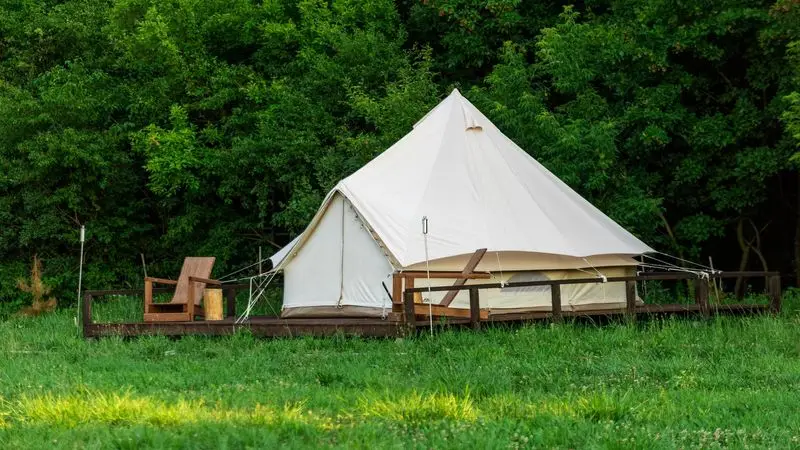
8. Glamping Canvas Tents
Glamping canvas tents blend camping with comfort. They tend to offer plenty of room, large windows, ornate door openings, and ample bedding, rugs, lighting, and other small items.
Popular glamping options include bell tents and safari tents, available in many other canvas designs. Some are designed for personal camping use; others are made for commercial glamping websites and extended-term installations.
The primary benefit is comfort. A spacious interior makes camping more comfortable for several days, especially if you have a good campsite and can get to the site with gear if you need to bring it.
But glamping tents aren’t necessarily waterproof, insulated, or suitable for all seasons. When choosing the best all-season canvas tent, keep this in mind: Furnishings add to the cost and can complicate setup. Furnishings also increase the total cost and can complicate setup. Before buying a luxury-style canvas tent, check the fabric specifications, ventilation, ground protection, and intended use.
9. Truck Bed Canvas Tents
The tent attaches to the vehicle’s frame, letting campers set up camp without a separate ground shelter. Some designs fit a specific frame, while others mount to an existing truck-bed system.
Fit is the most important consideration. Not all truck bed tents fit all vehicles, beds, tonneau covers, or accessories. Make sure you meet the manufacturer’s compatibility requirements and don’t exceed the vehicle’s load capacity.
Most large family canvas tents also offer more interior space than truck bed tents. Consider sleeping area, vehicle access, and the equipment you’ll bring. For regular campers more accustomed to the pickup truck lifestyle, this model may be more practical than a standard campsite tent. Keep this in mind when choosing the best canvas tent for camping.
10. Multi-Room Canvas Tents
A multi-room tent can offer individual sleeping spaces, a common living space, and multiple entries, depending on the model. This setup helps keep sleeping bags, shoes, and other gear separate. It’s a useful arrangement for the best canvas tent for family camping.
The additional space may be useful, but it also has its drawbacks. Larger tents tend to be heavier, bulkier, er and harder to set up. If a design lacks adequate ventilation, internal dividers can also restrict airflow.
When buying a canvas tent for multi-room use, check the number of rooms and each room’s dimensions, not just the advertised sleeping capacity. Check the tent size at the campsite, and make sure the airflow and anchor structure suit your needs.
How to Choose the Best Type of Canvas Tent
The key to buying the best canvas tent for camping is knowing what kind of camping you’ll do, how many people will be camping, and what the weather will bring. A large tent may seem appealing at first, but it can be tricky to set up and move around outdoors. Similarly, a compact machine saves space but may not offer enough room for your equipment.
Consider the Number of People
One of the first factors to consider is how many people will be in your tent. A canvas shelter tent big enough for two may not feel spacious once you add sleeping bags, backpacks, and other camping gear.
If you’re going camping alone or with a friend, a smaller tent, like an A-frame or pyramid, might be sufficient. Families and groups larger than three might want a wall or multi-room canvas tent, or a cabin, for extra sleeping and storage space. This is especially true for top-quality canvas tents for family camping.
Always verify the manufacturer’s rated capacity and dimensions. Typical capacity refers to how many people the room can accommodate, not how comfortably they’ll sleep with their belongings. If you need extra space to change clothes, store bags, or shift around, consider a larger size.
Choose a Tent Based on Your Camping Style
Your camping style will help you narrow your choices. Because tents come in various types with different functions, consider how you plan to use your shelter before comparing specific models.
Cabin tents and bell tents work well for weekend trips and family camping. Wall tents are usually best for extended camping trips or base camps where you don’t need to carry much gear. A truck bed tent is also a great option for those who prefer to sleep on the ground while travelling by pickup truck, as it keeps the truck bed tidy and makes sleeping more convenient.
Comfort and aesthetics are important, so glamping tents are worth considering. Meanwhile, campers seeking simpler designs may choose pyramid or A-frame structures.
Consider frequency of travel, distance traveled, and type of camping you do (established or remote site). With canvas tents, the ideal choice aligns with your daily activities, not the one with the most features. The same goes for the best all-season canvas tent.
Check the Canvas Material and Quality
Canvas quality determines the tent’s durability for repeated use, moisture, and general wear and tear. Before you buy, inspect the fabric composition, weight, stitching, seams, and the manufacturer’s care instructions.
Cotton canvas is valued for its breathability and rustic appearance. Cotton-polyester blends offer a different balance of weight, strength, and care. The material name alone isn’t enough to determine fabric quality; construction and treatment matter.
Inspect for reinforced corners, strong attachment points, robust zippers, and plain seams. These areas take repeated stress during setup and use. Also check whether the fabric is waterproof and whether you need to reapply the waterproofing over time. That’s important when selecting the best waterproof canvas tent.
Even the best canvas tent needs careful maintenance. Let it dry before long-term storage, clean it according to the manufacturer’s directions, and check frequently for damaged seams or worn fabric. With proper maintenance, you can keep the tent in good condition and avoid unwanted issues.
Look for Weather Resistance and Ventilation
A canvas tent should suit the weather you’ll be camping in. Don’t assume all canvas tents are designed for all seasons; weather, rain, wind, humidity, and temperature can affect comfort and performance.
When shopping for the best canvas tent for cold weather, review the manufacturer’s cold-weather features, such as waterproofing, wind limits, anchoring, and recommended conditions. Some canvas tents may need preparation or treatment to become water-resistant. Follow the instructions for your exact model.
Ventilation is also crucial. Fresh air should circulate through windows, mesh panels, roof vents, and other openings to minimize condensation. This is especially important when multiple people are sleeping in a tent or when it’s warm and rainy.
Keep in mind, breathable fabric won’t stop condensation. Breathing, wet clothes and wet ground can still cause moisture to build up. Choose an outdoor tent with good airflow, and make sure it has appropriate stakes and weights. If strong winds or bad weather occur, follow the manufacturer’s instructions and move to a safe shelter if needed.
Common Mistakes to Avoid When Buying a Canvas Tent
Alt text: Mistakes to Avoid When Buying a Canvas Tent
Once you know what to look for, buying a heavy-duty canvas tent is easier. Many problems happen because buyers ignore advertised capacity details that affect how they use the product.
With a little extra effort, you can avoid extra expenses and choose a tent that best fits your camping needs. The same goes when you’re buying the best canvas tent for winter camping.
Choosing the Wrong Tent Size
A common mistake is choosing a tent based solely on capacity. A tent can be big enough for the stated number of people and still leave little room for bags, bedding, and other gear.
When purchasing, consider how many people will share the space and how much personal space they need. Families may want a separate sleeping area, while couples may prefer a more open space to accommodate equipment. This will help you choose the ideal canvas tent for family camping.
Always inspect the floor dimensions, height, and interior space. If possible, check the manufacturer’s layout or setup instructions to learn how to set up the tent. A correctly sized tent makes camping more comfortable and prevents you from carrying an oversized tent.
Ignoring Weather Conditions
Not all canvas tents are meant for rainy-season, high-wind, or cold-weather camping. If you don’t research how you’ll use the tent, you could end up with one that doesn’t work the way you need it to.
Check the manufacturer’s guidelines for waterproofing, venting, anchoring, and wind resistance. If you’re in a rainy region, check the seams, roof structure, and waterproofing treatment of your canvas tent. If the tent is in an exposed area, ensure it has effective anchoring and is rated for the wind conditions.
Remember, pitching well is as important as choosing the right fabric. Loose guy lines, poorly placed stakes, and improper setup can cause instability and water runoff. Follow all directions, and don’t camp in situations beyond the tent’s capabilities.
Buying Low-Quality Canvas Material
Poor fabric quality and construction can shorten a tent’s life. Poor stitching, weak corners, unreliable zippers, and unreliable water-resistant treatments can cause problems over time.
Don’t judge a canvas glamping tent by thickness or cost alone. This applies to the best canvas tent for camping, too. Inspect the material, seams, stress points, hardware, and warranty. If the product’s materials or intended use aren’t clear, ask the seller for details.
Buying a good lawn care service also means understanding maintenance requirements before you buy. Certain canvas fabrics require special cleaning techniques or regular treatment to perform at their best. Following these steps can help protect your investment and prevent damage.
Forgetting About Weight and Setup Requirements
Carrying a large canvas tent from the truck to the ground can be difficult, especially when you have a lot to move. Large sections of heavy fabric, long poles, and several support parts can take up a lot of space in your car and storage.
Please check the total packed weight and size before you buy. Check if the tent requires an extra frame, more stakes, or more than one person to pitch. If this is a regular camping experience, think about whatyou’llo do to put up the tent after a long trip.
Also consider the campsite itself. When using large wall, safari, and multi-room tents, make sure there’s enough ground space for the tent, guy lines, and safe access around the shelter.
Choosing the right tent for your travel, storage, and setup can make each journey easier. This matters when choosing the best canvas tent for all seasons, since you may use it often.
Wrap Up
The best canvas tent depends on your camping style, how much space you need, and the weather you can expect. Many tents offer ample interior space: bell tents are inviting, wall and cabin-style tents are spacious, and pyramid and A-frame tents suit those who prefer simpler structures. Safari and glamping tents prioritize comfort, while truck bed and multi-room tents serve specific needs.
Compare the tent’s size, canvas type, weather protection, ventilation, packed weight, and setup requirements before you choose. This is especially true for the most durable cold-weather canvas tent. A good tent with the features you need for your camping trip will be more helpful than one that is too fancy and has features you don’t use much.
Remember, even a durable canvas tent needs proper maintenance. Keep it clean, dry it well before storing, and regularly check the fabric, seams, and supports. Choose the right tent and care for it properly to enjoy a comfortable, reliable experience on many camping adventures to come.
FAQs
Compare canvas yurts vs modern synthetic yurts — which is better for French weather?
Yurt canvas is natural and breathable, and in mild French weather, it shouldn’t cause discomfort. Synthetic yurts are typically more resistant to rain and mildew. If you live in a rainy, windy area, choose either type with a robust frame, waterproof cover, and adequate ventilation.
Round yurts vs hexagonal glamping tents — which is the most suitable choice of tents for space and heating in France?
Round yurts are windproof and offer a flat interior without corners. Hexagonal tents offer versatile designs and valuable floor space. For heat, round yurts typically distribute warmth well; insulation, ceiling height, and stove placement matter most.
List the easiest yurt types to get permits for in France, and explain why?
Small, easily removable kyt’ghan yurts without kitchens or bathrooms are often the easiest to install temporarily. Permanent stays in residential yurts face more regulations. Requirements vary based on local restrictions, size, installation duration, and land zoning. Please consult with the mairie first.
Review the best portable yurts for weekend camping in France—which models are the simplest to put up?
If you want to go out on the weekend, go for lightweight, foldable shelters, not large residential yurts. These are usually smaller canvas bell tents, small glamping tents, and simple pole yurts that are easier to carry and pitch. Before buying, check the packed weight, assembly time, and waterproofing.
Provide a list of the best yurt kits to buy in France for home assembly and compare their difficulty levels?
Wooden-frame yurt kits suit those who prefer to build their own yurts, but they take longer and require more craftsmanship. Modular kits are easier to assemble, and simpler camping yurts are more accessible to novices. Before buying, check the instructions, included parts, insulation, and the supplier’s support.