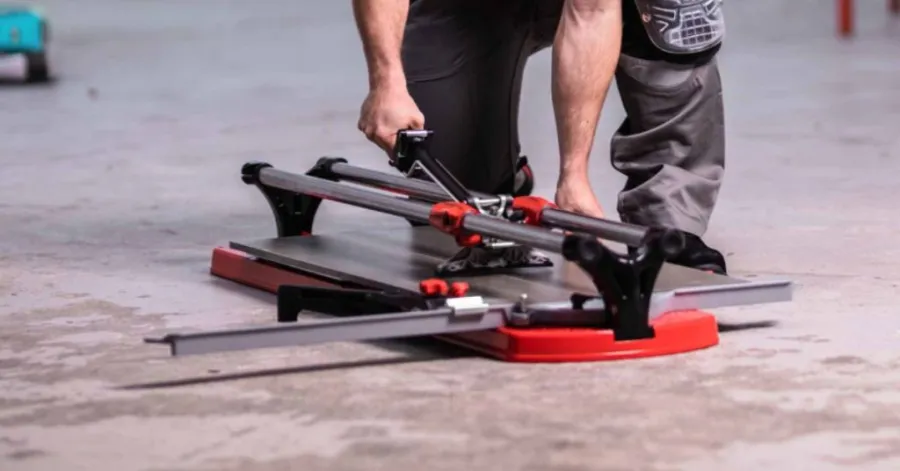
Selecting the best manual tile cutter can make the tile installation process easier, faster, and more precise. The right model should fit your tile size, material, thickness, and cutting needs. Whether you’re doing small home improvement projects or larger installations, knowing the key features can prevent wasted tile and uneven cuts. From cutting power to wheel quality, stability to handlebar design, and durability, we’ll show you how to select the manual tile cutter that’s best for you. Then compare them to make an informed choice about which cutter best suits your project and find a viable way to get a clean, consistent cut.
Table of Contents
How to Choose the Best Manual Tile Cutter for Your Project
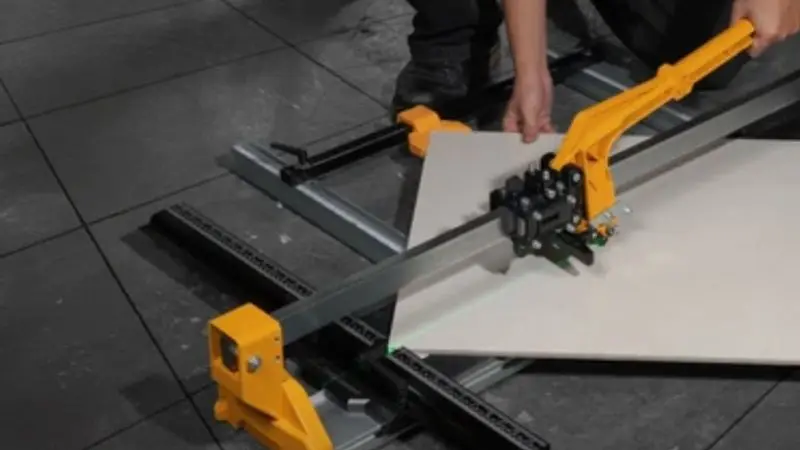
There’s a lot more to consider when choosing the right manual tile cutter than its cost or appeal. The cutter should match your tile type, size, thickness, and the cuts you want to make.
Recommended For Your Project
When choosing the best manual tile cutter, you should assess the cutting capacity, quality of wheels, guides, support, and construction. These can impact the accuracy of cuts, ease of use, and the quality of the work you make.
Consider Tile Size and Cutting Capacity
First, find out what the maximum tile length and diagonal cutting capacity are of the manual tile cutting tool. The cutter should be big enough to accommodate the size of the pieces you want to install and not push them into a position you don’t want to be in. For normal wall and floor tiles, a small model might suffice, but for large format tiles, a longer cutting bed and stronger support are required. When considering which manual tile cutter you should purchase, think about how large your tile is and how large it can cut. A larger cutter gives you a more comfortable grip and lets you cut long, straight lines more easily.
Check Tile Material and Thickness
The material and thickness of your tiles are important when choosing a cutter. Normally, ceramic tiles are easier to score and snap than porcelain, which is more difficult and may require a more powerful cutter with an appropriate scoring wheel. Thick tiles also require sufficient breaking force to ensure that they break cleanly when scored. When choosing a manual tile cutter, check the manufacturer’s recommended tile thickness and materials. A cutter that is not used in its proper zone may cause uneven cuts, chipping of edges, or incomplete cuts. Matching the cutter to the tile can improve cutting accuracy and make the process more predictable.
Choose the Right Cutting Wheel
The cutting wheel forms this scoring line, allowing the tile to fracture along it. The material, diameter, and sharpness can affect its ability to score the surface. Tungsten carbide wheels are widely used for many ceramic and porcelain tiles, as they can provide a uniform scoring line. Some cutters also have the option to change the wheel when it wears out. When choosing the best manual tile cutter, consider whether the scoring wheel will fit your type of tile material and surface. A proper wheel can help to minimize repeat scoring and provide greater control in straight cuts.
Look for Accurate Cutting Guides
Accurate guides ensure proper alignment during scoring and separating. Find a cutter that has an adjustable guide that is strong, a measurement guide that is easy to read, and a guide that does not shift easily. When cutting with a guide, it is possible for the scoring wheel to wander off the marked line. This could lead to loss of tiles and irregular edges. When you’re looking for the best manual tile cutter, you need to give careful thought to the alignment system and not just the cutting wheel. Reliable guides are especially critical when making multiple cuts that must match each other.
Check the Base and Tile Support
Base stability is the foundation of accurate cutting. Find a manual tile cutter with a sturdy structure and an expansive surface for the tile you are working with to hold the tile during scoring and snapping. Other non-slip features such as rubber feet can help to stabilize the cutter during operation. The extra side supports can also be helpful for wider or larger tiles. An insufficiently supported tile can shift or bend while being cut, which can lead to an irregular fracture. In order to make a straight cut, the best manual tile cutter is one that maintains the level of the tile and supports the tile from the start to finish of the cut.
Compare Portability and Storage
Before selecting a model, think about how you will use and store the cutter. Compact manual cutting tools are more likely to be carried from room to room, taken to other sites, and stored at the end of the job. Bigger cutters might have a higher cutting capacity, but they might need more specific storage. Having said that, if you use large-format tiles on a regular basis, then the extra size might be worth it. If you’re doing a few projects here and there at home, mobility might be more significant. Consider your working environment and the size of your tiles when comparing models. This can help your decision on what manual tile cutter to buy that doesn’t have features or capacity you don’t use often.
Consider Price and Durability
Construction quality, cutting capacity, and anticipated use should be taken into account when considering price. If you plan on doing this only a few times, a less expensive cutter would probably suffice, but if you do this often or have difficult jobs, it might be worth investing in a more robust cutter. Disassemble the frame, rails, scoring mechanism, handle, and replaceable parts to study the construction of the cutter. Also, note if replacement scoring wheels are available. When considering the best manual tile cutter, consider the different types of tiles you want to cut and the number of tiles you will be cutting in the long run. Investing in a high-quality, long-lasting cutter that fits the specific application can offer long-term value.
Best Manual Tile Cutter Features to Look For
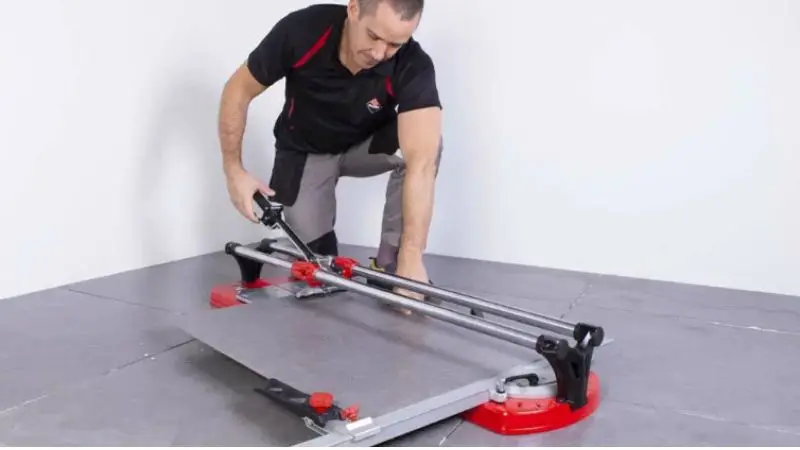
After selecting a cutter for your tiles, you’ll want to consider the features of different models to make them easier and more reliable to use.
These can help you make your decision as to which is the best manual tile cutter to use for your project to improve alignment, cutting control, comfort, and overall performance.
Adjustable Cutting Guide
An adjustable cutting guide ensures precise tile placement before scoring. It should slide easily and securely so that it won’t move while you’re working. Measurement markings can also be helpful to replicate the same cut on multiple tiles. This is especially true if you need straight, even edges for your project. Even a quality scoring wheel won’t give accurate results if the guide is loose or difficult to adjust. While evaluating the best manual tile cutter choice, make sure that the guide is capable of width adjustments and stays stable when cutting the tiles. With a precise guide, you will have more control and can minimize error and wasted tiles.
Strong and Replaceable Cutting Wheel
A good cutting wheel forms the score line that guides the tile when snapping. The wheel must be appropriate for the type of material and thickness of your tiles. A replaceable wheel is especially convenient since the scoring performance may decrease due to wheel wear. You can replace it with a compatible wheel without having to replace the entire cutter and work. Before choosing the manual tile cutter I want to buy, I will consider the wheel quality and the availability of replacement wheels. For clean, straight cuts, a reliable scoring system is essential, particularly when using porcelain tiles or other more rigid materials.
Stable Cutting Base
A stable cutting base supports the tile during scoring and snapping. A strong frame and sufficient surface area will hold the tile in place without too much movement. Non-slip feet may be useful to hold the cutter in place on a work surface, and padded support areas may help to protect the tile during cutting. With larger and heavier tiles, stability is even more critical as movement can impact the scoring line. When comparing models and asking “Which is the best manual tile cutter?” take into account the stability of the cutter when in use. A stable base can help make each cut more controlled and consistent.
Adjustable Cutting Depth
There is adjustable cutting depth, which will control the interaction of the scoring mechanism with the various thicknesses of tiles. This is helpful when using multiple tile types in a project, or when you need more fine-grained control over the scoring action. The adjustment should be easy to make and stay where it’s supposed to be during the cutting process. A proper depth will allow the wheel to form a distinct score without being pushed too hard. Before selecting a model, make sure it has a recommended thickness range and an adjustment system. Knowing this feature can aid in figuring out how to choose the best manual tile cutter since you will have the ability to choose a machine that will meet the materials that you will be working with.
Comfortable Handle
The handle will influence the ease of handling the scoring and breaking mechanism. A comfortable design should offer a secure grip and provide ample leverage to remove the tile with ease. Smooth movement will also make repeated cuts easier during larger jobs. The handle should be well balanced and allow pressure to be applied gradually, not suddenly, to the tile. The handle should also be taken into consideration when choosing what manual tile cutter to purchase, as well as the tile cutter’s scoring and frame. A good handle can enhance control, minimize extraneous effort, and make the cutting process more manageable if you are going to be making numerous cuts.
Angle Cutting Capability
Some manual tile-cutters have an adjustable guide or mechanism that will make it possible to cut your tiles at an angle. This is beneficial for projects that require corners, diagonal cuts, or decorative patterns that can’t be achieved with straight cuts. See what angles it can adjust to and how well it secures at the angle. This is critical, as even a slight adjustment of the angle can result in varying tolerances of tile fit. This feature might not be necessary if you do not need any curved edges in the majority of your project. But if you’re looking at the best manual tile cutter for straight cuts with models that can cut at an angle, ask yourself if you will need to cut tiles at an angle in the work you’re planning to do.
Manual Tile Cutter vs. Other Tile Cutting Tools
There are various types of tile cutting tools available for various materials, cuts, and working environments. Knowing these differences can help you choose the right tool for your work.
Your choice depends on the required precision, project size, tile type, and cut style.
Manual Tile Cutter vs. Wet Tile Saw
Many ceramic and porcelain tiles are cut manually using a tile cutter to make straight cuts. It doesn’t require electricity, water, or any other power source and can be put up and taken down fairly easily. A wet tile saw is more appropriate for harder materials, thicker tiles, and some of the more intricate cuts, and utilizes a motorized diamond blade and water. But it’s typically bulkier, noisier, and a bit more complicated to install. If your project is primarily straight cuts, it may be better to use a manual cutter for speed and ease of use. If you need to make complex cuts or work with challenging materials, a wet saw might be more versatile and capable.
Manual Tile Cutter vs. Angle Grinder
Unlike a manual tile cutter, an angle grinder is able to cut straight, curved, notched, and other irregular cuts. But it requires the right diamond blade and careful handling. It can also produce a lot of dust and can result in rougher edges than a properly scored and snapped tile. A manual cutter is typically easier to use for multiple straight cuts and scores the surface and breaks the tile along the score line. When choosing which manual tile cutter to buy, how often do you need straight cuts as opposed to shaped cuts or detailed cuts? A manual tile cutter can be easier and cleaner to use for basic tile cutting.
Manual Tile Cutter vs. Tile Nippers
Tile nippers are small hand tools used to cut small pieces of tile, especially to form edges around curves, corners, and irregular areas. They are not designed to be a substitute for a tile cutter for long straight cuts that do not require cleaning. A manual cutter would feature a scoring wheel and breaking mechanism to cut the tile along a predetermined line and is better for general installation jobs. Nippers may be helpful for making small cuts or trimming off small sections of metal after a larger cut. When considering which manual tile cutter you should use, ask yourself if you want mostly straight cuts or detailed edges.
Which Tool Is Best for Your Project?
| Tile Cutting Tool | Best For | Main Advantage | Main Limitation |
| Manual Tile Cutter | Straight cuts on ceramic and porcelain tiles | Fast, simple, and does not need electricity or water | Less suitable for curved or detailed cuts |
| Wet Tile Saw | Thick, hard, or difficult-to-cut tiles | Handles harder materials and complex cuts | Bulkier, noisier, and needs water and electricity |
| Angle Grinder | Curved, notched, and irregular cuts | Offers greater cutting flexibility | Produces dust and may leave rougher edges |
| Tile Nippers | Small trims, curves, and edge adjustments | Useful for detailed shaping and minor cuts | Not suitable for long straight cuts |
In general, choose a manual tile cutter for repeated straight cuts, while a wet saw, angle grinder, or tile nippers are better suited to specialized cuts and adjustments.
How to Choose a Manual Tile Cutter for Different Projects
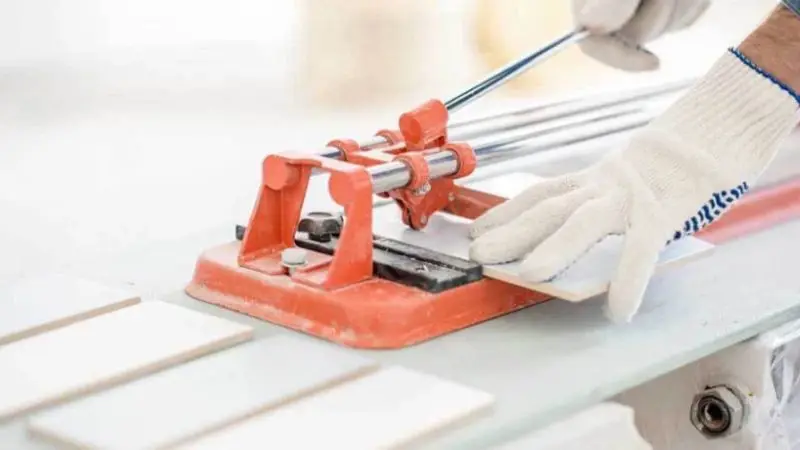
There are many ways to cut tiles, and what works best for one project may not work for another, since material, size, and installation requirements can vary widely.
What follows are some tips for what to look for when considering a cutter for popular tile projects, whether they’re small household fixes or larger installations.
Best Manual Tile Cutter for Ceramic Tiles
Many standard manual scoring and snapping tools can be used to score and break ceramic tiles, as it is generally easier to do than with harder tile materials. For ceramic tiles, pay attention to the size of the tile, thickness, and quality of the scoring wheel when selecting a cutter. When preparing numerous tiles, a stable base and precise guide are helpful in making consistently straight cuts. While perhaps not necessary for a small ceramic tile project, the cutter should be the same size as the manufacturer’s recommended cutting size; for those who want the best manual tile cutter, the one that can score reliably and has sufficient capacity for the particular ceramic tiles in use.
Best Manual Tile Cutter for Porcelain Tiles
Many ceramic tiles are softer and less dense than porcelain tiles and therefore may need less force to score and break. Use a manual cutting tool that is designed for porcelain and ensure that its scoring wheel is suitable for the surface. A stable tile support with a rigid frame can also help to keep the tiles in place while cutting. Another factor to take into account is the thickness of the tile, as thicker porcelain may require more breaking force. When choosing the manual tile cutter, check the porcelain cutting capacity as well as the general cutting capacity. With the proper wheel, leverage, and support, the cutting of porcelain can be a more manageable task.
Best Manual Tile Cutter for Large Tiles
When cutting larger format tiles, it’s important to use a cutting machine of adequate cutting length that has good surface support across the tile. Determine the size of the longest cuts you’ll want to make and use that as the basis for comparing the product’s cutting capacity. A long, rigid rail and stable base can help to maintain the alignment of a scoring mechanism over a larger area of tile. Side supports can also keep the sections that are not being supported from shifting during cutting. For straight cuts, look for the manual tile cutter for cutting capacity, stability, and guide accuracy. While the compact cutter might be easy to store, if the tiles are bigger than it can cut, then it might be quite hard to use.
Best Manual Tile Cutter for Home Renovation
When doing a home remodel, versatility and convenience may be more important than selecting the biggest and most expensive cutter on the market. The first step is to determine the type, thickness, and size of the tiles used in the project. When using multiple compatible tile materials, choose a cutter that has a scoring system appropriate for them and a cutting space large enough for the largest ones. When cutting multiple times in various rooms, a stable base and adjustable guide can also aid. When you’re asking, “What manual tile cutter should I buy?” consider the type of renovation you’re doing, and avoid buying capacity and features you won’t use often.
Best Manual Tile Cutter for Beginners
For beginners, a manual tile cutter that has easy controls, clear measurements, and a steady tile-holding system and smooth scoring system would be highly beneficial. A simple design makes it easier to learn alignment, scoring, and snapping without unnecessary adjustments. It’s also crucial to select a cutter that is compatible with the tile material and thickness, as the appropriate tool can make the learning process more predictable. When choosing a manual tile cutter, first identify the tiles you plan to install, then select a model designed to work with them. A good handle and guide will also help you gain greater control as you begin cutting.
Wrap-Up
When selecting a manual tile cutter, the first step is understanding the nature of your tiles and the cuts you need for your project. Scout reviews before purchase: cutting capacity, material compatibility, scoring wheel, guides, base, handle, and construction. Cutters that are built to fit the size and thickness of your tiles can offer a higher degree of control and consistency. When you’re still wondering what the best manual tile cutter is, pay attention to features that you use in your work and not simply on price. If you have the right specifications and design, you can choose a reliable cutter for home renovation, ceramic tiles, porcelain tiles, and straight cutting work.
FAQ
What is the best beginner tile cutter?
For beginners, a manual tile cutter with a sturdy base, clear measurement guide, smooth scoring wheel, and simple breaking mechanism is a practical choice. A 600–800 mm manual tile cutter is suitable for many common ceramic and porcelain tiles and is easier to control than a power saw. Choose a model based on your tile’s material, thickness, and maximum cutting length.
Which manual tile cutter should be purchased to cut porcelain tiles?
Select a manual cutter that is rated for porcelain, has a robust scoring wheel, a powerful breaking mechanism, good support stability, and a capacity large enough to accommodate the size and thickness of your tile.
Is it possible to cut tiles straight with a manual tile trimmer?
Yes, a manual tile cutter is mainly used for scoring and snapping straight lines. A stable guide, accurate measurements, and an appropriate scoring wheel produce clean, consistent straight cuts.
What are the criteria to select a manual tile cutter for a big tile?
Measure the size of your largest tile and check the size of the cutter for its maximum length and diagonal cutting size. Opt for a hardy model that can support large-format tiles.
What is the difference between a Wet Tile Saw and a Manual Tile Cutter?
A manual cutter is handy for many straight cuts and doesn’t need any electricity or water. A wet saw is more versatile for thick, hard, and more intricate tile cuts.