Choosing the right wire fence depends on several factors. Some wire fences prove effective under certain conditions. When choosing a wire fence, remember your objectives and the level of maintenance you are willing to do. Choose the wire fence type that works best for you.
What are the Different Types of Wire Fences
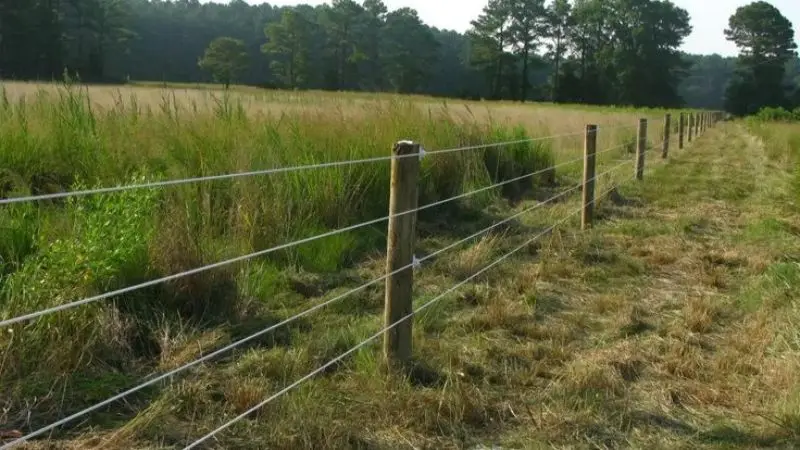
Chain Link Wire Fence
Chain-link wire fencing is commonly used in schools, parks, and sports grounds. The fencing is made of interconnected steel wire that forms a mesh. The fence can be used for security and visibility purposes. Many people choose chain-link wire fencing for temporary use.
Recommended For Your Project
Welded Wire Fence
Another popular wire fence is the welded wire fence. It uses a welding method that joins the wires at their points of intersection to form a mesh pattern. This fencing is very sturdy and hard to tear down. It can be used as a garden fence, pet enclosure, or wire mesh fence. The fencing is sold in rolls, hence easy to install.
Welded Wire Fence 72×100
A welded wire fence listed as 72×100 usually refers to a roll measuring 72 inches (6 feet) high and 100 feet long. These numbers describe the roll dimensions, not the mesh opening. Because some listings omit the units, confirm the height and length with the seller before ordering.
When comparing 72×100 welded wire fence rolls, check these specifications:
| Specification | What to Check |
| Roll dimensions | 72 in. high x 100 ft long |
| Mesh openings | Common options include 2 x 4 in., 1 x 2 in., and 1-1/2 x 1-1/2 in. |
| Wire gauge | Often 14 Gauge or 12.5 Gauge, depending on the product |
| Coating | Galvanized steel or PVC-coated galvanized steel |
| Finished wire gauge | Some PVC-coated products have a thicker finished diameter than their galvanized steel core |
| Roll weight | Varies with wire gauge, mesh opening, and coating; comparable 72 x 100 rolls can weigh around 91–183 lb |
| Installation accessories | T-posts, U-posts, or wood posts, plus compatible staples, clips, or ties; a fence stretcher can help with installation |
For example, a 72 x 100 ft galvanized roll with 2 x 4 in. openings and 14-gauge wire weighs approximately 91 lb. A black PVC-coated version with 1-1/2 x 1-1/2 in. openings and a 14-gauge galvanized core weighs approximately 183 lb. The difference comes from the wire configuration and coating, so do not assume that all rolls with the same dimensions have similar weights.
A six-foot-high roll is generally suited to property boundaries, larger garden enclosures, and some livestock fencing projects. Larger 2 x 4 in. openings work for general perimeter applications, while 1 x 2 in. or 1-1/2 x 1-1/2 in. openings provide a tighter barrier for smaller animals. Choose the mesh based on what you need to contain or keep out.
Hardware cloth, chain-link fencing, and welded field fencing are different products. Hardware cloth typically uses much smaller openings, chain link has a diamond-shaped woven structure, and field fencing uses a different agricultural wire configuration. Check the actual construction, mesh size, and wire gauge rather than relying on broad product labels.
Where can I buy a durable welded wire fence 72×100 at the best price?
For a true 72-inch-high, 100-foot-long welded wire fence roll, start with specialist fencing suppliers such as Academy Fence and agricultural wire distributors. They offer different mesh openings, wire gauges, and finishes, so compare the exact product specifications rather than choosing by the lowest listed price alone.
| Supplier / Product | Roll Size | Mesh / Wire | Finish | Listed Price |
| VEVOR 72 in. x 100 ft Hardware Cloth | 72 in. x 100 ft | 1/2 x 1/2 in., 19 Gauge | Galvanized | About $158 |
| Academy Fence WW241410072 | 72 in. x 100 ft | 2 x 4 in., 14 Gauge | Galvanized | About $220 |
| Academy Fence WW121410072 | 72 in. x 100 ft | 1 x 2 in., 14 Gauge | Galvanized | About $500 |
| Academy Fence WW151410072BK | 72 in. x 100 ft | 1-1/2 x 1-1/2 in., 14-gauge galvanized core | Black PVC-coated | About $320 |
| Academy Fence WW1541410072BK | 72 in. x 100 ft | 1-1/2 x 4 in., 14-gauge galvanized core | Black PVC-coated hardware cloth | About $300 |
| Jackson Wire 10014114 at Mill Supply | 72 in. x 100 ft | 2 x 4 in., 12.5 Gauge | Galvanized | About $327.50 |
The prices above are examples from supplier listings and can change with stock, promotions, and shipping. The Academy Fence options illustrate why the mesh opening and coating matter: a 2 x 4 in. galvanized roll and a tighter 1 x 2 in. roll are not equivalent products, even though both measure 72 x 100 ft.
VEVOR also offers a 72 in. x 100 ft, 19-gauge hardware cloth roll with 1/2-inch mesh openings. It is worth considering when you need a taller, fine-mesh barrier for gardens, poultry areas, or small-animal protection. However, it is not a direct substitute for a heavier 14-gauge welded wire fence with 2 x 4 in. openings. Compare it within the fine-mesh category rather than ranking its price against conventional perimeter fencing.
Before ordering, compare the delivered cost, not just the product price. A heavy roll can incur substantial freight charges, and a 100-foot roll may require freight delivery or special handling. Check the supplier’s shipping area, delivery method, return policy, and current stock. Also confirm the exact SKU, wire gauge, mesh opening, coating, and roll dimensions on the product page before checkout.
Wire Fence – Woven
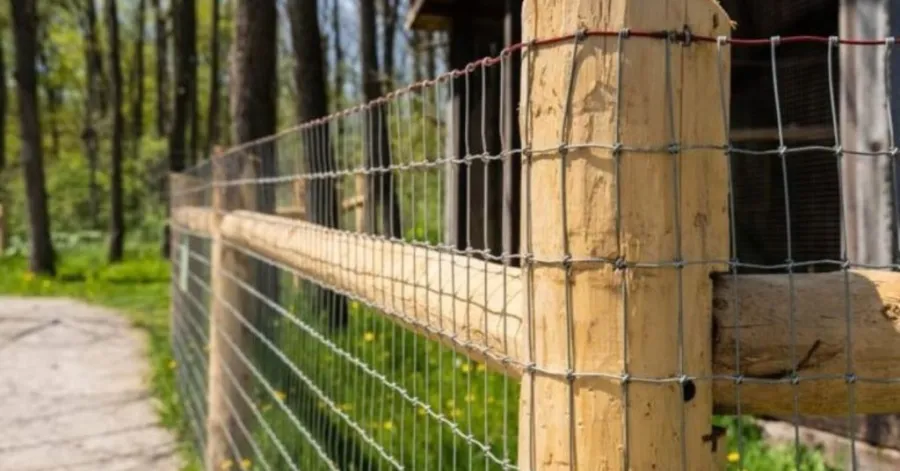
A woven wire fence comprises twisted wires, forming a flexible fence. It can be used as a livestock or field fence. It withstands pressure from animals and remains durable for a long time. It is the best wire fence for livestock.
Barbed Wire Fence
This wire fence uses sharp barbs to prevent the entry of both people and animals. This type of fence is common on ranches and farms. It can cover large areas and is one of the oldest forms of wire fencing that still works effectively on farms.
Razor Wire Fence
Razor wire is the best type of wire fence due to its blade-like design. Razor wire is mostly installed above fences in military camps and prisons. Some people have installed razor wire as a temporary fence.
Electric Wire Fence
An electric wire fence delivers electric shocks to any animal or human who comes into contact with it. This type of fence can confine livestock and prevent wildlife from accessing your garden. Electric wire fences fit well with other wire fence structures.
Chicken Wire Fence
A chicken wire fence is made up of thin wire twisted in a hexagonal fashion. Chicken wire fences can contain chickens and other small animals. Chicken wire fences are available in rolls.
Field Fence
A field fence is a wire-mesh fence that can withstand pressure. Field fences typically enclose large animals like horses and cows.
Deer Fence
A wire fence that uses tall wire mesh to protect plants or gardens from deer. You can use it where wild animals are common. A deer fence is one of the many types of wire fences that serve various purposes.
High-Tensile Wire Fence
A high-tensile wire fence is made of tight, non-stretchable wire. This type of fence is ideal for large farms and properties with heavy animals. High-tensile wire fences are very durable and low-maintenance.
Wire Fence Types Comparison
| Fence Type | Advantages | Uses |
| Chain Link Wire Fence | Affordable, durable, easy to install, and provides good visibility | Residential yards, schools, parks, sports grounds, and temporary fencing |
| Welded Wire Fence | Strong, rigid, durable, and easy to maintain | Gardens, backyards, pet enclosures, and property boundaries |
| Woven Wire Fence | Flexible, durable, and suitable for animal containment | Farms, fields, livestock areas, and large properties |
| Barbed Wire Fence | Low cost, provides strong deterrence, and covers large areas. | Farms, ranches, livestock areas, and property boundaries |
| Razor Wire Fence | Provides a high level of security and is difficult to climb | Military facilities, prisons, industrial sites, and restricted areas |
| Electric Wire Fence | Helps contain animals and deter unwanted entry | Livestock areas, farms, gardens, and wildlife control |
| Chicken Wire Fence | Lightweight, inexpensive, and easy to handle | Chicken coops, gardens, small animal enclosures, and craft projects |
| Field Fence | Strong, durable, and suitable for large animals | Farms, ranches, pastures, and horse or cattle enclosures |
| Deer Fence | Tall design helps prevent deer from entering protected areas. | Gardens, farms, orchards, and areas with deer activity |
| High-Tensile Wire Fence | Strong, long-lasting, and requires relatively little maintenance | Large farms, livestock areas, pastures, and agricultural properties |
Advantages of Various Wire Fence Types
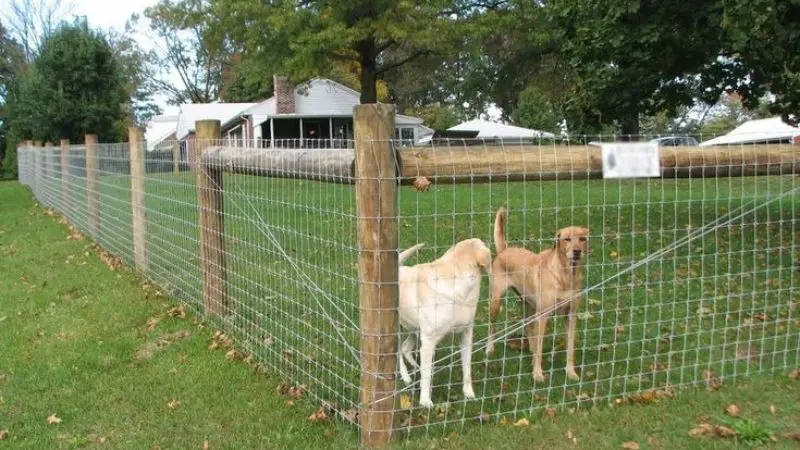
Durable and Strong
A good fence must be strong enough to withstand various conditions. Several wire fences are made of steel or galvanised metal; these materials do not rust easily. The high tensile wire fence cannot deform under the animal’s pressure. Hence, it would be correct to state that wire fences are reliable and durable.
Affordable in Various Scenarios
In general, wire fences are cheaper than wooden and vinyl fences. In addition, fencing wide areas can be done cheaply. Chain-link and field fences are often the most affordable. If you want to fence a large yard or farm, wire fences are the best option.
Simple and Easy to Construct
You don’t need specialised tools to build wire fences. You can easily roll them and erect them with posts. They are also easy to repair if they break.
Choosing the Appropriate Wire Fence
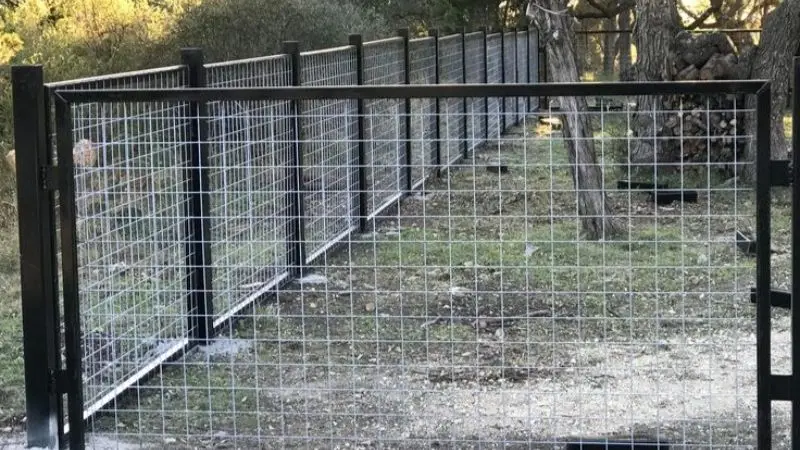
Purpose of the Fence
The first factor to consider when choosing a type of wire fence is its purpose. Do you need a deterrent fence or a containment one? To keep pets safe and to protect gardens, choose welded wire. Barbed wire is good for livestock and for deterrence. For maximum deterrence, choose a 358 anti-climb fence or razor wire.
Security Requirements
Next, assess your security requirements. You may opt for chain-link or welded wire fences if you need home security. For very high security levels, you will need anti-climb measures such as barbed wire. Barbed wire and 358 anti-climb fences are good for deterrence. Razor wire provides maximum deterrence. For anti-climb purposes, these fences will help you.
Assess Local Weather Conditions
Find out about your local weather. A wet climate results in rusting. When choosing the right wire fence, select a durable material. Galvanised wire does not rust. Barbed wire and anti-climb fences suit dry climates well. If your area has frequent stormy weather, high-tensile wire and 358 anti-climb fences offer better deterrence.
Compare Installation Costs
Calculate the cost before buying the fence. Barbed wire costs less than anti-climb fences. Chicken wire is low in cost. Choosing the correct wire fence depends on your budget and security levels. High security requires you to spend more. You can compare prices in a table.
Maintenance Planning
It is important to plan for your property’s maintenance. Barbed wire requires frequent checks, while anti-climb fences require less maintenance. Choosing the appropriate wire fence depends on how much effort you want to put into maintenance. Electric fences require battery checks, while welded wire requires cleaning.
Best Wire Fence Types for Different Uses
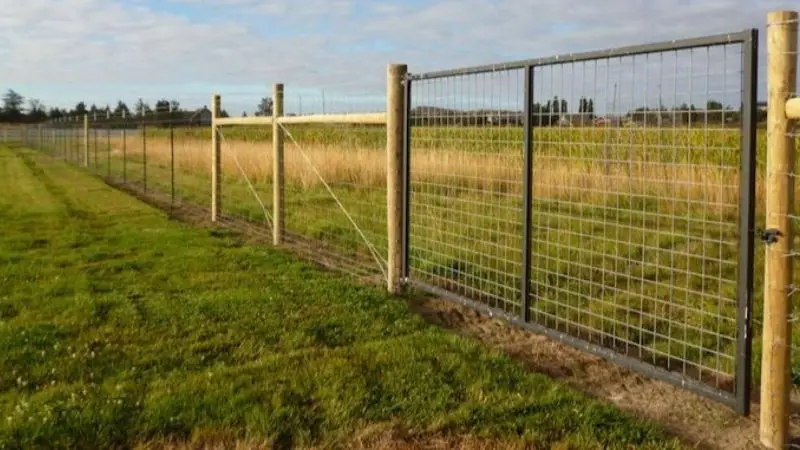
Residential Areas
You need a fence that makes your property safer while still looking appealing. Chain-link wire fence panels are ideal for residential yards. You can also choose panels in various heights and mesh sizes. Welded-wire fencing panels are great for both pets and garden areas. Wire fence panels are easy to install and maintain. Most people prefer panels that suit their yard size.
Farms/Livestock
You need tough panels to secure livestock. Barbed-wire fence panels help protect large fields. You can pick panels for cattle, sheep, or horses. High-tensile wire fence panels last a long time. They do not need much care. Farmers use panels that fit their animals’ needs.
Gardens and Backyards
You want to keep plants and pets safe. Welded wire fence panels are the best choice for a backyard fence. Chicken wire fence panels work for small animals. You can pick panels with the right mesh size and height. Many gardeners use panels to keep out rabbits and birds.
Commercial and Industrial Sites
Fencing materials must be durable and safe. Chain link wire fence panels are ideal for commercial entities. Razor wire fence panels add another layer of security. Anti-climb fence panels are available for you to choose from. Many businesses use panels for protection.
Wildlife and Deer Control
Preventing crop destruction by wildlife is important. Use deer fence panels to deter animal intrusion. Wire electric fence panels protect gardens and yards. Choose tall panels to prevent intrusion. Many landowners use panels to prevent wildlife intrusion.
Conclusion
Select the right type of wire fencing based on your requirements. When selecting fence panels, consider functionality, price, and aesthetics. The above information will help you make a wise decision. Select the right fence panels for your property. Consider the purpose, cost, and maintenance.
FAQ
Which is the cheapest type of wire fence?
Chain-link and chicken wire fences are normally less expensive than other types of fences. They are good for covering large spaces at a lower cost. You can use them for gardening, pets, or even property fencing.
For how long will a wire fence last?
Generally, wire fences last for about 10-20 years. Galvanised wire fences usually last longer since they resist corrosion. To extend their service life, inspect and repair them regularly.
Can I build a wire fence on my own?
The owner can erect most wire fences since they come as rolled wire or prefabricated panels. The only tools you need for erecting such fences include pliers and a hammer.
Which is the best wire fence for pets?
The best type of fence for pets is the welded wire fence. This is because its mesh size protects pets from harm and escapes. Chain-link fences are also suitable for keeping dogs.