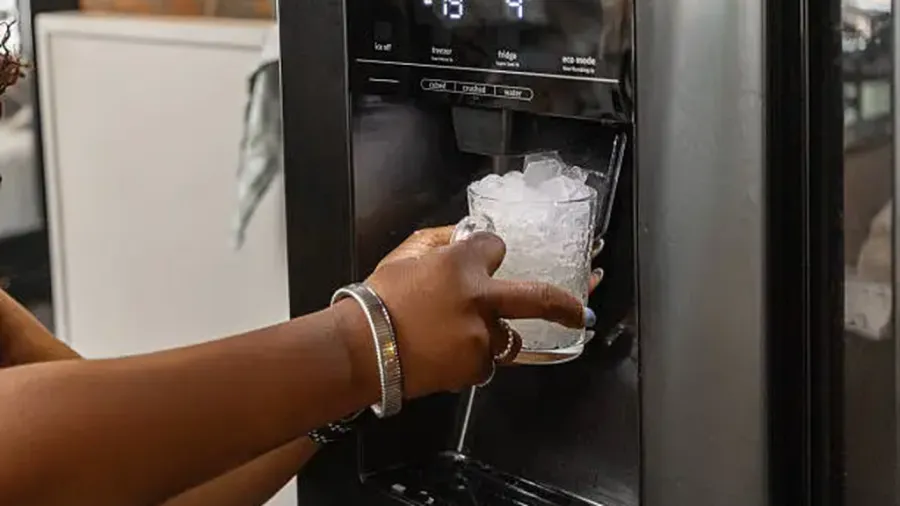
A good bar ice maker lets you serve cold drinks, ensures ice quality, and helps you run your business smoothly. You need plenty of ice when business is brisk, whether you run a small bar, a busy pub, or a café. The right machine can keep you from running out of ice, cut unnecessary expenses, and make your day easier.
What's the trick to choosing the best commercial ice maker for a small bar? Consider several factors, such as ice production capacity, ice type, storage space, cooling system, and energy efficiency. Before you buy, check the machine's size, electrical requirements, and water needs. This guide explains the key features and specs to look for when choosing a bar ice maker. It also outlines the types of machines you can choose from so you can find the one that best fits your business needs.
Key Features to Look for in a Bar Ice Maker
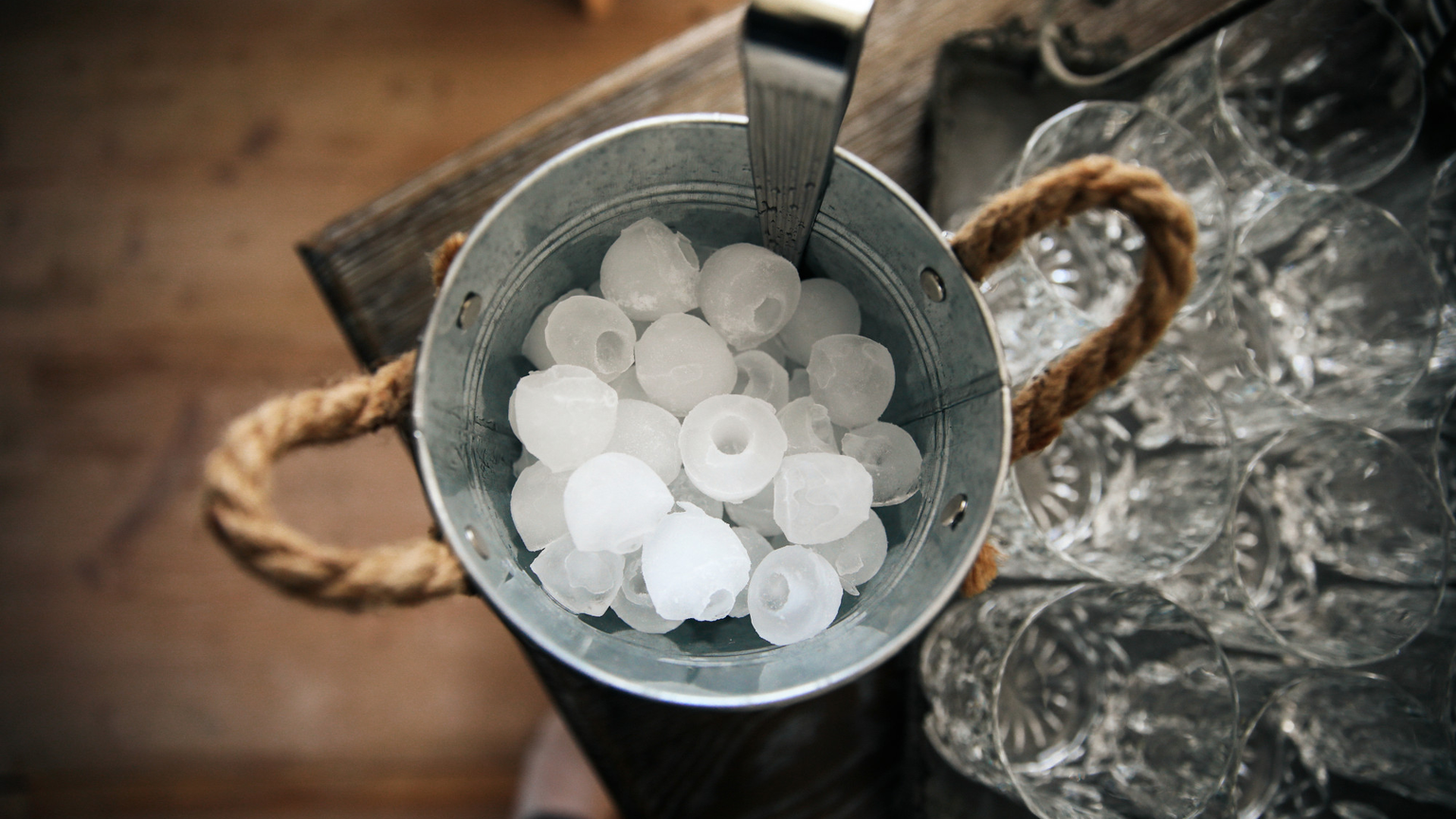
When buying an ice maker for your bar, know what matters most. When production capacity, storage, cooling performance, and design come together, you can keep customers happy. Look for the following features when selecting a machine for your home, office, or school.
Ice Production Capacity
The first factor to consider when choosing a bar ice maker is its ice production capacity. It measures how much ice a machine can make in a given time, typically 24 hours. If the machine can't keep up with peak demand, you may run out. First, roughly estimate how much ice a cocktail bar ice maker produces. Consider how many drinks you serve, what you serve, and when you're busiest. Some drinks, such as cocktails, soft drinks, iced coffee, and other cold drinks, may need different amounts of ice.
An inexpensive, low-capacity machine may work for a small bar with limited drink selections. A busy pub or cocktail bar will need a high production rate to meet customer demand. Plan for extra space during holidays, special events, and seasonal sales.
Ice Type and Shape
The quality of ice your machine makes can influence the appearance, taste, and service of your beverages. Different ice types melt at different rates and suit different drinks. Before choosing the best bar ice makers for commercial use, consider your menu and customer experience. One of the most common types of ice you will find is:
Cube ice: Used for spirits, cocktails, soft drinks, and general bar use. They are recognizable and, because of their size, melt fairly slowly.
Half cube ice: Smaller cubes that fill glasses and work well for all sorts of mixed drinks. Because they're smaller, they contact the drink more and can cool it faster.
Nugget ice: Soft, chewable pieces that work well for some soft drinks, iced drinks, and specialty drinks. They are favored in environments where clients prefer softer, smaller ice.
Thin ice pieces work well for food displays, chilling ingredients, and some special uses (flake ice). They aren't typical for bar beverages.
Ice Storage Bin Capacity
Ice production and ice storage are different. A machine can make a lot of ice in a day, but have a small ice bin. If your customers drink a lot of beverages in a short time, the bin could run out before staff can refill it. The machine produces ice, which is stored in the storage bin until staff needs it. Capacity in the best undercounter ice maker for a bar sets ready ice. This is especially important when staff are busy, as they may need to prepare multiple drinks at once.
When deciding on storage capacity,o consider peak-hour demand,d not just daily average demand. A bar that sells many drinks in the evening might need a bigger bin than a business that sells many drinks throughout the day.
Cooling System: Air-Cooled vs. Water-Cooled
The cooling system affects how a small bar commercial ice maker operates and how much it costs. The most common types of machines used for commercial applications are air-cooled or water-cooled. Each option has different installation requirements and performance expectations.
| Features | Air-Cooled | Water-Cooled |
|---|---|---|
| Cooling method | Fans move air over the condenser | Water removes heat |
| Water use | Lower | Much higher |
| Best for | Spaces with good airflow | Hot or poorly ventilated spaces |
| Installation | Needs airflow around the machine | May need extra plumbing |
| Running cost | Usually lower | Can be higher |
Energy Efficiency and Water Consumption
When a small bar ice maker runs constantly, keeping ice-making costs down matters, and an energy-efficient bar ice maker can help. The refrigeration system and other parts need electrical power, and water is used to make ice and, in some models, to cool the refrigeration equipment.
To compare machines, review the manufacturer's energy and water-use data. Look at electricity consumption, water use per unit of ice, and any available efficiency certificates.
Don't base your selection only on how much you're willing to spend. A lower-cost alternative might cost more to run because it uses more electricity or water. In a busy bar, you may use more resources than necessary to keep your ice machine running.
Size, Design, and Installation Options
The size of your ice maker matters as much as its production capacity. If it doesn't fit in your bar or isn't safe, a high-capacity machine won't be useful. Measure the available space before buying a machine. Verify its width, height, and depth, and leave space for ventilation, plumbing, electrical access, and maintenance. The dimensions shown may be exceeded for the best undercounter ice maker for a bar.
Consider staff access to the ice. A handy design lets workers collect ice in no time without obstructing walkways or anything else that might disrupt drink preparation. Easy-to-access controls and a convenient storage bin may make daily use easier. Some machines can be mounted underneath, while others are freestanding or countertop. Modular ice makers are typically mounted on ice storage bins or other ice-making compatible equipment.
Ice Quality and Production Speed
The most desirable commercial bar ice makers can continuously make ice and refill the ice delivery, which helps service. Ice quality affects drink appearance and consistency; cloudiness, irregularity, or partial melt can occur. Finished ice quality can vary depending on machine design, incoming water quality, operating conditions, and maintenance. A quality filter can also help prevent scale formation and improve performance if the water contains excessive minerals or other contaminants. Filtration is NOT a replacement for proper cleaning and sanitation.
Production speed is another important consideration. Some machines take longer to complete a production cycle; others replenish more quickly. A short cycle doesn't necessarily mean a more productive commercial ice maker for a very busy bar.
Important Bar Ice Maker Specifications to Compare
Once you've identified the features your business needs, evaluate the technical specifications of different ice machines. This information will help you decide whether a model can meet your daily demand and fit your installation site. You can also avoid future plumbing, electrical, or operating expenses by having a professional check the machine before you buy.
Daily Ice Production Rate
The ice production rate is how much an ice machine can produce in 24 hours under given conditions. This is usually reported in pounds or kilograms per day.
Compare models by using the same operating conditions to determine the production rating. Warm water and higher temperatures will decrease actual production. Therefore, even the best commercial bar ice makers can make less ice under the same conditions.
Before choosing a production rate, consider how much ice you will use each day. Add the number of drinks served, the average ice used per drink, and other uses, such as food prep or bottle cooling.
Dimensions and Space Requirements
Measure the space where you plan to install your bar ice maker before ordering. Measure the machine's width, height, and depth, and compare them to the installation area. Even small variations can mean the ideal undercounter bar ice maker won't fit.
Check ventilation clearances, door openings, and access panels. Ensure adequate space for heat dissipation, cleaning, and maintenance. A tight fit can prevent proper airflow or make maintenance difficult.
Also consider the position of the water connection, drain, and electrical connection. These connections can also affect where you install an ice maker for your home bar; if you need a storage bin, specify its size.
Electrical Requirements and Power Consumption
The commercial ice maker requires an appropriate electrical supply to run safely and reliably. When purchasing a machine, verify the required voltage, frequency, current rating, and plug or connection type.
Ensure that these requirements are in line with your business environment. Some commercial machines require a dedicated circuit or a particular electrical connection. Larger units differ from a compact ice maker for a small bar. Another specification to consider is its power requirements. The rated electrical input is a key indicator of the machine's power requirements. However, it doesn't necessarily tell you how much electricity it will consume over the day; if it does, you'll want to see whether it measures consumption per unit of ice or per day. This lets you compare the running costs of the best commercial ice maker for a small bar.
Water Supply and Drainage Requirements
To make ice for a home bar, this bar ice maker must have a continuous water supply. Many commercial models connect directly to a water line, while some portable models use a refillable water reservoir. Each choice depends on your business size, plumbing options, and projected ice requirements.
Before installation,o check the water pressure and connection size required by the manufacturer. If the supply pressure is not within the recommended range, the machine may not operate properly. Depending on the water characteristics and filtration equipment, you may also need to filter the water.
The drainage is another vital aspect. Some operating cycles may require melting ice, cleaning the water, and draining water away from the machine. The most successful undercounter ice maker for a bar uses gravity drainage, or, if the drain is in the wrong position, a drain pump. Poor drainage can cause standing water, leaks, or improper installation.
Noise Level and Heat Output
Noise level and heat output matter when installing in a bar or café. Noisy equipment can disrupt service for customers or employees, especially in smaller areas where equipment is near customer seating.
Fans, compressors, and other moving parts can produce noise. If you're buying an ice maker for a bustling bar, check the manufacturer's noise-level rating. Make comparisons with t. If possible, make comparisons on various measurement units and test conditions.
He deserves attention. Ice makers extract heat from the refrigeration system and discharge it into the surrounding space. Still, the amount of heat and its discharge direction depend on the refrigeration design. If ventilation is insufficient in a small, enclosed bar area, an air-cooled machine can heat it.
Which Type of Bar Ice Maker Is Best for Your Business?
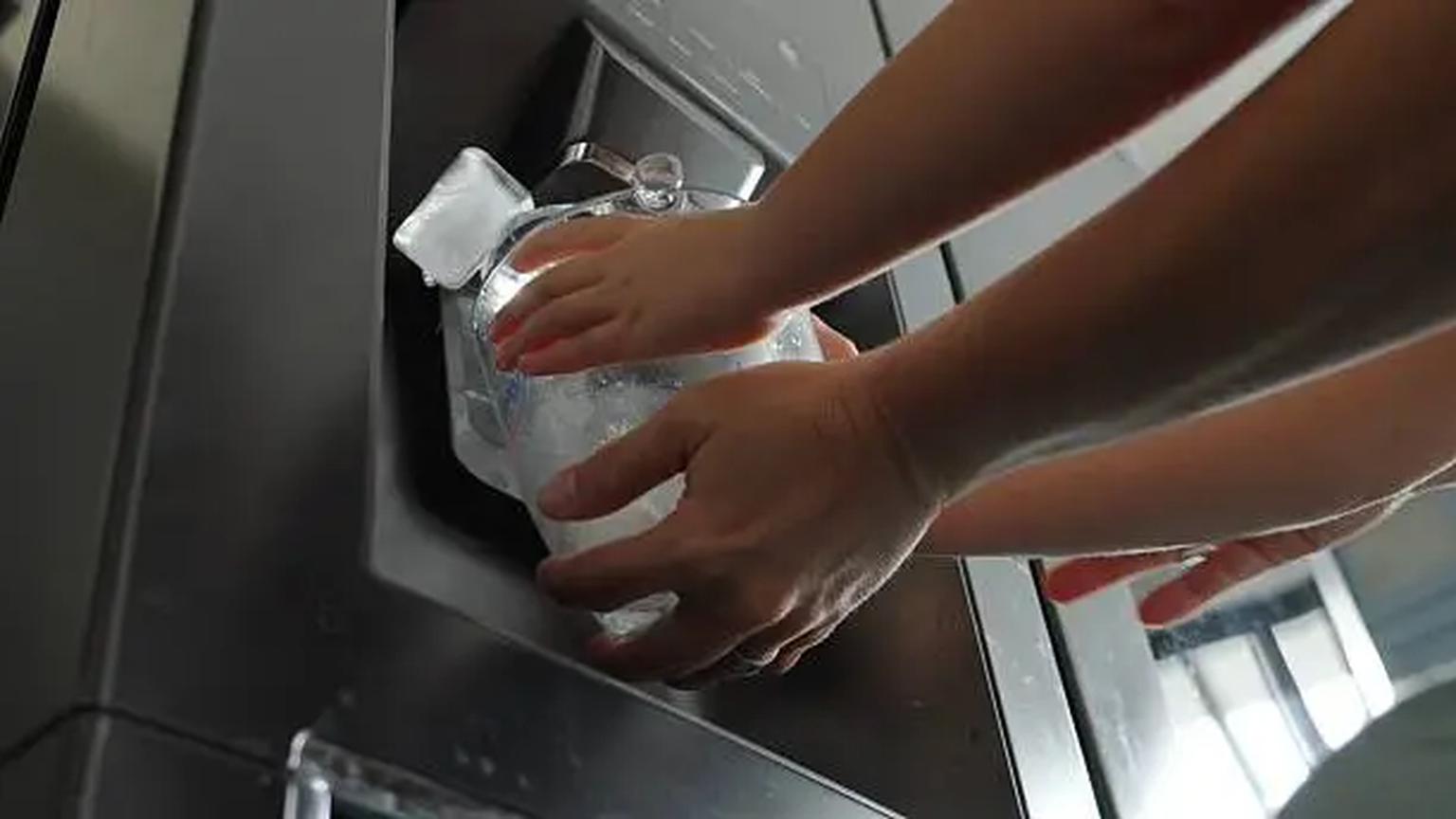
The ideal bar ice maker depends on your space, ice usage, menu, and budget. A small machine may suit a small café, while a larger commercial machine may be necessary for a busy pub. Knowing the main machine types can help you choose machines that fit your operations.
Undercounter Ice Makers for Small Bars
Undercounter ice makers are ideal for small bars, cafés, and space-restricted bars. These machines sit under a suitable counter, letting employees grab ice near where they make drinks. Their small footprint keeps ice easily accessible, improving workflow without needing a separate space for equipment. Many models also combine the ice maker and storage unit in a single cabinet, which is great for companies with moderate ice needs.
If you're looking for the best commercial ice maker for a small bar, focus on production and storage. The design may not keep up during peak hours. Consider how many drinks you serve and whether the bin can hold enough ice during your busiest times.
Commercial Ice Makers for Busy Bars and Pubs
Many bars and pubs are busy enough to need solutions that produce large amounts of ice throughout the day, so commercial ice makers are a must. During busy times, employees can quickly make several cocktails, soft drinks, and other drinks. If a machine has lower output or storage capacity than required, it can slow service. When selecting the best bar ice makers for commercial applications, consider production and storage.
Consider the ice you use on your menu! Use larger cubes for spirits and cocktails, and smaller cubes for standard drink service. The right ice shape can help you avoid overspending while still meeting customer expectations.
Countertop Ice Makers for Small Cafés and Home Bars
If space is limited and you have a home bar, you can find a compact countertop ice maker that meets your needs. Many are portable and use a refillable water reservoir instead of a plumbed-in connection, making setup easy. They help when ice needs are light or when a full-scale commercial installation isn't feasible. They're also easy for smaller events and for providing drinks.
But countertop models usually have smaller storage bins, and their production capacity is often lower than that of many commercially available undercounter or modular models. They might not produce enough for many customers during the day. When buying one, learn its daily production rate, bin volume, refill requirements, and cleaning instructions. Also consider how often you'll need to remove ice and refill the home bar ice maker.
Modular Ice Makers for High-Demand Businesses
One of the top bar ice makers for commercial use is the modular ice maker. These are typically a standalone ice-making head attached to an appropriate ice storage box or dispenser. This configuration offers flexibility based on production and storage needs; for busy pubs, restaurants, hotels, and entertainment establishments, it may be more appropriate if smaller machines can't keep up with production and/or storage demands. Separating the components also helps with flexibility when planning an installation.
Before selecting a modular machine, inspect the production head and the compatible storage bin's capacity. Make sure the bin's capacity matches the production rate of both components. However, if the storage bin is too small, a high production rate won't provide enough capacity. Also consider the overall footprint, ventilation, electrical connections, water connections, and drainage. Planning is more extensive for a modular system than for a small bar ice maker.
Conclusion
When selecting the best bar ice maker, consider more than price or maximum production. Consider ice needs, ice form, storage space, cooling system, energy use, and available installation space. Calculate a baseline of ice usage for your business for normal and peak service hours. Now compare production rates, dimensions, electrical requirements, water, and drainage. This information will help you choose the most suitable commercial ice maker for a small bar.
Normal cleaning and maintenance will also help your machine produce quality ice and operate efficiently. Review the essential features before you buy to ensure you choose a bar ice maker that runs smoothly and supplies your bar consistently.
Recommended For Your Project
FAQs
What is the best stand-alone ice machine for a small café or bar?
The EUHOMY 15-inch Under-Counter Ice Maker suits limited space, and the Blizzard BIM25 produces about 25 kg of ice per day. Both are viable options for smaller venues.
Which cocktail ice is best: clear cubes or nugget ice?
The Scotsman CU50GA-1 makes gourmet cubes that melt slowly, making them ideal for cocktails. Nugget ice machines make the best ice for drinks that need soft, chewable ice.
Which makes large quantities of ice quickly: freestanding or larger ice makers?
The Hoshizaki KM-515MAH produces around 230kg of ice per day, ideal for high-traffic bars. Use it with a storage bin sized to handle peak demand.
What freestanding ice machines are easiest to clean?
For safe ice production, regular descaling and sanitizing are important; the Manitowoc Indigo NXT has guided cleaning features, and the EUHOMY 15-inch model has a self-cleaning cycle.
What energy-efficient freezer is available in France?
When possible, choose models with the ENERGY STAR label, efficient compressors, and air-cooled systems. Energy use per kg of ice varies; some models are more efficient than others, and operating conditions also affect it.
What are the quietest free-standing ice makers?
Noise levels vary by compressor, fan, and cooling system. For customers' bars, shop for under-counter models or models with remote cooling, and research each manufacturer's noise-level ratings.