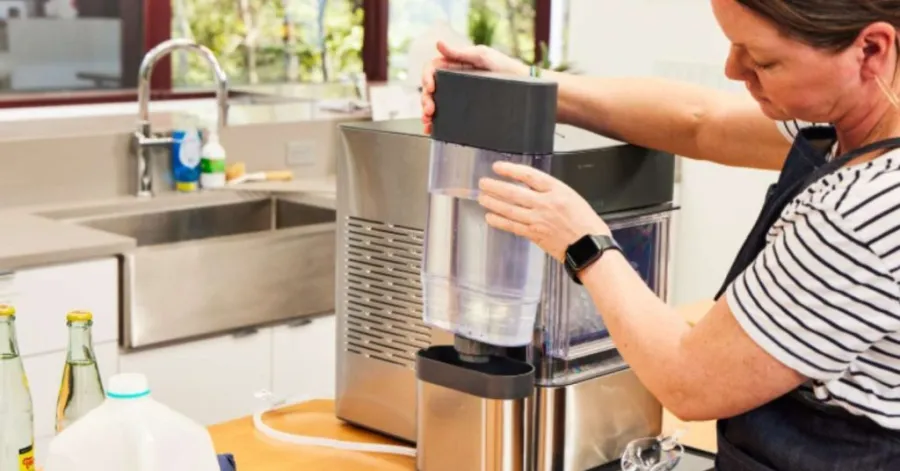
A commercial countertop model delivers a continuous stream of ice without taking up the floor space a full-size unit demands. Any space-constrained setting, from bars and catering setups to cafes, restaurants, and office kitchens, can put these smaller machines to good use. Picking the right model, though, takes more scrutiny than just glancing at its daily volume. Daily operations depend on everything from ice shape and harvest speed to power draw, noise levels, storage limits, water hookups, and maintenance routines. To help buyers find the right fit, this guide walks through the primary machine styles, key capabilities, output ratings, setup considerations, and practical purchase criteria.
What Types of Commercial Countertop Ice Makers Are Available?
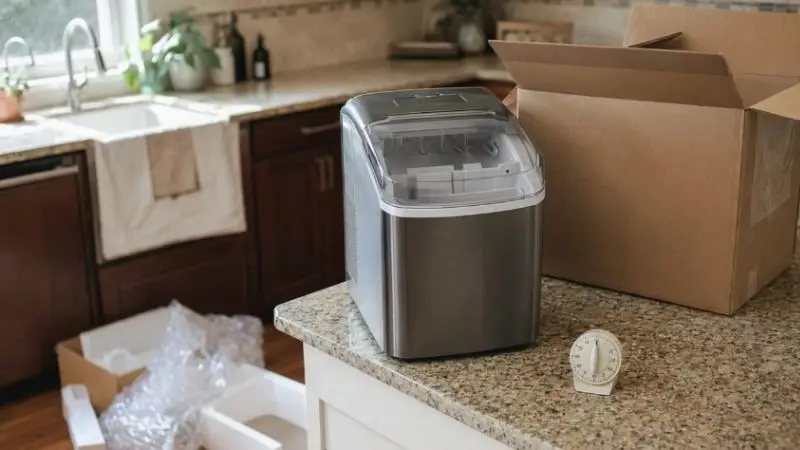
Commercial countertop models are built in distinct designs, and the resulting ice differs in feel, melt time, and physical form. What you should buy comes down to your available counter area and what you plan to put the ice into.
Recommended For Your Project
A coffee shop, for instance, might lean toward soft nugget ice, whereas a dinner service will likely want hard, classic cubes for beverage glasses and displays. Getting a clear picture of these categories helps you pinpoint a commercial countertop unit that actually suits your daily workflow.
Nugget Ice Makers
Nugget machines turn out small, tender, chewable pieces that are favorites for smoothies, iced coffees, sodas, and general cold drink service. Because it is porous, this ice takes on the flavor of the pour and yields easily to your teeth. Countertop nugget units make a lot of sense for coffee spots and casual eateries that pour cold drinks all shift long. Because nugget ice dissolves quicker than hard cubes, it may not suit situations where drinks have to stay cold for extended stretches. Before buying, weigh the unit’s footprint, bin size, sanitizing setup, and daily output to be confident it can handle constant commercial use.
Bullet Ice Makers
These units turn out small, rounded pieces shaped like bullets, each hollowed out completely or partly in the middle. Because of that shape, drinks chill fast and the ice tends to pour or scoop without much hassle, which suits daily drink service. Small restaurants, offices, break rooms, and any spot with middle-of-the-road ice needs will often find these bullet units sensible to run. A lot of countertop versions take up very little room, which helps when you have zero floor space to spare. Buyers should look at cycle times, water supply, daily output, and bin sizes instead of deciding on the piece’s shape alone. Checking those numbers will show anyone shopping for the best commercial ice maker for small business if a bullet machine can actually keep up with daily use.
Clear Ice Makers
Clear ice machines turn out cubes that are fully transparent or close to it. As the water freezes, the equipment forces out a portion of the minerals and trapped air. The result is ice with a much cleaner appearance. It tends to hold up longer without melting than softer, smaller pieces do.
Liquor served neat, mixed cocktails, and other upscale drinks pair naturally with this ice. Restaurants and bars often prefer it simply for presentation in the glass. Cycles on clear ice units can run longer than those on standard machines. They can also call for routine cleanings and a decent water feed. You can get clear-looking drink ice from a commercial countertop unit. Still, you will want to confirm that what it yields in a day actually covers your business.
Cube Ice Makers
The standard cubes found in so many beverages come from cube ice makers. They suit water, soda, cocktails, and general restaurant service quite nicely. A wide variety of beverages can make good use of these cubes. Compared to softer, smaller varieties, they tend to take longer to turn to water.
Restaurants, cafes, catering outfits, and similar food operations can all get good service out of a cube ice maker. Look closely at cube dimensions, batch speeds, daily capacity, bin volume, and upkeep requirements when weighing commercial countertop options. If you lack the floor plan for a full-size unit but cannot afford to run out of ice, a compact cube model makes a lot of sense.
Portable Commercial Ice Makers
These portable commercial units are built specifically with tight quarters in mind. Being able to pack up and relocate the unit easily is another major advantage. You might spot them in food trucks, pop-up venues, small office spaces, cramped kitchen lines, or short-term event spaces.
A refillable reservoir provides the water supply in a lot of portable units. Because of that setup, running a dedicated, fixed water line is often unnecessary. All the same, heavy-duty commercial demands are more than some portable units can actually handle. Prior to purchasing, take a hard look at storage capacity, 24-hour yield, cycle duration, overall durability, and continuous run limits. For modest, day-to-day demands, a portable unit will often do the job just fine. If you run a busier operation, you might need a bigger unit hooked up directly to plumbing and drains.
Each ice maker type serves a different purpose. The table below makes it easier to compare their ice styles and typical uses.
| Ice Maker Type | Ice Style | Best Uses | Suitable For |
| Nugget Ice Makers | Soft, chewable, porous pieces | Smoothies, iced coffee, sodas, soft drinks | Coffee shops, casual restaurants, drink stations |
| Bullet Ice Makers | Small, rounded, hollow pieces | Everyday cold drinks, water, sodas | Offices, small restaurants, break rooms |
| Clear Ice Makers | Transparent or nearly clear cubes | Cocktails, neat liquor, premium drinks | Bars, upscale restaurants, lounges |
| Cube Ice Makers | Hard, standard-shaped cubes | Water, soda, cocktails, general beverage service | Restaurants, cafes, catering businesses |
| Portable Commercial Ice Makers | Varies by model, often bullet or compact cubes | Events, food trucks, pop-ups, temporary service | Food trucks, small kitchens, offices, events |
Do Clear Ice Machines Really Produce Clearer Ice Than Regular Ones, and Why?
Yes, ice made in clear ice machines can come out far more transparent because these machines freeze water in a controlled direction that pushes trapped air and minerals out of the forming cube. They keep air and mineral pockets from getting locked into the frozen cube. Conventional makers tend to freeze the water inward from multiple directions at once. Freezing that way tends to seal minerals and air inside the cube.
Clear ice units typically freeze water in a single direction at a slower pace. As the freeze progresses, air pockets and impurities get shoved out of the way. You end up with visibly clearer ice. Because of its density, clear ice can also take quite a bit longer to melt down. Bars routinely reach for it when serving straight liquor and mixed drinks. Still, certain clear ice units cannot match the volume of a standard commercial maker.
What Should You Consider When Buying a Commercial Countertop Ice Maker?
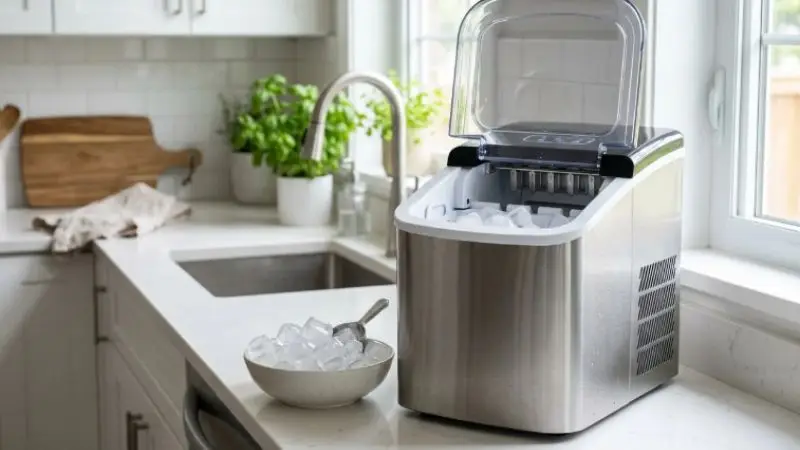
Picking out a countertop machine involves looking at factors beyond daily production numbers. It has to physically fit on the counter space you have, and it must hold up under peak rushes.
Take in all the details before you commit to a purchase. Look over how much it produces, the bin size, the water line, power draw, sound levels, and what it takes to clean. Working through that list will steer you toward a unit that suits your bar, cafe, restaurant, office, or small food outlet.
Ice Production Capacity
Production capacity simply tells you the amount of ice a unit yields within a given timeframe. Manufacturers generally measure this over a 24-hour run. How much ice you go through each day comes down to what kind of operation you run and its scale.
A high-volume bar or dining room can easily burn through far more ice than an office breakroom or small coffee shop. When you compare top commercial countertop models, start by checking the manufacturer’s rated output. Remember that warmer ambient air or incoming water will drag those actual numbers down. Leaving enough breathing room around the unit makes a real difference too. Buy a unit with enough muscle to carry you through peak rush hours. Never base your decision solely on what you go through on an ordinary day.
Ice Storage Capacity
Storage capacity measures the actual volume of ice the internal bin can hold. A unit might crank out ice quickly yet come with a surprisingly tight bin. When things get busy, that quickly turns into a problem.
You have more ice on hand between freezing cycles if the bin is bigger. Look at the bin size right alongside the daily production rating. Bars and restaurants often require bigger bins to handle their peak times. A small office can usually manage with far less bin space. Pick a unit that keeps you supplied with ice without taking over the whole counter.
Ice Production Speed
Production speed simply measures the minutes needed to turn out a single batch. When demand spikes fast, having quick cycles comes in handy. Still, faster drops do not automatically add up to a higher daily total.
Review cycle duration side by side with overall capacity and daily production. For a restaurant counter, you might need both rapid batch times and hefty daily production. That balance prevents the unit from falling behind when the lunch and dinner crowds hit. Taking all three specs into account tells you far more about how the machine handles a rush.
Machine Size and Counter Space
When you are working with a small machine, every inch of counter space matters. Take measurements of the area before you purchase anything. Make sure there is clearance on all sides for cleaning, airflow, water hookups, and drainage.
Do not forget vertical clearance if cabinets or shelving sit above the spot. A compact commercial countertop model can be a good fit for offices, small cafes, and food shops. Going smaller might mean sacrificing storage capacity or getting less ice each day. Always confirm its length, width, and height before you commit to a purchase. The unit might sit on the counter just fine, yet still leave the surrounding work area uncomfortably tight.
Water Supply and Drainage
Where you put the unit depends heavily on how it gets its water. Certain countertop ice makers run off a manual-fill reservoir. Other models plumb straight into a dedicated water line.
Connecting directly to plumbing can be a real asset for high-volume operations. Your team will not have to stop what they are doing to refill the water tank all day. A drain path is equally necessary for wastewater and runoff from melted ice. Before purchasing, find out whether the unit calls for a floor drain, an external pump, or just a drain hose. Points like these matter when you put a commercial countertop ice machine into a restaurant. Kitchen units can easily be running for many hours a day.
Power Consumption
Electricity use directly shapes daily overhead, especially if the machine stays on for long stretches. Look closely at the rated wattage, electrical requirements, and any listed energy figures prior to buying. Higher output usually demands more electricity, which is why energy efficiency makes sense only when weighed against actual output rather than on its own. It is also up to the business to verify that the existing wall outlet can handle the machine’s load without safety risks. Smaller venues shopping for the best commercial ice maker for small business can keep utility costs manageable by balancing output against wattage and daily run time. Steer clear of choosing a machine just because its wattage is low if it cannot keep up with the ice you actually need.
Noise Level
How loud an ice maker runs can matter quite a bit if it sits close to workers or customers. The compressor, water pumps, cooling fans, and ice-harvesting mechanisms all create noise while running. Quieter equipment is often a far better fit for hotel service counters, break rooms, cafes, and other areas where customers are present. In a cafe, a commercial countertop ice maker that creates too much racket can easily become a nuisance as it cycles all day long. Review the published spec sheets where you can find them, but weigh them alongside user feedback and your specific physical setup. Giving the unit good airflow and setting it on a flat, solid base will help it run more smoothly. You want a unit that keeps up with your ice needs without turning into an obvious nuisance in the room.
What Features Should I Look for in a Countertop Ice Maker to Ensure Quick Ice and Reliability?
If you want ice quickly and consistently, look at functional specs rather than just how the unit looks on the counter. Look for a solid daily output, cycle times that are not too slow, a decent bin capacity, and cooling built for steady work. Features like full-bin alerts, automated water feeds, simple cleaning cycles, and straightforward status lights keep staff from spending extra time on the machine. Because these machines run so often in commercial spaces, solid build quality and parts you can actually reach for service are big advantages. As you evaluate the top commercial countertop ice makers, look into the warranties, regular upkeep needs, clearance requirements, and how easily you can get spare parts. Points like these make a big difference in how dependable the unit proves to be and how easy it is to live with over the years.
How to Choose the Right Commercial Countertop Ice Maker
Finding the right model begins with looking honestly at how your business will use ice each day. A small office setting and a crowded bar might both shop for countertop models, but their daily output and bin needs are worlds apart.
Before buying, weigh your volume needs, the style of ice you want, your counter dimensions, plumbing access, power draw, and routine maintenance. Working through those points will help you pinpoint the best commercial countertop ice maker for your particular setup.
Match Ice Production to Daily Demand
Begin by working out how much ice you go through on an ordinary shift versus your peak rush hours. Where a cafe serving cold beverages might need ice produced all day continuously, an office might only ever need a modest supply. Look at the maker’s 24-hour yield rating, keeping in mind that ambient air and incoming water temperatures will shift that real-world number. It pays to buy enough output for your busiest hours instead of matching the machine just to baseline daily numbers. Getting a commercial countertop unit that produces enough volume saves staff from constantly topping it up by hand or running out for bagged ice in a panic.
Choose the Right Ice Type
Every business settles on a given style of ice for its own operational reasons. Nugget ice is chewable and soft, whereas standard cubes adapt easily to cocktails and sodas alike. Clear ice elevates the look of high-end drinks, whereas bullet ice serves everyday beverage pours reliably well. Look closely at which beverages sell in the greatest volume before settling on any unit. Bars often look for a commercial countertop unit that turns out clear or dense cubes for mixed drinks, whereas cafes frequently lean toward nugget ice for sodas and iced coffee. Pick the ice that fits what you serve, not just how the unit looks on the counter.
Check Countertop Space and Machine Dimensions
Take exact measurements of your usable counter surface before deciding on a unit. Note down the machine’s width, depth, and height, making sure you leave enough open room around it for airflow and servicing. Take note of adjacent sinks, shelves, cabinetry, or other gear that might get in the way once the unit is set up and running. Small-footprint designs come in handy when installing a commercial countertop ice maker in offices or tight food-service operations short on surface area. All the same, the most compact model on the market will not work well if it fails to keep up with ice demands. Weigh the physical footprint against daily output and bin size to get a unit that fits the counter without underperforming.
Consider Water and Drainage Requirements
Where you can physically set up a countertop unit often comes down to available water lines and drains. Certain units rely on an internal tank that workers top up by hand, whereas others plumb straight into a water line. You might also need a drain line to carry off meltwater and purge cycles. Make sure to verify whether the unit calls for a dedicated drain line, an external outlet, or a pump before you commit to a purchase. Manual reservoirs make sense in spots without nearby pipes, though a direct waterline tends to suit constant commercial demands better. In restaurant settings, a commercial countertop unit with an automatic water line and solid drainage keeps staff from having to step away during rush hours.
Look at Power Use and Running Expenses
An ice maker might run for hours on end, so weigh its electricity consumption right alongside what it costs to buy. Wattage alone will not tell you which machine is better. Look as well at how often they have to cycle and the total ice they produce. For a busy business, a unit that pulls slightly more power might actually cost less to operate if its ice production is substantially higher. Water consumption, maintenance needs, and how many hours it runs each day matter too. Picking the proper commercial unit requires you to tally up the full long-term expense. A model that uses less energy cuts down on electric bills without falling short on your daily ice supply.
Review What Cleaning and Upkeep Demand
Moisture, standing water, and scale deposits will hurt both the machine itself and the ice it produces. Routine cleaning matters for that exact reason. Look for accessible components, components that detach, a built-in wash cycle, and an uncomplicated drainage setup. Self-cleaning cycles cut down on labor, though manual scrubbing might still be necessary from time to time. Stick to the manufacturer’s timetable for cleanings. Stick to the cleaners specified for that model. If upkeep is simple, workers in cafes, restaurants, and similar places spend far less time on it. You shouldn’t have to strip down an entire countertop cafe unit just to get it clean.
Which Brands Offer Compact Ice Makers With Good Energy Efficiency and Easy Maintenance?
Well-known commercial makers build compact units tailored for cafes, bars, restaurants, workplace breakrooms, and similar small-scale food-service operations. Evaluate each individual unit instead of relying strictly on brand reputation, since output rates, physical size, ice style, and service features differ across models.
| Brand | Compact Commercial Options | Common Ice Types | Key Strengths | Best Suited For |
| Scotsman | Compact undercounter and specialty models | Nugget, cube, gourmet | Strong commercial focus, specialty ice options | Restaurants, cafes, bars |
| Hoshizaki | Compact and undercounter commercial models | Cube, crescent | Durable construction, commercial-grade designs | Restaurants and food service |
| Manitowoc Ice | Space-conscious commercial models | Cube, nugget | Efficient production and commercial features | Restaurants, bars, cafes |
| Ice-O-Matic | Compact commercial ice makers | Cube, nugget | Simple operation and maintenance-focused designs | Small businesses and food service |
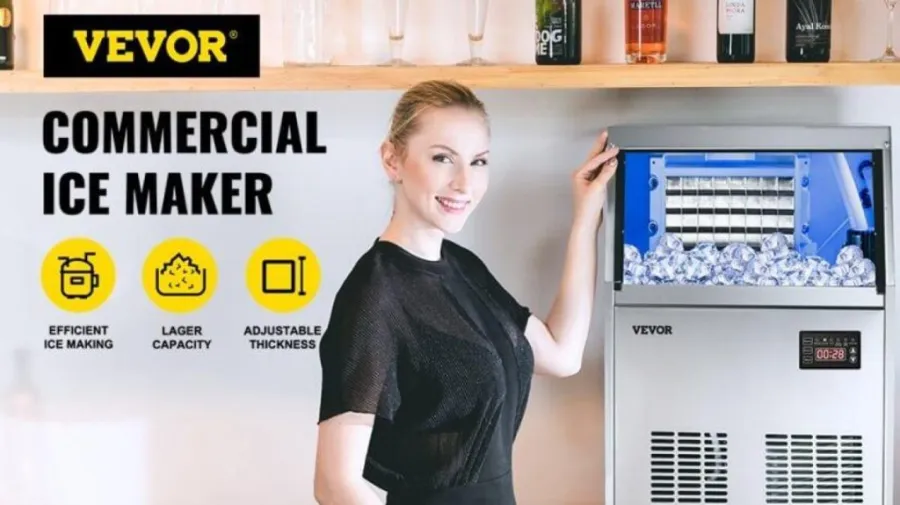
| VEVOR | Countertop and portable ice makers | Bullet, nugget and other types | Compact designs and accessible pricing | Offices, cafes, small businesses |
To pick the right commercial countertop ice maker, check the exact model’s daily output, bin size, physical footprint, ease of cleaning, power draw, warranty terms, and plumbing needs. A small unit pays off best if it keeps up with daily business needs while leaving counter space open.
Wrap Up
Picking out a commercial countertop ice machine comes down to how much ice you use daily, how much counter room you have, the style of ice you want, and your day-to-day setup. Before putting money down, buyers need to weigh output, bin storage, cycle times, plumbing needs, power draw, sound levels, and how easy the unit is to clean. A busy restaurant, cafe, or bar might need heavy output, whereas an office or small shop can usually get by with a smaller unit running off a water tank. Built-in perks like automated cycles, low-water sensors, full-bin shutoffs, and self-clean functions make daily handling much simpler. Weighing those points against exterior dimensions and service demands helps businesses pick a practical countertop machine that keeps the ice coming without wasting money on unneeded gear or bloated run costs.
FAQs
Rely on the manufacturer’s own cleaning directions. Do you have to hook a commercial countertop ice maker up to its own water line?
Not always. A few countertop units rely on a manual-fill reservoir instead. Other units plumb straight into your water supply. Make sure you know what installation involves before you commit to a purchase.
Which ice maker should I buy for a home kitchen?
Go with a compact countertop model that runs quietly, keeps the controls simple, and relies on a manual-fill reservoir. You should also look at daily production, the style of ice, maintenance demands, bin capacity, and how much counter space it takes up.
Which clear ice machine brands and models have good reputations for a small bar?
You can find clear ice units from Scotsman, NewAir, Luma Comfort, and COWSAR. Weigh clarity, daily capacity, cycle length, physical dimensions, maintenance, and the full price tag before deciding.
Which freestanding ice makers operate most quietly, and can you list or rank them?
The GE Profile Opal 2.0 is listed at about 39 dBA, while the VEVOR HZB-15N/S is rated at ≤42 dB. The Whynter ICM-221SS and Scotsman CU50B are also options, with reported noise levels of about 45.6 and 47.1 dBA, respectively. Noise can vary by model and setup.
Which freestanding ice makers offer the best value for money in France right now?
Compare brands such as Scotsman, Hoshizaki, Manitowoc, Ice-O-Matic, Brema, SIMAG, Icematic, and ITV Ice Makers when shopping in France. Check each model’s ice output, energy use, purchase price, warranty, local service support, replacement parts, and maintenance costs. Availability and prices vary by model and supplier, so check current French listings before buying.