You don’t have to spend much time or make setting up a portable canopy hard. With proper preparation and a basic technique, you can usually set up a pop-up canopy in under 5 minutes. The key is to choose the right spot, check the frame and accessories, and open it correctly. Knowing how to set up a canopy tent helps with outdoor activities, whether you’re looking for shade at the beach, shelter at a market, or coverage for a backyard celebration.
In this article, you will be guided through each stage and learn how to avoid common setup mistakes.
Table of Contents
What You Need Before Setting Up a Portable Canopy
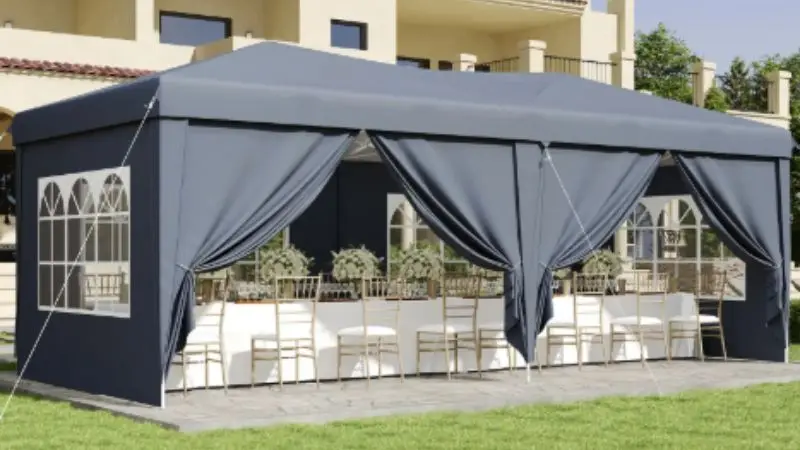
Spend a few minutes preparing the area and checking the equipment before opening your canopy. Proper preparation reduces the risk of damaging the fabric or frame and speeds up setup.
Recommended For Your Project
Choose the Right Location
How to choose a portable canopy? Choose a level, open space for your canopy. A smooth surface helps keep the frame stable and prevents uneven legs. Avoid fallen trees, low-hanging branches, electricity cables, or other hazards. Look on the ground for rocks, roots, sharp objects, and soft spots that can cause problems. Also don’t forget the direction of the sun and wind. Position the canopy to shade the area where it’s most needed. A good site setup improves stability and creates a more comfortable outdoor environment for everyone.
Check the Canopy Parts
How to clean a portable canopy? Open the bag and lay out all canopy sections in a comfortable place for inspection. Check the packed frame, canopy top, pegs, ropes, weight bags, and other accessories that came with your model for bent poles, broken joints, loose fittings, torn fabric, or missing pieces. Before you begin, find the release buttons or locking pins on your canopy. Frame designs may vary, so it’s also a good idea to follow the manufacturer’s directions. Having each component close at hand prevents unnecessary runs during setup. Once the parts are checked and ready, you can start opening the canopy frame.
How to Set a Portable Canopy Step by Step
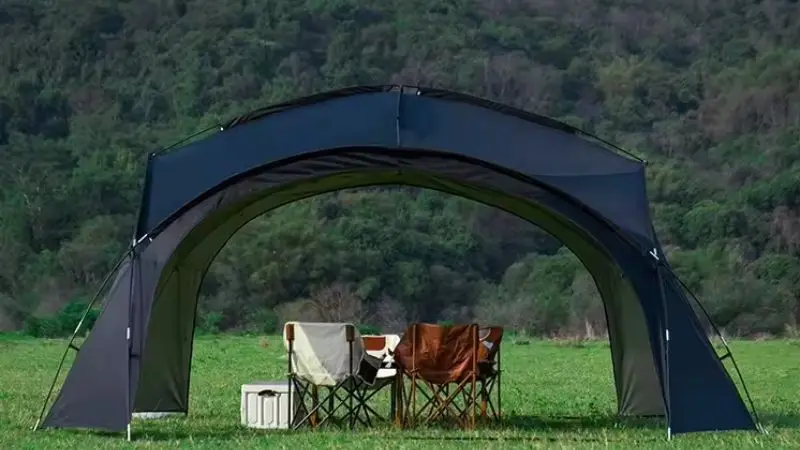
Now that you have your position and gear set, you may start opening the canopy. Most pop-up designs feature a folding frame that expands; then you lift the legs to the desired height. For the first few configurations, work slowly until you get a feel for the frame mechanism.
Step 1: Position the Folded Frame
How to set up a portable canopy? Lay the folded canopy frame out where you want to set it up. Leave plenty of free space around it so the frame can extend fully. With a partner, stand on opposite sides and pull the frame out at the same time. If you are setting up by yourself, go to one end and slowly unroll one side. Don’t drag the frame across rough ground; this may damage the legs or joints. As the frame opens, hold the canopy top in the right place. Once it’s in place, you have a stable starting point for the next stage.
Step 2: Expand the Frame
How to store a portable canopy? Slowly draw the frame outward until the crossbars spread and the structure widens. If the canopy top is already on, ensure that the fabric flows with the frame and doesn’t get caught in the metal pieces. With 2 people, walk backwards slowly holding opposite sides so the frame expands evenly. Work on your own. Open one side first, then go around to the other side. Do not insert your fingers between the frame pieces while they move. If it seems jammed, stop and look for an obstruction rather than forcing it open.
Step 3: Lock the Frame
How to secure a portable canopy? When the frame is almost fully opened, look for the locking buttons, pins, or sliders on each corner. Follow the manufacturer’s instructions to engage those mechanisms correctly. When locked, you may hear a click or feel the mechanism lock into position. Walk around the canopy and check each corner before you lower the legs. If one portion feels lower or loose, examine the locking mechanism again instead of forcing it up. The entire canopy is constructed on a properly secured frame. Spend a few seconds double-checking each lock, and you’ll save yourself surprises as you get through the rest of the setup procedure.
Step 4: Raise the Canopy Height
Lock the frame and then lift each leg to the desired height. How long does a portable canopy last? Most portable canopies offer various adjustment options to add headroom or customise the cover for different activities. Lift the legs evenly, not stretching one side all the way out before the others. Verify that all adjustment pins or locking devices are engaged. A half-locked leg can fail without warning, stressing the frame. If you’re setting up solo, work around the canopy one leg at a time. When all four legs are in place and level, the canopy should be able to stand stoutly at the height of your choice.
Step 5: Attach or Adjust the Canopy Top
How to take down a portable canopy? If the canopy fabric is not tight against the frame, once you have opened the frame, drape the top over the framework. Hook the corners to the right sides of the frame and tighten the straps, hooks, or fasteners included with your model. Make sure the fabric is evenly placed on all sides. Don’t pull too hard. Too much stress can damage seams or attachment points. Smooth out major creases so rainwater doesn’t pool in low spots. This ensures the shelter functions as intended for normal outdoor use, and the canopy provides better shade when positioned correctly.
Step 6: Secure the Canopy
How to clean a portable canopy? Don’t think a movable canopy is stable enough without anchoring it. Even if conditions seem calm, wind can lift or move an unsecured canopy. Set up on suitable soil using the supplied pegs and ropes. Hammer the stakes firmly into the ground and tie the ropes to the designated spots on the canopy. If used on concrete or other hard surfaces, use bags with sufficient weight or manufacturer-authorised anchoring methods. Check every corner before you use the shelter. Do not leave the canopy out if the weather turns bad; take it down when necessary and follow the manufacturer’s safety recommendations.
How to Set a Portable Canopy Alone
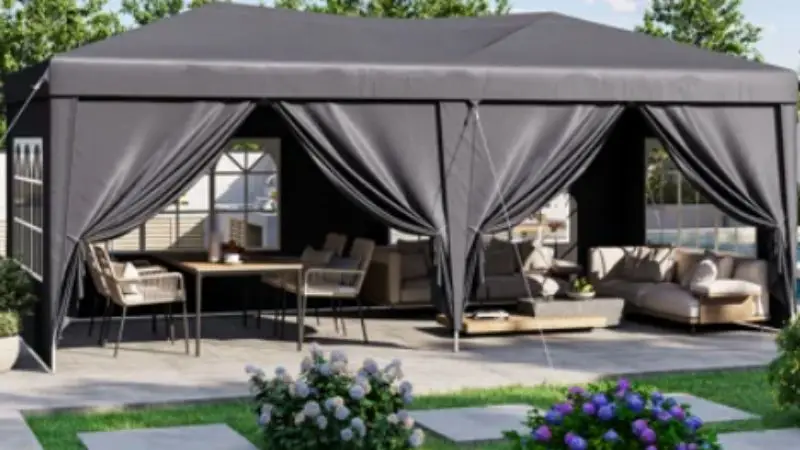
You can set up a canopy yourself if you follow a controlled procedure and don’t try to expand the whole frame at once. Place the folded frame in the centre of the area you have selected. Pull one side out and open the structure a little. Walk around to the other side.
Best Camping Tents for Easy and Fast Setup
How to choose a portable canopy? Portable canopies are great for daytime coverage, but for overnight camping you need a shelter built for sleeping and weather protection. If assembly speed matters, look for camping tents with simple frame systems, pre-attached poles, or quick-setup techniques. These design ideas can help reduce the number of items you need to take to a campsite. Before buying, consider how many people will use the tent, how much room it offers, ventilation, weather protection, and packed size. Practising setting up at home can also save you time outside.
What Are the Best Camping Tents for Family Trips?
How to set up a portable canopy? Family camping vacations need a mix of room, comfort, and easy assembly. You might want to consider an instant cabin tent, since many use poles that stay attached to the tent. Rather than assembling many individual poles, you open the shelter and pull the frame until it clicks into place. Make sure there is enough sleeping space for everyone, and allow extra room for luggage and camping gear. A taller central height makes it easier to get dressed and move around. Rainflies, either easy-attached or built-in, can help save setup time.
Which Camping Tents Are Best for Car Camping With Easy Setup?
Car camping means you can use bigger tents because you don’t have to carry the shelter far. Cabin tents and large dome tents offer more sleeping and storage space while remaining relatively easy to set up. If you want to get it up quickly, look for an instant design with poles already attached or a hub-style frame. These technologies let you unfold the tent and extend the structure without assembling many individual parts.
Common Portable Canopy Setup Mistakes to Avoid
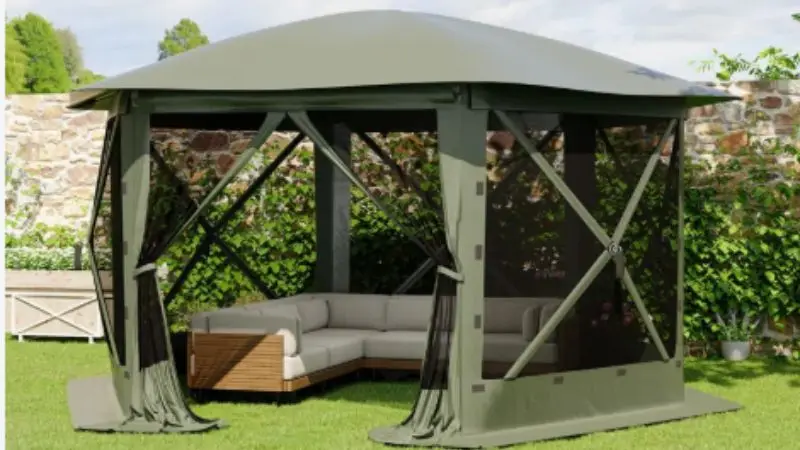
Fast setup shouldn’t imply neglecting fundamental safety or preparedness. Many canopy issues happen because people choose the wrong ground, don’t secure the structure, or force the frame when something isn’t properly aligned. These mistakes can damage the canopy and reduce the structure’s stability.
Setting Up on Uneven Ground
How to secure a portable canopy? On uneven ground, the canopy may be unstable, putting the structure under stress. When the canopy is opened, soft soil may allow individual legs to sink, and a sloping surface may make one leg lower than the other. Before you start, walk around the site and collect pebbles, sticks, and other garbage. Check the solidity of each corner point. Look for obvious slopes or holes. If possible, move the cover to a flatter location. Don’t build weak supports under the legs. This setup is also safer and spreads the frame’s weight more evenly on a firm, level surface.
Failing to Secure the Canopy
How to take down a portable canopy? One of the biggest mistakes you make when setting up is failing to secure a canopy. Wind can quickly get underneath the canopy and lift it, moving the structure and causing it to tip over or travel across an open area. Open the frame, then quickly secure the canopy instead of waiting for a weather change. Follow surface and manufacturer’s instructions on stakes, ropes, and weight bags. Check the anchors regularly, particularly during periods of increased wind. If severe weather threatens, you may want to take the canopy down.
Ignoring the Manufacturer’s Instructions
How to store a portable canopy? Many pop-up canopies look similar, but they use different frame mechanisms and adjustment systems. Not following the manufacturer’s directions may result in improper installation or excessive stress on the frame. Read instructions before first setup. Identify release buttons, locking points, height adjustments, and recommended anchoring techniques. Watch for any weight or weather restrictions the manufacturer provides. If a part doesn’t move as expected, stop and don’t force it.
Trying to Force a Stuck Frame
How long does a portable canopy last? The suitable mechanism should permit the canopy structure to open smoothly. If the frame sticks, stop tugging or pushing and inspect it carefully. A crossbar might be caught, a leg might be out of true, or a locking device might still be locked. Too much force can bend metal parts, break joints, or rip the canopy. Go around the structure and find the blockage, then proceed. As you make changes, keep your hands away from pinch spots. If you solve the problem, open the frame slowly. Better to spend time figuring out the issue than forcing the framework.
Conclusion
Once you have a pattern, setting up a portable canopy takes under 5 minutes. Get on a flat spot, check all your gear, and keep your anchoring gear within reach. Open the frame slowly, lock all corners, even up the legs, and fasten the canopy before using it. If you are setting up by yourself, it is often easier to open one side first. If you go camping and want to set up your tent quickly, choose one with an immediate or easy frame. Never sacrifice stability and safety for speed, and always practice at home before your first outdoor excursion.
FAQ
How can you learn how to set up a canopy tent quickly?
Practice at home first. A pop-up canopy frame opens in one smooth motion. Master the release buttons before you go outside.
Can you set up a canopy tent without help?
Yes. Extend one side first. Lock those legs. Walk around. Repeat. A portable canopy works well for solo setup every time.
What size pop-up canopy fits a family of four?
Choose a 10×10 pop-up canopy. This size fits four chairs and a table. A pop-up canopy tent with sidewalls adds extra privacy.